

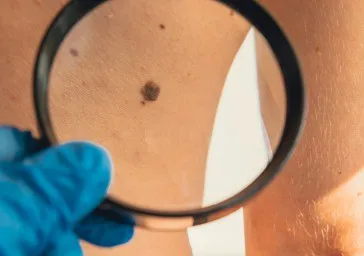












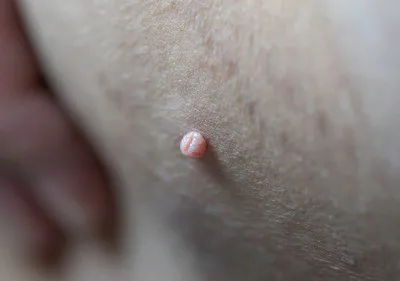
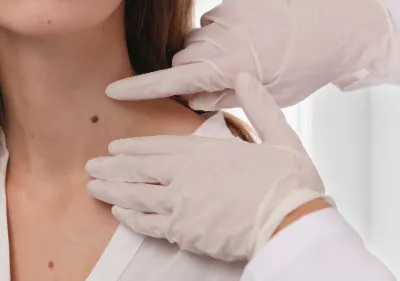
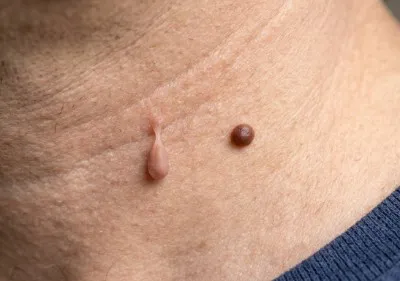
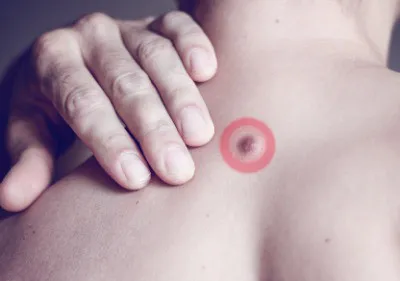

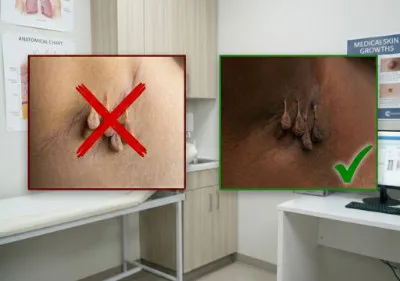
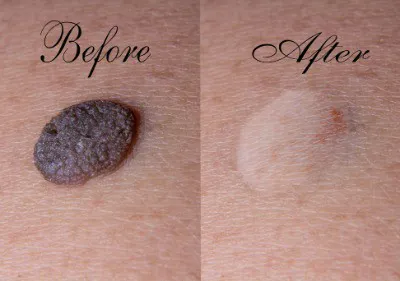

Skin tags are extremely common, yet they still cause significant uncertainty. They can look unfamiliar, appear suddenly, and often occur in visible or high-friction areas such as the neck, underarms, eyelids, under the breasts, or the groin. For some people they are simply a cosmetic annoyance, for others they snag, bleed, or become inflamed, which is usually what prompts a search for answers.

This topic is also easy to misunderstand because skin tags are often discussed alongside other skin growths, home remedies, and mixed advice about risk. Most skin tags are benign, but not every raised or hanging lesion is a skin tag, and self-diagnosis can be unreliable when a growth is new, changing, or in a sensitive area. If you are considering removal, it is worth understanding what clinicians look for, what treatment involves, and what “low risk” actually means in practical terms, including scarring and pigment change.

In this guide, you will learn what skin tags typically look and feel like, why they develop, how they are differentiated from similar lesions, and when professional assessment is the sensible next step. We will also cover the main in-clinic removal options, what to expect during and after treatment, and how to choose a provider in the UK.

Our Preferred Partner - Jovena Fractional Plasma

Skin tag removal may be a straightforward procedure, but how the tissue is treated can make a meaningful difference to both outcomes and patient experience. That’s where fractional plasma technology on the Jovena device offers a more considered approach.

By delivering controlled plasma energy in precise micro-points, the treatment works within the upper layers of the skin to target the concern while leaving surrounding tissue largely unaffected. This supports a natural repair response, encouraging cleaner healing and more refined results over time.

For clinics, Jovena provides a versatile platform that extends beyond simple lesion removal into broader skin renewal and resurfacing treatments. For patients, it offers a precise, controlled option that aligns removal with overall skin quality - not just resolution of the concern.

Your Skin Tag Removal Questions

Real Questions from Real People - Answered

Straightforward answers to the questions people like you are asking right now about Skin Tag Removal.

Ask A Skin Tag Removal Question

Be the first to ask a Skin Tag Removal question.

Click here to ask your own question.

Find A Verified Clinic

Trusted Skin Tag Removal Experts, Local to You

Easily connect with qualified, verified professionals for safe, reliable treatment.

Find A Skin Tag Removal Verified Clinic
Beauty Clinic Brazzini

Beauty Clinic Brazzini

★★★★★ (3)

185 Battersea High Street, Battersea Park, London, SW11 3JS

Beauty Clinic Brazzini is a boutique aesthetic clinic based in Battersea, London, specialising in advanced, non-surgical face and body treatments. Led by experienced practitioner Elisa Brazzini

Plasma Aesthetics & Skin Tag Removal

Plasma Aesthetics & Skin Tag Removal

★★★★★ (5)

171c, Rosevale House, Rosevale Industrial Estate, Lisburn, BT28 1RW

Jemma Bamford is a qualified Skin specialist at Plasma Skin Tag Removal NI. Based in Lisburn, she uses advanced Plasma Pen technology for safe, non-surgical,& precise removal of skin tags and lesions

To find a Skin Tag Removal clinic near you, please click here.

Skin Tag Removal Reviews

Real Experiences. Honest Feedback.

Read what others have to say about Skin Tag Removal before you decide.

Read Skin Tag Removal Reviews
5/5

Based on 3 reviews

A.

Amy ., Lisburn

November 24, 2025

★★★★★

"Really pleased with the removal of the Cherry angioma on my neck and it’s healed very well - can’t even tell it was ever there. Best price to get this done in the belfast area too. Thank you jemma!"

AK

Anna Kasabyan, Lisburn

November 24, 2025

★★★★★

"I was so happy to have found jemma’s services near belfast. She eased my nerves about the procedure and was extremely kind, gentle and accommodating in the process. She went above and beyond for me and I Will always appreciate the time and care she took. Thank you again jemma!"

MM

Mark Maxwell, Lisburn

November 24, 2025

★★★★★

"2 skin tags removed within 10 mins, both without any discomfort at all. Wish I’d done it sooner. Highly recommended Jemma. 10/10."

To view all the Skin Tag Removal reviews, please click here.

Skin Tag Removal Treatments

Explore the Skin Tag Removal Treatments We Recommend

Discover the leading treatments used by professionals, all in one place.

Skin Tag Removal Products

What AreSkin Tags?

Learn what skin tags are, why they develop, and when they should be checked. Clear, medically responsible guidance for UK readers.

Skin Tags? Image

Skin tags are a common skin concern, but they are often misunderstood. Many people notice a small growth on the neck, eyelid, or underarm and are unsure whether it is harmless, needs to be checked, or should be removed. This guide clarifies what skin tags are, why they develop, and how they are typically managed in medical and aesthetic settings.

Understanding skin tags matters because uncertainty can easily lead to unnecessary worry or inappropriate action. While skin tags are benign and rarely medically significant, they can sometimes be confused with other skin lesions or cause practical irritation depending on their size and location. Clear information helps you recognise what is typical, understand when reassurance is enough, and know when a professional opinion is sensible.

This resource is for people who want accurate, calm guidance before making decisions about their skin. It is particularly relevant if you are researching skin changes, comparing advice online, or considering whether assessment or removal is appropriate. It may be less relevant if you are looking for treatment offers or quick fixes, as the focus here is understanding rather than intervention.

The full guide explores what skin tags look like, why they tend to appear in areas of friction, how they differ from moles or warts, and how decisions about monitoring or removal are usually made in the UK. It also explains where professional input fits in and what factors influence suitability.

Read the full guide: What Are Skin Tags?

How DoSkin Tags Develop?

Learn how skin tags develop, including the role of friction, age, hormones, and health factors, explained clearly for UK readers.

Skin Tags Develop? Image

Skin tags are common, benign skin growths that many adults notice over time, often in areas such as the neck, underarms, or under the breasts. If you have found yourself asking how skin tags develop, whether they signal a health issue, or why they seem to appear more frequently at certain stages of life, you are not alone.

Understanding how skin tags form matters because it helps separate normal skin behaviour from genuine cause for concern. Questions about friction, hormones, weight changes, insulin resistance, or genetics are all reasonable, particularly if multiple skin tags appear or increase over time. Clear information allows you to assess whether reassurance is enough, or whether a conversation with a GP or qualified practitioner would be sensible.

This guide is for readers who want a structured, evidence-aware explanation before considering removal or further investigation. It outlines what is known about skin tag development, how risk factors interact, when patterns may warrant review, and how development influences treatment decisions. It does not replace individual medical advice, but it will help you understand the context in which clinicians assess skin tags in everyday practice.

If you would like a deeper, step-by-step exploration of causes, suitability, and management options, continue to the full guide below.

Read the full guide: How Do Skin Tags Develop?

How To Tell A Skin TagFrom Other Skin Growths

Learn how to tell a skin tag from moles, warts, and other skin growths, with clear guidance on what is normal and when to seek advice.

From Other Skin Growths Image

Understanding how to tell a skin tag from other skin growths is a common starting point for anyone who has noticed a new or unfamiliar change on their skin. Skin tags, moles, warts, and age-related growths can appear similar at first glance, and it is not always obvious which is which. This guide sets out to explain the differences clearly and responsibly.

This topic matters because most skin growths are harmless, yet uncertainty can lead to unnecessary worry or, equally, delayed assessment when it is needed. Knowing what is typical, what varies, and which features deserve closer attention helps you make proportionate decisions rather than relying on guesswork or online images alone.

This page is designed for readers who want straightforward, medically grounded information before deciding whether to monitor a lesion, seek reassurance, or consider removal. It may be less relevant if you already have a confirmed diagnosis and are looking only for treatment pricing or booking details.

In the full guide, we explore how skin tags usually present, how they differ from moles, warts, and seborrhoeic keratoses, which warning signs should always be checked, and how skin tone and individual health factors can influence appearance. We also outline when reassurance is reasonable and when professional assessment adds clarity.

Read the full guide: How To Tell A Skin Tag From Other Skin Growths

When Are Skin TagsSuitable For Removal?

Learn when skin tags are suitable for removal, when it is reasonable to wait, and how comfort, location, and reassurance affect the decision.

Suitable For Removal? Image

Skin tags are common, benign skin growths, yet many people are unsure when removal is appropriate and when it is best to leave them alone. This page explains when skin tags are suitable for removal, how suitability is assessed, and why the decision is usually based on comfort and context rather than medical urgency.

For anyone who has noticed irritation, repeated catching, or simple uncertainty about a lesion, understanding the difference between necessary treatment and optional cosmetic removal matters. It helps prevent unnecessary procedures while ensuring that changes or concerns are properly checked. If you are comparison-shopping, weighing private removal, or deciding whether to seek professional advice, this guide is designed to give you a clear starting point. It may be less relevant if you already have a confirmed diagnosis and a treatment plan in place.

The full guide explores practical triggers for removal, when reassurance or assessment is advised, how skin tone and healing influence outcomes, and how skin tag removal is viewed within the UK healthcare system. It also outlines situations where removal may not be appropriate.

If you would like a clear, in-depth explanation of when skin tag removal makes sense and when it does not, continue to the full guide below.

Read the full guide: When Are Skin Tags Suitable For Removal?

Skin Tags AndSkin Of Colour

Learn how skin tags affect skin of colour, including healing, pigment changes, and when removal may or may not be appropriate.

Skin Of Colour Image

Skin tags and skin of colour are topics that deserve clear, careful explanation. Skin tags are common and harmless, but if you have melanin-rich skin, you may have been told that healing, pigmentation, or removal carries different considerations. This guide explains what that means in practical, evidence-based terms.

For many people, the uncertainty is not about the skin tag itself, but about what happens afterwards. Questions about hyperpigmentation, hypopigmentation, scarring, and whether skin tag removal is safe for darker skin tones are entirely reasonable. Understanding how skin of colour responds to minor procedures helps you weigh risks calmly rather than relying on generalised advice.

This page is for anyone with Black, Brown, Asian, or mixed-heritage skin who wants balanced information before considering assessment or removal. It may be less relevant if you are not concerned about pigmentation changes or are not exploring treatment decisions.

The full guide explores identification, differences in healing, removal methods such as snip excision, electrosurgery, and cryotherapy, and how practitioner experience influences outcomes. It also explains when leaving a skin tag alone may be the most sensible choice.

Read the full guide: Skin Tags And Skin Of Colour

Myths And Common Misconceptions About Skin Tags

A clear guide to skin tag myths and misconceptions, explaining what’s harmless, what needs checking, and when reassurance is enough.

About Skin Tags Image

Skin tag myths are common, and they can shape how people feel about their skin, their health, and whether removal is necessary. This page provides a clear, evidence-aware overview of the most frequent misconceptions about skin tags, including concerns about cancer, contagion, home removal, and links to wider health conditions.

For many people, uncertainty starts online. Conflicting advice can make harmless skin growths feel worrying, or encourage quick decisions without proper assessment. Understanding what skin tags are, what they are not, and when professional review is sensible helps you approach the topic calmly and proportionately.

This guide is designed for adults who want reliable information before deciding whether to ignore, monitor, or remove a skin tag. It is particularly useful if you are comparison-shopping, weighing up private treatment, or simply seeking reassurance. If you already have a confirmed diagnosis and are only interested in booking removal, you may prefer to move directly to a treatment-focused guide.

Within the full resource, you will find clear explanations of common myths, how clinicians distinguish skin tags from other lesions, when health associations matter, and what to consider before removal. It also outlines where caution is appropriate and where reassurance is usually enough.

Read the full guide: Myths And Common Misconceptions About Skin Tags

Skin TagRemoval Options

Learn about skin tag removal options in the UK, including professional methods, safety considerations, and how to decide what is appropriate for you.

Removal Options Image

Skin tag removal options can appear simple at first glance, but deciding what is appropriate involves more than choosing a quick solution. This guide introduces the main professional skin tag removal methods used in the UK, explains how they differ, and clarifies when treatment is usually optional rather than necessary.

For many people, the uncertainty is not about whether skin tags are common, but about what to do next. Questions often centre on safety, suitability, cost, and whether home removal is advisable. Understanding these factors before booking an appointment helps avoid unnecessary risk and sets realistic expectations.

This resource is designed for anyone who wants clear, clinically grounded information before committing time or money. It will be particularly useful if you are comparison-shopping, weighing private treatment, or unsure whether a skin tag needs professional assessment. If you are dealing with a changing, painful, or uncertain skin lesion, personalised medical advice remains important.

The full guide explores professional removal methods, including snip excision, electrosurgery, and cryotherapy, along with risks, healing, and UK access considerations. It also explains how practitioners assess suitability and why accurate diagnosis matters.


Read the full guide: Skin Tag Removal Options

How To Choose ASkin Tag Removal Provider

Learn how to choose a skin tag removal provider in the UK, including who can treat, how the assessment works, and what safe practice should involve.

Skin Tag Removal Provider Image

Choosing a skin tag removal provider can feel straightforward, but it is an important decision. While skin tags are benign, accurate diagnosis, safe technique, and appropriate aftercare all influence both safety and cosmetic outcome. If you are considering removal, understanding who should carry it out and in what setting helps you make a measured and informed choice.

This topic matters because not all providers offer the same level of assessment or clinical oversight. A skin tag may look simple, yet confirming that a lesion is genuinely a skin tag rather than another type of growth is a key first step. Technique also varies, and suitability depends on location, skin type, medical history, and whether multiple lesions are present.

This guide is for anyone comparing options, whether you are deciding between a GP, dermatologist, or aesthetic clinic, or reviewing private providers. It is particularly relevant if you are cautious about safety, concerned about scarring or pigmentation changes, or unsure what questions to ask before treatment.

The full guide explains how skin tag removal is assessed in clinical practice, what qualifications and experience matter, how sterile technique and consent should be handled, and how pricing and setting can reflect standards of care. It also outlines when removal may not be appropriate.
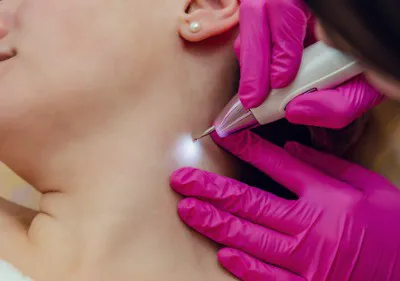

Read the full guide: How To Choose A Skin Tag Removal Provider

What To Expect From The Skin Tag Removal Process

Learn what to expect from skin tag removal, including the consultation, procedure, healing, and follow-up, clearly explained for UK patients.

Skin Tag Removal Process Image

Skin tag removal is often described as a minor procedure, but many people still feel unsure about what it actually involves. Questions about consultations, pain, healing time, and whether skin tags can recur are common. This guide provides a clear overview of what to expect from the skin tag removal process, from initial assessment through to recovery and longer-term considerations.

Understanding the process matters because removal is usually classed as cosmetic in the UK, which means the decision often rests with you. Knowing how skin tag removal is assessed, how different techniques are chosen, and what healing typically looks like helps you weigh suitability rather than relying on assumptions or online advice.

The full guide explores consultation steps, what happens during the procedure, aftercare, healing timelines, recurrence, and cost considerations. It focuses on how decisions are made in clinical practice, how outcomes are evaluated, and where individual factors such as skin tone or lesion location influence the approach.

Read the full guide: What To Expect From The Skin Tag Removal Process

The Cost OfSkin Tag Removal in the UK

Learn how skin tag removal costs are structured in the UK, including NHS vs private care, pricing ranges, and what influences overall cost.

Skin Tag Removal in the UK Image

Skin tag removal costs in the UK can feel unclear at first glance. Prices vary between clinics, NHS funding is rarely available, and quotes may differ depending on the number, size, or location of skin tags. This guide provides a clear, structured overview of what skin tag removal costs usually involve and why those differences exist.

Understanding cost matters because removal is typically classed as a cosmetic procedure. That classification shapes whether treatment is available on the NHS and why most people explore private options. For cautious, comparison-led readers, clarity around pricing helps prevent unnecessary appointments, unrealistic expectations, or confusion about what is included.

The full guide explores how private pricing works, what affects cost, how removal methods influence fees, and why consultation, aftercare, and practitioner experience matter. It also explains how to compare clinics calmly and safely.

Read the full guide: The Cost Of Skin Tag Removal in the UK

Skin Tag RemovalSide Effects and Risks Explained

Learn about the side effects, risks, and limits of skin tag removal, including scarring, pigment change, and when to seek medical advice.

Side Effects and Risks Explained Image

Skin tag removal is often described as simple, but questions about side effects, risks, and long-term limitations are common. This guide provides a clear overview of what to expect, what is considered normal, and what deserves closer attention before deciding on treatment.

For many people, skin tags are harmless but irritating, or simply unwanted. Understanding the risks of skin tag removal, including scarring, pigment change, infection, and the possibility of new skin tags developing later, helps place the decision in context. Even minor procedures have variables such as skin type, location, and technique choice that influence healing and cosmetic outcome.

The full guide explores common short-term effects, less common complications, method-specific risks, pigment considerations in different skin tones, and realistic expectations around recurrence and cosmetic results. It explains how risks are discussed in clinical practice and why informed consent matters.

Read the full guide: Skin Tag Removal Side Effects and Risks Explained

Skin Tag Removal Quick FAQs

Clear, Concise Answers to Common Queries

A simple, no-fluff roundup of frequent Skin Tag Removal questions to help you get the facts fast.

Skin Tag Removal FAQs
Are skin tags contagious or infectious?

No. Skin tags are not caused by an infection and cannot be passed from one person to another. They are a benign overgrowth of skin tissue and are not linked to viruses or bacteria.

Can skin tags bleed on their own?

Skin tags can bleed if they are repeatedly caught, twisted, or traumatised, for example, by clothing or jewellery. Spontaneous bleeding without irritation is less typical and should be checked to confirm the diagnosis.

Do skin tags ever fall off by themselves?

Most skin tags remain in place once they form. Occasionally, a skin tag may dry out and detach if its blood supply is disrupted, but this is unpredictable and not something to rely on as a natural process.

Is it safe to cut off a skin tag at home?

Home removal is not recommended. Cutting or tying off a skin tag without proper assessment and sterile technique increases the risk of bleeding, infection, scarring, and misdiagnosis of another type of skin lesion.

Can skin tags grow back after removal?

A removed skin tag does not usually regrow in the same place. However, new skin tags can develop nearby over time, as removal does not change the underlying tendency to form them.

Are skin tags more common during menopause?

Some people notice more skin tags around midlife, including during menopause. This is thought to relate to hormonal changes and shifts in skin elasticity, rather than menopause itself being a direct cause.

Do skin tags mean something is wrong with my health?

For most people, skin tags are simply a common skin change. Having many skin tags can be associated with conditions such as insulin resistance, but they are not a diagnosis in themselves and should be interpreted in context.

Can children or teenagers get skin tags?

Skin tags are less common in children but can occur, particularly in areas of friction. When they appear in younger people, assessment is sensible to confirm that the growth is a skin tag and not another type of lesion.

Are skin tags linked to skin cancer?

Skin tags themselves are benign and not considered precancerous. A growth that looks unusual, changes rapidly, or does not fit the typical appearance of a skin tag should be assessed to exclude other conditions.

Does skin tone affect how skin tags heal if removed?

Yes. People with darker skin tones may have a higher risk of pigmentation changes after removal. This does not prevent treatment, but technique choice and aftercare are particularly important to minimise long-term colour change.

How long does it take for a skin tag removal site to heal?

Healing time varies by size and removal method, but most small skin tag sites heal within one to two weeks. Mild redness or scabbing is common initially and usually settles without intervention.

Should all skin tags be sent for testing after removal?

Routine laboratory testing is not always necessary for typical skin tags. Testing may be advised if the appearance is unusual, the diagnosis is uncertain, or there are features that need clarification.