


Skin tags are extremely common and, for many people, harmless and easily ignored. For others, they can become irritating, catch on clothing, or raise questions about whether removal is medically necessary. Cost is often a top practical concern, yet it is also one of the least clearly explained aspects of skin tag treatment.
Part of the confusion comes from how skin tags are classified within healthcare. Because they are benign, removal is rarely funded by the NHS, which means most people who choose to have them removed do so privately. Private clinics, however, differ in how they price treatment, what they include in that price, and how they assess suitability. Without context, it can be difficult to know whether a quote is reasonable, what questions to ask, or what factors genuinely affect cost.
This guide provides a calm, evidence-based overview of the costs of skin tag removal in the UK. It explains why pricing varies, how factors such as number, location, and removal method influence cost, and why consultation and practitioner experience matter. The aim is not to encourage treatment, but to help you understand the financial and clinical considerations so you can make a decision that feels proportionate and informed.
Our Preferred Partner - Jovena Fractional Plasma
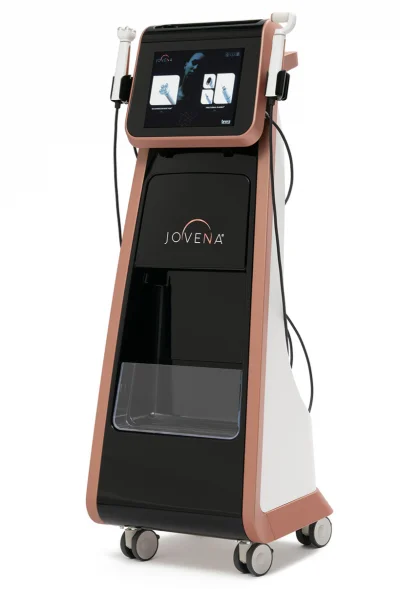
Skin tag removal may be a straightforward procedure, but how the tissue is treated can make a meaningful difference to both outcomes and patient experience. That’s where fractional plasma technology on the Jovena device offers a more considered approach.
By delivering controlled plasma energy in precise micro-points, the treatment works within the upper layers of the skin to target the concern while leaving surrounding tissue largely unaffected. This supports a natural repair response, encouraging cleaner healing and more refined results over time.
For clinics, Jovena provides a versatile platform that extends beyond simple lesion removal into broader skin renewal and resurfacing treatments. For patients, it offers a precise, controlled option that aligns removal with overall skin quality - not just resolution of the concern.
Why Skin Tag Removal Is Usually Classed As A Cosmetic Cost
Skin tag removal costs in the UK are largely shaped by how these growths are classified in healthcare. In most cases, skin tags are considered benign and non-medical, which means removal is not covered by routine NHS funding.
Medical necessity vs personal choice
Skin tags are medically described as harmless skin growths that do not usually pose a health risk. Because they are benign, removal is not classed as medically necessary unless there is a clear clinical concern.
- Discomfort, catching on clothing, or cosmetic impact does not automatically change the classification.
- From a healthcare perspective, treatment is optional rather than required.
- This distinction explains why removal is commonly offered in private clinics rather than through the NHS.
This approach is designed to prioritise NHS resources for conditions that affect health rather than appearance.
When the NHS may consider removal
There are limited circumstances in which a GP may further assess a skin tag, although this does not guarantee NHS-funded treatment.
- A skin lesion that changes rapidly, bleeds without cause, or has uncertain features may need assessment.
- The aim of referral is diagnosis and safety, not cosmetic improvement.
- If a lesion is confirmed to be a typical skin tag, removal is still usually classed as a private procedure.
Understanding this boundary helps set realistic expectations and reduces frustration when exploring options.
Skin tag removal is usually considered a cosmetic procedure because skin tags are benign and rarely require medical treatment. Knowing this early helps people focus on appropriate private options rather than navigating NHS pathways that are unlikely to apply.
Typical Private Skin Tag Removal Costs In The UK
Private skin tag removal costs in the UK vary widely, which can be confusing when you first start comparing clinics. Understanding typical price ranges and what they typically include helps put quotes into context.
Average price ranges and what they usually include
Most private clinics price skin tag removal either per lesion or per treatment session, depending on the number of tags being treated.
- Single skin tag removal typically costs £50-£150.
- Multiple skin tags are often priced as a bundle or per session, typically ranging from £150 to £400.
- Prices may include assessment, treatment, and basic aftercare advice, although this should always be confirmed.
Higher prices do not necessarily mean a better outcome, but they often reflect longer appointment times, practitioner expertise, and a clinical setting.
Why prices vary between clinics
It is normal to see noticeable price differences among providers, even within the same city.
- Practitioner background matters: GP-led and dermatologist-led services are usually priced higher than non-medical settings.
- Clinic location affects cost, with London and other large cities often charging more than regional clinics.
- Governance, insurance, and infection-control standards also contribute to overhead and pricing.
These factors explain variation without implying that one clinic type is always the right choice for everyone.
Private skin tag removal costs in the UK sit within broad but predictable ranges. Looking beyond the headline figure to understand what is included supports a more informed comparison.
How The Number, Size, And Location Of Skin Tags Affect Cost
Skin tag removal costs are rarely fixed because treatment complexity varies from person to person. The number of skin tags, their size, and their location on the body all influence how a clinic prices treatment.
Single vs multiple skin tag pricing
Clinics typically charge differently depending on whether one or several skin tags are being treated.
- A single, small skin tag is often priced individually because treatment time is short.
- Multiple skin tags may be priced per session rather than per lesion, particularly if they are in the same area.
- A larger number of skin tags may require staged treatment, which can affect the overall cost.
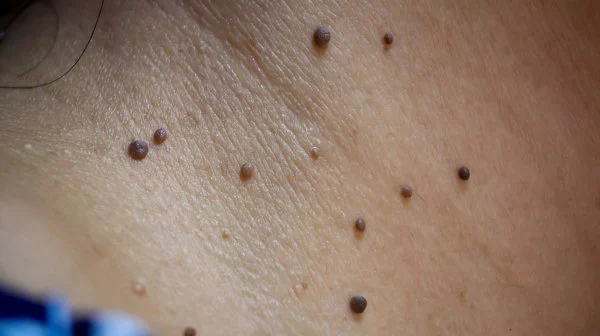
This approach reflects appointment length and clinical workload rather than the cosmetic value of removal.
Size and attachment of the skin tag
Not all skin tags are equally straightforward to remove.
- Small, narrow-based skin tags are typically quicker to treat.
- Larger skin tags or those with a wider base may need a more careful technique or a local anaesthetic.
- Increased complexity can increase appointment time and influence pricing.
Clinics factor this in to manage safety and comfort rather than to upsell treatment.
Location and anatomical risk
Where a skin tag is located plays a significant role in cost.
- Areas such as the eyelids, face, groin, or under the breasts require greater precision.
- These locations carry higher risks of bleeding, irritation, or scarring if poorly managed.
- Treatment in sensitive areas is often priced at a higher rate to reflect the skill level and clinical responsibility.
Location-based pricing is primarily about risk management, not aesthetics.
Cost differences based on number, size, and location reflect clinical complexity rather than arbitrary pricing. Understanding these factors makes quotes easier to interpret and compare.
Removal Method And How It Influences Pricing
The method used to remove a skin tag can affect cost, although this is often misunderstood. Pricing differences usually reflect equipment, clinical skill, and suitability rather than a promise of better results.
Common removal methods and relative cost differences
Several established techniques are used in UK clinics, with the method selected based on skin tag type and location.
- Snip excision is often used for small, narrow-based skin tags and is typically priced at the lower end.
- Electrosurgery uses controlled heat to remove the skin tag and seal blood vessels, which can increase cost due to equipment and training requirements.
- Cryotherapy involves freezing the skin tag and may be priced similarly to electrosurgery, depending on the setting and the number treated.
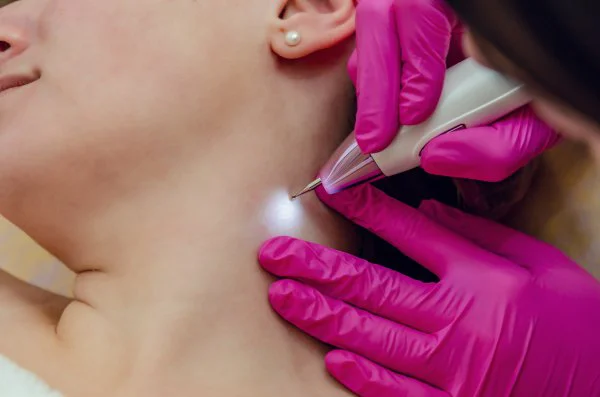
Clinics should be able to explain why a particular method is recommended for your skin tag rather than offering a single approach for everyone.
Why the cheapest option is not always the best value
Lower cost does not automatically mean inappropriate care, but price alone should not guide decisions.
- Incomplete removal can lead to repeat appointments and additional costs.
- Poor technique may increase the risk of bleeding, irritation, or pigment changes.
- Methods selected without regard to location or skin type may lead to avoidable aftercare issues.
Value is best judged by suitability, safety, and clarity about what is included, not just the initial price.
Differences in pricing between removal methods reflect clinical judgement, equipment, and risk management. Understanding why a method is chosen supports more confident and informed decisions.
Consultation Fees, Aftercare, And Hidden Costs
The headline price for skin tag removal does not always reflect the full cost of treatment. Consultation structure, aftercare provision, and follow-up arrangements all influence what you may ultimately pay.
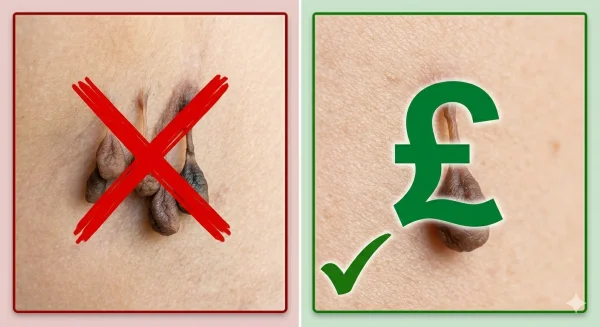
Consultation and assessment charges
Some clinics include consultation within the treatment price, while others charge separately.
- A paid consultation typically covers assessment, confirmation of diagnosis, and discussion of suitable removal options.
- This step helps ensure the lesion is appropriate for removal and that expectations are realistic.
- Separate consultation fees are common in medically led clinics and reflect the professional time and responsibility involved.
Understanding whether consultation is included avoids surprises at booking.
Aftercare, follow-up, and potential additional costs
Aftercare is a routine part of safe skin tag removal, although it is not always itemised clearly.
- Most clinics include basic aftercare advice within the treatment fee.
- Follow-up appointments may be recommended if healing needs review or if multiple sessions are planned.
- Additional costs can arise if further treatment is required, although this should be discussed in advance.
Clear communication around aftercare and follow-up helps people budget accurately and reduces uncertainty.
Consultation and aftercare costs are part of responsible clinical care, not hidden extras. Asking what is included upfront supports a clearer comparison between clinics.
Cost Considerations For Skin Of Colour And Scarring Risk
For people with darker skin tones, cost considerations are more closely linked to risk management than to cosmetic preference. Differences in healing response mean that practitioner experience and technique selection can be more important than headline price.
Why experience may matter more than price
Skin of colour can respond differently to minor skin procedures, particularly where heat or freezing is involved.
- There is a higher risk of pigment changes, such as post-inflammatory hyperpigmentation if the technique is not well matched to skin type.
- Practitioners with experience treating a wide range of skin tones may take a more cautious approach.
- This additional expertise may affect pricing due to longer consultations, a conservative technique, or staged treatment.
Higher cost in this context reflects risk awareness and clinical judgement rather than complexity for its own sake.
Long-term cost of managing pigment changes
When pigment changes occur, they may take time to settle and occasionally require monitoring.
- Management may involve reassurance, observation, or referral rather than active treatment.
- In some cases, follow-up appointments are needed to assess healing.
- Planning for these possibilities supports realistic budgeting and reduces anxiety if healing takes longer than expected.
Understanding these factors helps people weigh cost against safety rather than focusing solely on price.
For skin of colour, the most important cost consideration is often the quality of risk management. Choosing experience and clear communication can reduce the likelihood of additional treatment or follow-up costs later.
How To Judge Value, Not Just Price
When comparing skin tag removal options, cost alone rarely reflects overall value. Looking at how a clinic approaches assessment, consent, and safety provides a more reliable basis for decision-making.
Questions to ask before agreeing to treatment
Clear, practical questions help you understand what you are paying for and why.
- Who will assess and remove the skin tag, and what is their clinical background?
- How is the diagnosis confirmed before removal?
- Which removal method is recommended, and why is it suitable for this skin tag?
- What is included in the price, and what aftercare and follow-up, if any, are included?
These questions support informed consent and reduce the risk of unexpected costs.
Red flags around unusually low pricing
Very low prices can sometimes indicate limited assessment or reduced clinical oversight.
- A lack of formal consultation or diagnosis should prompt caution.
- Unclear information about infection control, aftercare, or practitioner training is a concern.
- Pressure to proceed quickly without discussion may suggest poor governance rather than good value.
Low cost is not inherently unsafe, but it should always be accompanied by clear explanations and appropriate safeguards.
Judging value means understanding how cost aligns with safety, assessment, and practitioner expertise. A transparent process is often a more reliable indicator than price alone.
Conclusion
Skin tag removal costs in the UK are largely driven by classification: most skin tags are benign, and removal is typically considered a cosmetic procedure rather than a medical necessity. That is why NHS-funded treatment is uncommon and why private clinics are often the most realistic option when removal is sought for comfort or personal reasons.
When comparing prices, it helps to look beyond the headline figure. Costs vary for practical reasons, including the number and location of skin tags, the technique used, whether local anaesthetic is required, and what is included in the consultation and aftercare. For some people, particularly those at higher risk of pigment change, value is also linked to practitioner experience and careful method selection.
If you are unsure what is appropriate, a consultation with a qualified professional can clarify diagnosis, suitability, and a transparent cost breakdown. Taking time to compare like-for-like quotes is a sensible, low-pressure next step.
Your Skin Tag Removal Questions
Real Questions from Real People — Answered
Straightforward answers to the questions people like you are asking right now about Skin Tag Removal.

Be the first to ask a Skin Tag Removal question.
Click here to ask your own question.
Find A Verified Clinic
Trusted Skin Tag Removal Experts, Local to You
Easily connect with qualified, verified professionals for safe, reliable treatment.

Renew Medi Clinic
Renew Medi Clinic is a medical-led aesthetic and regenerative clinic in Brighton, offering personalised treatments focused on natural results, skin health and long-term wellbeing.

Dr Vahe Clinic
Dr Vahe Clinic is a doctor-led medical, surgical, aesthetic and longevity clinic in Chelsea, London, providing personalised, evidence-based treatments focused on safety and natural results.
To find a Skin Tag Removal clinic near you, please click here.
Grow Your Practice with Skin Tag Removal
Whether you are already using Skin Tag Removal or considering adding it to your treatment menu, here is how to make the most of it.

Are you a practitioner? If you'd like to link your practice to Skin Tag Removal and become part of ConsultingRoom.com, you can register as a verified specialist using the information on our specialist registration page.
Once verified, your profile can feature Skin Tag Removal alongside the other treatments, conditions and products you support, helping patients searching ConsultingRoom.com find you directly.