

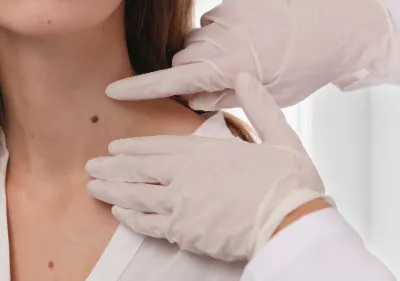
Skin tags are common, but they can still feel uncertain when they appear, especially if they seem to grow over time or appear in visible or sensitive areas. Online information often simplifies the cause or suggests quick fixes, which can add confusion rather than clarity. In clinical practice, skin tags are typically benign and straightforward, but it is still important to understand the main factors that contribute to their development.
Careful, evidence-aware understanding matters for two reasons. First, it helps you put skin tags in context, so you are not left worrying that they automatically mean something serious. Second, it supports better management decisions, including when reassurance is sufficient, when a GP consultation may be appropriate, and when removal may be appropriate for comfort or cosmetic reasons.
In this guide, you will learn what skin tags are, why friction and skin folds matter, how hormones and ageing influence timing, what the research suggests about metabolic factors such as insulin resistance, and why some people are simply more prone than others. It also covers common myths and the practical implications for assessment and treatment choices.
Our Preferred Partner - Jovena Fractional Plasma

Skin tag removal may be a straightforward procedure, but how the tissue is treated can make a meaningful difference to both outcomes and patient experience. That’s where fractional plasma technology on the Jovena device offers a more considered approach.
By delivering controlled plasma energy in precise micro-points, the treatment works within the upper layers of the skin to target the concern while leaving surrounding tissue largely unaffected. This supports a natural repair response, encouraging cleaner healing and more refined results over time.
For clinics, Jovena provides a versatile platform that extends beyond simple lesion removal into broader skin renewal and resurfacing treatments. For patients, it offers a precise, controlled option that aligns removal with overall skin quality - not just resolution of the concern.
What Skin Tags Are And Why People Ask How They Develop
Skin tags are among the most common benign skin growths in adults. Many people notice them gradually, often without symptoms, and understandably want to know why they appear and whether they signal anything more serious.
What a skin tag actually is
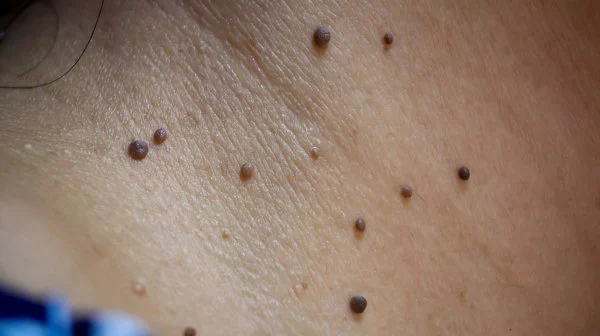
A skin tag is a small, soft growth composed of normal skin and connective tissue.
- The medical term for a skin tag is an acrochordon.
- They are non-cancerous and do not become cancerous.
- Most are flesh-coloured or slightly darker and may sit on a narrow stalk.
- They are usually painless unless irritated by friction or pressure.
Skin tags are considered normal variants of the skin rather than diseases. In typical cases, diagnosis is straightforward based on appearance alone.
Many people worry that a skin tag could be dangerous. In the absence of warning signs such as rapid change, bleeding without injury, or pain, skin tags are medically harmless.
Why development matters more than removal for understanding risk
While skin tags are often removed for comfort or cosmetic reasons, understanding how they develop can be more reassuring than focusing solely on removal.
- Development helps explain why skin tags occur in certain areas and at certain life stages.
- It clarifies why some people develop several, while others never do.
- It reduces unnecessary anxiety about underlying illness or hygiene.
Importantly, skin tags typically arise from a combination of factors rather than a single cause. This is why prevention is not always possible, even with good skin care or lifestyle changes.
People often assume skin tags mean something has gone wrong. In reality, they usually reflect normal skin behaviour influenced by friction, hormones, and individual susceptibility.
The Role Of Skin Friction And Folds
Skin friction is one of the most consistent factors associated with the development of skin tags. This helps explain why they tend to appear in predictable body sites and why they become more common as the skin changes over time.
How repeated rubbing contributes to skin tag development
Skin tags most often develop in areas where the skin regularly rubs against itself or against clothing.
- Common locations include the neck, armpits, groin, under the breasts, and around the eyelids.
- Repeated friction can lead to minor cellular irritation, promoting small overgrowths of skin tissue.
- These changes happen gradually and are not usually noticeable until a skin tag has fully formed.
Not everyone who experiences friction will develop skin tags. Friction is best understood as a contributing factor rather than a direct cause.
Clothing, jewellery, and everyday factors
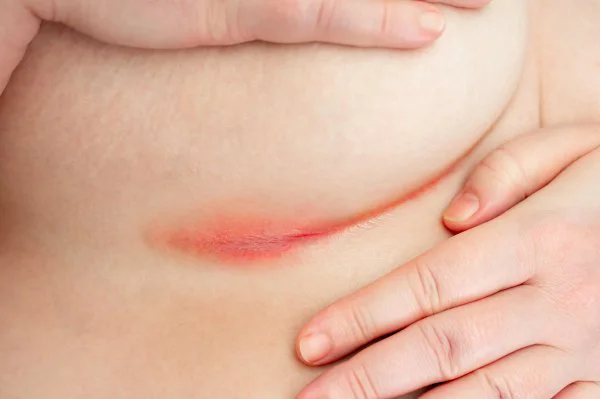
Everyday items can increase friction in areas already prone to skin tag formation.
- Tight clothing, bras, collars, and necklaces may increase rubbing in certain areas.
- Occupational factors, such as uniforms or repetitive movement, can also play a role.
- These influences do not mean a person has caused their skin tags through poor choices.
Reducing friction may help minimise irritation, but it does not guarantee that new skin tags will not form.
Skin friction helps explain where skin tags commonly develop, but it does not account for individual susceptibility. It is one part of a broader picture that includes age, hormones, and underlying skin behaviour.
Hormonal And Age-related Influences
Many people notice skin tags appearing or increasing during specific life stages. Hormonal changes and normal ageing of the skin help explain why timing often matters as much as location.
Why do skin tags become more common with age?
Skin tags are more frequently observed with increasing age, particularly from mid-adulthood onward.
- Skin gradually loses elasticity and structural resilience with age.
- Long-term friction accumulates over time, even if it is subtle.
- Changes in cell turnover and repair processes can increase the likelihood of small overgrowths.
This pattern reflects normal skin ageing rather than illness. Skin tags are not considered a sign of skin health or deterioration.
Hormonal changes, including pregnancy and menopause
Hormonal shifts can influence skin behaviour, including the development of skin tags.
- Increased levels of oestrogen and progesterone are associated with higher rates of skin tag formation.
- This is why skin tags are commonly reported during pregnancy.
- Hormonal changes around perimenopause and menopause may also play a role, although patterns vary between individuals.
In some cases, skin tags that appear during pregnancy may stabilise afterwards. Others may remain without causing problems.
Ageing skin and hormonal changes create conditions that increase the risk of skin tag formation, but they do not act alone. These influences help explain timing, not risk or severity.
Metabolic Health And Insulin Resistance
Some people notice clusters of skin tags or a gradual increase over time and wonder whether this could be linked to their general health. Research has identified an association between skin tags and certain metabolic factors, which is important to understand in context.
Understanding the association without alarm
Skin tags are more commonly seen in people with insulin resistance and related metabolic conditions.
- Insulin resistance means the body does not respond to insulin as efficiently as it should.
- It is associated with conditions such as type 2 diabetes, polycystic ovary syndrome, and metabolic syndrome.
- Skin tags are thought to develop more readily in these settings due to changes in growth signalling within the skin.
This is an association rather than a cause-and-effect relationship. Many people with skin tags have no metabolic health issues, and many people with insulin resistance never develop skin tags.
When skin tags may prompt a wider health conversation
In certain situations, skin tags may encourage a broader discussion with a healthcare professional.
- The presence of numerous skin tags, particularly if they appear rapidly.
- Skin tags are associated with other signs of insulin resistance, such as abdominal weight gain or darkened skin in body folds.
- A personal or family history of metabolic conditions.
In these cases, a GP may suggest routine health checks. This is about overall well-being rather than the skin tags themselves.
Skin tags are associated with metabolic health factors, but this association is neither universal nor diagnostic. For most people, skin tags are benign skin findings rather than medical warning signs.
Genetic And Individual Susceptibility
Even when people share similar lifestyles or health profiles, skin tag development can vary widely. This is because individual and genetic factors influence how the skin responds to friction, hormones, and metabolic changes.
Family patterns and inherited tendency
Skin tags often run in families, suggesting a genetic predisposition.
- Some individuals inherit skin characteristics that increase the risk of overgrowths.
- This can influence how skin cells respond to friction or growth signals.
- It helps explain why skin tags may appear earlier or more frequently in some individuals.
A genetic predisposition does not mean skin tags are inevitable, but it does increase susceptibility under appropriate conditions.
Why new skin tags can appear after removal
Removing a skin tag addresses the individual growth, not the underlying tendency to form them.
- New skin tags may develop in the same area or elsewhere over time.
- This is not considered a recurrence of the same lesion, but the formation of new ones.
- Areas exposed to ongoing friction are more likely to develop additional skin tags.
Understanding this helps set realistic expectations and reduces frustration after treatment.
Genetic and individual factors play a significant role in the development of skin tags and their frequency. These influences sit alongside friction, hormones, and metabolic factors rather than replacing them.
What Is Known, What Is Uncertain, And Common Myths
Clear, evidence-based information helps reduce unnecessary concern about skin tags. This section distinguishes what medicine understands well from areas that vary among individuals and addresses common misconceptions that often cause confusion.
What medicine understands well
There is a strong clinical consensus on several aspects of skin tag development.
- Skin tags are benign growths made of normal skin tissue.
- They are commonly associated with friction, skin folds, hormonal changes, ageing, and genetic susceptibility.
- They are more frequently observed in individuals with insulin resistance, although most skin tags are not associated with disease.
- Typical skin tags do not have malignant potential.
These points are well supported by dermatological research and everyday clinical practice.
What remains individual or uncertain
Some aspects of skin tag development are less predictable.
- Why do some skin tags grow larger than others?
- Why skin tags may appear suddenly after a long period without them.
- Why do some people develop many skin tags while others develop only one or two?
These variations are thought to reflect differences in skin biology rather than missed diagnoses or lifestyle errors.
Common myths clarified
Misinformation about skin tags is widespread and can unnecessarily increase anxiety.
- Skin tags are not contagious.
- They are not caused by poor hygiene.
- They are not a sign of skin cancer.
- Over-the-counter creams and home remedies lack evidence and may increase the risk of infection or scarring.
Most aspects of skin tag development are well understood, and the remaining uncertainties relate to individual variation rather than danger. Clearing myths allows people to make calmer, safer decisions about their skin.
When Development Patterns Affect Treatment Decisions
How a skin tag develops, and where it appears, can influence whether treatment is appropriate and which approach is safest. Understanding this helps people make proportionate decisions rather than rushing into removal.
Why location and cause matter for management
Not all skin tags are treated in the same way, even when they look similar.
- Skin tags in high-friction areas may be more prone to irritation or bleeding.
- Areas such as the eyelids, groin, or under the breasts require greater care due to thinner skin or higher sensitivity.
- The size of the skin tag and the width of its base can affect the suitability of removal methods.
Clinicians consider these factors to reduce the risk of scarring, infection, or incomplete removal.
Skin tone and healing considerations
Skin tone can influence healing after skin tag removal.
- People with darker skin tones may have an increased risk of temporary or permanent pigmentary changes.
- Certain removal techniques may be preferred to minimise this risk.
- Practitioner experience is especially important when treating visible or sensitive areas.
These considerations are about tailoring care, not excluding people from treatment.
Bringing It Together: A Calm, Informed Way To Think About Skin Tag Development
Skin tags can look unfamiliar or concerning when they first appear, but understanding how they develop helps place them in a clear medical context. For most people, they are normal and benign features of adult skin rather than signs of disease.
Key points to take away
Skin tag development is typically the result of multiple interacting factors rather than a single cause.
- Friction and skin folds influence the location of skin tags.
- Ageing and hormonal changes affect the timing of their development.
- Genetic tendency explains why some people are more prone than others.
- Metabolic factors may be relevant in some cases, but skin tags alone are not a diagnosis.
Taken together, these points explain why skin tags are common, varied, and often unpredictable yet generally harmless.
Deciding what to do next
For many people, no action is needed once they understand what a skin tag is and how it develops.
- Reassurance may be enough if the skin tag is not causing discomfort or concern.
- A professional assessment can be helpful if a skin tag changes, becomes irritated, or causes uncertainty.
- Removal is usually a personal choice rather than a medical necessity.
Taking time to understand development allows decisions to be made calmly, without pressure or urgency.
Your Skin Tag Removal Questions
Real Questions from Real People — Answered
Straightforward answers to the questions people like you are asking right now about Skin Tag Removal.

Be the first to ask a Skin Tag Removal question.
Click here to ask your own question.
Find A Verified Clinic
Trusted Skin Tag Removal Experts, Local to You
Easily connect with qualified, verified professionals for safe, reliable treatment.


Renew Medi Clinic
Renew Medi Clinic is a medical-led aesthetic and regenerative clinic in Brighton, offering personalised treatments focused on natural results, skin health and long-term wellbeing.

Dr Vahe Clinic
Dr Vahe Clinic is a doctor-led medical, surgical, aesthetic and longevity clinic in Chelsea, London, providing personalised, evidence-based treatments focused on safety and natural results.
To find a Skin Tag Removal clinic near you, please click here.
Grow Your Practice with Skin Tag Removal
Whether you are already using Skin Tag Removal or considering adding it to your treatment menu, here is how to make the most of it.

Are you a practitioner? If you'd like to link your practice to Skin Tag Removal and become part of ConsultingRoom.com, you can register as a verified specialist using the information on our specialist registration page.
Once verified, your profile can feature Skin Tag Removal alongside the other treatments, conditions and products you support, helping patients searching ConsultingRoom.com find you directly.