

What is the difference between LASIK, LASEK and SMILE?
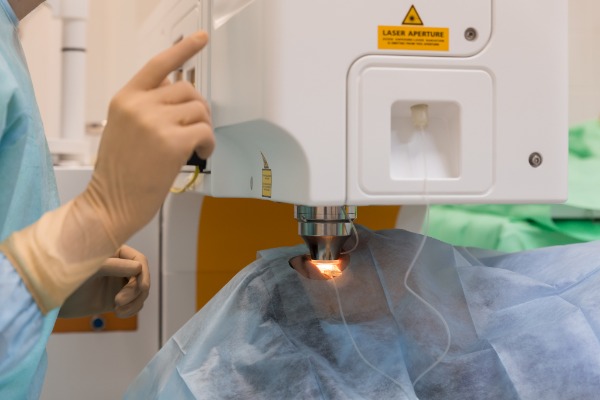
All three use laser energy to reshape the cornea and correct refractive errors, but they differ in technique. LASIK creates a thin flap in the cornea, the excimer laser reshapes the tissue beneath, and the flap is replaced — recovery is rapid, typically 24 to 48 hours. LASEK (and PRK) removes the surface layer of the cornea, reshapes it, and allows it to heal naturally — recovery takes longer but it may be more suitable for patients with thinner corneas. SMILE Pro uses a femtosecond laser to remove a small lens-shaped piece of tissue through a tiny incision without creating a flap, offering a flapless alternative with fast recovery.
Am I suitable for laser eye surgery?
Suitability depends on several factors including your prescription (type and strength), corneal thickness and shape, tear film health, pupil size in dim light, and overall eye health. Most suitable candidates are over 18 with a stable prescription for at least two years. People with very high prescriptions, thin corneas, keratoconus, severe dry eye, or certain autoimmune conditions may not be eligible. A thorough pre-operative assessment by a consultant ophthalmologist is essential and should never be skipped.
What results can I realistically expect?
Results are generally excellent for suitable candidates. Over 95% of LASIK patients achieve 20/40 vision or better — the standard required for driving without glasses. Around 90% achieve 20/20 vision or better. Patient satisfaction rates across laser procedures range from 92 to 98%. Some patients may still need glasses for certain tasks such as reading (particularly those over 40), and a small percentage require an enhancement procedure. Your surgeon should give you a realistic outcome estimate based on your specific measurements.
How much does laser eye surgery cost in the UK?
As of 2026, the approximate cost of laser eye surgery in the UK ranges from £1,500 to £3,000 per eye depending on the procedure, technology used, clinic, and location. This should include pre-operative assessment, the procedure itself, and aftercare. Be cautious of advertised prices that exclude consultation or follow-up appointments. Some clinics offer finance plans. Always obtain a written breakdown of everything included before proceeding.
Is laser eye surgery permanent?
The corneal reshaping performed during laser surgery is permanent. However, your eyes can continue to change naturally over time, particularly if you are still young when you have the procedure, and age-related changes such as presbyopia (difficulty reading up close) will still occur in your 40s. For the majority of patients the results remain stable long-term, but there is a small chance that a prescription may partially return, requiring an enhancement procedure.
What are the risks of laser eye surgery?
Laser eye surgery is one of the safest elective procedures available when performed at a reputable clinic with thorough pre-operative screening. Common temporary effects include dry eyes, glare, halos, and light sensitivity during recovery. Serious complications such as significant vision loss are rare. The key risk factors are poor patient selection (proceeding with unsuitable candidates) and inadequate surgical environment. Choosing a CQC-registered clinic with a GMC-registered consultant ophthalmologist substantially reduces risk.
How do I choose a reputable laser eye surgery clinic?
Confirm the clinic is CQC-registered and that a consultant ophthalmologist — not a technician — will personally perform your procedure and assess your suitability. Look for surgeons with Fellowship of the Royal College of Ophthalmologists (FRCOphth). A 2025 Which? investigation found one in three consultations at laser eye surgery clinics failed to meet quality standards, so it is worth comparing clinics carefully. Avoid high-pressure sales environments and any clinic that does not insist on a full pre-operative assessment before quoting a price.