

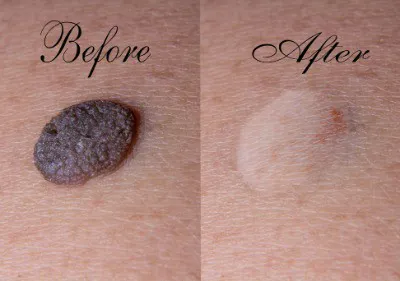
Skin tags are common, benign skin growths, but deciding what to do about them can still feel unclear. Online advice varies widely, and it is not always obvious which options are clinically appropriate, which are mainly cosmetic, and what the real risks are. That uncertainty often prompts people to seek a more grounded explanation.
A careful, informed approach is essential because even minor skin procedures can lead to avoidable complications if the wrong technique is used, the area is not properly assessed, or aftercare is overlooked. It also matters because not every raised or pigmented growth is a skin tag, and accurate identification is part of safe decision-making.
This guide covers when removal is typically considered, how professional removal methods work, and what factors influence the best choice for you (including location, skin tone, and medical history). It also explains what to expect from an appointment, common side effects, UK cost and access considerations, and how to choose an appropriate practitioner without feeling rushed.
Our Preferred Partner - Jovena Fractional Plasma
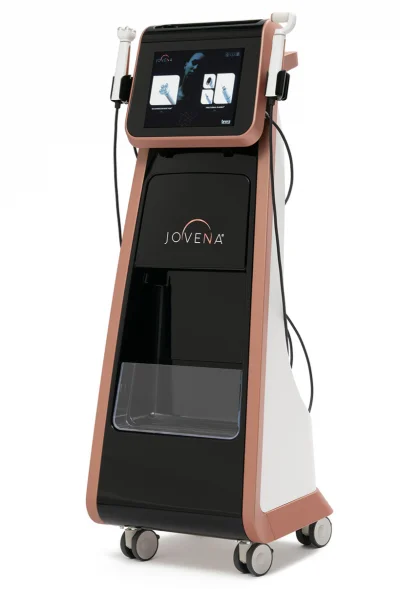
Skin tag removal may be a straightforward procedure, but how the tissue is treated can make a meaningful difference to both outcomes and patient experience. That’s where fractional plasma technology on the Jovena device offers a more considered approach.
By delivering controlled plasma energy in precise micro-points, the treatment works within the upper layers of the skin to target the concern while leaving surrounding tissue largely unaffected. This supports a natural repair response, encouraging cleaner healing and more refined results over time.
For clinics, Jovena provides a versatile platform that extends beyond simple lesion removal into broader skin renewal and resurfacing treatments. For patients, it offers a precise, controlled option that aligns removal with overall skin quality - not just resolution of the concern.
Understanding Skin Tag Removal: When And Why Treatment Is Considered
Skin tag removal refers to the deliberate removal of a benign skin growth by a trained healthcare professional. In most cases, skin tag removal is optional, based on comfort, practicality, or reassurance rather than on medical necessity.
What skin tag removal involves
Skin tag removal is a minor clinical procedure used to remove a harmless growth from the skin surface.
- Skin tags are benign and do not require treatment unless they cause symptoms or concern.
- Removal is usually quick and performed in a clinic setting using a recognised medical technique.
- The aim is to remove the skin tag safely while minimising irritation, scarring, or pigment change.
For most people, the decision to remove a skin tag is driven by a desire to reduce inconvenience or uncertainty rather than by treating the disease.
Common reasons people choose removal
People choose skin tag removal for a range of practical and personal reasons, many of which are entirely reasonable.
- Repeated irritation from clothing, jewellery, shaving, or skin folds.
- Bleeding or soreness caused by friction or catching.
- Cosmetic concerns, particularly when skin tags are visible on the face, neck, or chest.
- Preference for clarity and reassurance after professional assessment.
Removal is often considered when a skin tag interferes with daily life or causes ongoing discomfort rather than because it poses a health risk.
Understanding that skin tag removal is elective helps set realistic expectations. For most people, the decision is guided by comfort, confidence, and reassurance rather than urgency.
Professional Skin Tag Removal Methods Explained
Professional skin tag removal involves established clinical techniques to safely and accurately remove benign growths. The most appropriate method depends on the size, location, and characteristics of the skin tag, as well as individual skin considerations.
Snip excision (surgical removal)
Snip excision involves cutting the skin tag at its base using sterile surgical scissors or a blade.
- Most commonly used for larger skin tags or those with a narrow stalk.
- A local anaesthetic may be used, particularly if the skin tag is sizeable or sensitive.
- Healing is usually straightforward, with a small scab forming before the skin settles.
This method allows immediate removal and provides clear visual confirmation that the entire skin tag has been removed.
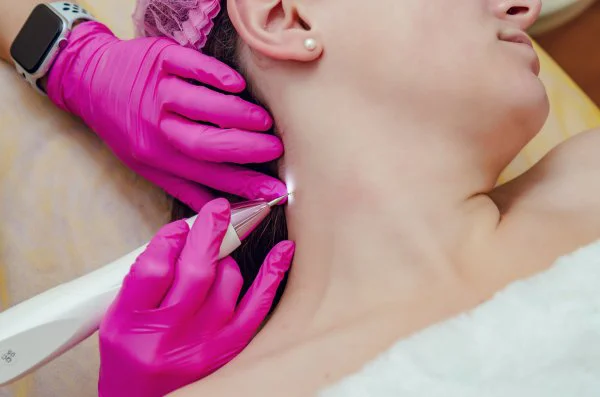
Plasma (Sublimation)
Plasma technology removes skin lesions by using a high-frequency electric current to ionise atmospheric gases, creating a precise plasma arc.
The energy causes sublimation, which instantly turns the lesion's tissue into gas without physical contact or cutting.
The thermal energy is highly localised, meaning it is confined strictly to the lesion. This limits the effect on surrounding healthy tissue.
The process cauterises the area immediately, leaving a small, dry carbon crust (scab) that protects the skin during the 5–7 day healing phase.
Plasma is used for high-precision removal in areas where protecting the integrity of the surrounding skin is a priority.
Electrosurgery
Electrosurgery uses a controlled electrical current to remove the skin tag and simultaneously seal the tissue.
- Often used for small skin tags or multiple tags in a single area.
- Helps reduce bleeding by cauterising as it removes.
- Precision makes it suitable for delicate areas when performed by an experienced practitioner.
Electrosurgery is widely used in medical and dermatology settings and is considered a standard, low-risk technique.
Cryotherapy (freezing)
Cryotherapy removes skin tags by applying liquid nitrogen to freeze the tissue.
- The cold damages the skin tag, causing it to shrink and fall away over time.
- Suitable for certain sizes and locations, but not all skin tags.
- The surrounding skin may also be affected, which may influence healing and pigmentary changes.
Cryotherapy is effective in selected cases but is not always the first choice, particularly in areas requiring precision.
Each professional removal method has specific uses and limitations. The safest and most appropriate option is determined by clinical assessment rather than preference alone.
Comparing Removal Options: What Influences The Best Choice
Choosing between skin tag removal options is rarely about finding a single best method. Instead, it involves weighing clinical factors and personal considerations to identify the safest and most appropriate approach for the individual.
Size, location, and number of skin tags
The physical characteristics of the skin tag play a central role in method selection.
- Larger skin tags or those on a narrow stalk are often better suited to snip excision.
- Smaller or multiple skin tags may be managed more efficiently with electrosurgery.
- Sensitive areas such as the eyelids, groin, or under the breasts require extra precision to minimise irritation or scarring.
Location also affects healing expectations, as areas exposed to friction or moisture may take longer to settle.
Skin tone and healing considerations
Skin tone can influence the skin's response after removal.
- People with darker skin tones may have a higher risk of temporary or permanent pigmentation changes.
- Some techniques affect the surrounding skin more than others, which may influence method choice.
- Practitioner experience is particularly important when treating skin of colour or visible areas.
These considerations are not a reason to avoid treatment, but they do support a more tailored approach.
Medical history and individual risk factors
Personal health factors are part of safe decision-making.
- Certain medications, such as blood thinners, can increase bleeding risk.
- Conditions affecting healing or immunity may influence timing or technique.
- Pregnancy or a recent skin infection may lead to postponing treatment.
Sharing relevant medical information helps ensure that removal is planned safely and appropriately.
The most suitable skin tag removal method is guided by clinical assessment rather than convenience alone. Taking individual factors into account supports safer outcomes and clearer expectations.
Why Home Skin Tag Removal Is Discouraged
Home skin tag removal is often promoted as quick or convenient, but it carries avoidable risks. From a medical perspective, professional assessment and treatment provide a safer and more reliable approach.
Common home removal methods people consider
People often encounter online advice suggesting methods to remove skin tags without clinical supervision.
- Tying off skin tags with thread or dental floss.
- Cutting skin tags with scissors or blades.
- Using over-the-counter creams, pens, or freezing devices marketed for home use.
These methods persist because skin tags are usually benign, which can create a false sense of safety around self-treatment.
Risks of DIY removal
Removing a skin tag at home increases the likelihood of complications.
- Bleeding can be difficult to control without proper equipment or technique.
- Infection risk is higher without sterile conditions.
- Scarring or pigment changes are more likely, particularly in visible areas.
- There is a risk of misidentifying a skin lesion that should not be removed at home.
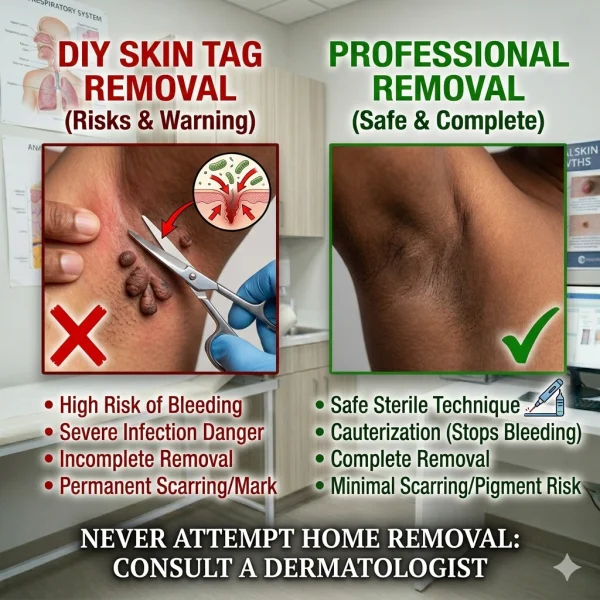
Professional assessment also ensures that removal is appropriate and that alternative diagnoses are not overlooked.
While skin tags may appear simple, home removal introduces unnecessary risk. Clinical assessment and treatment provide reassurance, accuracy, and safer outcomes.
What To Expect From Professional Skin Tag Removal
Understanding what happens before, during, and after professional skin tag removal can reduce uncertainty and help individuals decide whether the treatment is appropriate for them. The process is usually straightforward, but clear expectations matter.
Consultation and assessment
Professional skin tag removal begins with an assessment to confirm that the lesion is suitable for removal.
- The practitioner will visually examine the skin tag and the surrounding skin.
- They may ask about symptoms, changes over time, and relevant medical history.
- Treatment options, risks, and aftercare are explained prior to consent.
This step is important for reassurance and safe decision-making, even when removal is not urgent.
The procedure itself
The removal procedure is typically brief and performed in a clinical setting.
- Most appointments are brief, particularly for single or small skin tags.
- Local anaesthetic may be used depending on the method and location.
- Discomfort is usually minimal and short-lived.
The focus is on removing the skin tag cleanly while protecting the surrounding skin.
Healing, aftercare, and follow-up
After removal, the skin begins to heal immediately.
- A small scab or area of redness is common in the first few days.
- Basic aftercare advice is provided to reduce the risk of infection and support healing.
- Follow-up is not always required; however, guidance is provided on when to seek review.
Healing times vary depending on the method used, the body area treated, and individual skin response.
Understanding the consultation, procedure, and healing process helps set realistic expectations. For most people, professional skin tag removal is a minor intervention with a clear and predictable pathway.
Risks, Side Effects, And Limitations Of Removal
Skin tag removal is generally low-risk when performed by a trained professional, but it remains a clinical procedure. Understanding potential side effects and limitations supports informed, realistic decision-making.
Common and uncommon side effects
Most side effects are mild and temporary, but they vary depending on the method used and individual skin response.
- Redness, slight swelling, or scabbing at the treatment site are common in the first few days.
- Minor bleeding can occur during or shortly after removal, particularly with larger skin tags.
- Temporary changes in skin colour may develop as the area heals.
- Infection and scarring are uncommon but possible, particularly if aftercare instructions are not followed.
Practitioner technique and the selection of appropriate methods play an important role in reducing these risks.
Do skin tags come back?
Skin tags typically do not regrow after removal, but new ones may develop over time.
- Removal treats the individual skin tag, not the underlying tendency to form them.
- New skin tags are more likely to appear in areas of friction or skin folds.
- Repeat treatment is common among individuals prone to developing multiple skin tags.
This distinction helps avoid the assumption that recurrence indicates treatment failure.
Being aware of risks and limitations helps set balanced expectations. Professional removal aims to minimise complications, but it cannot prevent new skin tags from forming elsewhere.
Cost And Access To Skin Tag Removal In The UK
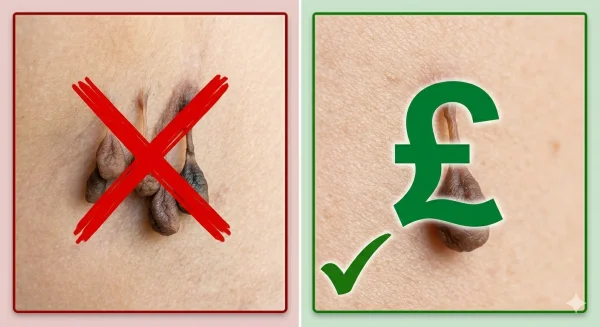
Cost and access often influence when people choose to have skin tag removal rather than whether they want it at all. Understanding how treatment is funded and priced in the UK can help set realistic expectations.
NHS vs private treatment
In the UK, skin tag removal is usually classed as a cosmetic procedure.
- The NHS does not routinely fund skin tag removal unless there is a clear medical indication.
- GPs may still assess skin lesions to confirm diagnosis or rule out other conditions.
- Referral for NHS removal is uncommon and typically limited to exceptional circumstances.
As a result, most people who choose removal do so in a private medical or aesthetic setting.
What affects private pricing
Private skin tag removal costs vary because pricing reflects clinical complexity rather than a fixed fee.
- The number of skin tags being treated in one session.
- Size and location, particularly for delicate or high-risk areas.
- The removal method used and the time required.
- Practitioner training, experience, and clinical setting.
Very low prices may indicate limited assessment or rushed treatment, which can affect safety and aftercare.
Skin tag removal in the UK is usually self-funded, with costs shaped by clinical factors rather than appearance alone. Understanding this can help people plan treatment without feeling pressured
Choosing The Right Practitioner Or Clinic
Choosing who removes a skin tag is as important as deciding whether to remove it. The right practitioner provides accurate assessment, safe technique, and appropriate aftercare, all of which influence outcomes.
Who can remove skin tags?
In the UK, skin tag removal may be provided by various healthcare professionals, depending on the setting.
- GPs may assess skin lesions and confirm whether removal is appropriate, but do not routinely offer cosmetic removal.
- Dermatologists specialise in skin diagnosis and management, particularly when diagnostic uncertainty or complexity arises.
- Medical aesthetic clinics may offer skin tag removal when led by appropriately trained healthcare professionals.
The key factor is not the setting itself, but the practitioner’s clinical training, experience, and scope of practice.
Questions to ask before treatment
Asking clear, practical questions supports informed consent and confidence.
- Who will assess and remove the skin tag, and what is their clinical background?
- Which removal method is recommended and why?
- What risks are relevant for my skin type and the location being treated?
- What aftercare is provided, and when should I seek follow-up advice?
Clear answers help ensure that treatment decisions are based on understanding rather than assumption.
A reputable practitioner prioritises diagnosis, safety, and communication. Taking time to make careful choices supports better outcomes and reassurance throughout the process.
Making An Informed Decision At Your Own Pace
Skin tag removal is rarely urgent, and for many people, the decision is as much about timing and confidence as it is about the skin tag itself. Taking a measured approach allows space to understand options without pressure.
When it may be reasonable to wait
In many cases, choosing not to remove a skin tag straight away is entirely appropriate.
- Skin tags that are stable, painless, and not catching or bleeding can often be left alone.
- Monitoring for changes in size, colour, or sensation may be indicated rather than immediate treatment.
- Some people prefer to wait until a skin tag becomes bothersome or until multiple tags can be treated together.
Waiting does not usually increase risk, provided the skin tag remains unchanged and asymptomatic.
When professional advice is sensible
There are situations in which seeking assessment is a sensible next step, even if removal is uncertain.
- Any change in colour, size, shape, or behaviour, such as bleeding or pain.
- Uncertainty about whether a growth is a skin tag or another type of lesion.
- Ongoing irritation or repeated trauma from clothing or shaving.
Professional advice can provide reassurance and clarity regarding whether removal is appropriate.
An informed decision is one made with clear information and without urgency. Skin tag removal should feel optional, considered, and guided by understanding rather than pressure.
Conclusion
Skin tag removal is typically undertaken for comfort, practicality, or peace of mind rather than medical necessity. What matters most is understanding that different techniques suit different situations, and that method selection should be guided by the size and location of the skin tag, your skin’s healing tendencies, and any relevant health factors.
Professional assessment also plays an important role, not because skin tags are typically harmful, but because accurate identification and safe technique reduce avoidable risks such as bleeding, infection, scarring, or pigment change. Home removal can seem straightforward online, yet it carries a higher chance of complications and missed diagnosis.
If you are considering treatment, it is reasonable to take your time, compare options, and consult a qualified practitioner who can confirm the nature of the growth and explain the most appropriate approach for you.
Your Skin Tag Removal Questions
Real Questions from Real People — Answered
Straightforward answers to the questions people like you are asking right now about Skin Tag Removal.

Be the first to ask a Skin Tag Removal question.
Click here to ask your own question.
Find A Verified Clinic
Trusted Skin Tag Removal Experts, Local to You
Easily connect with qualified, verified professionals for safe, reliable treatment.

Renew Medi Clinic
Renew Medi Clinic is a medical-led aesthetic and regenerative clinic in Brighton, offering personalised treatments focused on natural results, skin health and long-term wellbeing.

Dr Vahe Clinic
Dr Vahe Clinic is a doctor-led medical, surgical, aesthetic and longevity clinic in Chelsea, London, providing personalised, evidence-based treatments focused on safety and natural results.
To find a Skin Tag Removal clinic near you, please click here.
Grow Your Practice with Skin Tag Removal
Whether you are already using Skin Tag Removal or considering adding it to your treatment menu, here is how to make the most of it.

Are you a practitioner? If you'd like to link your practice to Skin Tag Removal and become part of ConsultingRoom.com, you can register as a verified specialist using the information on our specialist registration page.
Once verified, your profile can feature Skin Tag Removal alongside the other treatments, conditions and products you support, helping patients searching ConsultingRoom.com find you directly.