

Skin tag removal is often described as a quick, straightforward procedure, which can make it seem as though the choice comes down to price or the method used. In reality, the more important decision is who assesses the lesion and carries out the treatment. Most skin tags are benign; however, some skin growths can appear similar, and a responsible provider should be able to explain how they have confirmed suitability before removing anything.
This matters because the main risks are not usually dramatic; they are practical. Treating the wrong type of lesion, using an unsuitable technique for the area, or omitting proper aftercare advice can increase the risk of avoidable scarring, infection, or pigmentary change. These risks remain uncommon, but they are the reason that consultation and a clear consent process should not be treated as optional extras.
In this guide, you will learn the differences between common provider types in the UK, how regulation and accountability work, what good consultation standards look like, and which questions help you judge whether a clinic is the right fit. The aim is to support careful, informed decisions, without pressure to proceed.
Our Preferred Partner - Jovena Fractional Plasma

Skin tag removal may be a straightforward procedure, but how the tissue is treated can make a meaningful difference to both outcomes and patient experience. That’s where fractional plasma technology on the Jovena device offers a more considered approach.
By delivering controlled plasma energy in precise micro-points, the treatment works within the upper layers of the skin to target the concern while leaving surrounding tissue largely unaffected. This supports a natural repair response, encouraging cleaner healing and more refined results over time.
For clinics, Jovena provides a versatile platform that extends beyond simple lesion removal into broader skin renewal and resurfacing treatments. For patients, it offers a precise, controlled option that aligns removal with overall skin quality - not just resolution of the concern.
Why Choosing The Right Provider Matters More Than The Method
When people research skin tag removal, attention often goes straight to the method used. In practice, the safety and suitability of skin tag removal depend far more on the provider's assessment and performance of the treatment than on the technique itself.
Skin tags are usually harmless, but not always straightforward
- Most skin tags are benign and do not pose a medical risk; however, some skin growths can appear similar at a glance.
- A trained practitioner checks features such as colour, shape, base, and recent change before confirming that removal is appropriate.
- This initial assessment helps rule out lesions that should be monitored, investigated further, or referred rather than treated cosmetically.
Technique is secondary to assessment and judgement
- Methods such as snip excision, electrosurgery, or cryotherapy are well-established and generally low-risk when used correctly.
- The choice of technique depends on factors such as location, size, skin type, and bleeding risk, rather than on what is most commonly advertised.
- Good clinical judgement reduces avoidable issues such as unnecessary scarring, pigment change, or incomplete removal.
Safety is shaped by decision-making, not devices
- The same device can produce very different outcomes depending on how and when it is used.
- Provider experience influences decisions about whether to treat, how to treat, and when to advise against removal altogether.
- This is particularly relevant for sensitive areas such as eyelids, the groin, or areas prone to friction.
Skin tag removal is usually simple, but it is not purely technical. A careful assessment and measured decision-making process matter more than the specific method used.
Who Can Remove Skin Tags In The UK
In the UK, skin tag removal may be performed by various healthcare professionals. Understanding who does what clarifies where the responsibilities for assessment, diagnosis, and treatment lie.

GPs and NHS services
- General Practitioners are often the first point of contact for new or changing skin lesions. Their role is assessment and reassurance, not routine removal.
- Skin tag removal is usually classed as cosmetic by the NHS and is not typically funded unless there is a clear medical reason, such as repeated bleeding or diagnostic uncertainty.
- GPs may refer to secondary care if a lesion is atypical or if further investigation is needed.
Dermatologists
- Dermatologists are doctors with specialist training in skin conditions, including benign and malignant lesions.
- Referral to a dermatologist is appropriate when the diagnosis is uncertain, lesions are atypical, or multiple risk factors are present.
- Many dermatologists work in both NHS and private settings, adhering to professional standards set by bodies such as the British Association of Dermatologists.
Medical aesthetic clinics
- Medical aesthetic clinics commonly offer private skin tag removal for lesions that have already been assessed as benign.
- Clinics may be led by doctors, nurses, or other healthcare professionals with additional training in skin procedures.
- The key distinction is not the setting, but whether the practitioner has appropriate training in skin lesion assessment and works within clear clinical governance.
Understanding professional roles and limits
- Doctors are regulated by the General Medical Council, while nurses are regulated by the Nursing and Midwifery Council.
- Regulation defines the scope of practice, accountability, and standards of care, but does not guarantee equal experience with skin lesions.
- This means that two regulated professionals may have markedly different levels of confidence and competence in assessing and removing skin tags.
Several types of practitioners can be involved in skin tag care, but their roles differ. Knowing who assesses, who treats, and who refers helps set realistic expectations before booking an appointment.
Regulation, Registration, And Accountability
When choosing a skin tag removal provider, regulation and accountability matter because they define who is responsible if something goes wrong. In the UK, both individual practitioners and clinics operate within formal oversight frameworks.
Medical registration and professional oversight
- Doctors must be registered with the General Medical Council, which sets standards for training, ethics, and patient safety.
- Nurses are regulated by the Nursing and Midwifery Council, with similar expectations around competence and professional conduct.
- Registration allows patients to verify a practitioner’s status and provides a clear route for concerns or complaints if care falls below standard.
Clinic regulation and inspection
- Many clinics offering skin tag removal are regulated by the Care Quality Commission.
- CQC registration indicates that a clinic meets the baseline standards for safety, cleanliness, record-keeping, and governance.
- Not all aesthetic settings require CQC registration, so it is reasonable to ask whether a clinic is regulated and what oversight applies.
Why regulation does not replace experience
- Regulation establishes minimum standards but does not quantify the frequency with which practitioners perform skin lesion assessments or removals.
- A regulated professional may still have limited hands-on experience with skin tags, while another may have extensive routine exposure to them.
- This is why regulation should be seen as a foundation, not the sole indicator of suitability.
Regulation provides reassurance regarding safety and accountability, but it is most effective when combined with relevant experience and clear clinical processes.
Experience, Training, And Judgement
Beyond regulation, the quality of skin tag removal is shaped by a practitioner’s experience and training. These factors influence not only how a procedure is performed but also whether it should be performed at all.

Why skin lesion experience matters
- Practitioners who regularly assess skin lesions are more familiar with the subtle differences between common skin tags and other growths.
- Routine exposure facilitates faster, more confident decision-making regarding suitability, referral, or reassurance.
- This experience is particularly important when lesions are in sensitive areas or when there is any uncertainty about diagnosis.
Training specific to skin lesions
- Formal medical or nursing training provides a foundation, but skin lesion work often requires additional, focused education.
- Relevant training may include supervised lesion assessment, procedural skills, and recognition of red flags that require referral.
- Ongoing professional development helps practitioners stay aligned with current clinical guidance and best practice.
Judgement over routine treatment
- Experience supports judgment about when not to treat, which is as important as knowing how to remove a skin tag.
- This includes advising against removal when location, healing risk, skin type, or uncertainty about the lesion are present.
- Measured judgement reduces the likelihood of unnecessary procedures and avoidable complications.
Experience and training work together to support safe, appropriate care. They influence assessment quality, treatment choice, and confidence in recommending alternatives when removal is not the best option.
What A Good Consultation Should Include
A proper consultation is a core part of safe skin tag removal. It ensures the decision to treat is based on clinical assessment rather than convenience or assumption.
Assessment before any decision
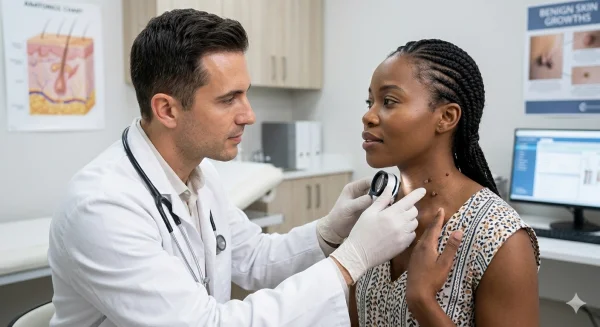
- A consultation should begin with a clear assessment of the lesion, including its appearance, location, size, and any recent changes.
- The practitioner may ask about symptoms such as bleeding, irritation, or rapid growth, as well as relevant medical history.
- This step confirms whether the lesion is suitable for cosmetic removal or whether monitoring or referral is more appropriate.
Discussion of suitability and options
- Once a skin tag is confirmed as benign, the practitioner should explain whether removal is appropriate and why.
- Various options may be outlined, including doing nothing, particularly if the lesion is not causing physical or functional issues.
- If removal is discussed, the rationale for a particular technique should be explained in simple terms.
Consent, risks, and expectations
- A good consultation includes a balanced explanation of risks such as bleeding, scarring, or pigment change, particularly in areas prone to friction or in darker skin tones.
- Healing time and aftercare requirements should be outlined to ensure realistic expectations.
- Consent should feel informed and unpressured, with time to ask questions before proceeding.
A structured consultation protects both patient and practitioner. It supports accurate diagnosis, appropriate treatment choices, and clear expectations around outcomes and aftercare.
Asking The Right Questions Without Feeling Awkward
Many people worry about sounding difficult or uninformed when asking questions about skin tag removal. In reality, clear questions support safer care and help confirm whether a provider is right for you.
Questions about diagnosis and suitability
- It is reasonable to ask how the practitioner confirmed that the lesion is a skin tag rather than another type of skin growth.
- Asking whether removal is optional or advisable helps clarify whether treatment is based on need rather than routine.
- Simple questions, such as what would prompt them to recommend referral rather than removal, can reveal how carefully decisions are made.
Questions about the procedure itself
- Patients may wish to ask which method is recommended and why it is appropriate for their specific lesion and skin type.
- Clarifying whether a local anaesthetic is used and how discomfort is managed supports informed consent.
- Asking how often the practitioner performs this type of procedure provides context about experience without being confrontational.
Questions about aftercare and follow-up
- It is appropriate to ask what normal healing looks like and when to seek advice if something changes.
- Clarifying whether follow-up is included or available helps set expectations beyond the appointment itself.
- Questions about scarring or pigment change should be answered openly and without minimisation.
Asking clear, practical questions is part of shared decision-making. A provider who welcomes questions is typically one who operates within a transparent, patient-focused process.
Cost, Value, And Avoiding False Economy
Cost often plays a role when choosing a skin tag removal provider, particularly in private settings. Understanding what pricing reflects helps separate reasonable variation from potential compromise.
Why prices vary
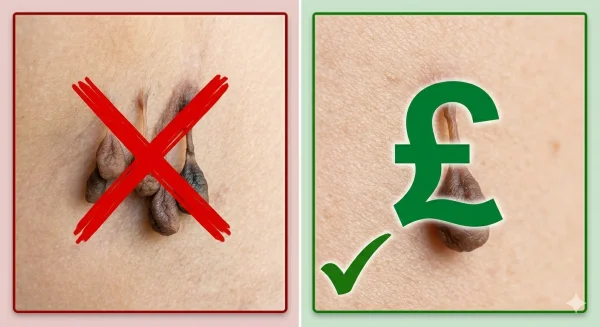
- Fees usually reflect more than the physical removal of a skin tag, including consultation time, assessment, clinical setting, and practitioner expertise.
- Clinics that include proper assessment, consent, sterile technique, and aftercare support may charge more than those offering brief, procedure-only appointments.
- Location, professional background, and regulatory requirements can also influence pricing.
What is typically included in a responsible fee
- An initial consultation and lesion assessment before treatment.
- Clear explanation of risks, healing expectations, and aftercare advice.
- Appropriate clinical facilities and infection control measures.
- Access to follow-up advice if healing does not progress as expected.
Being cautious of very low-cost offers
- Very low prices may indicate limited consultation time, minimal assessment, or high-throughput treatment models.
- While low cost does not automatically mean poor care, it is reasonable to ask what is included and whether assessment is separate from treatment.
- Avoiding false economy means weighing cost against safety, judgment, and support rather than focusing on price alone.
Price should be viewed in context. For skin tag removal, value lies in careful assessment, appropriate decision-making, and clear aftercare, not simply the lowest fee.
Making A Decision At Your Own Pace
Skin tag removal is rarely urgent. Having the space to make decisions calmly is part of responsible care and helps ensure that any choice feels considered rather than rushed.
When waiting is reasonable
- Many skin tags remain stable over time and do not require treatment unless they cause physical discomfort, irritation, or practical issues.
- Monitoring a lesion is often appropriate when there is no change in size, colour, or symptoms.
- Choosing not to proceed immediately does not preclude options later and may be a sensible decision for cautious, research-led patients.
Seeking another opinion can be helpful
- A second opinion may be useful if there is uncertainty about diagnosis, suitability for removal, or the recommended approach.
- This can provide reassurance, particularly for lesions in sensitive areas or where cosmetic outcome is a concern.
- Seeking another view should feel like part of informed decision-making, not a challenge to professional advice.
Moving forward with confidence
- A clear explanation, transparent discussion of risks, and time to reflect are signs of good clinical practice.
- The right provider will support your decision whether you choose to proceed, delay, or explore alternatives.
- Confidence often comes from understanding your options rather than from making a quick choice.
Taking time to decide is entirely appropriate when removing skin tags. A measured approach supports better understanding, realistic expectations, and confidence in whatever next step you choose.
Conclusion
Choosing a provider for skin tag removal is less about selecting a particular method and more about ensuring that the person assessing and treating you works safely, transparently, and within an appropriate clinical framework. The most reliable starting point is a proper assessment, especially if a lesion is new, changing, or in a sensitive area, as this helps confirm that removal is appropriate and avoids treating something that requires further evaluation.
Regulation and registration offer reassurance around accountability, but they are only one part of the picture. Experience with skin lesions, clear consent processes, and realistic discussions of risks, such as scarring or pigment changes, turn a straightforward procedure into responsible care.
If you are unsure, it is reasonable to take your time, ask direct questions, or seek a second opinion. A consultation with a suitably qualified practitioner can be a helpful next step, even if your aim is simply to clarify options and decide at your own pace.
Your Skin Tag Removal Questions
Real Questions from Real People — Answered
Straightforward answers to the questions people like you are asking right now about Skin Tag Removal.

Be the first to ask a Skin Tag Removal question.
Click here to ask your own question.
Find A Verified Clinic
Trusted Skin Tag Removal Experts, Local to You
Easily connect with qualified, verified professionals for safe, reliable treatment.

Renew Medi Clinic
Renew Medi Clinic is a medical-led aesthetic and regenerative clinic in Brighton, offering personalised treatments focused on natural results, skin health and long-term wellbeing.

Dr Vahe Clinic
Dr Vahe Clinic is a doctor-led medical, surgical, aesthetic and longevity clinic in Chelsea, London, providing personalised, evidence-based treatments focused on safety and natural results.
To find a Skin Tag Removal clinic near you, please click here.
Grow Your Practice with Skin Tag Removal
Whether you are already using Skin Tag Removal or considering adding it to your treatment menu, here is how to make the most of it.

Are you a practitioner? If you'd like to link your practice to Skin Tag Removal and become part of ConsultingRoom.com, you can register as a verified specialist using the information on our specialist registration page.
Once verified, your profile can feature Skin Tag Removal alongside the other treatments, conditions and products you support, helping patients searching ConsultingRoom.com find you directly.