
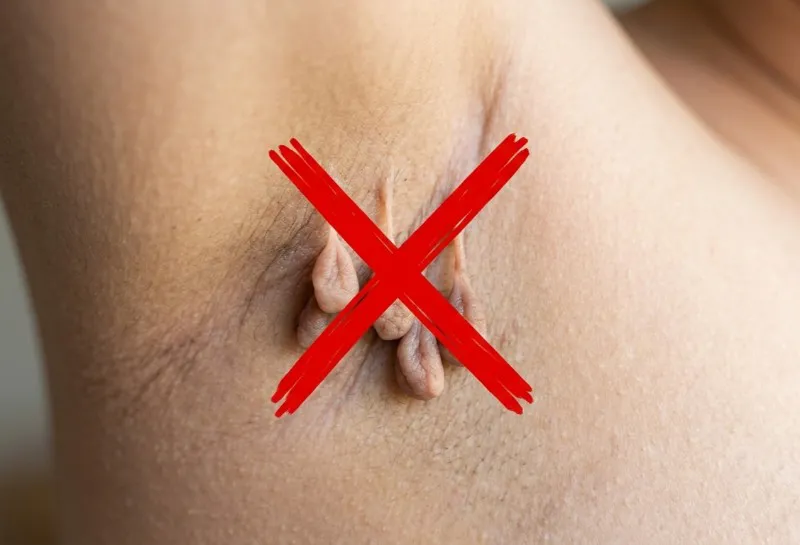


Skin tags are one of the most common skin concerns that prompts patients to search online before deciding whether to book a consultation. They are also one of the most misunderstood. Patients arrive unsure whether what they have noticed is actually a skin tag, whether removal is medically necessary, or whether they should be concerned at all. Many have already tried home remedies or dismissed the concern entirely because they could not find reliable, balanced guidance.
That uncertainty is where patient education matters most. Clinics that help patients understand skin tags before the consultation build more productive appointments, clearer consent conversations, and better outcomes for everyone involved.
To support you with this, we have now published a comprehensive Skin Tag Removal FAQ on ConsultingRoom.com. This is not a brief overview of a minor procedure. It is a structured, condition-level resource covering what skin tags are, how they develop, how to distinguish them from other skin lesions, removal options, UK costs, healing and risks, and specific guidance around skin of colour. It is written in clear, consumer-friendly language and designed to work directly with your clinic profile on our platform.
You can view the condition page here: The Ultimate Guide to Skin Tag Removal
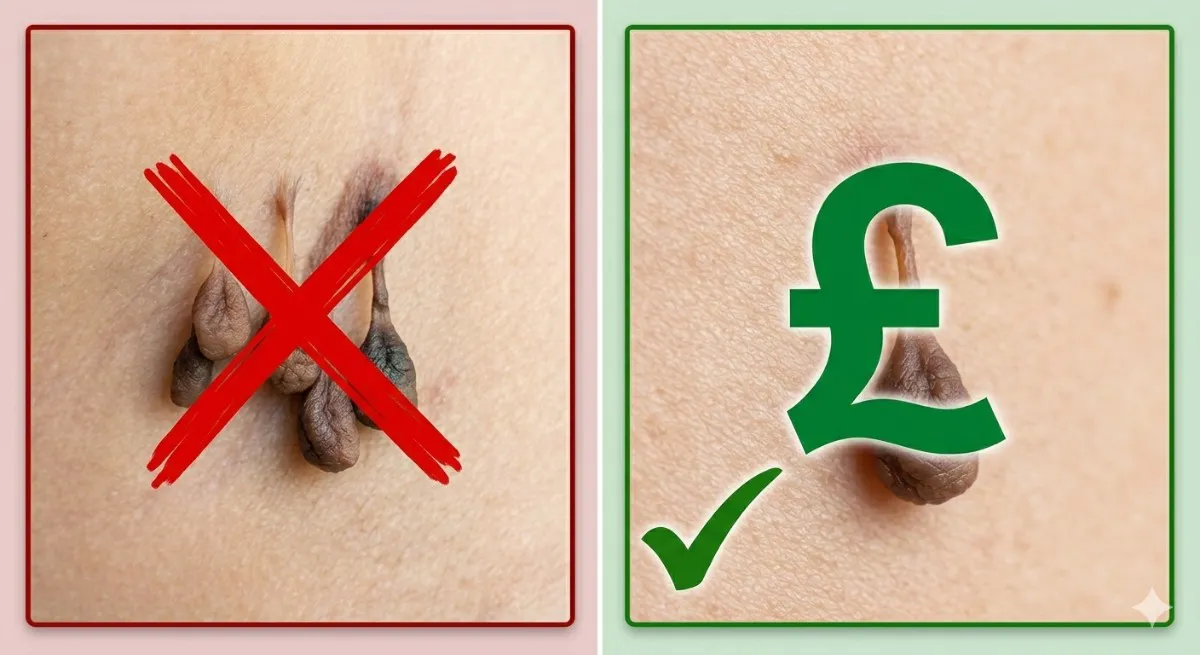 Skin Tag Image 1
The FAQ covers the full range of questions patients are actively searching for, including identification, causes, the role of friction and hormones, removal methods such as snip excision, electrosurgery, and cryotherapy, aftercare expectations, and how UK pricing is typically structured. Each section is written to reduce uncertainty and support confident, informed decision-making at the point of enquiry.
If you are already offering skin tag removal, you can link to this new FAQ from within your ConsultingRoom control panel. Once linked, your clinic will automatically appear in the UK-wide Skin Tag Removal condition search, making it easier for actively researching patients to find you when they are comparing providers.
Rather than creating or maintaining this content independently, you can connect your profile to a trusted, centralised resource while increasing your visibility to patients who are already at the research stage.
Why Skin Tag Removal Is Worth Prioritising as a Core Offering
Skin tag removal may not always be the headline treatment in a clinic's portfolio, but it performs consistently and generates reliable enquiries year-round. Patients with skin tags are motivated, often embarrassed, and frequently frustrated by limited NHS access. They are actively looking for professional solutions, and they tend to be highly convertible once they find a clinic they trust.
What also makes skin tag removal valuable is its role as an entry point. For many patients, a skin tag removal appointment is their first clinical aesthetic treatment. The experience they have, how thorough the assessment is, how comfortable the procedure feels, and how well the aftercare is explained, will shape whether they return for further treatments and whether they recommend your clinic to others.
Clinics that handle skin tag removal well, and present it clearly in their offering, are not just filling appointment slots. They are beginning patient relationships.
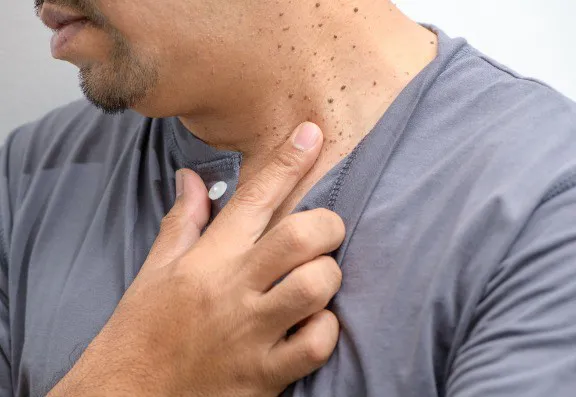
Not Yet Using Fractional Plasma Technology for Skin Tag Removal? It May Be Worth Considering
If your clinic offers skin tag removal but is not yet using fractional plasma technology, this is a good moment to review your approach.
Traditional removal methods such as cryotherapy, surgical snip, or standard electrosurgery remain effective and widely used. However, patient expectations around precision, recovery time, and cosmetic finish are increasing, and the way tissue is treated can make a meaningful difference to both outcomes and patient experience.
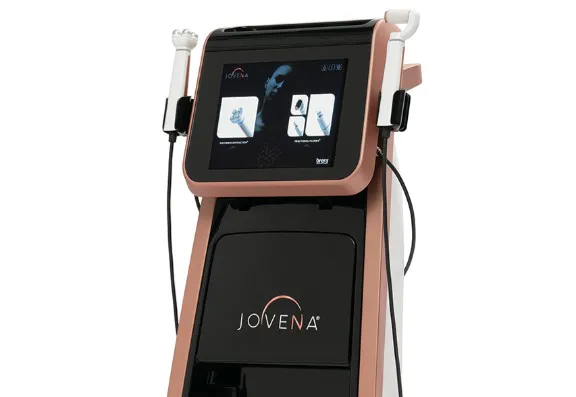
This is where the Jovena Fractional Plasma device offers a more considered approach.
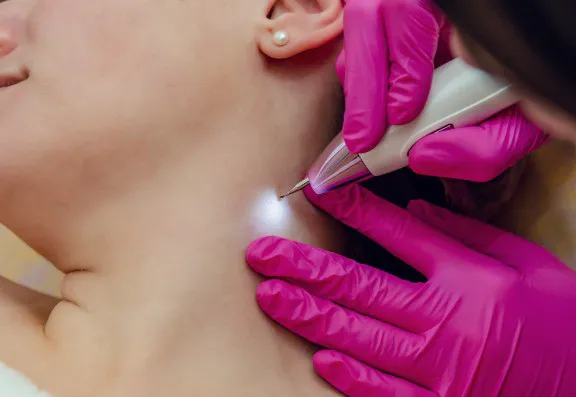
By delivering controlled plasma energy in precise micro-points, the Jovena works within the upper layers of the skin to address the concern while leaving surrounding tissue largely unaffected. This supports a natural repair response, encourages cleaner healing, and tends to produce more refined results over time, particularly for patients concerned about scarring or pigmentation change.
Clinics using Jovena commonly apply it across:
- Skin tag and benign lesion removal, including blemishes, milia, and seborrhoeic keratoses
- Skin resurfacing and rejuvenation, extending its clinical value beyond single-lesion treatments
- Patients with sensitivity or pigmentation concerns, where precision and controlled tissue impact matter most
The platform is versatile, integrating naturally into existing treatment menus without adding unnecessary complexity. For practices looking to strengthen their skin tag removal offering with technology that delivers consistent results and supports a strong patient experience, Jovena provides a clinically sound and commercially practical option.
For more information, Click Here.

If you already offer skin tag removal, take a few minutes this week to log into your ConsultingRoom control panel and link your clinic to the Skin Tag Removal condition category.
Once linked, your clinic will automatically appear in the UK-wide Skin Tag Removal search, placing you in front of patients who are actively researching providers right now. It is a simple action, but it directly improves your visibility within a consistently searched condition category on the platform.
If you are not currently using Jovena Fractional Plasma, or you are looking to raise the standard of your skin tag removal outcomes with more precise technology, we recommend reviewing the dedicated information page:
This page outlines:
- How fractional plasma technology works and where it fits within a skin tag and lesion removal offering
- Why clinics are moving towards more precise, tissue-respecting approaches for benign lesion treatment
- How to request further information, training details, and next steps without obligation
Skin tag removal is not a niche or seasonal concern. It is a steady, in-demand service that sits at the accessible end of clinical aesthetics, and it is one that patients remember. Clinics that combine a professional approach with the right technology and a strong online presence are well placed to meet that demand with credibility and confidence.
Take a few minutes to link your profile and explore whether Jovena could raise the standard of your skin tag removal outcomes.

A Thank You to Our Expert Adviser
The skin tag removal condition guide was reviewed by Jemma Bamford, founder of The Skin Practice Lisburn, a specialist in Lesion Removal and Advanced Dermal Revision based in Lisburn, Northern Ireland.
Practising since 2017 and having supported thousands of skin patients, Jemma is a leading authority in Northern Ireland for the non-medical management of skin tags, milia, and benign lesions. Her input has been invaluable in shaping a guide that is accurate, clinically grounded, and genuinely useful for patients navigating their options.
We are grateful for her time, expertise, and commitment to raising the standard of patient education in this area. If you are based in Northern Ireland and looking for a specialist in lesion removal, Jemma's clinic is well worth exploring.