


Polynucleotides are part of a growing category of injectable treatments that focus on skin quality rather than shape or volume. They are often mentioned alongside terms such as biostimulation, regeneration, or dermal repair, which can make them sound complex or interchangeable with other treatments. In reality, polynucleotides have a specific role, a distinct mechanism of action, and a particular place within clinical skin health planning.
For many people researching aesthetic treatments, confusion arises from overlapping language. Treatments that hydrate, stimulate collagen, or support repair are frequently grouped together, even though they work in different ways and suit different skin concerns. Polynucleotides are not fillers and do not aim to change facial structure. They are also not simply hydration injections. Understanding these distinctions matters, particularly for those with delicate skin, early signs of ageing, or a preference for gradual, regenerative approaches.
This guide explains what polynucleotides are, how they work within the skin, and how they are used in UK aesthetic practice. It also explores suitability, safety considerations, treatment planning, and how polynucleotides compare with other commonly discussed skin boosters. The aim is to support informed decision-making, not to suggest that one treatment is right for everyone.
Our Preferred Partner - Plinest®
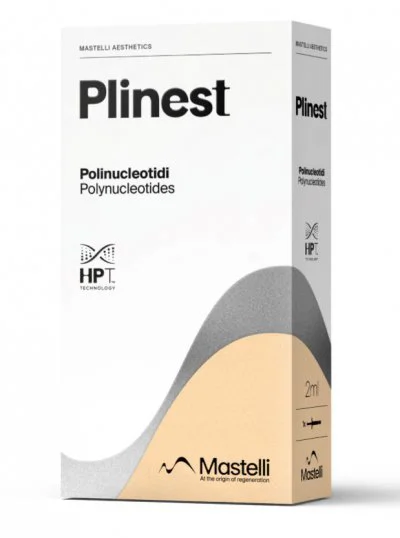
There are several polynucleotide treatments available in the UK, each with slightly different formulations and clinical uses. At ConsultingRoom, we work closely with DermaFocus and recommend Plinest® as a leading example of this treatment category. Plinest® uses highly purified polynucleotides designed to support your skin’s natural repair processes, improve hydration, and enhance overall skin quality rather than add volume. It is widely used by experienced practitioners across the UK and can be tailored for different areas, including the face and under-eye region. If you would like to see how polynucleotides translate into a specific, real-world treatment, you can explore Plinest® here:
Your Polynucleotides Questions
Real Questions from Real People - Answered
Straightforward answers to the questions people like you are asking right now about Polynucleotides.

Be the first to ask a Polynucleotides question.
Click here to ask your own question.
Find A Verified Clinic
Trusted Polynucleotides Experts, Local to You
Easily connect with qualified, verified professionals for safe, reliable treatment.


Angela Lord Aesthetics and Wellness
Welcome to Angela Lord Aesthetics & Wellness, my private, registered home clinic in Preston, Paignton. Serving Torbay, Marldon and wider Devon, and national.



Renew Medi Clinic
Renew Medi Clinic is a medical-led aesthetic and regenerative clinic in Brighton, offering personalised treatments focused on natural results, skin health and long-term wellbeing.


 +3 more
To find a Polynucleotides clinic near you, please click here.
Polynucleotides Products
Explore the Polynucleotides Brands We Trust
Discover the leading products used by professionals, all in one place.

What Are Polynucleotides?
Polynucleotides are highly purified DNA fragments used in aesthetic medicine to support skin repair, regeneration and long-term skin quality improvement.
Rather than adding volume or altering facial structure, polynucleotides work by stimulating the skin’s own biological repair processes.
Polynucleotides are typically sourced from salmon or trout bred for human consumption, using ethical extraction and advanced purification techniques that remove proteins and impurities. This results in a biocompatible product with a strong safety profile.
You may see the terms PN, PDRN, or PN-HPT® used when discussing DNA-based regenerative treatments, but they are not interchangeable.
- PDRN (Polydeoxyribonucleotide) refers to shorter DNA fragments, historically used in wound healing and medical regeneration.
- Polynucleotides (PN) used in aesthetic medicine are longer DNA chains with higher molecular weight, designed to provide structural support, hydration and prolonged biostimulation within the dermis.
- PN-HPT® (High Purification Technology) describes a patented purification process that produces ultra-pure polynucleotides by removing proteins and impurities, improving biocompatibility and safety for injectable use.
Importantly, polynucleotides are biostimulators, not fillers. They do not create volume or contour, but instead improve hydration, elasticity and skin resilience from within.
The Science Behind Polynucleotides
Once injected, polynucleotides interact with skin cells to support their natural repair processes.

They provide essential building blocks that help fibroblasts – the cells responsible for collagen, elastin and skin structure – function more effectively, leading to stronger, healthier skin over time.
Research shows polynucleotides can:
- Reduce oxidative stress within the dermis
- Increase fibroblast activity
- Support new collagen and elastin formation
- Improve measurable skin parameters such as hydration, elasticity and radiance
Clinical studies consistently demonstrate visible improvements in skin quality without creating an artificial or overfilled appearance.
How Do Polynucleotides Work?
Polynucleotides work by supporting the skin’s natural regenerative processes at a cellular level.
Once injected into the dermis, they help optimise the activity of fibroblasts – the cells responsible for producing collagen, elastin and the structural components that keep skin firm, hydrated and resilient.
Rather than creating volume or altering facial shape, polynucleotides improve skin quality from within. They encourage gradual repair and renewal of the dermal environment, leading to smoother texture, improved elasticity and a healthier overall appearance.
This mechanism differs from other injectable treatments. Hyaluronic acid skin boosters primarily provide hydration, while PRP relies on growth factors derived from the patient’s own blood. Polynucleotides act directly within the tissue to support regeneration and long-term skin health.
Improvements develop progressively, with results building over a course of treatment. Many patients notice visible improvements in skin texture, hydration and firmness over 3-8 weeks as collagen production increases. Outcomes are natural-looking and cumulative, making polynucleotides well suited to patients seeking subtle, regenerative skin improvement rather than immediate cosmetic change.
Who Can Polynucleotides Treat?
Polynucleotide treatments are suitable for patients looking to improve overall skin quality rather than add volume or alter facial structure.
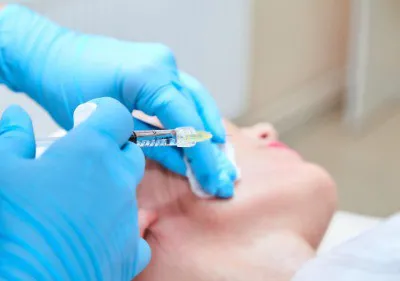
They are commonly used to address early signs of ageing, skin stress and loss of resilience.
Common indications include:
- Dehydrated or chronically dry skin
- Dull or tired-looking complexion
- Fine lines and early skin ageing
- Uneven skin texture or reduced elasticity
Because polynucleotides support regeneration rather than expansion, they are particularly well suited to thin or delicate skin, including:
- Under-eye area
- Neck and décolletage
They may also be used in other clinical contexts, such as:
- Scalp treatments to support hair and scalp quality
- Scars and stretch marks
- Skin recovery following laser or energy-based procedures
Treatment can be tailored across different age groups and skin types, and polynucleotides are suitable for all Fitzpatrick skin tones when delivered by a trained medical professional following appropriate assessment.
The Polynucleotide Treatment Options
Polynucleotide treatments are available in a range of formulations, allowing practitioners to tailor treatment to individual skin concerns, treatment areas and patient goals.

Formulation options may include:
- Polynucleotides alone, focused on regeneration, tissue quality and skin resilience
- Polynucleotides combined with hyaluronic acid, offering regenerative support alongside additional hydration
Several established polynucleotide brands are used in UK aesthetic practice, including Plinest® and Newest®, which are CE-marked medical devices manufactured using PN-HPT® (High Purification Technology).
These products are produced under approved quality-control systems designed to ensure consistency, sterility and patient safety. Patients are encouraged to ask their practitioner which product is being used and to confirm that it meets recognised regulatory and manufacturing standards.
These treatments are commonly used across multiple areas of the face and body, including:
- Face
- Neck and décolletage
- Hands
- Scalp
- Selected body areas
As with any injectable treatment, product choice should be based on a full clinical assessment and delivered by a trained medical professional using appropriately regulated products sourced from reputable manufacturers.
The injection technique varies depending on the treatment area and indication. Common approaches include micro-droplet placement for superficial skin quality, linear threading for broader tissue support, and cannula techniques in selected areas where appropriate.
Comparing Polynucleotides To Other Skin Boosters
While many injectable treatments are described as “skin boosters,” they differ significantly in how they work and the results they produce.
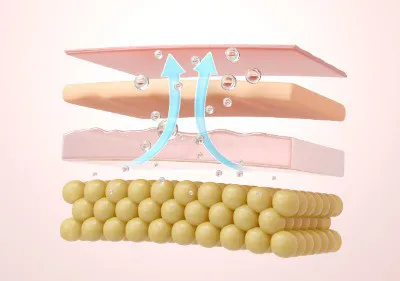
Some focus primarily on hydration, others on short-term skin plumpness, and others on supporting longer-term skin regeneration.
The table below outlines the key differences between polynucleotides and other commonly used injectable skin treatments. It is designed to help patients understand how these options compare, particularly when researching what may be considered the best skin booster UK for their individual skin concerns and goals.
Importantly, these treatments are not mutually exclusive. In clinical practice, polynucleotides are often used alongside other injectables as part of a structured skin health plan. Your practitioner will advise on the most appropriate treatment or combination based on your skin condition, medical history and desired outcome.
|
Feature |
Polynucleotides (PN) |
Hyaluronic Acid Skin Boosters |
PRP (Platelet-Rich Plasma) |
Hybrid HA Biostimulators |
|
Primary function |
Supports skin regeneration and tissue quality |
Hydrates and improves skin plumpness |
Delivers growth factors from patient’s own blood |
Hydration with mild stimulation |
|
Mechanism of action |
Optimises fibroblast activity and dermal repair |
Attracts and retains water in the skin |
Stimulates repair via platelet-derived growth factors |
Combines HA hydration with limited biostimulation |
|
Effect on collagen |
Encourages collagen and elastin production |
Minimal direct collagen stimulation |
Variable collagen response |
Mild collagen stimulation |
|
Onset of results |
Gradual (weeks) |
Relatively quick (days) |
Gradual and variable |
Moderate |
|
Longevity of results |
~6-9 months (with course) |
~3-6 months |
Variable between individuals |
~4-6 months |
|
Skin thickness suitability |
Suitable for thin and delicate skin |
Less suitable for very thin areas |
Depends on technique |
Area-dependent |
|
Volume effect |
None |
Mild plumping |
None |
Mild |
|
Downtime |
Minimal |
Minimal |
Minimal to moderate (blood draw) |
Minimal |
|
Best for |
Long-term skin quality and resilience |
Hydration and short-term glow |
Patients preferring autologous treatments |
Maintenance and combination plans |
Choosing the right skin booster is not about finding a single “best” treatment, but about selecting the right treatment for your skin at the right time. Polynucleotides are often preferred when the priority is improving skin quality, resilience and collagen support, particularly in delicate areas or as part of a longer-term regenerative strategy.
Combination Therapies And Dermal Priming
Polynucleotides are increasingly used as part of combination treatment plans, particularly where the aim is to improve overall skin health before or alongside other aesthetic procedures.

This approach is often referred to as dermal priming.
Dermal priming focuses on optimising skin quality, hydration and tissue resilience before treatments such as fillers, lasers or energy-based devices. By improving the condition of the dermal environment, polynucleotides may help support treatment tolerance and contribute to more consistent outcomes.
Clinical consensus supports the use of a polynucleotide priming protocol both before and after a range of procedures. When used ahead of treatment, they can help prepare the skin by supporting cellular function and hydration. When used post-procedure, they may assist with recovery and ongoing tissue repair.
Polynucleotides are commonly combined with:
- Microneedling
- Radiofrequency-based treatments
- Laser procedures, including CO2
- Selected injectable treatments
Treatment timing is carefully planned to avoid overlap and ensure each modality can work effectively. Your practitioner will advise on appropriate spacing and sequencing based on your skin condition and overall treatment plan.
Used in this way, polynucleotides form part of a structured, regenerative approach to skin health rather than a standalone cosmetic treatment.
Who Should You Go To For Polynucleotide Treatment?
Polynucleotide injections should only be performed by a trained medical professional with appropriate qualifications and experience in injectable treatments.

This typically includes doctors, nurses, dentists or prescribing pharmacists working within a regulated clinical setting.
Before proceeding with treatment, a full consultation should be carried out to assess your skin concerns, medical history and suitability. Your practitioner should be able to clearly explain the product being used, the treatment plan and what results to expect.
When choosing a clinic or practitioner, it is sensible to check that:
- The practitioner is medically qualified and appropriately trained in injectable treatments
- CE-marked, regulated products from reputable manufacturers are being used
- The clinic follows UK regulatory guidance and professional standards
- Clear aftercare advice and follow-up support are provided
Patients should be cautious of heavily discounted treatments or providers who are unable to confirm product origin, training credentials or safety standards. Injectable treatments carried out outside of a medical framework may increase the risk of complications and poor outcomes.
Choosing an experienced, properly trained practitioner helps ensure that polynucleotide treatments are delivered safely, ethically and with appropriate clinical oversight.
The Treatment Process
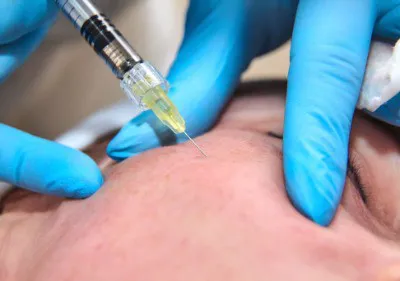
Polynucleotide treatment begins with a medical consultation to assess your skin concerns, medical history and suitability for treatment.
Before treatment:
- Full skin assessment and discussion of treatment goals
- Explanation of the product being used and expected outcomes
- Opportunity to ask questions and give informed consent
On the day of treatment:
- Skin is cleansed and prepared
- Topical anaesthetic cream may be applied for comfort
- Polynucleotides are injected into the dermis using a fine needle or cannula
- Treatment typically takes 30-45 minutes
Immediately after treatment:
- Mild redness, swelling or small injection marks may be visible
- These effects usually settle within 24-48 hours
- Most patients can return to normal daily activities the same day
Treatment course and timing:
- Usually delivered as a course of 3-4 sessions
- Sessions spaced 3-4 weeks apart
- Improvements build gradually over the following weeks
Many patients notice early improvements in hydration and skin texture, with more visible changes developing as collagen production increases over time.
Polynucleotide Before And After Results
Polynucleotide treatments deliver gradual, natural-looking improvements in skin quality rather than immediate cosmetic change.

Results develop progressively as the skin responds to treatment and regenerative processes are supported.
Typical timeline of results:
- Around 2 weeks: improved hydration and skin comfort
- Around 4 weeks: smoother texture and increased radiance
- Around 8 weeks: visible improvements in elasticity, firmness and overall skin quality
As collagen and elastin production continue to be stimulated, results may continue to improve over the following months, particularly after completion of a full treatment course.
Commonly reported outcomes include:
- More hydrated, supple skin
- Improved skin texture and smoothness
- Reduction in the appearance of fine lines
- Healthier, more even-looking skin
Because results build over time, before and after images are typically taken several weeks apart and after a full course of treatment. These images help demonstrate improvements in skin quality rather than changes in volume or facial shape.
Maintenance treatments may be recommended to help sustain results, and outcomes can vary depending on skin condition, age, lifestyle factors and adherence to the treatment plan.
Aftercare And Maintenance
Appropriate aftercare helps support skin recovery and optimise results following polynucleotide treatment.

Your practitioner will provide personalised guidance, but general recommendations typically include the following.
Immediately after treatment:
- Avoid applying makeup for 24 hours
- Avoid strenuous exercise, saunas and steam rooms for 24-48 hours
- Refrain from touching or massaging the treated area unless advised
Ongoing skin care:
- Use gentle, non-active skincare products for several days
- Apply broad-spectrum SPF daily to protect the skin
- Maintain good hydration to support skin repair
Polynucleotide treatments are designed to support long-term skin quality rather than provide a short-term cosmetic effect. To maintain results, many patients choose to have maintenance treatments every 6-9 months, depending on skin condition, age and lifestyle factors.
Healthy habits such as adequate sleep, sun protection, balanced nutrition and avoiding smoking can also help prolong results by supporting collagen production and overall skin health.
Your practitioner will advise on the most appropriate maintenance plan based on how your skin responds to treatment and your long-term goals.
Polynucleotide Side Effects And Safety Profile
Polynucleotide treatments are generally well tolerated when performed by a trained medical professional using appropriately regulated products.

As with any injectable procedure, some temporary side effects can occur.
Common, mild side effects may include:
- Redness at the injection sites
- Mild swelling or tenderness
- Small areas of bruising
These effects are usually short-lived and settle within 24-72 hours without intervention.
Products such as Plinest®, which are manufactured using high-purification processes and produced under approved quality-control systems, have demonstrated a strong safety profile in both clinical use and published literature.
The advanced purification of polynucleotides reduces the risk of allergic reactions and improves biocompatibility with human tissue.
Strict sterile technique, appropriate patient selection and correct injection depth are essential to minimise risk. Your practitioner should provide clear aftercare advice and explain what to expect following treatment.
Patients are advised to contact their practitioner if swelling, redness or discomfort persists beyond the expected timeframe, or if they have any concerns following treatment.
How Much Does Polynucleotide Treatment Cost?
In the UK, polynucleotide treatments typically cost between £250 and £450 per session, depending on the product used, the treatment area and the experience of the practitioner.

Most patients are advised to undertake a course of treatments, usually 3-4 sessions spaced several weeks apart, to achieve optimal results. Some clinics offer course pricing, which may reduce the overall cost compared to paying per session.
Pricing can vary based on several factors, including:
- The specific polynucleotide product used
- The size and number of areas treated
- The practitioner’s level of training and expertise
- The clinical setting and aftercare provided
When comparing prices, it’s important to consider quality and safety rather than cost alone. Lower-priced treatments may use less well-regulated products or be delivered outside of a medical framework, which can increase the risk of complications and reduce treatment effectiveness.
While polynucleotide treatments may represent a higher upfront investment than some skin boosters, many patients consider them good value due to their regenerative benefits and longer-term improvements in skin quality. Some clinics may also offer staged payment options or treatment plans to spread the cost.
Clinical Evidence And Research Summary
Polynucleotides have been used in medical and regenerative applications for many years, with a growing body of evidence supporting their role in aesthetic skin treatments.
Clinical studies and consensus reports consistently demonstrate improvements in skin quality, hydration and elasticity following treatment.
Published research has shown that polynucleotide-based treatments can:
- Improve dermal hydration and skin elasticity
- Support collagen and elastin production
- Enhance overall skin texture and radiance
- Deliver visible improvements without creating volume
Importantly, studies report a strong safety profile, with no serious adverse events when treatments are performed using purified products and appropriate clinical technique. This is particularly relevant for high-purification formulations such as those used in established products like Plinest®, which have been evaluated in both clinical practice and peer-reviewed literature.
Expert consensus within aesthetic medicine increasingly recognises polynucleotides as a regenerative option suited to improving skin quality, supporting dermal repair and preparing the skin for other treatments as part of a structured plan.
While individual results vary, the existing evidence supports the use of polynucleotides as a safe and effective approach for patients seeking gradual, natural-looking improvements in skin health.
Sustainability And Ethical Sourcing
Polynucleotides used in aesthetic medicine are typically derived from fish bred for human consumption, most commonly salmon or trout.

Ethical manufacturers use controlled sourcing methods that ensure materials are obtained responsibly and without unnecessary waste.
High-quality polynucleotide products undergo rigorous purification processes designed to remove proteins and impurities, resulting in a biocompatible material suitable for injectable use. This focus on purification not only supports safety but also reflects responsible manufacturing standards.
Established brands such as Plinest® are produced under approved quality-management systems, with traceability across sourcing, purification and manufacturing. This helps ensure consistency, sterility and compliance with recognised regulatory requirements.
As interest in sustainability grows within aesthetic medicine, manufacturers continue to explore improvements in environmental responsibility, transparency and production efficiency. Patients are encouraged to ask their practitioner about product origin, manufacturing standards and ethical considerations when choosing treatment.
Myth-busting: Common Polynucleotides Misconceptions
As polynucleotide treatments become more widely discussed, a number of misconceptions still exist. Clarifying these can help patients make informed decisions.

“Polynucleotides are fillers.”
Polynucleotides are not dermal fillers. They do not add volume, contour the face or change facial structure. Instead, they work by supporting skin regeneration and improving tissue quality over time.
“They’re new and untested.”
Polynucleotides have been used in medical and regenerative settings for decades. Their application in aesthetic medicine builds on an established scientific and clinical foundation.
“They’re made from human DNA.”
Aesthetic polynucleotides are derived from purified fish DNA, typically salmon or trout bred for human consumption. Advanced purification processes remove proteins and impurities, resulting in a biocompatible product suitable for injectable use.
“They work instantly.”
Polynucleotides are designed to deliver gradual improvement, not immediate cosmetic change. Results develop over weeks and continue to improve as collagen and elastin production is supported.
“They’re unsafe for delicate areas.”
When delivered by a trained medical professional using appropriately regulated products, polynucleotides are widely used in delicate areas such as the under-eye region and neck due to their non-volumising nature.
Understanding what polynucleotides can – and cannot – do helps set realistic expectations, deliver safe results and ensure treatments are chosen for the right reasons.
Grow Your Practice with Polynucleotides
Whether you are already using Polynucleotides or considering adding it to your treatment menu, here is how to make the most of it.

Are you a practitioner? If you'd like to link your practice to Polynucleotides and become part of ConsultingRoom.com, you can register as a verified specialist using the information on our specialist registration page.
Once verified, your profile can feature Polynucleotides alongside the other treatments, conditions and products you support, helping patients searching ConsultingRoom.com find you directly.
Our Preferred Partner:
As more patients research polynucleotides online before booking a consultation, having your clinic listed against this treatment on ConsultingRoom.com is becoming an increasingly valuable way to reach them. From skin quality and hydration to dermal priming ahead of other procedures, patients turn to pages like this to understand their options before choosing a practitioner.
If your clinic offers polynucleotide treatments such as Plinest®, our dedicated practitioner resource explains everything you need to know, including how to get listed, showcase your expertise and connect with patients actively searching for treatment.
Find out how being listed here could help grow your clinic and connect you with patients seeking trusted, qualified care.
Polynucleotides Quick FAQs
Clear, Concise Answers to Common Queries
A simple, no-fluff roundup of frequent Polynucleotides questions to help you get the facts fast.

Can polynucleotides be combined with Botox® or fillers?
Yes. Polynucleotides are commonly combined with other injectable treatments as part of a structured skin plan. Your practitioner will advise on appropriate timing and sequencing.
How soon will I see results?
Early improvements in hydration and skin comfort may be noticed within a few weeks. More visible improvements in texture and firmness typically develop over 4-8 weeks, with continued improvement over subsequent months.
Is there any downtime?
Downtime is minimal. Mild redness, swelling or small injection marks may occur and usually resolve within 24-72 hours.
Are polynucleotides suitable for all skin types?
Yes. When administered correctly, polynucleotide treatments are suitable for all Fitzpatrick skin types.
Can I have treatment during pregnancy or breastfeeding?
No. Polynucleotide treatments are not recommended during pregnancy or breastfeeding as a precaution.
How often will I need maintenance treatments?
Many patients choose maintenance treatments every 6-9 months, depending on skin response and individual goals.