
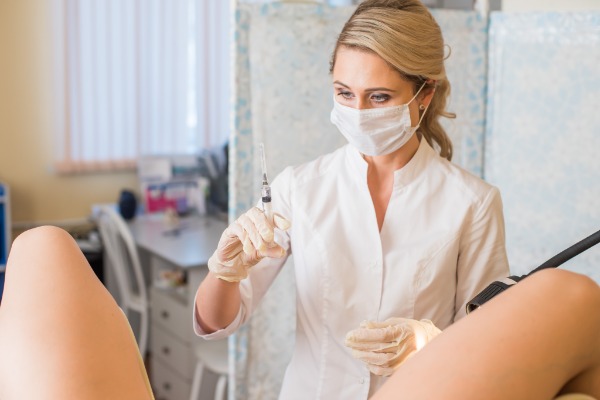

What is labiaplasty and who is it suitable for?
Labiaplasty is a surgical procedure that reshapes or reduces the size of the labia minora (the inner folds of skin around the vaginal opening), and sometimes the labia majora. It may be sought for functional reasons — such as discomfort during exercise, cycling or wearing tight clothing — or for cosmetic reasons. A 2025 systematic review found the procedure was associated with an average 18.8% improvement in female sexual function scores. Suitable candidates are generally adults in good general health with stable anatomy. A thorough consultation including discussion of realistic expectations and risks is essential before proceeding.
What non-surgical options are available for vaginal rejuvenation?
Non-surgical vaginal rejuvenation encompasses several technologies designed to improve the appearance and function of vaginal tissue without surgery. Options include laser treatments (such as CO2 fractional laser) and radiofrequency devices that stimulate collagen production to tighten and tone tissue; hyaluronic acid injections to restore volume and lubrication; and PRP (Platelet-Rich Plasma) injections to rejuvenate the vaginal wall. These treatments are commonly sought by women experiencing vaginal laxity, dryness or discomfort following childbirth or during and after the menopause. Multiple sessions are typically required, and results are not permanent. Always ensure treatments are performed by a GMC or NMC-registered practitioner.
What male genital treatments are available in the UK?
UK clinics offer a range of male genital procedures performed by specialist urologists and andrologists. Surgical options include penile lengthening (ligament division) and girth enhancement using fat transfer or dermal fillers. Non-surgical options include penile filler injections for girth, the P-Shot (PRP injections to support erectile function), and scrotoplasty (scrotal tightening). Treatment for Peyronie’s disease (penile curvature caused by scar tissue) is also available. All surgical procedures should be performed by GMC-registered urologists in CQC-registered hospitals or clinics. The British Association of Urological Surgeons (BAUS) published a consensus document on male genital augmentation in 2026.
Are these procedures available on the NHS?
The vast majority of genital cosmetic procedures are not available on the NHS. The NHS may fund treatment where there is a clear clinical need — for example, labiaplasty for significant pain or functional impairment, or treatment for Peyronie’s disease causing severe curvature affecting sexual function — but eligibility is assessed on a case-by-case basis and criteria are strict. Purely cosmetic procedures are private and must be funded by the patient. If a provider suggests NHS funding is likely for cosmetic intimate surgery, treat this with caution.
How much do these treatments cost in the UK?
Costs vary considerably by procedure and clinic. As a general guide: labiaplasty typically ranges from £2,500 to £4,500; vaginoplasty from £3,000 to £6,000; non-surgical vaginal rejuvenation treatments from £500 to £1,500 per session; penile girth enhancement (non-surgical filler) from around £1,500 to £3,000; and surgical penile procedures from around £5,000 upwards. Always obtain a written treatment plan including what is covered, and ask specifically whether aftercare appointments are included.
What should I consider before having a genital cosmetic procedure?
These are highly personal decisions that merit careful consideration. Before proceeding: ensure you have a thorough consultation with a qualified specialist who discusses realistic outcomes, risks, and alternatives; consider whether the motivation is primarily functional or cosmetic; reflect on whether body image concerns may benefit from psychological support before surgery; check the practitioner is GMC-registered and the clinic CQC-registered; and ask about complication rates and aftercare. Major medical bodies including FIGO recommend that patients receive counselling and are fully informed that cosmetic genital procedures are not medically indicated before proceeding.
Are intimate area filler injections regulated differently in the UK?
Yes — this is an important distinction. As of 2025, the CQC extended its regulated-activity scope to specifically cover genital filler augmentation and intimate-area injectable procedures, recognising the higher risk profile of these treatments. This means clinics providing genital fillers must now be CQC-registered, unlike standard facial injectable treatments which currently sit outside CQC scope. Always verify CQC registration for any clinic offering intimate injectable treatments, and confirm the practitioner is a registered healthcare professional.