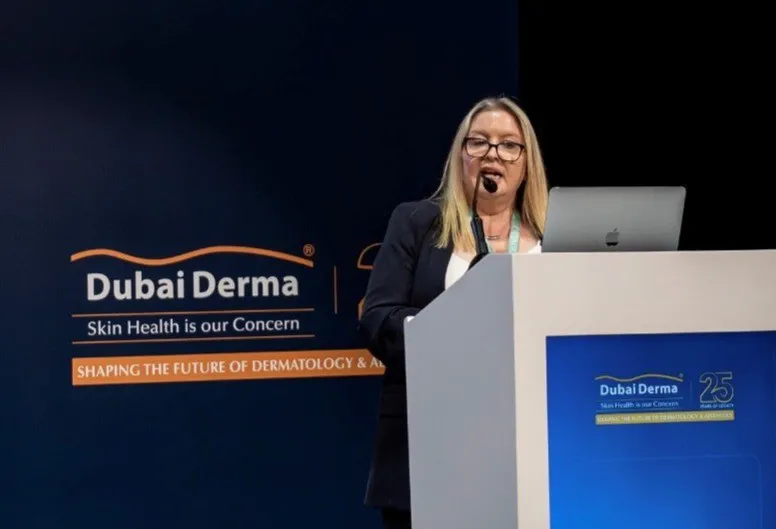
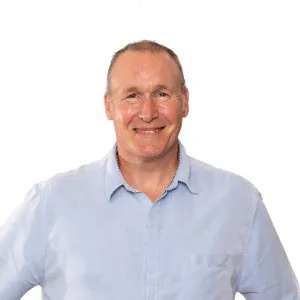
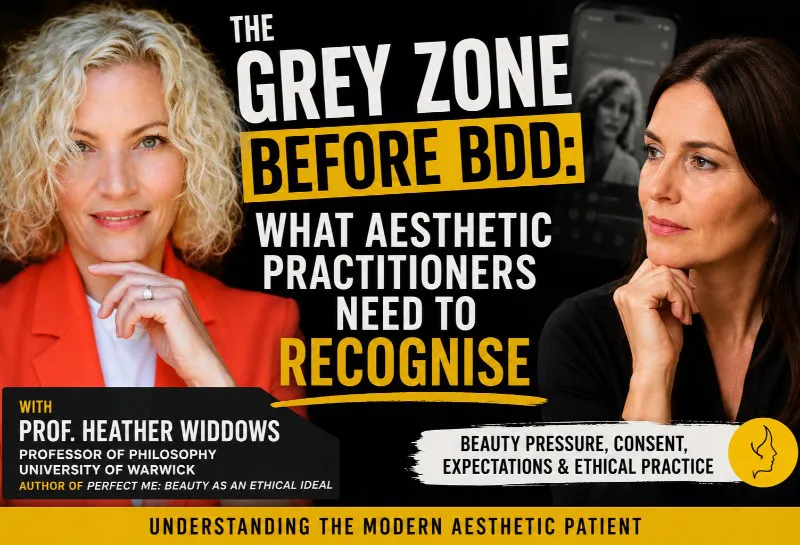


- Ron Myers interviews Professor Heather Widdows, author of Perfect Me: Beauty as an Ethical Ideal.
- The discussion explores appearance anxiety, unrealistic patient expectations and the ethical challenges facing aesthetic practitioners.
- Topics include social media's influence, informed consent, responsible marketing and identifying patient vulnerability.
- The video encourages clinics to reflect on consultation practices and ensure treatments are in patients' best interests.
- Recommended viewing for practitioners, nurses, therapists, receptionists and everyone involved in the patient journey.
Most aesthetic practitioners are familiar with the need to look out for body dysmorphic disorder.
But what about the much larger grey zone before BDD?
The patients who may not meet the criteria for body dysmorphic disorder, but who still arrive with appearance anxiety, unrealistic expectations, perfectionism, filtered-image comparisons, or the hope that treatment will change far more than their face or skin.
I recently recorded a conversation with Professor Heather Widdows, Professor of Philosophy at the University of Warwick and author of Perfect Me: Beauty as an Ethical Ideal.
Heather’s work explores how beauty, appearance, identity and visual culture are changing the way people judge themselves and others. In this interview, we discuss why that matters for aesthetic practitioners, not just theoretically, but in the day-to-day reality of consultation, consent, marketing and patient management.
This is not an anti-aesthetic medicine conversation. It is about how responsible clinics can better understand the pressures patients now bring into the consulting room.
We discuss:
➤ Why appearance now carries more emotional and moral weight than before
➤ How social media, filtered images and “Instagram face” are changing patient expectations
➤ Why patients may know images are fake but still feel pressure from them
➤ Why consent in aesthetic medicine is more complex than simply signing a form
➤ The difference between realistic physical outcomes and unrealistic emotional expectations
➤ How practitioners can identify vulnerability without trying to diagnose
➤ Why responsible marketing matters
➤ What clinics should consider when a treatment is technically possible, but may not be ethically wise
I think this is a useful video for practitioners, but also for receptionists, patient coordinators, therapists, nurses, doctors and anyone involved in the patient journey.
It may be worth watching as a team, or asking your team to watch it before a meeting, and then discussing questions such as:
“Are we asking enough about why the patient wants treatment now?”
“What does the patient believe this treatment will change for them?”
“Are we separating realistic physical outcomes from unrealistic emotional expectations?”
“Do our marketing messages unintentionally increase appearance anxiety?”
“Do we have a clear process when something feels wrong, even if the patient is asking for a treatment we could technically perform?”
These are not always easy conversations, but they are becoming increasingly important.
Patients are making decisions in a very different cultural environment from 10 or 20 years ago. Social media, filtered images, beauty ideals, wellness language and constant visual comparison have changed the context in which people seek aesthetic treatment.
That means good consent is not just about explaining risks and getting a signature.
It is also about understanding motivation, expectation, vulnerability and whether the treatment is genuinely in the patient’s best interests.
You can watch the video here:
I hope you find it useful, and I would encourage you to share it with your team.