

Leading compounding pharmacy Roseway Labs has announced a strategic partnership with UK-based charity Mast Cell Action, marking a significant step forward in improving awareness, education, and clinical understanding of Mast Cell Activation Syndrome (MCAS) and related mast cell disorders.
The partnership follows a successful year of collaboration between the two organisations and formalises a shared commitment to improving outcomes for patients living with mast cell conditions, including MCAS, hereditary alpha-tryptasemia (HαT), and mastocytosis.
A Shared Mission to Improve Awareness and Patient Outcomes
The collaboration is focused on expanding education and clinical understanding of mast cell disorders among both healthcare professionals and patients.
Key priorities include:
- Improving awareness of MCAS, HαT, and mastocytosis
- Supporting earlier diagnosis and better recognition of symptoms
- Enhancing clinical education and prescribing support
- Expanding patient-focused resources and engagement initiatives
By strengthening this partnership, Roseway Labs and Mast Cell Action aim to increase the overall visibility of mast cell conditions and improve standards of care across the UK.
Upcoming Educational Webinar for MCAS Awareness Month
A key initiative within the partnership is a joint educational webinar, taking place in recognition of MCAS Awareness Month.
Webinar details:
Title: Mast Cell Disorders in Practice: MCAS, HαT and Mastocytosis
Date: 18 June 2026
Time: 12:30–13:30
The session will bring together leading clinical and patient advocacy voices, including experts from Roseway Labs, Mast Cell Action, and:
- Dr Bethan Myers MA (Cantab), MB BCh, FRCP, FRCPath
Healthcare professionals wishing to join the webinar can register here:
https://mastcellaction.org
The webinar will provide evidence-based, expert-led education aimed at improving clinical awareness, diagnostic confidence, and understanding of patient variability.
Understanding Mast Cell Disorders
Mast cell disorders are a group of conditions in which mast cells become overly active or present in excessive numbers, leading to recurrent or unexplained allergic-type symptoms.
The most commonly recognised conditions include:
- Mast Cell Activation Syndrome (MCAS)
- Mastocytosis
- Hereditary Alpha-Tryptasemia (HαT)
MCAS in particular is a multi-system condition, where mast cell mediators are released too frequently or in response to triggers such as food, environmental chemicals, stress, or temperature changes.
Symptoms can vary widely between individuals and may affect multiple systems of the body.
Despite increasing recognition, mast cell disorders remain frequently underdiagnosed or misdiagnosed, and further research is still needed to better understand prevalence and mechanisms.
Some studies estimate MCAS may affect up to 17% of the population¹, although figures vary depending on diagnostic criteria.
The Role of Compounding in Supporting Sensitive Patients
For some individuals with mast cell disorders, excipients and additives in standard medications can trigger adverse reactions.
These may include:
- Fillers and dyes
- Preservatives
- Sweeteners
- Coatings and binders
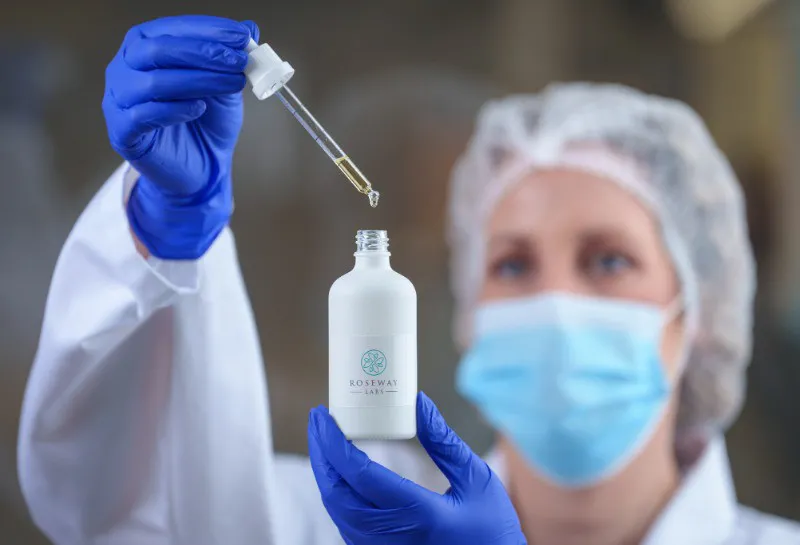
Compounding pharmacies such as Roseway Labs can prepare bespoke, simplified formulations designed to minimise exposure to potential triggers. This personalised approach supports:
- Improved tolerability
- More predictable responses
- Tailored treatment for complex patient needs
More information about Roseway Labs: https://www.rosewaylabs.com
Leadership Commentary
Elizabeth Philp, CEO of Roseway Labs
“We’re delighted to partner with Mast Cell Action, building on a relationship that has already made a meaningful difference to patients living with MCAS. At Roseway Labs, we believe individualised healthcare should be accessible to all patients, particularly those with complex conditions…”
She added that personalised compounding can help clinicians better support patients with sensitivities and improve treatment outcomes for those with mast cell-related conditions.
Joy Mason, CEO of Mast Cell Action
“We’re pleased to be formalising our partnership with Roseway Labs following a year of positive collaboration. By working together, we can strengthen awareness and understanding of mast cell disorders and provide better support for patients and healthcare professionals…”
She highlighted the importance of education in improving diagnosis speed, recognition, and patient care.
More information: https://mastcellaction.org
Dr Bethan Myers, Consultant Haematologist
“Education and awareness are essential to improving outcomes for patients with mast cell disorders, which can often be complex and challenging to diagnose and manage…”
She emphasised that initiatives such as the upcoming webinar are vital in sharing evidence-based insights and improving clinical recognition of these conditions.
Expanding Education and Clinical Support
The partnership will continue to evolve through:
- Development of educational resources
- Creation of CPD-accredited materials for healthcare professionals
- Joint awareness campaigns
- Patient engagement and support initiatives
This ongoing collaboration aims to strengthen both clinical understanding and real-world patient outcomes.
Further Information
Healthcare professionals can find more information on mast cell disorders via https://mastcellaction.org or join the medical professional network via the Mast Cell Action registration page.
References
- Weinstock LB, Nelson RM, Blitshteyn S. Neuropsychiatric Manifestations of Mast Cell Activation Syndrome and Response to Mast-Cell-Directed Treatment: A Case Series. Journal of Personalized Medicine. 2023.