

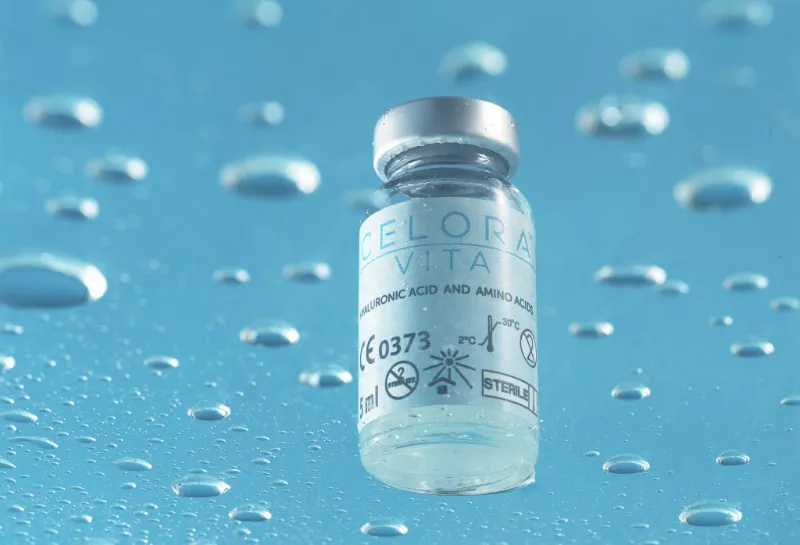


As regenerative protocols become more sophisticated, many practitioners are reassessing how they support dermal function alongside structural and volumetric interventions. Increasingly, the clinical conversation has shifted toward substrate availability, fibroblast metabolism and extracellular matrix (ECM) optimisation.
Celora™ Vita has been introduced to the UK market by DermaFocus as part of its expanding regenerative portfolio. Developed within a biology-led framework, it is positioned as a substrate-based biorestorative designed to support the dermal microenvironment through targeted amino acid supplementation combined with biologically active low-molecular-weight hyaluronic acid (LMWHA).
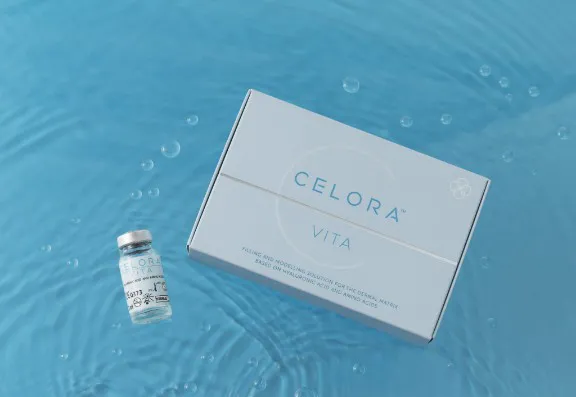
The nine amino acids in Celora™ Vita
Celora™ Vita contains:
- Glycine – a core collagen amino acid forming every third residue in the triple helix; also contributes to the skin’s natural moisturising factor (NMF) and supports antioxidant defence as a precursor to glutathione.
- Serine – supports maintenance of NMF, is a core component of filaggrin, and plays a role in pH regulation and epidermal hydration balance.
- Alanine – contributes to NMF maintenance and participates in collagen structure and cellular metabolic cycling.
- Cysteine – essential for keratin synthesis and a key precursor to glutathione, supporting antioxidant defence and modulation of melanogenesis.
- Leucine – abundant within collagen structures and involved in protein synthesis signalling, working synergistically with glycine and proline in matrix production.
- Lysine – critical for collagen and elastin cross-linking, supporting tensile strength and structural stability of the dermal matrix.
- Proline – a fundamental collagen amino acid required for helix formation and maintenance of dermal structural integrity.
- Valine – supports fibroblast metabolism and tissue repair processes as part of the branched-chain amino acid group.
- Isoleucine – contributes to epidermal barrier function and supports fibroblast metabolic activity within the branched-chain amino acid group.
Why this matters clinically
Collagen and elastin synthesis are energy-dependent, substrate-dependent processes. In ageing or environmentally stressed skin, fibroblast activity becomes less efficient, matrix turnover slows, and oxidative stress increases.
In this context, even well-designed regenerative interventions may produce variable outcomes if the cellular environment lacks sufficient structural and metabolic support.
By delivering key amino acids directly into the dermis, Celora™ Vita is positioned to support:
- Collagen type I and III synthesis
- Elastin cross-linking stability
- Natural moisturising factor (NMF) replenishment
- Antioxidant defence via glutathione precursors
- Organised extracellular matrix remodelling
Rather than acting as a primary stimulator, the formulation can be viewed as metabolic infrastructure – supporting fibroblast performance within broader regenerative protocols.
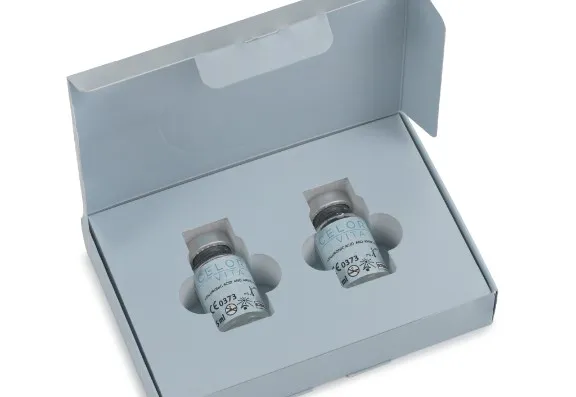
The role of low-molecular-weight hyaluronic acid
Celora™ Vita also incorporates low-molecular-weight hyaluronic acid (8-15 kDa). At this molecular size, HA contributes to deep hydration and interacts with fibroblast CD44 receptors, supporting cellular activation and ECM signalling within the dermal microenvironment.
Its role is complementary – enhancing hydration and signalling while the amino acid complex supports structural protein synthesis.
Clinical integration in regenerative practice
For practitioners adopting phenotype-led or mechanism-based treatment planning, Celora™ Vita may be considered where substrate insufficiency is likely contributing to visible dermal decline.
Clinical scenarios may include:
- Early dermal thinning and reduced elasticity
- Skin quality optimisation in younger patients
- Pre-conditioning prior to biostimulatory or energy-based procedures
- Post-procedural ECM support
- Maintenance phases within long-term regenerative strategies
Delivered via intradermal microinjection in a structured course, improvements are progressive and biologically mediated, reflecting restoration of metabolic support rather than immediate structural change.
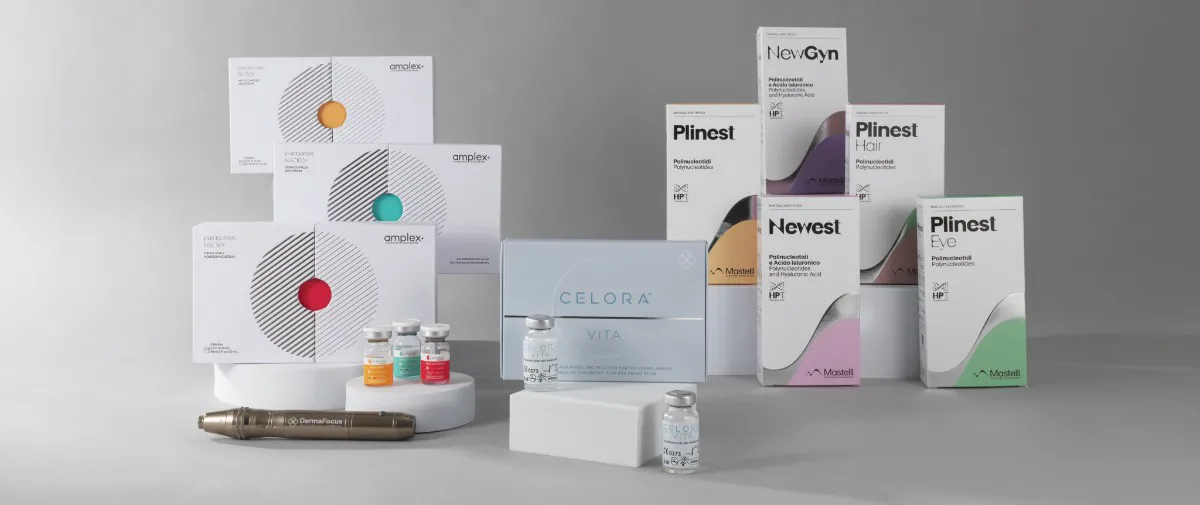 Full Image
Positioning within a regenerative portfolio
As regenerative aesthetics continues to evolve, the conversation is shifting from isolated interventions to layered biological strategy. Activation, stimulation and signalling remain important – but without adequate substrate, regenerative efficiency may be limited.
By placing nine clinically relevant amino acids at the centre of its formulation, Celora™ Vita offers a substrate-first approach designed to support fibroblast performance and dermal resilience.
In modern regenerative practice, supporting the biology may be just as important as stimulating it.