


82% of UK Adults Demand Regulation as Social Media Fuels Under-18s Cosmetic Procedures Crisis
A survey of over 2,000 UK adults has revealed overwhelming public support (82%) for protective legislation preventing under-18s from accessing Botox and fillers without parental consent.
The research, conducted by Cosmetic Surgery Solicitors, a specialist law firm dedicated to dealing with cosmetic surgery negligence, also shows growing concerns over social media's influence on young people seeking unnecessary procedures.
Social Media's Unprecedented Impact
The survey reveals that 67.6% of UK adults believe social media has a "huge influence" on under-18s requesting cosmetic procedures, the greatest concern arising from the 48-53 age group at 88.4%.
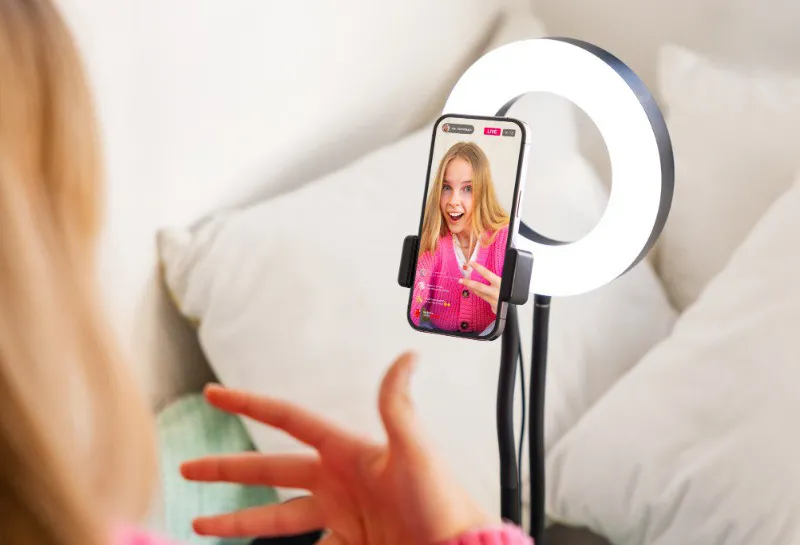
Generation Z is the first to have grown up around heavily filtered social-media beauty standards since birth, and to have constant access to algorithms pushing aesthetic procedures and products.
"We're witnessing an unprecedented crisis where social media platforms are creating unrealistic beauty standards at a speed we've never seen before," said Michael Saul, Partner at CSS, "Young people are being exposed to filtered, edited images thousands of times a day, and it's fundamentally changing how they view themselves and what they believe they need to look 'normal.'"
The data shows that 81.6% of all respondents have noticed beauty standards changing faster than ever, while 65.3% believe social media hugely influences these rapidly shifting standards. This creates a perfect storm where vulnerable teenagers are pushed toward irreversible procedures before they have the emotional maturity to understand the long-term consequences.
Health Risks for Young People
Regarding the health implications of under-18s accessing cosmetic procedures such as Botox and fillers, 78.6% of adults were concerned or very concerned about potential risks.
Some of the significant risks that young people may experience include:
- Infection and scarring that can lead to permanent disfigurement.
- Psychological impact during critical developmental stages.
- Long-term complications from premature interventions on still-developing faces and bodies.
- Unqualified practitioners operating in an unregulated market with no accountability.
"The adolescent brain is still developing decision-making capacity," explains Michael Saul. "Adding social media pressure to access permanent procedures creates a perfect storm for regrettable choices that these young people will live with for the rest of their lives."
Public Demand for Government Regulation
Only England has a legal ban on under-18s accessing Botox and cosmetic fillers in the UK - there are no legal age restrictions in Scotland, Wales and Northern Ireland. While all three devolved nations are developing licensing frameworks, none has yet introduced the same protections as England.
The research also found that 86.4% of UK adults feel cosmetic procedures are currently under-regulated. Some of the most critical gaps in the system are:
- No standardised age restrictions across UK regions, creating a postcode lottery of protection.
- Unqualified practitioners operating legally with no mandatory certification or training requirements.
- No professional oversight body to enforce standards or investigate complaints.
- Inadequate safety standards and no requirement for reporting complications.
The regulatory vacuum is particularly stark in England, where 89.3% want a regulated professional body, 92.1% demand practitioner certification and 90.5% feel current regulation is inadequate.
"The current regulatory patchwork leaves young people vulnerable," said Michael Saul. "We need comprehensive legislation that prioritises protection over profit. Right now, someone can perform these procedures with minimal training and no supervision.
The survey reveals remarkable consensus across regions, ages, and demographics that the government must act immediately to protect vulnerable young people:
- 82.1% support UK-wide standardised legislation on age restrictions for cosmetic procedures.
- 73.6% want the government to make regulation a priority rather than leaving it to future legislative sessions.
- 88.2% demand mandatory board certification for anyone performing Botox and filler procedures.
- Only 3.2% of over-66s support allowing under-18s unsupervised access to procedures.
"This isn't about restricting choice, it's about protecting children," added Michael Saul. "When more than 8 in 10 UK adults are saying the same thing, the government has a clear mandate to act. Every day of delay potentially means another young person making an irreversible decision they'll regret."
Four Urgent Actions Required
CSS is calling on the UK Government to take immediate action on four critical fronts:
1. Immediate Legislative Action
Implement UK-wide age restrictions requiring parental consent for all cosmetic procedures for under-18s, closing the current loopholes that allow vulnerable teenagers to access these procedures without proper oversight.
2. Mandatory Professional Standards
Establish compulsory certification for all practitioners performing cosmetic procedures, ensuring they have appropriate medical training and are held accountable for their work.
3. Independent Industry Oversight
Create a regulated professional body with real enforcement powers to investigate complaints, set safety standards and remove practitioners who fail to meet requirements.
4. Social Media Accountability
Require platforms to restrict cosmetic procedure advertising to under-18s and crack down on content that promotes unrealistic beauty standards to young audiences.
Additional Measures Needed
Beyond immediate legislative action, CSS recommends:
- Enhanced education in schools about body image, social media literacy and the realities of cosmetic procedures.
- Support services for young people considering cosmetic procedures, including mandatory counselling.
- Research funding into long-term physical and psychological impacts of early cosmetic interventions.
About the Survey
The research surveyed 2,007 UK adults across all regions, age groups and demographics, providing a comprehensive snapshot of public opinion on cosmetic procedure regulation. The survey was conducted by CSS in January 2024 with a representative sample ensuring geographic and demographic balance.