How Do Hormones Affect Your Skin?

Dr Edward Robinson
By Dr Edward Robinson

Dr Robinson is a Cosmetic Aesthetics Doctor and associate member of the British College of Aesthetic Medicine. He has 7 years medical experience based in Altrincham, Cheshire.


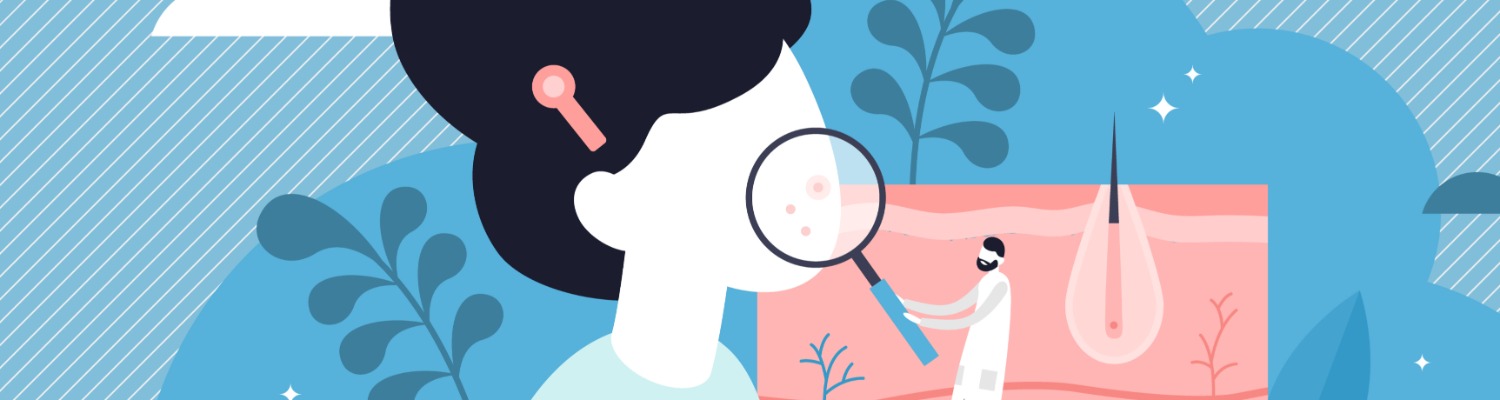
Hormones regulate many of the biological processes that control how skin cell’s function, repair, and respond to internal and external changes. The skin has hormone receptors that interact with specific hormones, influencing its condition and appearance.

Why Do Hormones Affect Our Skin? 

The skin is the body’s largest organ, and it’s intricately connected to the endocrine system (which produces hormones). The skin acts as a barrier, but it’s also highly responsive to internal changes, including shifts in hormonal levels.
 
Hormonal signalling helps the body adapt to various life stages – puberty, pregnancy, menopause, and stress – and these changes are often reflected in the skin.
Why Do Hormones Affect Our Skin?

How Hormones Impact the Skin

  • Hormones Control Oil Production
  • Sebaceous Glands: Hormones like androgens (testosterone, dihydrotestosterone) stimulate sebaceous glands to produce sebum (oil). While sebum helps keep skin hydrated and protected, overproduction can clog pores, causing acne.
  • Hormones Affect Skin Cell Turnover
  • Oestrogen: This hormone helps regulate skin cell turnover, collagen production, and hydration. When oestrogen levels drop (e.g., during menopause), skin renewal slows, leading to thinning, dryness, and fine lines.
  • Hormones Influence Collagen and Elasticity
  • Oestrogen and Progesterone: These hormones promote collagen production and skin elasticity, keeping skin firm and youthful. A decrease in oestrogen, such as during aging, reduces collagen, making the skin sag and wrinkle.
  • Cortisol (Stress Hormone): Chronic high cortisol levels can break down collagen and elastin, speeding up skin aging.
  • Hormones Trigger Skin Inflammation
  • Cortisol: Stress-related cortisol increases inflammation in the body and skin, which can worsen conditions like acne, eczema, or rosacea.
  • Hormones Impact Pigmentation
  • Melanocytes: Hormones like oestrogen and progesterone influence melanocytes, the cells responsible for producing pigment. During pregnancy or hormonal changes (e.g., from birth control), this can lead to melasma (dark patches).
  • Hormones Regulate Blood Flow
  • Oestrogen: Enhances blood circulation, giving skin a healthy glow. When oestrogen levels drop, blood flow to the skin decreases, leading to dullness.


Symptoms of Hormonal Acne

Hormonal acne is typically caused by fluctuations in androgens (like testosterone), which increase oil (sebum) production and lead to clogged pores.
 
Symptoms include:
  •  Location on the Face and Body
  • Commonly appears on the jawline, chin, and lower cheeks.
  • Can also affect the neck, shoulders, chest, and back.
  • Type of Acne Lesions
  • Deep, cystic breakouts (painful, under-the-skin bumps that don’t come to a head).
  • Inflamed papules and pustules (red, swollen pimples with or without pus).
  • Blackheads and whiteheads (clogged pores).
  • Cyclic Breakouts
  • Flares up around the menstrual cycle (for women).
  • Can worsen during puberty, pregnancy, menopause, or due to stress.
  • Oily Skin & Enlarged Pores
  • Increased sebum production makes the skin appear greasy or shiny.
  • Pores may look larger and more noticeable, especially around the nose and chin.
  • Slow Healing & Scarring
  • Pimples linger longer than usual and can leave behind dark marks or scars.
  • Tends to be resistant to typical over-the-counter treatments.
 

How to Control Hormonal Acne

Controlling hormonal acne requires a combination of lifestyle changes, skincare routines, and sometimes medical treatments. Here are some suggestions for managing hormonal acne effectively:
 
  1. Follow a Consistent Skincare Routine
  • Cleanse Gently: Use a gentle, non-comedogenic cleanser twice daily to remove excess oil without stripping your skin.
  • Exfoliate Weekly: Use chemical exfoliants with salicylic acid (BHA) or glycolic acid (AHA) to unclog pores and reduce inflammation.
  • Moisturise: Opt for oil-free, non-comedogenic moisturizers to maintain hydration without clogging pores.
  • Sunscreen: Always wear SPF 30 or higher to prevent acne scars and dark spots from worsening.
  1. Incorporate Targeted Treatments
  • Retinoids: Over-the-counter retinol or prescription-strength tretinoin promotes cell turnover and prevents clogged pores.
  • Benzoyl Peroxide: Reduces bacteria and inflammation in acne-prone areas.
  • Niacinamide: Calms inflammation, regulates oil production, and improves skin texture.
  • Spot Treatments: Use products with sulphur or tea tree oil to target active breakouts.
  1. Balance Your Hormones
  • Dietary Adjustments:
  • Reduce sugar, dairy, and processed foods that can spike insulin and trigger androgen production.
  • Incorporate anti-inflammatory foods like leafy greens, berries, and omega-3 fatty acids (found in salmon, walnuts, and flaxseed).
  • Supplements:
  • Zinc: Reduces inflammation and supports skin healing.
  • Omega-3 Fatty Acids: Balances oil production and reduces hormonal fluctuations.
  • Spearmint Tea: May lower androgen levels, reducing acne in some cases.
  • Hydration: Drink plenty of water to support overall skin health.
  1. Manage Stress
  • High stress increases cortisol levels, which can worsen hormonal acne. Incorporate stress-reducing activities like yoga, meditation, or exercise into your routine.
  1. Consider Medical Treatments
  • Oral Contraceptives: Birth control pills containing oestrogen and progesterone can balance hormones and reduce acne.
  • Spironolactone: A prescription medication that blocks androgens to reduce oil production.
  • Isotretinoin (Accutane): For severe, persistent acne, isotretinoin is highly effective but requires close medical supervision.
  • Hormonal Therapy: If acne is linked to conditions like PCOS, consult with an endocrinologist or gynaecologist for hormonal-regulating treatments.
  1. Avoid Common Triggers
  • Skip harsh scrubs, overly drying products, or heavy makeup that can worsen acne.
  • Avoid touching your face or picking at pimples, as this can cause scarring.
  1. Be Patient
  • Hormonal acne often takes time to improve, even with consistent care. Most treatments, especially hormonal ones, can take 6-12 weeks to show significant results.
  • If your acne persists or severely affects your confidence, consult a dermatologist who can tailor treatments to your skin type and hormonal profile.

If you want to read more, the experts at Consulting Room really know what they're talking about and have put together some acne, lines and wrinkles, rosacea, scarring, skin texture and sunscreen treatment FAQs just for you. 

If you have more questions, you can use the acnelines and wrinkles, rosacea, scarring, skin texture and sunscreen Treatment Questions feature to talk to our panel of trained medical experts. 

If you're keen to get started with any of these treatments right away then you're in luck - those clever folks also have a list of trusted, accredited acnelines and wrinkles, rosacea, scarring, skin texture and sunscreen clinics in your area.

Dr Robinson is a Cosmetic Aesthetics Doctor and an associate member of the British College of Aesthetic Medicine. He has 7 years of medical experience based in Altrincham, Cheshire.

Specialising in non-surgical approaches to achieve natural results boosting confidence, appearance, beauty and overall well-being.

Dr Robinson’s clinic has over 250 5-star reviews.

Thanks to the author

More great blogs our experts wrote for you...

What Does Elastin Do for the Skin?

07
Jan
2026

What Does Elastin Do for the Skin?

Our latest blog breaks down how this essential protein helps maintain skin firmness, elasticity, and resilience.

What is Baby Botox?

02
Dec
2025

What is Baby Botox?

Baby Botox, also known as micro-Botox, is a cosmetic procedure that has gained popularity in recent years.

Skin Care Issues in Older Women

28
Nov
2025

Skin Care Issues in Older Women

I would be approaching 50 soon. I am finding myself increasingly concerned how do I maintain my skin and prepare myself for when I am older...


Hey, wait!

Before you go.....

Let's stay in touch, pop your details here and we'll send our editor's hand-picked updates on your fave subjects.