What Does Elastin Do for the Skin?

Dr Julia Sevi
By Dr Julia Sevi

Aesthetic Health is led by Dr Julia Sevi who is respected on the world stage for her pioneering approach to medical aesthetics which combines the latest science with regenerative medicine and holistic care.


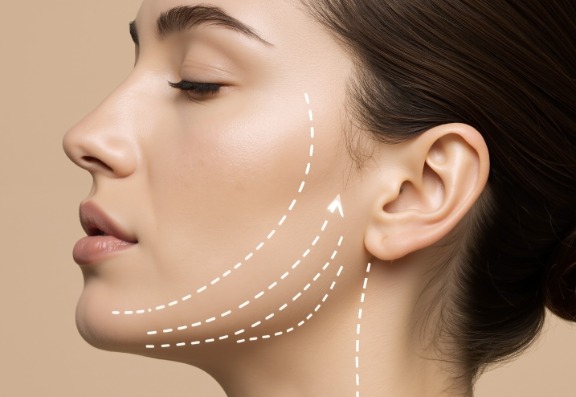
The purpose of elastin is to give our skin the elasticity that makes it look plump and healthy. Elastin is one of the skin’s key proteins, and its structure allows the skin to stretch out like a rubber band, and bounce back into place, returning the skin’s tissues to their original shape.
 
Elastin provides resilience to the stretching forces of facial expressions and gravity. This means that skin that has plenty of elastin will be more supple and flexible, and will maintain its shape. 

What are the benefits of having more elastin?

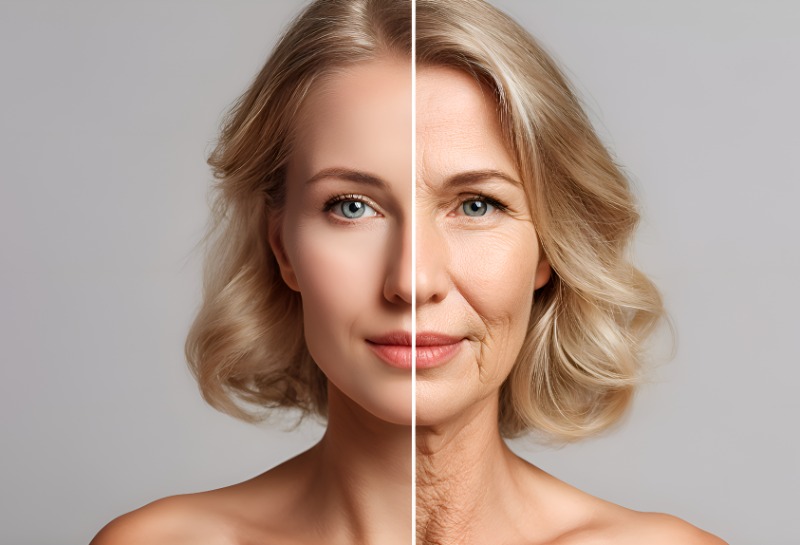
Thanks to elastin, we can convey our expressions without them leading to permanent stretching of the skin. However, over time, the elastin content of our skin diminishes, especially as we get into midlife; and from our 40’s onwards, we may start to notice that our expression lines, wrinkles and loose sagging skin are becoming more permanent features of our faces.

What are the benefits of having more elastin?

We can assess our own levels of elastin by pinching the back of our hand; If we have low levels of elastin it may take several seconds for the skin to shrink back.

What is Elastin?

Elastin is a complex stretchy protein structure made up of amino acids (proline, glycine, desmosine and isodesmosine), and grouped in short sequences. It is actively manufactured in the body until adolescence, when it makes up 2 – 4 % of the dry-weight of the dermis.
Our stretchy ligaments contain 50% dry-weight elastin, so the low amount of elastin in our skin might sound like only a very small percentage in comparison. Thankfully, elastin is a long-lived protein that degrades very slowly throughout our lives, only reaching its half-life when we are around 75yrs old. 
 
This means we should have enough elastin to last us a lifetime, however we shouldn’t take elastin for granted, because it can get damaged, and if it does, it is difficult for the body to heal itself. Therefore, prevention and preventative treatments are key to maintaining healthy elastin levels.
 

What does elastin do?

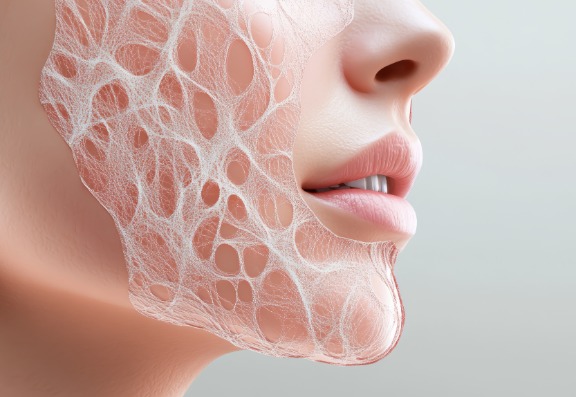
Elastin’s main function is to provide flexibility to the supportive and protective Extracellular Matrix (ECM), which is the scaffolding that houses our cells. It allows repetitive and reversible stretching and recoil of the body’s tissues. It is particularly important in our most stretchy structures, including arteries, lungs, cartilage, ligament and skin, allowing them to transform their shape and then spring back. More recently, we have discovered that elastin fibres play a role in cell communications to adjust their function and growth.
 

How is elastin different from collagen?

Collagen provides the structure, strength and support of the dermis, making up approximately 75% of its dry weight. We often hear collagen and elastin being grouped together when they are spoken about. This is because they are the main structural proteins of the ECM (Extracellular Matrix). Collagen provides the skin’s strength and main structure, while the small but essential percentage of elastin provides elasticity and resilience. 
 

The relationship between collagen and elastin is a bit like the fabric of your leggings, where the cotton is the main structural fabric, and the Lycra, although only a tiny percentage, provides the stretch that allows them to fit and not become baggy.
What weakens elastin?

What weakens elastin?

We lose elastin because new production does not keep pace with its steady degradation throughout our lives. Our main elastin production occurs prior to adolescence, and although we continue to manufacture small amounts,s this drastically reduces after middle age.  
 
Internal factors associated with ageing and genetics start the process of degradation, which is then accelerated by external factors. The main culprits are sun exposure, smoking and pollution. Once our elastin is damaged, it is difficult to heal.

What can I do to preserve my elastin?

We can slow down elastin depletion by taking the following steps:
  • Using broad-spectrum sunscreen (min SPF30) every day throughout the year, even indoors and in cloudy weather
  • Eating healthily, including eating antioxidant, protein-rich foods (leafy greens, berries, nuts, and fish), helps protect elastin and provides building blocks for continued production.
  • By taking antioxidant supplements
  • Regularly exercising to boost blood circulation and to help keep the skin nourished. 
  • Reducing stress levels 
  • Optimising sleep
  • Avoiding smoking, as nicotine and the chemicals in cigarette smoke and vapes accelerate the ageing of the skin.  

What type of skincare is good for elastin?

Establishing a well-informed skin health routine can also help to preserve elastin.
 
As an example, in the morning use:
  • Vitamin C serum
  • Moisturiser
  • SPF (factor 30 or above)
In the evening:
  • Double cleanse to reduce the impact of pollution on the skin
  • Moisturise

Products containing ferulic acid and vitamins A, C, and E may also help prevent and restore damaged cells.

Can I get more elastin?

Elastin is mostly laid down in early life, and its production decreases steadily. In order to stimulate fresh new elastin, its production must be stimulated through the few medical treatments shown to be successful. 
 
These techniques use regenerative medical treatments to wake up the fibroblasts and produce new elastin, usually in combination with collagen. 

If you want to read more, the experts at Consulting Room really know what they're talking about and have put together sagging skin, fine lines and wrinkles and sunscreen FAQs just for you. 

If you have more questions, you can use the sagging skinfine lines and wrinkles and sunscreen questions feature to talk to our panel of trained medical experts. 

If you're keen to get started with any of these treatments right away, then you're in luck - those clever folks also have a list of trusted, accredited sagging skinfine lines and wrinkles and sunscreen clinics in your area.
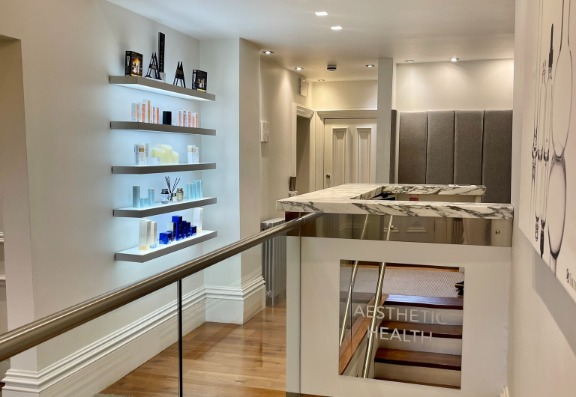
Aesthetic Health is led by Dr Julia Sevi who is respected on the world stage for her pioneering approach to medical aesthetics which combines the latest science with regenerative medicine and holistic care.

As the only aesthetic clinic of its kind in the UK with an Outstanding CQC rating’, Dr Julia Sevi and her team treat every patient in their entirety and as individuals, starting with a comprehensive medical history and in depth skin analysis that is used to build a unique treatment prescription.

Aesthetic Health is dedicated to providing patients with natural looking results. Many aesthetic clinics will profess to do the same, however this is not the place for a frozen forehead or isolated dermal fillers that don’t take your unique individuality into consideration.

Thanks to the author

More great blogs our experts wrote for you...

What is Baby Botox?

02
Dec
2025

What is Baby Botox?

Baby Botox, also known as micro-Botox, is a cosmetic procedure that has gained popularity in recent years.

Skin Care Issues in Older Women

28
Nov
2025

Skin Care Issues in Older Women

I would be approaching 50 soon. I am finding myself increasingly concerned how do I maintain my skin and prepare myself for when I am older...

How to Remove Smokers Lines

27
Nov
2025

How to Remove Smokers Lines

Smoker lines are those pesky wrinkles etched around the lips and are a common concern. So what can be done about them?


Hey, wait!

Before you go.....

Let's stay in touch, pop your details here and we'll send our editor's hand-picked updates on your fave subjects.