

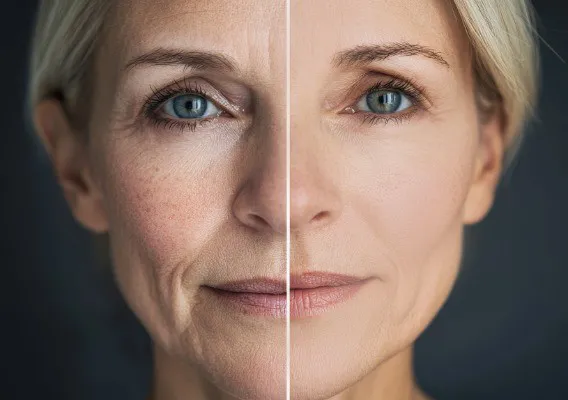
One morning, you catch your reflection and pause. The fine lines seem a touch deeper. That soft brightness you used to see has dulled. And while friends might not notice, you do. It is not about vanity. It is about feeling like your outer self has drifted a step away from the energy and confidence you carry inside.
The truth is, skin changes quietly at first — a shift in texture here, a spot that lingers there — but left unchecked, those early signs can accelerate. Sun exposure, stress, and time chip away at collagen and elasticity. Skincare alone, even the most carefully chosen products, often cannot reverse what is happening at the deeper levels of your skin. That is where so many feel stuck: committed to self-care, but unsure how to bridge the gap between daily maintenance and real, visible results.
This guide is here to change that. Drawing on advanced, clinically proven skin rejuvenation methods — from lasers and microneedling to bio-stimulators and skin boosters — we will explore how to target the root causes of skin ageing. You will learn how to match treatments to your unique skin biology, weigh benefits against downtime, and choose practitioners who prioritise both safety and artistry. By the end, you will have the clarity to make confident, informed decisions that help your skin look as fresh, resilient, and radiant as you feel.
Let’s start by understanding exactly what skin rejuvenation is — and why it might be the reset your skin has been waiting for.
Our Preferred Partner - Tixel
Tixel uses precise Thermo-Mechanical Action (TMA®)—a heated titanium-tipped device that creates microthermal zones in the skin—to stimulate collagen, smooth texture, and address fine lines, scars, pigmentation, and elasticity—all without lasers, needles, or significant downtime. The treatment delivers warmth in ultra-short pulses, promoting renewal while preserving the skin barrier, with results improving over several weeks and minimal recovery required

Your Skin Rejuvenation Questions
Real Questions from Real People - Answered
Straightforward answers to the questions people like you are asking right now about Skin Rejuvenation.

Be the first to ask a Skin Rejuvenation question.
Click here to ask your own question.
Find A Verified Clinic
Trusted Skin Rejuvenation Experts, Local to You
Easily connect with qualified, verified professionals for safe, reliable treatment.

Laurie Arias Farnham Common
Farnham Common, Buckinghamshire, Farnham Common, SL2 3PQ
As a clinic, our commitment to giving our patients the very best experience possible is key to everything that we do. We pride ourselves in delivering the highest levels of care.
Laurie Arias Skin Clinics
24 Chase Road, London, N14 4EU
As a clinic, our commitment to giving our patients the very best experience possible is key to everything that we do. We pride ourselves in delivering the highest levels of care.
To find a Skin Rejuvenation clinic near you, please click here.
Skin Rejuvenation Products
Explore the Skin Rejuvenation Brands We Trust
Discover the leading products used by professionals, all in one place.


TIXEL®
Learn what Tixel treatment is, how it works, and who it may suit. A clear, balanced explanation for those comparing skin resurfacing options.
What It Is, How It Works, And Who It’s ForSkin Rejuvenation Explained
Get the facts on skin rejuvenation. No jargon, just the science, benefits, and expert advice you need to make an informed choice.
The Science (and Strategy) Behind Healthier, Brighter Skin
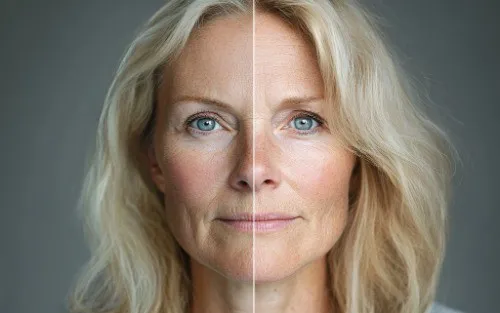
Ever looked in the mirror and thought, I feel good – why doesn’t my skin show it? You’re not alone. Many women in their 30s, 40s and beyond start to notice changes they can’t quite pin down. It’s not just about fine lines. Skin starts to lose bounce, brightness, and that deep-down smoothness you used to take for granted. And while skincare helps, sometimes it’s not enough.
That’s where skin rejuvenation comes in – not as a trendy fix, but as a science-led approach to helping your skin behave, feel, and look younger. Whether you’re managing dullness, pigmentation, fine lines, or early laxity, modern skin rejuvenation gives you tools that go far beyond surface hydration.
Why Skin Rejuvenation Isn’t Just About Age
-
It’s about cellular slowdown, not just wrinkles.
Collagen production begins declining in your mid-20s. By your 40s, it can drop by over 25%. You may start noticing skin that feels thinner, more prone to creasing, or slow to recover after a breakout. Rejuvenation treatments help stimulate collagen and elastin production from within – think of it as asking your skin to wake up and get back to work. -
It targets more than one issue at once.
The beauty of medical-led rejuvenation is its ability to multitask. Treatments can improve tone, refine texture, tighten skin and brighten discolouration – often at the same time. That means fewer separate appointments and more meaningful, visible changes. -
It’s not just for one skin type or tone.
Advances in technology mean rejuvenation is safer and more effective for a range of skin tones and conditions. Devices like Tixel or injectable biostimulators work without light or pigment risk – making them ideal for melanin-rich skin or sensitive areas like the neck and eyelids. -
The results aren’t instant – and that’s a good thing.
This isn’t a one-shot transformation. Most people notice a subtle glow first. Then, over 6–12 weeks, texture improves, fine lines soften, and skin starts holding onto hydration again. It’s a gradual, confidence-building shift – like turning up the volume on how good you already feel inside.
Curious what all of that looks like in practice – and what it could mean for your skin?
Read the full guide: What It Is, How It Works, And Who It’s For Skin Rejuvenation Explained
Not Just Anti-AgeingWhat Skin Rejuvenation Actually Treats
Wondering if skin rejuvenation can help you? Discover the truth about what it treats best, what to avoid, and what to expect from expert care.
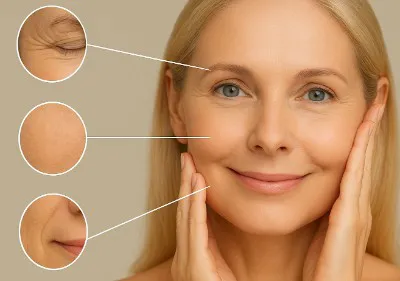
Ever stared into the mirror and wondered when your skin started telling a different story than the one you feel inside?
Maybe it's the way makeup doesn’t sit quite the same. Or the subtle shadow around the eyes that lingers longer than it used to. Perhaps it’s texture—rougher, less forgiving—or tone that feels uneven despite a shelf full of serums.
Skin ageing isn’t dramatic at first. It’s slow, sneaky, cumulative. And it shows up differently for everyone.
This guide exists to help you decode that story—and show you which skin rejuvenation options are genuinely worth considering.
-
From fine lines to pigmentation, sagging to scars, the symptoms of skin ageing and environmental damage are wide-ranging—but they’re also treatable with the right plan.
-
The treatments available today go far beyond facials or injectables. We’re talking clinical-level rejuvenation that works with your biology, not against it.
-
Technologies like radiofrequency microneedling, fractional lasers, and bio-stimulators don’t just blur imperfections—they stimulate skin to act younger, firmer, and smoother.
-
But not every treatment is right for every concern. Matching the right technology to your skin type, tone, and history is where the magic—and safety—lives.
And the most underrated fact? Skin doesn't just age from the outside in—it also changes from hormonal shifts, stress, lifestyle, and even sleep posture. One woman’s “tired skin” might be another’s early collagen loss. One man’s enlarged pores might be the aftermath of years of sun damage.
If you're looking for straight-talking, medically accurate advice on what’s possible (and what isn’t), this guide breaks it all down. No fluff. No filter. Just facts, clarity, and direction.
Ready to discover which skin conditions modern rejuvenation really can treat—and how to find the most effective options for you?
Read the full guide: Not Just Anti-Ageing What Skin Rejuvenation Actually Treats
Ageing Isn’t Just WrinklesThe Real Science Behind Ageing Skin
Fine lines are just the surface. Explore the biology of ageing skin - and how modern skin rejuvenation targets what creams can’t.

You don’t wake up one day with "old skin". It starts subtly – skin that doesn’t bounce back like it used to, makeup that sits differently, a dullness that no serum quite fixes. But here’s the truth: these aren’t just signs of the surface wearing out. They’re signals from deeper layers of your skin, where collagen depletes, repair slows, and your cellular machinery begins to shift.
If you’ve ever wondered why your skin is changing – or how you can actually intervene – this guide unpacks the science in plain, practical language. Because when you understand what’s happening inside your skin, you’re far better equipped to do something about it.
What’s really going on beneath the surface?
-
Your skin isn’t ageing evenly – and neither are its layers.
The epidermis (top layer) may look dull and dry, but it’s the dermis below that’s often the bigger problem. That’s where fibroblasts live – the cells responsible for collagen and elastin. Over time, these cells slow down. Not just from age, but from stress, UV exposure, and even poor sleep. According to the British Association of Dermatologists, UV light alone accounts for around 80% of visible skin ageing. -
Collagen loss isn’t just gradual – it accelerates.
By your mid-30s, collagen production drops off sharply. But what's rarely mentioned is that the quality of that collagen changes too. It becomes disorganised, weaker – like stretched-out elastic. The result? Skin that sags in one place and creases in another. It’s not just "getting older", it’s a breakdown of your skin’s scaffolding. -
Environmental damage rewrites your skin’s script.
From city air thick with nitrogen dioxide to blue light from your phone, modern life leaves a chemical fingerprint on your skin. These external aggressors trigger oxidative stress – a sort of microscopic rust – that affects DNA, lipids, and proteins within your cells. The science is clear: your skin doesn’t just react to the world, it remembers. -
Repair slows, but never stops – if you know how to support it.
One of the most overlooked truths? Ageing skin still responds to stimulation. With the right combination of topicals, lifestyle shifts, and clinical interventions, fibroblasts can be reactivated. Hyaluronic acid, peptides, retinoids – these aren’t buzzwords, they’re biochemical tools. Used well, they encourage renewal instead of resignation.
Understanding the real science behind ageing skin isn’t just interesting – it’s empowering. It helps you cut through marketing claims, ask better questions at consultations, and make choices based on evidence, not trends.
Read the full guide: Ageing Isn’t Just Wrinkles The Real Science Behind Ageing Skin
What’s The Difference?Skin Rejuvenation Vs Anti-ageing
Not sure if you need anti-ageing or rejuvenation? Learn the real difference so you can stop wasting money and start treating what your skin actually needs.
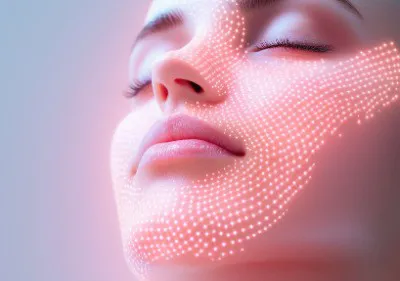
It starts subtly. A crease that doesn’t bounce back. Skin that feels dull, less elastic, maybe just… tired. You’re using the right creams, wearing your SPF, even dabbling in retinol. Still, your skin isn’t shifting the way it used to. The problem? Most people don’t know whether they need prevention - or repair.
That’s where the confusion between anti-ageing and skin rejuvenation comes in. One is about keeping future signs at bay. The other? Fixing damage that’s already shown up. This guide helps you work out which one your skin is quietly asking for—and how to treat it properly.
What You’ll Learn Inside the Full Guide
-
The true biological difference
Anti-ageing slows down what’s coming. Skin rejuvenation treats what’s already changed. We’ll break down how both interact with collagen, cellular turnover, and the visible signs you see in the mirror. -
Why prevention and repair don’t use the same tools
An SPF won’t fix pigmentation. A peptide serum won’t lift slackened skin. You’ll get a clear breakdown of what treatments fall under each category—from skincare to lasers to injectables—and why the difference matters. -
How to read your skin like a pro
You’ll learn the key signs that show whether your skin is losing hydration or collagen—or both. Think texture like crêpe paper under your eyes, or that faint discolouration on the cheek that no serum seems to shift. -
When to pivot your approach
Your skin’s needs evolve. What worked at 28 might not work at 38. This section explores when to shift from maintenance to correction—and how to do it gently, without over-treating or wasting money on the wrong solution.
There’s no one-size-fits-all plan for ageing well. But there is a smarter, more tailored way to understand what your skin needs now—not five years ago.
Read the full guide: What’s The Difference? Skin Rejuvenation Vs Anti-ageing
More Than Skin-DeepSkin Rejuvenation Treatments That Work
Explore science-backed skin rejuvenation treatments that lift, smooth, and restore—without surgery or overdone results.
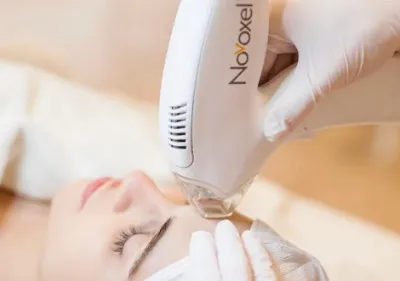
There’s a moment when skincare stops working as it once did. The glow fades - texture shifts. Your skin still looks fine, but it no longer feels like yours. If you’ve found yourself endlessly upgrading your routine but not your results, you’re not alone. Skin rejuvenation treatments are designed to step in where serums and surface-level fixes can’t – rebuilding collagen, tightening structure, and giving your skin its bounce back.
In this expert-led guide, we explore the most effective clinical skin rejuvenation treatments available in the UK – including bio-stimulators, laser resurfacing, radiofrequency microneedling and injectable skin boosters. Whether you’re targeting lines, sagging, dullness or thinning, this is where real change begins.
What’s Inside the Full Guide
-
Not all treatments are built alike – or for every face
There’s a world of difference between a fractional CO2 laser and a course of polynucleotides. Our guide walks you through how each treatment works, who it’s right for, and what kind of results you can realistically expect. Spoiler: collagen isn’t instant. But it’s worth waiting for. -
The science behind skin bounce and volume loss
Ageing isn’t just about wrinkles – it’s about density, hydration, tone. We break down what happens in the dermis over time, why your skin loses its firmness, and how regenerative treatments like Sculptra or Ellansé address the problem from the inside out. -
Downtime, cost and how to choose confidently
You’ll get an honest look at recovery times (yes, some lasers will leave you flaky for 5 days), pricing ranges across treatment types, and the red flags to avoid when choosing a provider. We also include questions to ask in your consultation, based on real patient experiences. -
When to start and what to combine
Starting in your 30s? Managing changes in your 40s or 50s? You’ll learn how treatments like microneedling, skin boosters and radiofrequency can be layered or timed for better results. We even cover the surprisingly powerful impact of treating the neck and hands – not just the face.
Whether you’re exploring skin rejuvenation for the first time or refining an existing plan, this guide is your clear, straight-talking companion to what works – and what’s worth waiting for.
Read the full guide: More Than Skin-Deep Skin Rejuvenation Treatments That Work
Not All Serums WorkTopical Ingredients For Skin Rejuvenation
Still not seeing results? Discover the topical ingredients that truly rejuvenate skin – from retinoids to peptides, antioxidants and more.
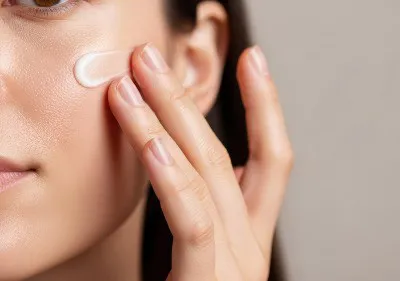
Why serums alone aren’t enough – and how active ingredients go deeper than your moisturiser ever could.
Ever layered on a pricey serum and still woken up to dull, tight, underwhelming skin? You’re not alone. Many over-the-counter skincare products stop at the surface – hydrating for a few hours, perhaps softening a line or two – but they rarely reach the deeper layers where true regeneration begins. That’s the real work of skin rejuvenation: cellular communication, structural support, and long-term barrier repair.
This guide dives into the topical ingredients that go beyond beauty trends – the ones with robust clinical evidence, real skin benefits, and a clear place in any science-backed skincare strategy. If you’re serious about results, you’ll want to know which molecules matter.
Key Insights
-
Retinoids and Retinol – Rewriting Skin’s Ageing Code
These vitamin A derivatives are known as the ‘gold standard’ for a reason. Retinoids promote collagen production, increase cell turnover, and reduce pigmentation. Expect initial dryness, but long-term use transforms texture and tone from the base up. Prescription-strength retinoids, like tretinoin, can reshape the dermis over time. -
Peptides and Growth Factors – Cellular Messengers with Precision
Not just hype: peptides are short-chain amino acids that signal the skin to produce collagen, elastin, and essential proteins. Growth factors (often lab-engineered) go further, enhancing wound healing and cellular repair. Together, they support firm, resilient, responsive skin. One high-performing peptide blend smells faintly metallic – a by-product of its active molecular composition. -
Vitamin C and Antioxidants – Defence, Brightening, and Barrier Support
L-ascorbic acid – the most active form of vitamin C – protects against free radicals and environmental stressors. When paired with antioxidants like ferulic acid and vitamin E, it helps prevent photodamage and uneven pigmentation. Formulation matters: unstable C oxidises fast and turns your serum brown. -
Hyaluronic Acid and Moisture Binders – The Foundation of Hydration
Not just a ‘hydrator’ – HA acts as a molecular sponge. Its weight and formulation determine how deeply it penetrates: low-weight HAs reach further into the dermis, while high-weight ones sit on top. The plump, glass-skin effect? That’s HA pulling in 1000x its weight in water – but only if the barrier’s intact.
Your skincare should be doing more than just sitting pretty. These clinically-backed ingredients are the quiet powerhouses driving real rejuvenation – with fewer gimmicks and more glow.
Read the full guide: Not All Serums Work Topical Ingredients For Skin Rejuvenation
How To Choose The Best Skin Rejuvenation Treatment For Your Skin Type
One treatment doesn’t fit all. Learn how to choose the safest, most effective skin rejuvenation based on your tone, texture, and goals.
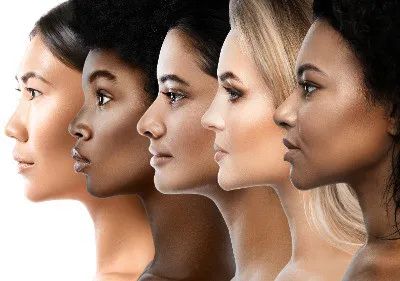
Is your skincare routine still ticking all the boxes—but your skin just isn’t responding like it used to?
Maybe your glow has dulled, your texture’s changed, or your serums no longer feel like they’re doing the heavy lifting. The truth is, when it comes to visible skin ageing—fine lines, sun damage, pigmentation—not all solutions are created equal. That’s where personalised skin rejuvenation steps in.
Choosing the proper treatment for your skin type can feel like navigating a maze of buzzwords, technologies, and promises. Laser? Tixel? Microneedling? Injectables? Each one offers real results—but only if matched to your skin’s biology, tone, and goals. This guide helps you decode the options and make a confident, clinically wise decision.
What You’ll Learn Inside the Guide
-
Why skin type matters in clinical aesthetics
It’s more than “oily vs dry.” Fitzpatrick skin types determine how your skin reacts to heat, light, and trauma—key factors when choosing lasers, microneedling, or chemical resurfacing. Learn how to identify your type (and what that means for downtime and risk). -
Treatments matched to real-life concerns, not just skin tone
Whether it’s hormonal pigmentation, crepey texture, or early jowls, we map out which options (from RF microneedling to bio-stimulators) offer visible improvements—without overcorrecting. Expect advice tailored to you, not the brochure version of beauty. -
The age–treatment sweet spot: what works when
Your 30s might call for hydration and collagen stimulation (hello, skin boosters), while your 40s and beyond may benefit from firmer lift strategies like lasers or RF energy. We break it down decade by decade—because your skin’s needs change, and your treatments should too. -
Safety, suitability, and intelligent sequencing
Some technologies (like fractional lasers) are brilliant for fair skin but risk hyperpigmentation in deeper tones. Others, like Tixel or PRP, offer impressive results across all skin types. You’ll learn when to proceed with caution—and what to pair or avoid entirely.
This guide doesn’t just list treatments—it explains them. With real-world insights, lived experience examples, and expert-backed clarity, it’s your roadmap to results that respect your skin’s individuality.
Read the full guide: How To Choose The Best Skin Rejuvenation Treatment For Your Skin Type
Smarter, Faster, Gentler ResultsThe Latest Innovations in Skin Rejuvenation
Want better skin with less downtime? Explore the newest skin rejuvenation innovations – including Tixel, mRNA, and more.
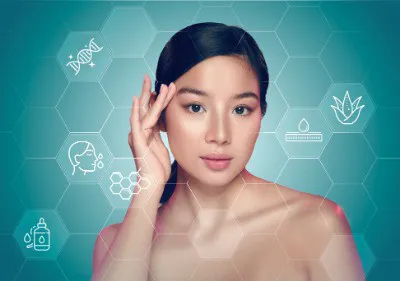
Have you ever felt like your skincare routine is running on autopilot while your skin has quietly changed gears? You’re not alone. From hormonal shifts to environmental stressors, the skin you had five years ago might not be the skin you’re treating today. That’s why staying updated on the latest skin rejuvenation trends isn’t about chasing fads – it’s about making more intelligent, more personalised choices that match where your skin is now.
In this guide, we dive into the most cutting-edge innovations in skin rejuvenation – treatments and technologies that go deeper than surface-level fixes. From regenerative injectables to AI-personalised skincare plans, the future of aesthetics is not just more advanced – it’s more intuitive, inclusive, and results-driven.
What’s New – And Worth Knowing
-
Exosomes: Cellular whisperers with serious potential
Derived from stem cells, exosomes are microscopic messengers that help repair and regenerate skin from within. They’re showing promise in boosting collagen, calming inflammation, and speeding up recovery post-laser or microneedling. Picture them like a team of microscopic couriers delivering skin-enhancing instructions exactly where they’re needed. -
mRNA-based skincare: From vaccines to vanity
The same messenger technology that transformed medicine is now being tested in aesthetics. Early studies show mRNA may trigger your fibroblasts to produce more collagen and reduce cellular ageing – promising longer-lasting skin health without bulk or filler. -
Tixel® and thermo-mechanical resurfacing
This non-laser, heat-based device is changing how we treat fine lines, pigmentation, and crepey skin – especially around the eyes. With lower downtime than traditional lasers, it’s become a favourite for clients seeking a refreshed look without the usual recovery arc. -
AI-powered skin diagnostics: Smarter than your mirror
From in-clinic scans to smartphone apps, AI is now being used to analyse everything from texture to pore size, then recommend targeted treatments or products. It’s personalised skincare without the guesswork – and it’s evolving fast.
Why it’s worth the click
Whether you're curious, cautious, or ready to book something new, our complete guide breaks down each trend in plain English – so you can decide what’s worth your time, trust, and investment.
Read the full guide: Smarter, Faster, Gentler Results The Latest Innovations in Skin Rejuvenation
It’s Not Always SafeThe Real Risks of Skin Rejuvenation Treatments
Discover the truth about skin rejuvenation side effects, risks, and who shouldn’t get treated. Read this before you book anything.
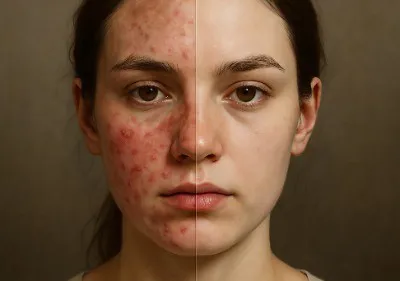
Have you ever felt excited about trying a skin treatment—only to stop short because you weren’t sure what could go wrong? You’re not alone.
From redness and sensitivity to rare but serious complications, the world of skin rejuvenation can feel like a minefield. But it doesn’t need to. Understanding potential risks isn’t about fear—it’s about informed, empowered decisions. This guide walks you through what matters when it comes to side effects, safety, and suitability.
What You Might Experience: Common, Mild Side Effects
Most skin rejuvenation treatments are safe when delivered by qualified practitioners—but mild, temporary reactions are still part of the process.
-
Redness and swelling are the most typical reactions, usually resolving within 24–48 hours. It’s your skin’s way of saying, “I’m working on it.”
-
Tenderness, warmth, or tingling may occur, especially in areas with thinner skin (under the eyes, around the jaw).
-
Flaking or micro-crusting (especially after RF microneedling, Tixel®, or fractional lasers) is a regular part of skin renewal—don’t pick at it.
-
Mild bruising can appear after injectable treatments like skin boosters or bio-stimulators and usually fades in a few days.
When to Pause: Important Contraindications to Know
Not every skin is ready for treatment. These red flags mean it’s time to delay or avoid specific procedures:
-
Pregnant or breastfeeding? Most clinics advise against energy-based or injectable treatments during this time due to limited safety data.
-
Recently on isotretinoin (Roaccutane)? Your skin’s healing ability is compromised. A 6–12 month waiting period is standard.
-
Active skin issues? Conditions like eczema, psoriasis, acne breakouts, or cold sores can worsen with heat or trauma.
-
Certain health conditions or implants (like pacemakers) may rule out RF or ultrasound-based treatments—always share your complete medical history.
Rare but Serious Risks (And How to Avoid Them)
These outcomes are uncommon—but awareness is key.
-
Hyperpigmentation is more likely in darker skin tones, especially if the wrong technology is used. Choose Fitzpatrick-safe protocols.
-
Burns, blisters, or scarring are rare but possible with aggressive settings or inexperienced providers. That’s why skill and training matter.
-
Infection is exceedingly rare, but proper aftercare is essential—especially post-laser or microneedling.
Why Practitioner Experience Matters (More Than the Price Tag)
A medically trained, CQC-registered practitioner isn’t a luxury—it’s your frontline defence. They’ll assess your skin correctly, use safe settings, and guide you through pre- and post-treatment protocols that reduce risk and speed recovery.
Think of it like this: you wouldn’t let just anyone cut your hair—why should your face be any different?
Read the full guide: It’s Not Always Safe The Real Risks of Skin Rejuvenation Treatments
Think It’s Too Expensive?The Cost of Skin Rejuvenation
From facials to lasers, discover what UK skin rejuvenation really costs and what you're paying for. No fluff, just facts.
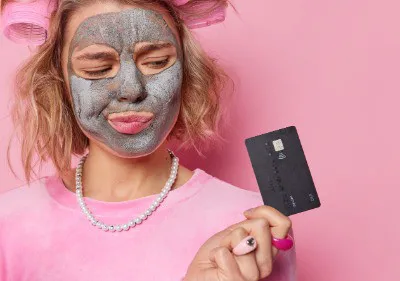
Have you ever looked at a treatment price list and thought—Why is there such a big difference between clinics?
If you’ve been researching skin rejuvenation, you’ve probably noticed prices ranging from under £100 to well over £1,000 for what seems like the same treatment. It isn’t very clear, especially when you’re trying to make an informed decision about your skin—and your wallet. That’s why understanding the actual cost of skin rejuvenation in the UK isn’t just helpful, it’s empowering.
Whether you're eyeing a course of microneedling, curious about Tixel®, or wondering if laser resurfacing is worth the splurge, this guide lifts the lid on what you’re paying for—and how to get the best value for your investment.
H3: Price ranges vary by treatment type, tech and provider
-
Non-invasive treatments (facials, superficial peels): These entry-level treatments typically cost £60–£150 per session. Great for short-term glow-ups, but results are usually temporary.
-
Minimally invasive treatments like microneedling, Tixel® or chemical resurfacing fall in the £150–£400 range per session, depending on technology, depth and provider qualifications.
-
Advanced medical treatments, such as CO2 laser or radiofrequency microneedling, can range from £500 to £1,500 per session, reflecting their intensity, effectiveness and required expertise.
Oddly specific? A single full-face Tixel® session in London might cost £295–£395, while the same treatment in Manchester could be £100 less—despite using the same device.
H3: Clinic credentials and location influence cost
-
Treatments performed by doctors or nurse prescribers tend to be priced higher—but also offer medical-grade protocols, tailored safety, and a more regulated experience.
-
CQC-registered clinics and those in major cities (mainly London, Edinburgh or Manchester) often carry higher fees due to overheads, demand and specialist talent.
-
Be wary of “bargain” treatments in non-clinical settings—especially if no consultation is included or aftercare seems like an afterthought.
H3: Hidden costs (and value) you might not see upfront
-
Some clinics include consultation, patch test, aftercare products, or follow-up as part of the quoted fee. Others may charge these separately.
-
Technology matters—a £300 microneedling session using RF and medical-grade serums is not the same as a £99 “needling facial” with cosmetic rollers.
-
Time-saving vs cost-saving: One higher-cost treatment with longer-lasting results may work out cheaper than multiple sessions of lighter treatments.
Good skin is an investment—but it doesn’t have to be a mystery. This guide unpacks every pricing layer, from technology to geography, helping you make confident, cost-conscious choices.
Read the full guide: Think It’s Too Expensive? The Cost of Skin Rejuvenation
Not Everyone Is QualifiedHow To Choose The Right Skin Rejuvenation Professional
Don’t gamble with your skin. Learn how to choose a safe, qualified professional for skin rejuvenation - no fluff, just facts.

Have you ever booked a “professional” treatment—only to wonder halfway through if they were truly qualified?
It’s a quiet anxiety that many face, especially in the aesthetics world, where glowy before-and-afters can disguise a worrying lack of regulation. In the UK, the title “skin specialist” isn’t protected. That means anyone—from highly trained medical professionals to underqualified operators—can market themselves as an expert.
So, how do you know who’s safe? Who’s skilled? And who’s just cashing in on the demand for skin rejuvenation?
This guide breaks through the noise to help you make confident, informed choices about who touches your face—and why that matters more than ever.
What credentials mean (and why titles alone aren’t enough)
-
In the UK, medical aesthetics is unregulated, especially for non-surgical skin rejuvenation.
-
“Practitioner” doesn’t mean “professional” — only titles like Doctor, Nurse Prescriber, or Dentist carry enforceable accountability through regulatory bodies like the GMC, NMC, or GDC.
-
Please be sure to look for independent CQC registration for clinics offering prescription-based treatments or using medical-grade devices.
Red flags that signal caution—not confidence
-
No clear information about the practitioner’s name, qualifications, or governing body on the website.
-
Pressure to book during a consultation, or “today only” pricing schemes.
-
Limited aftercare details, vague policies, or reluctance to discuss side effects.
-
An Instagram feed full of filters, but no clear, real-world patient reviews.
What “safe” actually looks like
-
A thorough consultation with medical history, skin analysis, and a realistic discussion of your goals.
-
A practitioner who’s happy to answer questions—even the difficult ones—and shows you CE-marked devices and treatment plans.
-
Transparent pricing that includes patch tests, follow-ups, or emergency support if needed.
-
A quiet confidence. Not hard selling. Not flash. Just clear expertise.
The emotional side of skin trust
-
Many women describe their skin journey as intimate, emotional—even vulnerable.
-
Choosing the wrong provider can leave more than just physical marks. That’s why the relationship should feel collaborative, respectful, and grounded in trust from day one.
-
As one client put it: “The first time I felt truly seen wasn’t in the mirror—it was during my consultation.”
If you’re serious about skin rejuvenation, who treats you is just as important as the treatment itself.
Beyond WrinklesHow Laser Skin Rejuvenation Really Works
Lasers do more than smooth lines. Discover how laser skin rejuvenation treats pigmentation, scarring, texture and more—with lasting results.
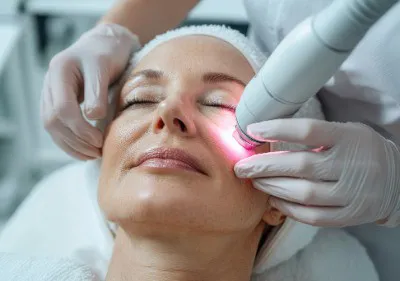
Ever looked in the mirror and wondered when your skin stopped catching the light quite the same way? You’re not alone. For many women in their 30s and 40s – and younger professionals feeling the first signs of change – that quiet shift in tone, texture, or bounce can prompt a bigger question: Is there something more effective than another serum?
That’s where laser skin rejuvenation enters the conversation. Backed by clinical research and used by dermatologists for decades, laser treatments go far beyond surface-level fixes. They stimulate collagen deep within the dermis, improve pigmentation and scarring, tighten skin, and leave you looking more refreshed than altered. But what makes them different from everything else on the market – and are they worth it?
This preview explores the essentials from our complete guide so you can start your journey with clarity and confidence.
H3: What Makes Laser Skin Rejuvenation So Effective?
Laser treatments work by creating a controlled response beneath the skin’s surface. This prompts natural regeneration – including new collagen, elastin, and a brighter, more even tone. The result? Skin that behaves younger, not just looks it.
-
Targeted collagen stimulation – Lasers reach deeper than creams or needling alone, triggering fibroblast activity in the dermis.
-
Versatility for multiple concerns – From fine lines to enlarged pores, sun damage, scarring, and laxity – laser can tackle them simultaneously.
-
Precision treatment options – Choose from ablative, non-ablative or fractional lasers depending on your goals, skin tone, and downtime tolerance.
H3: The Results Are Real – and Measurable
Most patients don’t want to look “done” – they want to look… rested. Laser skin rejuvenation offers natural, progressive improvements.
-
Smoother texture and tone within 2–4 weeks of treatment.
-
Softening of fine lines and pigmentation, especially around the eyes and cheeks.
-
Tightening in areas like the jawline and under-eyes after fractional treatments.
-
Noticeable “post-holiday” glow – minus the sun exposure.
Expect a build-up of results over 3–6 months as collagen production ramps up. Subtle? Yes. Powerful? Absolutely.
H3: What You Need to Know Before Booking
Laser isn’t for everyone – and the best outcomes come with good planning and realistic expectations.
-
Fitzpatrick skin type matters – fairer skins tolerate more aggressive lasers; melanin-rich skin may need pigment-safe technologies.
-
Downtime can vary – from 24 hours with gentle lasers to 7–10 days post-ablative resurfacing.
-
Not all concerns respond equally – advanced sagging or profound volume loss may require other solutions.
-
Choosing the right clinic is essential – your provider’s expertise determines both safety and outcome.
Laser skin rejuvenation is one of the most transformative, medically grounded treatments in aesthetics – but understanding how it works, what it can do (and what it can’t), and who it suits is essential before taking the next step. If you’re looking for a results-driven treatment that doesn’t compromise on subtlety or safety, it’s worth exploring.
Read the full guide: Beyond Wrinkles How Laser Skin Rejuvenation Really Works
Low Downtime, Real ResultsHow Thermal Ablation & Tixel For Skin Rejuvenation Work
Discover how Tixel® uses thermal energy to resurface skin, improve tone, and boost collagen – all with minimal downtime and no light or needles.
Ever feel like your skincare is working… but not quite hard enough?
You’ve invested in your routine, eaten your antioxidants, even dabbled in facials - but fine lines linger, tone looks uneven, and the glow you’re chasing keeps slipping through your fingers. You want visible change, not drama. Enter thermal ablation and the rising star of skin tech: Tixel®.
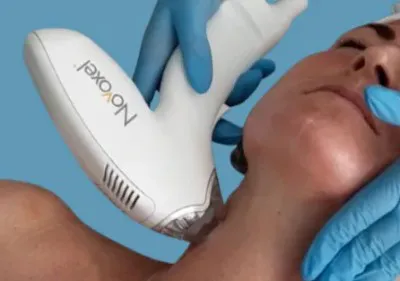
Offering a non-laser, non-invasive approach to resurfacing, Tixel® works by delivering precise heat to the skin’s upper layers - stimulating collagen, smoothing texture, and restoring glow with minimal downtime. If lasers feel like too much, and skincare alone isn’t quite enough, this could be the gentle disruptor your skin’s been waiting for.
What makes thermal ablation different?
-
It’s not a laser, but it works like one – without the light.
Tixel® uses pure heat delivered via a titanium tip heated to 400°C. Sounds intense, but here’s the twist: it only touches your skin for milliseconds. Think of it as a sun-warmed pebble tapping your cheek - brief, focused, surprisingly gentle. -
It’s safe for darker skin tones and delicate areas.
Because there’s no light energy involved, Tixel® carries a lower risk of pigmentation in melanin-rich skin. It’s also uniquely suited to fragile zones like the eyelids, neck, and décolleté—areas where traditional lasers often hesitate. -
It delivers that elusive “reset” look.
With a course of treatments, many patients notice a firmer, smoother, more even-toned complexion that still looks like them - just better rested. The change builds gradually, making it perfect for those seeking natural-looking rejuvenation, not an overnight transformation. -
It fits real life.
Mild redness, maybe a little flaking, and you’re back to work or school run the next day. No bandages. No hiding out. Just strategic heat, and your skin doing the rest.
If you’re curious about how thermal ablation works, who it’s best for, and what kind of results you can realistically expect - our full guide breaks it all down, with warmth, clarity, and zero fluff.
Which One Does Your Skin Actually Need?Microneedling vs Radiofrequency Microneedling
Curious about microneedling? Learn how it boosts collagen, smooths texture, and whether RF microneedling is worth the extra cost.
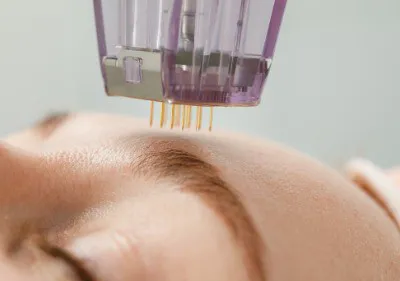
Ever wondered why your skincare routine doesn’t seem to go deep enough anymore? For many of us, that slow loss of elasticity, glow, and bounce isn’t due to a lack of effort — it’s a sign your skin needs support at a deeper level. Microneedling and RF microneedling are two powerful, clinically proven treatments that do just that: stimulate collagen, improve texture, and restore skin strength from the inside out.
Whether you’re noticing fine lines for the first time, dealing with post-acne scarring, or want to boost skin confidence without injectables, this guide explores the whole picture — what the treatments do, how they differ, and how to decide which one fits your skin best.
Overview
A tale of two technologies – both designed to rejuvenate from within
-
Microneedling uses fine needles to create controlled micro-injuries in the skin, triggering natural healing responses. Think smoother texture, tighter pores, and a fresher glow over time.
-
RF Microneedling adds a thermal layer — radiofrequency energy — that heats the dermis during the needling process. This enhances collagen remodelling and provides a subtle skin-tightening effect, ideal for early jowls or deeper scarring.
-
The sensation? Microneedling feels like a scratchy facial. RF microneedling feels warmer and slightly deeper — more "toasted marshmallow" than “sunburn.”
Downtime, discomfort, and what recovery looks like
-
Microneedling typically involves 24–72 hours of mild redness and tightness — most describe it as “post-gym skin.”
-
RF microneedling may result in more swelling or puffiness, especially around the jawline, with downtime lasting up to five days in some cases.
-
Both are well tolerated with topical numbing, and results begin to show around the 7–10 day mark — building progressively over weeks.
Who it’s for — and why personalisation matters
-
Both treatments are suitable for a wide range of skin tones and types, though a medically qualified practitioner should always perform RF.
-
Those with pigmentation concerns or deeper skin tones often benefit from microneedling alone, due to the lack of heat.
-
If skin laxity or deeper acne scarring is the issue, RF microneedling often delivers more visible results in fewer sessions.
Cost, care, and the value of consistency
-
In the UK, microneedling starts at around £150–£300 per session. RF microneedling ranges from £250 to £700+, reflecting its enhanced depth and technology.
-
A typical course involves 3–5 sessions spaced 4–6 weeks apart. Maintenance is recommended annually or as needed.
-
The glow is real — but it’s gradual. Think of it as skin training, not a one-time sprint.
Both microneedling and RF microneedling can help restore confidence in your skin — but knowing the differences is key to getting results you’ll love. From the depth of the treatment to how your skin heals, it’s about matching the method to your goals.
What They Really Do For Your SkinInjectable Skin Boosters & Fillers
Injectables aren’t what they used to be. Learn how today’s skin boosters and fillers support glow, structure, and long-term skin quality.
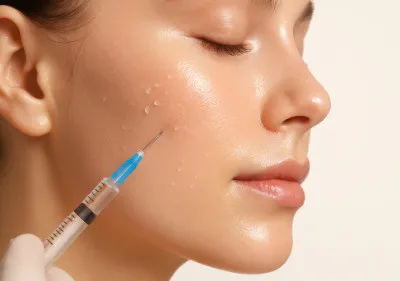
When your skin starts to feel a little… flat – not quite tired, but not quite radiant either – it’s easy to fall into a cycle of trialling new creams, supplements, or facials that promise glow and give little. Injectable skin boosters and dermal fillers offer something more targeted and long-lasting: medical aesthetics designed to rehydrate, restore, and subtly reshape from within.
But what’s the difference between them? Which one is right for your skin type, your age, or your lifestyle? And how can you make a decision that feels empowering, not overwhelming?
Whether you’re after a gentle glow or sculpted support, this guide explores the world of injectables in rich, reassuring detail – with insights you won’t find in a product leaflet.
Key Insights at a Glance
-
Boosters: hydration that acts like scaffolding from within
Skin boosters – such as Profhilo or Teosyal Redensity – are like a tall glass of water for tired skin. They deliver ultra-lightweight hyaluronic acid beneath the surface to improve elasticity, smoothness and bounce. No dramatic plumpness. No filler face. Just revived skin that looks rested and quietly radiant. -
Fillers: structure, definition and volume where it matters
Unlike boosters, dermal fillers work by replacing lost volume – often in areas like the cheeks, lips, or jawline. The aim isn’t to change your features, but to restore what’s faded: natural contours, subtle lift, softened folds. When done well, you just look like you on your best day. -
Not sure what you need? You might benefit from both
Many patients find the sweet spot in a strategic combination: boosters to refresh the canvas, and filler to refine its shape. A well-designed treatment plan might include Profhilo for overall skin quality, paired with a touch of cheek filler to restore light and lift. It’s about synergy, not excess. -
Safety isn’t optional – it’s the foundation
With all injectables, practitioner skill is everything. Look for a medically qualified professional who listens to your goals, explains risks clearly, and tailors your plan to your skin’s unique needs. If they rush the consultation or overpromise results – walk away. Expertise should feel calm, never pushy.
Choosing between skin boosters and fillers isn’t just about aesthetics – it’s about confidence, comfort, and control. This full guide breaks down the science, safety, and strategy behind each option, so you can make the right decision for your skin.
Read the full guide: What They Really Do For Your Skin Injectable Skin Boosters & Fillers
From Slack Jawlines To Skin FatigueNon-Surgical Skin Tightening
Discover what non-surgical skin tightening really treats—from slack jawlines to skin fatigue. No hype, just clarity and expert insight.
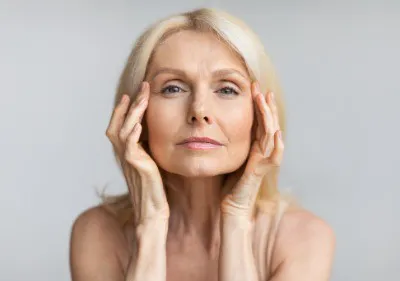
Has your skin lost a little of its natural ‘snap’?
That slow softening along your jawline or a faint loosening around your eyes — it’s not dramatic, but it’s there. And if you’ve reached the point where your skincare routine alone isn’t cutting it, you’re not alone. Non-surgical skin tightening is fast becoming one of the most sought-after ways to reclaim firmness, subtly lift, and support skin as it ages — without going under the knife.
This standalone, search-optimised preview explores the rise of non-invasive skin tightening treatments, giving you a taste of what to expect from the full in-depth guide — from how they work, to who they’re right for, to what kind of results are realistic.
What non-surgical skin tightening actually does – and doesn’t do
Forget filters and fillers for a moment. These treatments target your skin’s natural collagen and elastin, encouraging regeneration from within. Using energy-based technology like radiofrequency (RF), ultrasound, or thermal ablation (like Tixel®), these treatments gently heat the deeper dermis to stimulate collagen – firming skin gradually, without damaging the surface.
-
You won’t walk out with a facelift, but you may see firmer cheeks, a lifted brow or more defined jawline over time.
-
Perfect for early to moderate skin laxity — not severe sagging or significant volume loss.
-
Multiple sessions are typically required, with results building subtly over 2–3 months.
The treatment options: RF, ultrasound, Tixel® and beyond
Non-surgical skin tightening is not a one-size-fits-all field. The full guide breaks down how key treatments differ — from microneedling with RF, to laser-based skin remodelling, to thermal devices like Tixel®. Each has its own mechanism, downtime, and best-use case.
-
RF microneedling can be a game-changer for mild jowling and crepey skin.
-
Tixel® uses pure heat (not light or needles) and suits those looking for subtle lifting with minimal recovery.
-
Ultrasound treatments like Ultherapy go deeper, targeting connective tissue for structural tightening — though they’re pricier.
Who it’s for – and when to start
Many patients don’t wait until their skin has fully ‘gone’. In fact, the best results come from treating early signs of laxity — not trying to reverse significant sagging. If your skin feels thinner, less resilient, or you’re noticing subtle softening around your lower face, you might be in the ideal window to begin.
-
Most effective for women in their late 30s to 50s noticing early signs of skin laxity.
-
Safe for most skin tones — with Tixel® and RF often better suited for melanin-rich skin.
-
Contraindications exist (pregnancy, active acne, etc.), so professional assessment is key.
Whether you're curious about firming your jawline or investing in long-term skin integrity, this guide gives you clarity, not clinic jargon. Explore the science, compare treatments, and discover what’s genuinely worth your time and money.
Read the full guide: From Slack Jawlines To Skin Fatigue Non-Surgical Skin Tightening
The Future Of Natural-Looking AestheticsBio-Stimulators for Skin Rejuvenation
Want firmer, smoother skin without fillers? Explore UK-approved bio-stimulators that work with your body—not against it.
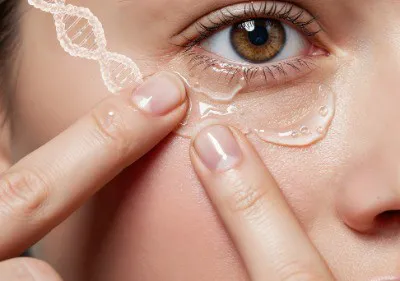
You’ve upgraded your skincare, committed to a good night’s sleep, and maybe even dabbled in the occasional facial or filler. Still, your skin feels thinner. Less elastic. A little... faded. You’re not alone. Many people in their 30s and 40s reach a point where topical solutions no longer feel like enough – but jumping straight to aggressive interventions doesn’t feel quite right either.
That’s where bio-stimulators step in. These clinically proven injectables don’t just “fill” or “freeze” – they rebuild your skin’s own collagen structure from within. And the results? Subtle, cumulative, long-lasting. Think healthier texture, firmer tone, and a complexion that catches the light again.
Whether you’re curious, cautious, or quietly seeking a smarter way to support your skin’s natural resilience, this guide unpacks everything you need to know.
What You’ll Discover in the Full Guide
A new generation of injectables – and why they’re different
-
Bio-stimulators work by activating your skin’s own collagen production – no artificial volume or exaggerated effects.
-
Expect a slow build of results over weeks or months, rather than an instant transformation.
Who they’re ideal for – and who should skip them
-
Perfect for people in their late 20s to 60s who want skin to look healthier, not “done”.
-
They’re especially suited for treating skin laxity, thinning, and early volume loss in the face, neck, hands, and décolletage.
-
They may not be right for you if you're after quick fixes or have conditions like autoimmune disorders, active infections, or are pregnant.
Subtle results, real longevity
-
Improvements in tone, elasticity, and density often last 12–24 months, making them lower-maintenance than traditional fillers.
-
One patient described her post-treatment glow as “like my skin remembered how to bounce.” That’s collagen at work.
What to expect – from consultation to results
-
Treatments usually take 30–45 minutes and involve little downtime – a few days of mild swelling or tenderness at most.
-
You may need 2–3 sessions, spaced several weeks apart. The effect builds over time, revealing skin that feels more like itself again.
-
Realistic expectations are key. You won’t walk out looking different – just fresher, firmer, more rested.
If you’re looking for a regenerative, understated approach to skin ageing – one that prioritises long-term skin health over quick fixes – bio-stimulators may be the turning point you didn’t know your routine needed.
Read the full guide: The Future Of Natural-Looking Aesthetics Bio-Stimulators for Skin Rejuvenation
Skin Rejuvenation Quick FAQs
Clear, Concise Answers to Common Queries
A simple, no-fluff roundup of frequent Skin Rejuvenation questions to help you get the facts fast.

How Soon Can I Wear Makeup After A Skin Rejuvenation Treatment?
It depends on the procedure. For most non-invasive treatments, light, mineral-based makeup can be applied after 24 hours. More intensive resurfacing or needling treatments may require 3–5 days before makeup to avoid irritation and allow skin to heal properly. Always follow your practitioner’s aftercare guidance.
Are There Skin Rejuvenation Options Suitable For Sensitive Skin?
Yes, treatments like LED light therapy, gentle enzyme peels, and certain non-ablative laser settings can be tailored for sensitive skin. Your practitioner can adjust intensity, select calming ingredients, and recommend patch testing to ensure safety and comfort.
Can Skin Rejuvenation Help With Under-eye Hollows?
Skin rejuvenation can improve skin texture and fine lines under the eyes, but pronounced hollows often need dermal fillers or bio-stimulators. A consultation can determine if a combination approach is best for your needs.
What’s The Best Season To Book Skin Rejuvenation Treatments?
Autumn and winter are ideal because reduced UV exposure lowers the risk of post-treatment pigmentation. However, with proper sun protection, many treatments can be performed year-round.
How Long Before A Holiday Should I Schedule My Treatment?
Plan at least two weeks before travel to allow for healing and to avoid sun sensitivity during recovery. For more intensive procedures, aim for 4–6 weeks in advance.
Can Men Benefit From Skin Rejuvenation Treatments?
Absolutely. Men often seek skin rejuvenation for texture improvement, acne scarring, and signs of ageing. Treatments are tailored to male skin density and hair growth patterns.
Do Results From Skin Rejuvenation Look Natural?
When performed by qualified practitioners using the right techniques, results are typically subtle and natural-looking. The goal is fresher, healthier skin, not an artificial appearance.
Are At-home Devices Effective For Skin Rejuvenation?
Some at-home tools, like LED masks or microcurrent devices, can offer mild benefits with consistent use. However, they are generally less powerful than professional treatments and may take longer to show results.
Can Skin Rejuvenation Improve Smoker’s Lines?
Yes. Fractional lasers, microneedling with radiofrequency, and targeted skin boosters can soften vertical lip lines, commonly called smoker’s lines, by stimulating collagen production.
What Lifestyle Changes Can Boost My Treatment Results?
Protecting skin from the sun, maintaining a balanced diet, staying hydrated, and using medical-grade skincare can all help prolong and enhance your results.
Is It Possible To Combine Multiple Skin Rejuvenation Treatments?
Yes, combination therapy is common for improved results. For example, pairing microneedling with platelet-rich plasma or combining laser resurfacing with skin boosters can address multiple concerns at once.
Can I Have Skin Rejuvenation If I’m Breastfeeding?
Most practitioners recommend delaying treatments involving injectables, strong peels, or certain energy-based devices until after breastfeeding, due to limited safety data.
How Do I Know If I’m A Good Candidate For Skin Rejuvenation?
A consultation with a qualified professional will assess your skin type, concerns, medical history, and expectations. This helps determine which treatments, if any, are suitable for you.
Are Results From Skin Rejuvenation Permanent?
No. While many treatments offer long-lasting benefits, skin continues to age naturally. Maintenance sessions and good skincare habits are key to preserving results.