

Dermal fillers are injectable gels used in medical aesthetics to restore volume, soften certain lines, and refine facial contours. They are often discussed as a single treatment, but in practice, there are different filler materials, formulations, and techniques, each suited to particular concerns and areas of the face. That variety is one reason the topic can feel confusing, especially when online information mixes brand marketing, personal anecdotes, and inconsistent advice.
A careful, informed understanding matters because fillers are medical devices and results depend heavily on appropriate product selection, facial anatomy, and clinical technique. The same treatment name can describe very different approaches, and not everyone is a suitable candidate for every area. It is also important to understand what is normal after treatment, what risks exist (even if uncommon), and what questions to ask to reduce avoidable problems.
This guide sets out the essentials: the main types of dermal fillers and how they behave, where they are typically used, what a standard appointment involves, and what aftercare and review usually look like. It also covers practical decision points, including how to evaluate a practitioner, how longevity varies, and how to think about safety and reversibility without alarm.
Our Preferred Partner - Neauvia PEG-HA Fillers
Neauvia PEG-HA Fillers represent the next generation of dermal filler technology, formulated with polyethylene glycol (PEG)–crosslinked hyaluronic acid to create a highly stable, biocompatible, and long-lasting filler range. Designed to integrate seamlessly into the skin, Neauvia fillers provide natural-looking volume, enhanced contouring, and structural support while maintaining softness and flexibility. This advanced PEG-HA technology offers superior longevity, reduced swelling, and improved safety compared to traditional HA fillers. The Neauvia range is tailored for full-face rejuvenation, including lips, cheeks, jawline, chin, nasolabial folds, and skin quality enhancement, delivering refined, balanced results with minimal downtime.

Understanding Dermal Fillers
A Scientifically Backed Way to Rejuvenate the Face
As we age, our skin loses collagen, elastin, and fat—key components that give our faces structure, volume, and youthful elasticity. Dermal fillers are injectable gels designed to restore what time takes away. They’re most commonly used to smooth wrinkles, plump up areas that have lost volume, and enhance features like lips, cheeks, or the jawline.
These treatments work by mimicking naturally occurring substances, such as hyaluronic acid, a molecule that helps retain moisture and firmness in the skin.
What Makes Dermal Fillers Effective
- Restores lost volume: Fillers replenish areas that have become hollow, such as the cheeks, temples, or under-eyes.
- Smooths wrinkles and folds: They can soften the appearance of deep lines, such as nasolabial folds or marionette lines.
- Enhances facial contours: Used strategically, fillers can sharpen the jawline, lift cheekbones, or define the chin.
- Hydrates the skin: Some fillers draw moisture into the skin, improving its texture and radiance from within.
Quick, Effective, and Minimally Invasive
- Most procedures take less than an hour to complete.
- Results are often immediate, with minimal bruising or swelling.
- Many fillers are made from biocompatible substances, which lowers the risk of allergic reactions.
Dermal fillers aren’t just about smoothing wrinkles—they’re a powerful tool in restoring balance, structure, and hydration to the face with subtle, natural-looking results.
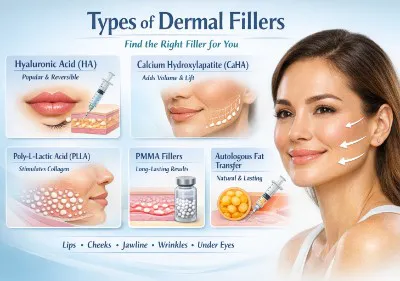
Types Of Dermal Fillers
Not all dermal fillers are created equal. Each type is formulated to target specific concerns, areas of the face, and desired outcomes. Understanding the differences can help you choose the most suitable option with your practitioner.
Hyaluronic Acid (HA): Hydration and volume in one
- HA is a naturally occurring substance in the body that helps retain moisture and elasticity in the skin.
- Popular brands like Juvederm, Restylane, and Belotero use HA to plump lips, smooth fine lines, and restore lost volume.
- Results are immediate and typically last 6 to 18 months. Bonus: they can be reversed if needed using hyaluronidase.
Calcium Hydroxylapatite (CaHA): Volume plus collagen stimulation
- Found in products like Radiesse, CaHA mimics a mineral naturally present in bones.
- It's thicker than HA and ideal for deeper wrinkles or areas needing more structure, such as the cheeks or jawline.
- Results last around 12 months and promote your body’s collagen production over time.
Poly-L-lactic Acid (PLLA): Gradual, natural rejuvenation
- Unlike HA, PLLA (e.g. Sculptra) works over time by stimulating collagen synthesis.
- Best suited for those seeking subtle, long-term improvement in facial volume and skin texture.
- Effects can last over two years, but multiple sessions may be needed.
Poly-D, L-lactic Acid (PDLLA): A next-gen collagen stimulator
- Products like Juvelook and Lenisna combine collagen-boosting technology with biocompatibility.
- They offer subtle, long-lasting improvement with a strong safety profile and natural-looking results.
Polymethylmethacrylate (PMMA): A more permanent solution
- Found in Bellafill, PMMA consists of tiny biocompatible microspheres that remain under the skin indefinitely.
- It’s best for those seeking long-term correction of deep lines or acne scars.
- As results are permanent, it's essential to proceed with a well-informed, cautious approach.
Autologous Fat Injections: Your body’s own filler
- Fat is harvested from another part of your body (often the abdomen or thighs) and reinjected into the face.
- This technique is surgical but provides natural, semi-permanent volume restoration.
- An appealing option for those preferring a natural substance and added body contouring.
Combination Fillers: The best of both worlds
- Products like Stimulate and HarmonyCa blend HA with CaHA for immediate lift and collagen-stimulating effects.
- Often used for mid-face rejuvenation, these hybrids deliver balanced, longer-lasting results with fewer top-ups.
Choosing the right filler is a personalised decision based on your goals, facial structure, and skin quality. A consultation with a skilled practitioner will help match the right product to your individual needs.
Choosing The Right Type Of Filler
Matching the Filler to Your Face and Goals
Selecting the most appropriate dermal filler isn’t just about picking a brand - it’s about understanding your aesthetic goals, facial anatomy, and how different materials behave in the skin. A one-size-fits-all approach simply doesn’t work here. This section will help you understand how personalised decisions lead to better, more natural-looking results.
Start with Your Aesthetic Goals
Every patient walks in with a different objective - whether it’s subtle rejuvenation or more defined contouring.
- Volume restoration: For cheeks, temples, or midface, denser fillers like CaHA or polyalkylimide may be ideal.
- Fine line smoothing: Lighter hyaluronic acid fillers work well for lips, smokers’ lines, and crow’s feet.
- Long-term structural change: PMMA and fat grafting provide lasting volume and shape correction.
- Gradual improvement: Polylactic acid is best if you prefer collagen stimulation over time, with subtler effects.
Understand the Filler Categories
- Hyaluronic Acid (HA): Reversible, hydrating, and beginner-friendly. Great for subtle enhancements and fine-tuning.
- Calcium Hydroxylapatite (CaHA): Ideal for deeper folds and facial contouring.
- Polyalkylimide: Used for more significant facial changes; semi-permanent but removable if needed.
- Polylactic Acid: Stimulates your body’s own collagen gradually; requires a course of treatments.
- PMMA: Best for patients seeking permanence and who understand the commitment involved.
- Fat Grafting: A good fit for those wanting a natural, long-term option and who are open to a surgical process.
Factor in Safety, Experience, and Flexibility
- Skin type and health conditions: Some fillers may not be suitable for very thin skin or for people with specific allergies.
- Previous treatments: If you’ve had filler before, your provider may build on the existing result or dissolve old product first.
- Lifestyle considerations: If you're new to aesthetic treatments or unsure, starting with a reversible filler like HA can provide peace of mind.
The Importance of Consultation
A good consultation is not just a sales conversation - it’s a clinical assessment. Expect your practitioner to:
- Review your medical history
- Examine your facial structure and skin quality
- Discuss realistic outcomes and potential risks
- Recommend a treatment plan that aligns with both your goals and lifestyle
Building a Plan That Evolves With You
In many cases, your first filler serves as a baseline. Over time, subtle adjustments and complementary treatments (like skin boosters, toxin, or energy-based therapies) can refine and maintain your results. A flexible, personalised plan ensures that your aesthetic evolves gracefully - never dramatically.
Choosing the right filler is about informed decision-making, guided by expert advice. By understanding what’s available and what suits you best, you can move forward with clarity and confidence.
The Procedure: What To Expect
From Consultation to Confidence — A Step-by-Step Overview
Knowing what to expect from a dermal filler appointment can help calm nerves and set realistic expectations. While the procedure itself is usually quick, each stage plays a crucial role in ensuring safety, comfort, and beautiful results.
Initial Consultation
This is where your treatment journey begins.
- Your practitioner will assess your facial anatomy, skin condition, and overall health.
- You’ll discuss your goals, medical history, and any previous aesthetic treatments.
- Based on this, a tailored treatment plan will be developed, including filler type, placement strategy, and cost.
A good consultation should feel collaborative - not rushed or sales-driven. It’s your opportunity to ask questions and ensure you’re in expert hands.
Preparing for Your Appointment
While preparation is minimal, a few precautions help reduce bruising and enhance results:
- Avoid alcohol and blood-thinning supplements (like vitamin E, fish oil, aspirin, and ibuprofen) for 3–7 days before treatment.
- Stay hydrated and maintain good skin health with moisturiser and gentle exfoliation.
- Inform your practitioner of any upcoming events or travel so they can advise accordingly.
During the Procedure
Most filler sessions take 30–60 minutes, depending on the area treated.
- The skin is thoroughly cleaned and numbed with a topical anaesthetic or, in more sensitive areas like the lips, a nerve block.
- Your practitioner will use either a fine needle or cannula to inject the filler in precise layers.
- You may feel pressure or mild stinging, but discomfort is usually brief and manageable.
Experienced practitioners often take a ‘less is more’ approach - starting conservatively and adjusting in future appointments if needed.
After the Appointment
Expect some mild swelling, redness, or bruising around the injection sites.
- Use cold compresses intermittently for the first 24 hours to minimise swelling.
- Avoid strenuous activity, heat exposure (like saunas), and alcohol for 24–48 hours.
- Most patients return to work or normal life the same day.
Results are often visible straight away, though final outcomes take 1–2 weeks to settle as swelling resolves and the filler integrates fully.
Dermal fillers offer a relatively quick, low-downtime way to enhance your natural features. Knowing the process - from consultation to recovery - empowers you to go into your appointment informed, confident, and comfortable.
Aftercare And Maintenance
Extending Your Results with Smart Aftercare
Once your dermal filler treatment is complete, how you care for your skin in the hours and days following can have a significant impact on your results. Good aftercare helps reduce the risk of side effects and ensures your investment lasts as long as possible.
Immediate Aftercare Tips
The first 24–48 hours are key to a smooth recovery.
- Avoid touching or massaging the area unless your practitioner advises it - this helps the filler settle evenly.
- Skip the gym and saunas for at least 24 hours. Heat and intense activity can increase swelling and bruising.
- Sleep with your head slightly elevated to minimise puffiness overnight.
- Apply cold compresses in short bursts during the first day to reduce swelling.
- No makeup for 12–24 hours, especially on treated areas, to lower the risk of infection.
Longer-Term Maintenance
Filler results aren’t permanent, but with care, they can last longer and look better.
- Stay well-hydrated, especially if you’ve had hyaluronic acid fillers - hydration enhances their plumping effect.
- Protect your skin from UV exposure. Use broad-spectrum SPF daily to prevent collagen breakdown.
- Maintain a tailored skincare regimen with ingredients that support skin health - think hyaluronic acid serums, peptides, and antioxidants.
- Avoid smoking, which accelerates skin ageing and can shorten filler longevity.
- Schedule follow-up treatments as recommended. Many people return every 6–18 months, depending on the type of filler and area treated.
Complementary Treatments to Consider
For optimal results, fillers often work best when combined with other treatments:
- Polynucleotides can improve skin texture and hydration.
- Toxin injections (e.g., Botox) can relax overactive muscles that contribute to wrinkles.
- Energy-based treatments, such as radiofrequency or laser, can tighten skin and boost collagen production.
Rather than relying solely on filler, a balanced treatment plan usually offers the most natural, long-lasting results.
When to Get in Touch
Though complications are rare, contact your practitioner if you notice:
- Severe pain or swelling
- Skin discolouration (especially a dusky or greyish tone)
- Signs of infection, such as heat, redness, or pus
Prompt care ensures any concerns are addressed early and appropriately.
Caring for your skin after filler treatment is just as important as the procedure itself. By following expert guidance and staying consistent with skincare and lifestyle habits, you’ll not only prolong your results, but also enhance your skin’s overall health and appearance.
Benefits Of Dermal Fillers
Why Fillers Are a Go-To for Facial Rejuvenation
Dermal fillers have become a mainstay in modern aesthetics for good reason. They offer a non-surgical way to refresh and restore the face, combining immediate gratification with natural-looking enhancement. Whether you’re targeting subtle changes or more defined results, the versatility of fillers makes them a powerful tool for personalised treatment.
Key Advantages of Dermal Fillers
- Instant results: Most fillers deliver visible improvements immediately after the procedure, with continued refinement over the following days.
- Minimal downtime: Many patients return to work or social events on the same day - making fillers an ideal lunch-hour treatment.
- Versatile applications: Fillers can smooth lines, lift sagging skin, plump lips, contour the jawline, and rejuvenate hollow areas—all in one session if needed.
- Customisable outcomes: From barely-there refreshment to bold contouring, results can be tailored to your preferences and facial anatomy.
- Natural integration: When injected skilfully, fillers blend seamlessly into facial tissue, enhancing your features without looking “done.”
- Biocompatibility and safety: Most modern fillers use materials like hyaluronic acid that are naturally found in the body or designed to be well-tolerated.
Emotional and Psychological Impact
- Many patients report a boost in confidence and self-esteem, often describing their results as “looking like themselves, just fresher.”
- Subtle improvements can have a profound effect on how others perceive you, particularly in professional or social settings.
Dermal fillers offer a rare combination: fast results, customisable treatment, and a high safety profile when performed by experienced professionals. They’re not just about looking younger - they’re about looking your best, on your own terms.
Cost And Financing Options
Planning Ahead for Your Aesthetic Investment
While dermal fillers are more accessible than surgery, they’re still a financial investment. Understanding what influences the cost—and how to manage it - can help you plan confidently and avoid any surprises along the way.
What Affects the Cost of Dermal Fillers?
Several key factors will shape the price of your treatment:
- Type of filler used: Products vary in cost. Hyaluronic acid is commonly used and typically sits at a moderate price point, while long-lasting fillers like PMMA or fat grafting can be more expensive.
- Volume required: The more product you need, the higher the cost. Treating large areas or restoring significant volume will naturally require more filler.
- Treatment area: Finer, more intricate areas, like under the eyes, may cost more due to the advanced skill required.
- Practitioner expertise: Highly experienced aesthetic practitioners may charge more, but you're also paying for safety, artistry, and results.
- Clinic location: Prices can vary by geography, with central-city clinics often charging more than rural or suburban practices.
Financing Options and Payment Plans
Most reputable clinics understand that aesthetics is an ongoing journey, and many offer flexible options:
- Interest-free payment plans: Spread the cost over several months for easier budgeting.
- Pay-as-you-go models: Start with smaller treatments and build on them over time.
- Package pricing: Some clinics offer bundle deals when combining multiple areas or scheduling repeat treatments.
Is It Worth It?
Absolutely - when done properly. And here’s a helpful tip:
- Follow-up treatments tend to cost less than initial ones. Once your foundation is set, future top-ups typically require smaller amounts of product.
- Good aesthetic care is an investment, not just in appearance but in self-confidence and wellbeing. Cutting corners to save money can result in higher long-term costs if corrections are needed.
Cost shouldn’t be the only factor in choosing a practitioner - but understanding your options helps you make informed, sustainable decisions. Quality, safety, and trust in your provider are always worth the investment.
Conclusion
A Personalised Path to Looking Refreshed, Not “Done”
Dermal fillers have earned their place in modern aesthetics by offering a safe, subtle, and flexible way to rejuvenate the face without surgery. Whether you're seeking to restore lost volume, define your features, or simply look a bit more rested, fillers can be tailored to meet your needs with precision and care.
Throughout this guide, we’ve explored:
- The types of dermal fillers and how they work
- How to choose the right filler for your goals and anatomy
- What to expect from the procedure and recovery
- Aftercare tips to protect and prolong your results
- How fillers compare to other cosmetic options
Fillers are not about changing who you are - they're about helping you look like the best version of yourself.
If you're considering dermal fillers, the most important step is a consultation with a qualified, experienced practitioner who prioritises your safety, listens to your goals, and builds a personalised plan that evolves with you.
Ready to explore dermal fillers in more detail?
Book a consultation or browse our treatment options to learn how we can help you look refreshed, confident, and natural.
Your Dermal Fillers Questions
Real Questions from Real People — Answered
Straightforward answers to the questions people like you are asking right now about Dermal Fillers.

Radiesse.
Hi, I’m looking for radiesse. Can I have prices ? Thanks
chin treatment with dermal fillers
I am really self conscious of my bum chin
To view all the Dermal Fillers questions, please click here.
Or click here to ask your own question.
Find A Verified Clinic
Trusted Dermal Fillers Experts, Local to You
Easily connect with qualified, verified professionals for safe, reliable treatment.


The London Road Clinic
65 London Road, Newark, NG24 1RZ
Our mission is simple: deliver safe, ethical, and effective treatments to help you feel your best.

Fixation Skincare And Laser Clinic
982 Abbeydale Road, Sheffield, S7 2QF
Fixation Skincare & Laser Clinic is a multi-award-winning skincare and laser clinic based in Millhouses, Sheffield, specialising in personalised, results-driven treatments
To find a Dermal Fillers clinic near you, please click here.