

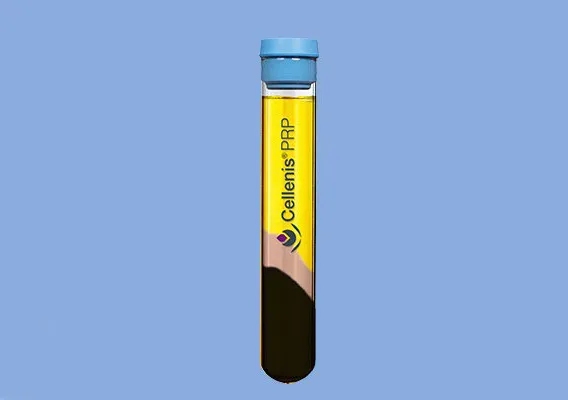
Cellenis® PRP is a platelet-rich plasma system that uses a small sample of your own blood (autologous PRP). The blood is processed using a proprietary separation gel and a density-based centrifugation method to concentrate platelets that are rich in growth factors, then the PRP is applied or injected into targeted areas, depending on the concern being treated. It is positioned as a minimally invasive option with low downtime, and it is used across skin rejuvenation, hair restoration, and tissue repair contexts.
PRP can be confusing to research because “PRP” is often used as a broad label, but systems and protocols vary. The device used, the quality of the preparation, and the clinician’s technique can all influence the experience and the rationale for treatment. For risk-aware patients, that means it is worth understanding the basics properly before comparing prices, packages, or claims from different clinics.
In this guide, you’ll learn what Cellenis® PRP is designed to do, how the treatment process typically unfolds, what people commonly use it for, what to expect during recovery, and how it compares with other aesthetic approaches. You’ll also find practical guidance on selecting a suitable practitioner and understanding typical UK cost ranges.
Your Cellenis PRP Questions
Real Questions from Real People - Answered
Straightforward answers to the questions people like you are asking right now about Cellenis PRP.

Be the first to ask a Cellenis PRP question.
Click here to ask your own question.
Find A Verified Clinic
Trusted Cellenis PRP Experts, Local to You
Easily connect with qualified, verified professionals for safe, reliable treatment.


EK Clinic Witney
EK Clinic was founded by Emma in 2014 with the vision of creating a personal service offering expertise and knowledge. All treatments offered at EK Clinic are chosen carefully to reflect up-to-date trusted industry gold standard.



Timeless Lines Aesthetics
Timeless Lines was created to deliver a nurse led aesthetics clinic, to help people look and feel at their very best through enhancing natural beauty.



To find a Cellenis PRP clinic near you, please click here.
What Is Cellenis PRP Treatment?
Learn what Cellenis PRP treatment is, how it works, and how it is used for skin and hair concerns in UK aesthetic practice.
Cellenis PRP is a specific system for preparing platelet-rich plasma, a medical aesthetic treatment that supports skin quality, tissue repair, and hair health by using components from a person’s own blood. While PRP itself is not new, branded systems like Cellenis can make it harder to understand what is genuinely different, what is clinically relevant, and what actually matters when comparing options.
This topic matters because PRP is often discussed alongside very different treatments, such as dermal fillers, skin boosters, or microneedling, even though they work in fundamentally different ways. For many people, uncertainty arises around what PRP can realistically be used for, how it is assessed in clinical settings, and how practitioner skill and preparation methods influence safety and outcomes. Without a clear explanation, it is easy to misunderstand both its role and its limitations.
This guide is designed for people exploring Cellenis PRP as part of broader research into skin or hair treatments and who want structured, neutral information before taking things further. It may be particularly useful if you are comparing PRP systems, weighing PRP against other aesthetic options, or deciding whether this type of treatment is relevant to your concerns. It may be less useful if you are looking for immediate corrective treatments or guaranteed outcomes.
The full guide looks in detail at how Cellenis PRP is prepared, how treatments are typically delivered, how suitability is assessed, and how costs, safety standards, and treatment plans are approached in UK clinics. It also sets clear boundaries around where personalised medical advice becomes essential.
How Does Cellenis PRP Work?
Learn how Cellenis PRP works, how the blood is processed, and what makes this PRP system different. Clear, UK-focused explanation.

Cellenis PRP is a form of platelet-rich plasma treatment used in medical aesthetics to support skin quality, hair health, and tissue recovery using a person’s own blood components. It sits within a growing category of regenerative treatments, which are often discussed but not always clearly explained. This page is designed to act as a reliable starting point for anyone trying to understand what Cellenis PRP is, how it differs from other PRP systems, and why those differences may matter.
Interest in PRP has increased as more people look for options that focus on skin health and biological processes rather than volume, masking, or short-term effects. At the same time, the language used around PRP can feel technical or inconsistent, especially when different clinics describe similar treatments in different ways. Understanding how Cellenis PRP is prepared, what it is designed to do, and where its limitations sit can help reduce confusion before you decide whether to explore it further.
This guide is intended for people who are curious but cautious, including those comparing PRP with other aesthetic or advanced skincare treatments. It is also relevant if you are unsure whether PRP is appropriate for your concerns, or if you want to understand how suitability and outcomes are typically assessed in clinical practice.
The full guide explores how Cellenis PRP works, how it is used, how it compares with other treatments, and what is usually considered when deciding whether it is appropriate.
Understanding The Benefits Of Cellenis PRP Treatment
Learn how Cellenis PRP is used for skin and hair, what benefits are commonly discussed, and how it compares with other aesthetic treatments.

Cellenis PRP is a form of platelet-rich plasma treatment used in medical aesthetics to support skin quality and hair health using a concentrated component of a person’s own blood. It is often described as a regenerative or bio-stimulatory approach, which can make it difficult to place alongside more familiar treatments such as fillers, skin boosters, or microneedling. This guide explains what Cellenis PRP is, how it is used in practice, and why its benefits are often discussed differently from other aesthetic options.
Understanding this treatment matters because PRP is rarely about immediate or visible change after a single session. Instead, it is typically assessed in terms of gradual tissue response, suitability for specific concerns, and how it fits within a broader treatment plan. For people comparing options, this can raise sensible questions about expectations, timelines, safety, and value.
The full guide looks at how Cellenis PRP is prepared and used, the benefits most commonly discussed in clinical settings, how results are usually reviewed over time, and how PRP compares with other aesthetic treatments. It also outlines practical considerations such as treatment courses, maintenance, and individual variation.
Read the full guide: Understanding The Benefits Of Cellenis PRP Treatment
What To Expect During And After A Cellenis PRP Treatment
Learn what happens during a Cellenis PRP appointment, common after-effects, aftercare advice, and how recovery timelines are usually approached in UK clinics.
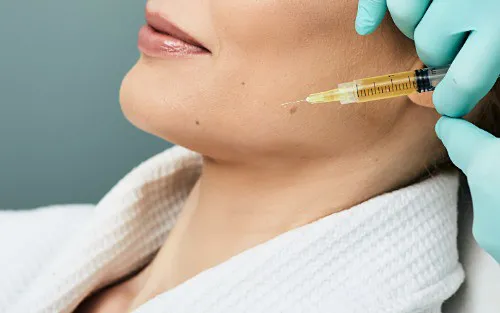
Cellenis PRP is a form of platelet-rich plasma treatment used in medical aesthetics and regenerative care, most commonly for skin quality concerns and hair thinning. It involves taking a small sample of your own blood, concentrating the platelets, and reintroducing them into targeted areas to support natural repair processes. While the concept sounds simple, many people are unsure what the treatment actually involves in practice and what to expect around recovery, timelines, and planning.
That uncertainty matters. PRP is often positioned alongside injectables, skin boosters, or energy-based treatments, yet it behaves differently in terms of delivery, the body's response, and the development of changes over time. Without a clear understanding of the process, it can be difficult to judge whether the treatment fits your needs, your schedule, or your comfort level.
This guide is designed for people who are interested in Cellenis PRP but want a grounded explanation before taking things further. It is particularly relevant if you are comparing treatments, weighing up downtime and aftercare, or trying to understand how PRP is typically structured in clinical practice. It may be less relevant if you are looking for instant or purely cosmetic effects, as PRP is usually approached as a gradual, regenerative option.
Read the full guide: What To Expect During And After A Cellenis PRP Treatment
Uses And Key Differences Cellenis PRP vs Other Treatments
Compare Cellenis PRP with fillers, microneedling, lasers, and hair treatments. Clear, UK-focused guidance to support informed decision-making.
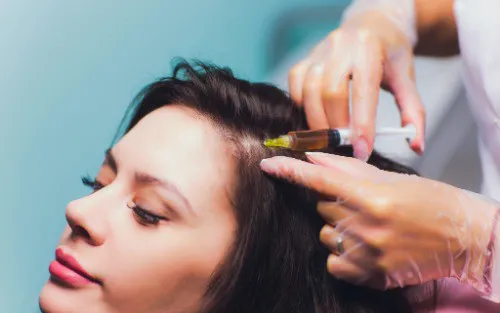
Cellenis PRP is often discussed alongside a wide range of aesthetic and hair restoration treatments, from dermal fillers and skin boosters to microneedling, laser procedures, and hair transplant surgery. This can make it difficult to understand where PRP actually fits, what it is designed to do, and how it differs from treatments that work more immediately or mechanically.
This topic matters because many people reach PRP while comparison-shopping or trying to avoid unnecessary risk, downtime, or inappropriate treatment choices. Although different treatments may appear to address similar concerns, such as ageing skin, texture changes, or hair thinning, they work through very different mechanisms and suit different priorities. Without a clear point of reference, it is easy to compare options based on surface features rather than clinical intent.
This guide is for people interested in regenerative or non-surgical aesthetic treatments but want to understand the landscape before moving forward. It may be especially helpful if you are weighing PRP against fillers, considering whether microneedling or laser treatment is more appropriate, or trying to understand when hair restoration options diverge.
Read the full guide: Uses And Key Differences Cellenis PRP vs Other Treatments
How To Choose The Right Cellenis PRP Practitioner
Learn how to assess a Cellenis PRP practitioner, including credentials, clinic standards, consultations, and safety considerations in the UK.

Choosing a Cellenis PRP practitioner is a key part of deciding whether this treatment is right for you. While PRP is often described in simple terms, the way it is delivered, by whom, and under what clinical standards can vary more than many people expect. This page explains what that means in practice, and why the choice of practitioner matters as much as the treatment itself.
For anyone researching Cellenis PRP, uncertainty is common. You may see clinics using similar language, similar pricing, or similar claims, yet offering very different levels of experience, consultation depth, and safety protocols. Because PRP involves handling blood and injections, it falls firmly within medical aesthetics rather than routine skincare. Understanding how practitioners are trained, how treatments are assessed, and how clinics operate helps you make sense of those differences and avoid relying solely on surface-level comparisons.
This information is particularly relevant if you are comparison-shopping, cautious about risk, or unsure which questions to ask before booking. It is also useful if you are early in your research and want to understand what responsible practice looks like before deciding whether to take things further. If you are looking for guarantees or rapid outcomes, this page is not designed to provide that. Its purpose is to support informed, realistic decision-making.
Read the full guide: How To Choose The Right Cellenis PRP Practitioner
How Much Does Cellenis PRP Treatment Cost?
Learn how Cellenis PRP treatment costs are set in the UK, what affects pricing, and how to compare clinics safely and realistically.

Understanding the cost of Cellenis PRP treatment is often one of the first hurdles for people considering platelet-rich plasma in a clinical aesthetics setting. Prices can vary widely between clinics, and the reasons for these differences are not always obvious if you are new to PRP or comparing options for the first time. This page explains what Cellenis PRP is, how pricing is typically structured in the UK, and why cost should be viewed in context rather than as a single headline figure.
Cost matters because PRP is not a uniform treatment. Differences in consultation standards, blood processing systems, practitioner expertise, and treatment planning all influence both price and value. For many people, uncertainty around these factors creates hesitation, especially when quotes differ significantly for what appears to be the same treatment. A clear understanding helps you assess whether a quote is reasonable, appropriate, and aligned with accepted clinical practice.
This guide is designed for people who are interested in Cellenis PRP for skin or hair concerns but want a grounded explanation before committing time or money. It is particularly relevant if you are comparison-shopping, weighing PRP against other treatments, or trying to understand why costs vary across clinics. It may be less relevant if you are already under personalised clinical care with a defined treatment plan.
Read the full guide: How Much Does Cellenis PRP Treatment Cost?
Unlock The Power Of Cellenis PRP Are You a Clinic Offering PRP?
Whether you're already using PRP or thinking about adding it to your treatment menu, here's how to make the most of it.

Get Found by Patients Searching for Cellenis PRP Near Them
List Your Clinic on the UK's Most Trusted Aesthetics Platform - from Just £20/month inc. VAT
Patients searching for Cellenis PRP in their area come to ConsultingRoom.com to find trusted, verified clinics. If your clinic isn't listed, you're invisible to them.
Membership is just £20 per month, including VAT - and based on the average client value in aesthetics, just one new patient every three years covers your entire membership fee. Everything after that is pure profit.
Your membership includes a professionally built clinic profile, SEO-optimised to appear in local searches, plus access to 50+ business and marketing tools, lead tracking, and compliance support.
Register Your Clinic - from £20/month
Not Yet Offering Cellenis PRP? There's Never Been a Better Time to Start
Exclusive Starter Kit Offer from Our Official Partner, Aesthetic Medical Partnership
Cellenis® PRP is one of the most in-demand regenerative treatments in UK aesthetics right now - and patients are actively choosing clinics that already offer it. If it's not on your treatment menu yet, you're missing bookings.
Our partner Aesthetic Medical Partnership (AMP UK) supplies the Cellenis® PRP system and has put together a special starter package exclusively for clinics coming through ConsultingRoom.com. The starter kit includes everything you need to begin treating patients from day one, including a centrifuge.
No hard sell, no commitment - just straightforward advice.
Grow Your Practice with Cellenis PRP
Whether you are already using Cellenis PRP or considering adding it to your treatment menu, here is how to make the most of it.

Are you a practitioner? If you'd like to link your practice to Cellenis PRP and become part of ConsultingRoom.com, you can register as a verified specialist using the information on our specialist registration page.
Once verified, your profile can feature Cellenis PRP alongside the other treatments, conditions and products you support, helping patients searching ConsultingRoom.com find you directly.
Cellenis PRP Quick FAQs
Clear, Concise Answers to Common Queries
A simple, no-fluff roundup of frequent Cellenis PRP questions to help you get the facts fast.

Is Cellenis PRP suitable if I’m pregnant or breastfeeding?
Most clinics will advise postponing elective PRP treatments during pregnancy and breastfeeding, mainly because suitability has not been well established in these groups. A reputable practitioner should discuss your medical history and timing and may recommend waiting until breastfeeding is finished.
Can I have Cellenis PRP if I’m on blood thinners or anti-inflammatory medicines?
It depends on the medicine and why you take it. Anticoagulants and regular anti-inflammatory use can affect bruising and, in some cases, the way platelets function, so your practitioner will usually want a full medication list before recommending treatment. Never stop prescribed medication without advice from the clinician who manages it.
What health conditions might make PRP inappropriate?
PRP uses your own blood, but that does not automatically mean it is suitable for everyone. Clinics typically screen for issues such as blood disorders, active infection, and certain immune or clotting conditions, because these can affect safety or the quality of the PRP preparation. Your practitioner should confirm suitability during a medical consultation.
How can I check a clinic is using genuine Cellenis PRP equipment?
A straightforward way is to ask the clinic to confirm the system name and show you the packaging for the Cellenis tubes or kit on the day. You can also use platforms that list verified clinics, and cross-check practitioner registration (for example, GMC or NMC) where relevant.
Is Cellenis PRP the same thing as a “vampire facial”?
Not exactly. “Vampire facial” is a marketing term that can refer to different combinations of microneedling and PRP, and it is not a regulated treatment name. If you see that phrase, ask what is actually being used (including which PRP system) and whether PRP is injected, applied topically, or both.
Can I wear make-up straight after Cellenis PRP?
This varies by clinic protocol and whether you had injections, microneedling, or another combined approach. Many practitioners recommend avoiding makeup for a short period to reduce irritation and keep the skin clean while the surface settles. Follow your provider’s written aftercare, as it should be tailored to the technique used.
When can I return to the gym, sauna, or swimming after PRP?
Most people can return to normal routines quickly, but they are often advised to avoid heavy exercise, saunas, and swimming for a brief period after treatment. The aim is to reduce unnecessary heat, sweating, and exposure to bacteria while injection sites calm down. Your practitioner should give specific timings based on the area treated.
Is Cellenis PRP appropriate for darker skin tones?
PRP is often discussed as suitable across skin tones because it does not rely on heat or light energy in the way some laser treatments do. That said, individual skin behaviour still varies, especially if you are prone to post-inflammatory pigmentation, so it is worth discussing your history and any previous reactions with your practitioner.
Can PRP be done if I have active acne, eczema, or rosacea?
If you have active inflammation, broken skin, or infection in the treatment area, many clinicians will recommend waiting until it is controlled. PRP involves injections (and sometimes combined procedures), so treating over irritated skin can increase discomfort and complication risk. A consultation should clarify whether you need to stabilise a condition first.
Will PRP work if I have low iron, anaemia, or low platelet levels?
PRP quality depends on your own blood profile, including platelet function and overall health. If you have known anaemia or low platelets, your practitioner may advise medical review first, or suggest delaying until the underlying issue is addressed. If relevant, bring recent blood test results to your consultation.
How does Cellenis PRP relate to Cellenis PRP “DermaFiller”?
Some clinics also discuss Cellenis PRP DermaFiller as a separate, regenerative volumising option created from a patient’s own blood, with reported preparation volumes depending on kit size. If you are comparing options, ask whether the clinic is offering PRP for skin quality or a PRP-derived filler approach, as the aims and techniques differ.
Can I have Cellenis PRP if I recently had Botox or dermal filler?
Often, it is possible, but timing and sequencing matter. Practitioners may recommend spacing treatments to reduce swelling and make it easier to assess changes, particularly in the same area (for example, under the eyes or mid-face). Bring details of what you had, when, and where, so a clinician can advise safely.
What should I do if I am prone to cold sores and want PRP around the mouth?
Needling or injections around the mouth can trigger cold sores in people who are prone to them. Tell your practitioner in advance, as they may recommend a preventative approach (such as antiviral medication) depending on your history and the planned treatment area.