

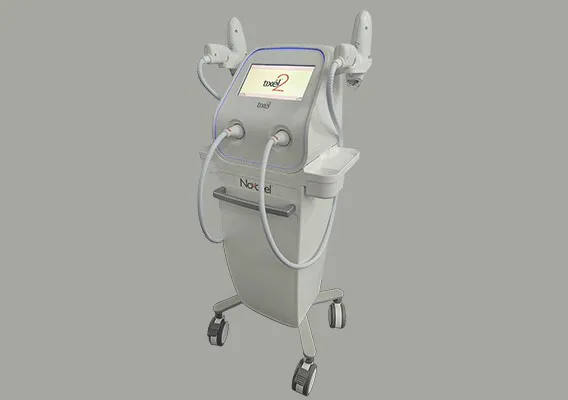
Tixel is often described as a non-laser, non-needle skin rejuvenation treatment, but that shorthand can leave important questions unanswered. For many people researching advanced skincare or medical aesthetics, the terminology alone can feel confusing. Heat-based technologies, fractional treatments, and resurfacing methods are frequently grouped together, even though they work in different ways and suit different needs.
Understanding how Tixel fits into this landscape matters. Skin rejuvenation treatments are not interchangeable, and small differences in how a device works can affect suitability, safety considerations, downtime expectations, and its use in clinical practice. Without a clear explanation, it can be difficult to compare options or to know which questions are worth asking during a consultation.
This guide provides a calm, factual overview of Tixel as it is used in modern aesthetic medicine. It explains the underlying approach behind the treatment, the types of concerns it is commonly considered for, and where it sits in relation to other resurfacing technologies. It also highlights practical considerations often overlooked in early research, helping you decide whether this information is relevant to your situation.
Your TIXEL® Questions
Real Questions from Real People - Answered
Straightforward answers to the questions people like you are asking right now about TIXEL®.

I am thinking of having this treatment.
Will tixel benefit my skin I'm 76 years old always looked after my skin I have facials quite often and a little filler here and there would this treatment help to tighten my skin and help with wrinkles
Under eye swelling
I had full ablative Tixel treatment on my eyes 5 days ago. The redness is gone and my skin is flaking a bit, but I still have swelling. Is it normal to have swelling that lasts this long? From what I’ve read, it usually subsides in 1-3 days.
To view all the TIXEL® questions, please click here.
Or click here to ask your own question.
Find A Verified Clinic
Trusted TIXEL® Experts, Local to You
Easily connect with qualified, verified professionals for safe, reliable treatment.


Ashling Donnelly Aesthetic Clinic
Ashling Donnelly Aesthetic Clinic Led by renowned aesthetic expert Ashling Donnelly, our clinic is dedicated to delivering advanced, personalised aesthetic treatments in a safe, welcoming environment.


Laurie Arias Farnham Common
As a clinic, our commitment to giving our patients the very best experience possible is key to everything that we do. We pride ourselves in delivering the highest levels of care.
To find a TIXEL® clinic near you, please click here.
TIXEL® Reviews
Real Experiences. Honest Feedback.
Read what others have to say about TIXEL® before you decide.

Sarah Godfrey, London
"I saw Elena for a course of tixel treatment round the eyes. Very capable and charming, I feel that I am in safe hands. The prices are reasonable too."
To view all the TIXEL® reviews, please click here.
TIXEL® Videos
Everything You've Been Wondering — Answered
See real products, expert advice, and patient stories brought to life.

Tixel skin rejuvenation
A preview of our Tixel treatment at Imperial Aesthetics, for more information please visit our website or book in for a free consultation.
To view all the TIXEL® videos, please click here.
What Is Tixel Fractional Skin Rejuvenation?
A clear explanation of Tixel skin treatment, including how it works, who it may suit, and how it differs from lasers and microneedling.
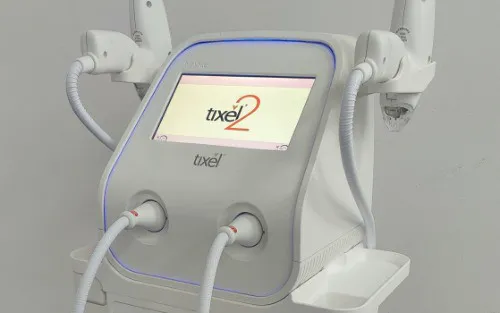
Tixel fractional skin rejuvenation is a modern skin resurfacing treatment that uses controlled heat to stimulate skin renewal without needles or laser energy. It is often discussed alongside fractional lasers and microneedling, which can make it difficult to understand what it actually does, how it differs, and where it fits within today’s aesthetic treatment options.
This topic matters because resurfacing treatments are not interchangeable. Differences in how a treatment works can affect downtime, comfort, suitability for certain skin types, and how results are assessed over time. Many people researching Tixel are weighing it against other technologies, trying to balance effectiveness with recovery time, skin sensitivity, or pigmentation risk. Clear information helps reduce uncertainty before any decision is made.
In the sections that follow, the guide explores how Tixel works, how it is used in clinical practice, what a typical treatment journey involves, and how it compares with laser and needle-based treatments. It also outlines common considerations around suitability, recovery, and expectations.
Read the full guide: What Is Tixel Fractional Skin Rejuvenation?
What Does Tixel Treat?
Learn what Tixel treatment is, how it works, and how it compares with laser and microneedling, with clear, balanced guidance for informed decisions.

Tixel is an advanced skin resurfacing treatment used in medical aesthetics to improve skin texture, tone, and quality using controlled heat rather than lasers or needles. It is often discussed alongside laser resurfacing, microneedling, and radiofrequency, which can make it difficult to understand what sets it apart and when it is, or is not, a relevant option.
This guide is written for people who want a clear, grounded explanation of Tixel before deciding whether to explore it further. It is particularly relevant if you are comparing resurfacing options, have been advised by a clinic to consider Tixel, or want to understand how newer heat-based technologies fit into the wider treatment landscape. It may be less relevant if you are looking for immediate recommendations or personalised advice, as this always depends on an individual skin assessment.
The full guide explores how Tixel works, what concerns it is commonly used to address, how it compares with other resurfacing treatments, what recovery typically involves, and how suitability is evaluated in practice. Throughout, the focus is on clarity, limitations, and informed decision-making, rather than outcomes or promises.
Uses, Recovery, And Key Considerations The Tixel Treatment Process
Learn what Tixel treatment involves, how it works, typical downtime, and how it compares with lasers and microneedling in clinical practice.
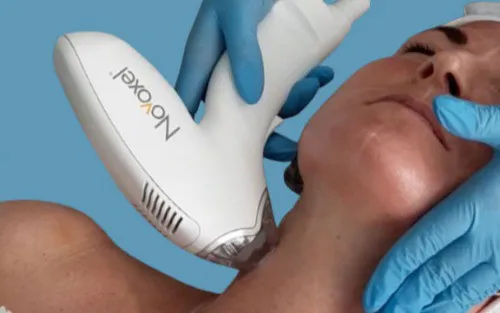
Understanding Tixel matters because treatments that affect the skin barrier and collagen response are not interchangeable. While they may appear similar in marketing language, they differ in how they deliver energy to the skin, how the skin heals, and what level of recovery is usually involved. For anyone comparing options or weighing risks, a clear explanation before proceeding helps avoid unrealistic expectations or unnecessary confusion.
The full guide explores how Tixel works, what typically happens before and after treatment, how downtime is usually described, and how suitability is assessed in clinical practice. It also outlines where individual advice becomes important, particularly for different skin types or medical histories.
Read the full guide: Uses, Recovery, And Key Considerations The Tixel Treatment Process
Common Reactions And Less Common Risks Tixel Side Effects
Learn about Tixel side effects, including redness, swelling, healing time, and less common risks, to understand what is normal and when to seek advice.
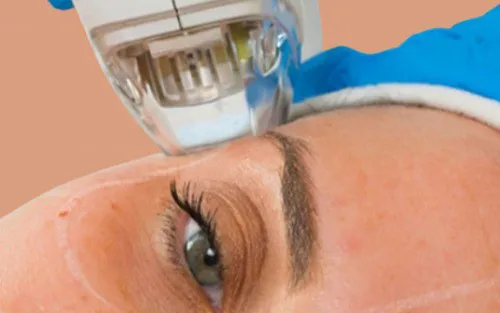
Tixel is a heat-based skin resurfacing treatment often described as having lower downtime than traditional lasers, but it is not side-effect-free. Understanding how the skin typically responds, what is considered normal during healing, and where caution is needed is important in deciding whether this treatment is right for you.
Side effects matter because they shape both the experience and the recovery. Redness, swelling, dryness, and surface changes are common questions, particularly for people with sensitive skin, darker skin tones, or a history of post-inflammatory pigmentation. Others want to understand how Tixel compares with laser or microneedling in terms of risk and the realistic disruption to daily life to expect.
The full guide explores how Tixel works in the skin, the most common short-term side effects, less common but important risks, and the factors that influence healing, including skin type, treatment intensity, and aftercare. It also looks at when a reaction is part of normal recovery and when professional advice is needed.
Read the full guide: Common Reactions And Less Common Risks Tixel Side Effects
How Much Does Tixel Cost?
Learn how Tixel treatment costs are structured in the UK, why prices vary between clinics, and how Tixel compares with other skin resurfacing options.

Tixel pricing is one of the most common areas of uncertainty for people exploring this treatment for the first time. Costs are rarely presented as a single fixed figure, and prices can vary significantly between clinics, treatment areas, and recommended treatment plans. This page explains how Tixel costs are typically structured in the UK and why those differences exist.
Understanding pricing matters because Tixel is usually planned as a course of treatments rather than a one-off procedure. The total cost is influenced by clinical factors such as skin concern, treatment depth, and the practitioner's experience, not just by the device itself. Without context, it can be difficult to compare quotes or assess whether Tixel sits within your expectations or budget.
The full guide explores typical UK price ranges, what is usually included in a treatment fee, how many sessions are commonly recommended, and how Tixel compares in cost terms with laser and microneedling treatments. It also explains where individual assessment becomes important and why personalised advice is often necessary before final costs can be confirmed.
How To Choose The Right Tixel Practitioner
Find the best Tixel practitioner with our expert guide. Learn what questions to ask and what red flags to avoid for safe, effective skin treatments.

Choosing the right practitioner for a Tixel treatment is a key part of deciding whether this approach to skin rejuvenation is appropriate for you. While Tixel is often described as a low-downtime, needle-free procedure, it is still an energy-based treatment that relies on correct assessment, settings, and clinical judgement to be used safely and effectively.
This topic matters because outcomes with Tixel are not determined solely by the device. They are shaped by who performs the treatment, how suitability is assessed, and how carefully the process is planned around your skin type, concerns, and tolerance. For people comparing clinics or feeling unsure about conflicting advice online, understanding what “qualified” actually means can help reduce risk and avoid disappointment.
Within the full guide, we explore what to look for in a Tixel practitioner, how consultations should be handled, which questions are reasonable to ask, and which warning signs suggest a clinic may not be the right fit. We also clarify the limits of general guidance and where personalised assessment becomes essential.
Read the full guide: How To Choose The Right Tixel Practitioner
Which Is Best For You? Tixel Vs. Other Skin Resurfacing Treatments
Learn how Tixel compares with laser resurfacing, microneedling, and peels, including differences in downtime, intensity, and suitability.

Skin resurfacing is a broad term encompassing a range of treatments, from intensive laser procedures to newer, non-ablative technologies such as Tixel. While these options are often discussed together, they work in different ways and entail different considerations regarding downtime, comfort, risk, and suitability. This guide focuses on understanding how Tixel fits within the wider landscape of modern skin resurfacing treatments.
For many people, this topic becomes relevant when researching how to address texture changes, fine lines, scarring, or uneven tone, without committing to a treatment that feels more aggressive than necessary. The challenge is that clinic websites and comparison charts can oversimplify important differences, making it harder to judge which options are genuinely comparable and which are not. A clear, grounded explanation helps reduce that uncertainty.
The full guide explores how Tixel works at a practical level, how it compares with other resurfacing approaches, and what factors typically influence suitability and treatment choice. It also outlines common trade-offs, without assuming one option is right for everyone.
Read the full guide: Which Is Best For You? Tixel Vs. Other Skin Resurfacing Treatments
How To Buy A Tixel
How To Buy A Tixel
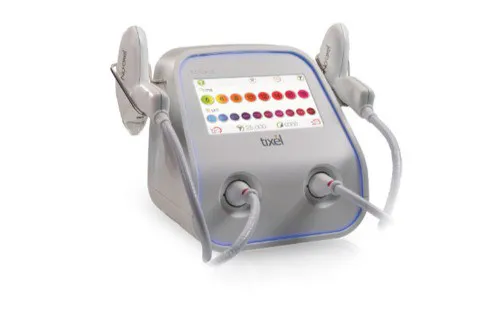
Grow Your Practice with TIXEL®
Whether you are already using TIXEL® or considering adding it to your treatment menu, here is how to make the most of it.

Are you a practitioner? If you'd like to link your practice to TIXEL® and become part of ConsultingRoom.com, you can register as a verified specialist using the information on our specialist registration page.
Once verified, your profile can feature TIXEL® alongside the other treatments, conditions and products you support, helping patients searching ConsultingRoom.com find you directly.