


Find A Verified Clinic
Trusted Acne Experts, Local to You
Easily connect with qualified, verified professionals for safe, reliable treatment.

The Cosmetic Centre London
Offering the latest in skin treatments, our clinic in Leeds keeps you at the centre of our attention Across our state of the art clinics we offer a whole variety of the latest aesthetic treatments from anti-ageing, skin rejuvenation and laser.




Vie Aesthetics Holborn
Vie Aesthetics Holborn is one of the 3 Vie Aesthetics clinics in the UK, voted Best Aesthetic Practice Globally, CQC-regulated, Save Face-accredited.

 +2 more
London Professional Aesthetics
We are an award winning centrally located registered medical clinic. You will find this is a highly professional and friendly medical service run by a clinician with years of experience. You will feel fully supported before during and after any treatment or care that is recommended for you.
Dr Leah Clinic
At Dr Leah clinics you can feel confident that you are receiving the highest standard of treatment. Our approachable and highly-qualified team is dedicated to helping you achieve your aesthetic dreams, and will be with you throughout your journey with Dr Leah Clinics.
Fiore Aesthetics
Fiore Aesthetics located in London, is ideally situated to serve the towns of Bloomsbury, Covent Garden & Charing Cross. Fiore Aesthetics offers a variety of treatments such as anti-wrinkle injections, laser and IPL skin rejuvenation, laser skin resurfacing and many more.
Premier Laser & Skin Liverpool Street
There is a new Premier Laser & Skin clinic offering the latest solutions of laser hair removal in Liverpool Street, London. Our City of London location is fully open now for customers to enjoy a wide range of advanced laser and skin rejuvenation treatments .
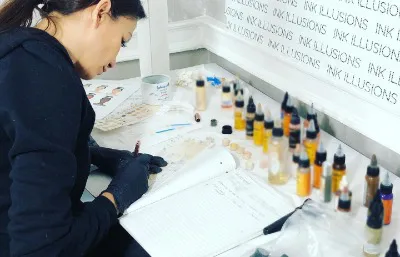
Ink Illusions
London's leading clinic for the treatment of scars & stretch marks. We offer custom blended skin tone tattoo camouflage to disguise scars and stretch marks, and a natural inkless technique with scar repair serum for scar and stretch mark improvement.
Artistry Clinic
Artistry Clinic London by Dr Sarah Shah is a specialist in Aesthetic Medicine. Our Treatments are the latest in non-surgical cosmetics using painless techniques and the best products. Located in the heart of the City of London we are one of the most prestigious clinics in the UK.

Convalia Health London
Aesthetic Treatments combined with Intravenous Vitamin Drips for Better Skin Health and Wellbeing delivered by a medical doctor. I encompass a range of treatments and therapies designed to promote skin health and rejuvenation, natural look and well-being for my clients.


Premier Laser & Skin Aldgate
As an established and reputable hair removal clinic in Aldgate, our specialist technology and high level of customer service makes us one of the most unrivaled clinics for laser hair removal City of London and East London has to offer.
The Devonshire Clinic
The Devonshire Clinic is a private dermatology clinic in the centre of the Harley Street medical district in London. Our team of highly experienced dermatologists provide specialised treatments



Medstar Kings Cross
Meet with our fully registered GPs and Consultants, who are vetted with a full background check, reference check and interview with our managing Doctors and selected for their highest levels of experience and qualifications.
Skin and Sanctuary
We are an exciting, caring & intelligent medical aesthetics team in Hackney. Supported by technology such as Visia Skin Analysis, innovative treatments like Prohfilo and the most effective of skincare products, our clients can feel confident in our focus on delivering subtle and natural results.
Dr Harriet Clinic
Dr Harriet Turnbull is an aesthetic doctor & GP specialising in natural results; helping you look effortlessly fresh
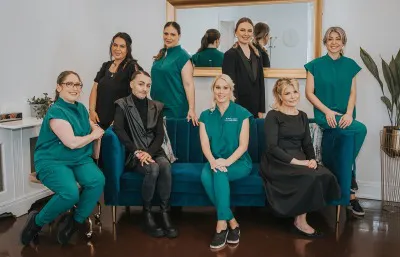
Look Lovely London
Look Lovely London is a Dr led advanced aesthetic & skin clinic in the heart of St John’s Wood, not far from Regents Park. Established over 13 years ago, we deliver safe & effective treatments.

Dr Rasha Clinic
At Dr Rasha Clinic, we take great pride in introducing you to our exceptional team of professionals.
The Lovely Clinic
Founded by Dr Sarah Tonks in 2013, The Lovely Clinic has become one of the UK’s leading Medi Aesthetics clinics thanks to its coveted combination of industry expertise
+1 more

The Bloom Clinic
At The Bloom Clinic, we offer aesthetic treatments in Canary Wharf and Buckhurst Hill to help you look your best. Our aim is to help people improve their confidence and achieve more fulfilment by providing a holistic approach to body and mind.
The Medi-Shed By Dr Dil
The MediShed by Dr Dil', a Skin Health and Wellness Doctor-Led Clinic covering the areas of Wandsworth, Earlsfiels, Putney, Southfields, Battersea and Wimbledon, London.

Sean White Aesthetics
Sean has completed advanced training in botulinum toxin and dermal fillers and has a particular interest in facial harmonisation, skin rejuvenation and hair loss treatments. We also use energy based devices to help our patients achieve their aesthetic goals.

Chiswick Clinic
Dr. Bela’s clinic has moved and is now called the Chiswick Clinic. We offer a range of non-surgical cosmetic treatments, including dermal fillers and anti-wrinkle injections, beauty treatments.
Explore Clinics Near You on the Map
See exactly where verified Acne clinics are located across Finsbury.
Zoom in, pan around, and click any marker to view each clinic’s profile, read reviews, and check their credentials before you book.

Your Acne Questions
Real Questions from Real People, Answered
Straightforward answers to the questions people like you are asking right now about Acne.

Be the first to ask a Acne question.
Click here to ask your own question.
Acne Quick FAQs
Clear, concise answers to common queries
A simple, no-fluff roundup of frequent Acne questions to help you get the facts fast.

Can acne come back after it has cleared?
Yes, acne can return even after a period of improvement. This often depends on underlying factors such as hormones, skin type, or ongoing triggers like stress or skincare habits. For many people, acne is a recurring condition rather than something permanently resolved, so longer-term management is often needed.
Is it safe to use multiple acne treatments at the same time?
Combining treatments can be appropriate, but it needs to be done carefully. Using too many active ingredients at once may irritate the skin and worsen breakouts. A clinician or pharmacist can help you decide: -Which treatments can be used together -How to introduce them gradually -When to pause or adjust your routine
How long should you try an acne treatment before deciding if it works?
Most acne treatments take time to show meaningful change. In many cases: Topical treatments are reviewed after 8 to 12 weeks -Prescription treatments may require longer monitoring -Initial worsening can occur before improvement -Stopping too early can make it difficult to judge effectiveness.
Does acne always need medical treatment?
Not always. Mild acne can often be managed with over-the-counter skincare and consistent routines. However, medical advice may be appropriate if: -Acne is persistent or worsening -There is a risk of scarring -Over-the-counter options are not helping The level of treatment depends on severity and individual response.
Can professional skin treatments help alongside medical care?
In some cases, clinic-based treatments may be used alongside medical management. These can include options such as chemical peels or light-based therapies, and in some clinics technologies like LDM® Triple are used to support skin function. Suitability depends on the type and severity of acne, and should be assessed by a qualified practitioner.
Is acne linked to other health conditions?
Acne can sometimes be associated with underlying factors such as hormonal changes or conditions that affect hormone balance. For example, some people with persistent adult acne may be assessed for hormonal influences. Not all acne is linked to a medical condition, but patterns and timing can offer useful clues.
Can acne affect skin differently as you get older?
Yes, acne can change in both appearance and behaviour over time. Adult acne may: -Be more concentrated around the lower face or jawline -Be slower to resolve -Occur alongside dryness or sensitivity This can influence how treatment is selected and tolerated.
Is it possible to prevent acne completely?
Complete prevention is not always achievable, particularly when internal factors like hormones are involved. However, it is often possible to reduce the frequency or severity of breakouts by: -Following a consistent skincare routine -Avoiding known personal triggers -Seeking early advice if patterns change
Can acne treatments affect sensitive skin?
Yes, many acne treatments can increase sensitivity, especially those that exfoliate or reduce oil production. This may lead to dryness, redness, or irritation if not managed carefully. Adjusting product strength, frequency, or layering with supportive skincare can help maintain balance.
When should you consider seeing a dermatologist or specialist?
You may consider specialist advice if: - Acne is severe, painful, or leaving marks - Previous treatments have not worked - There is uncertainty about the type of acne Specialists can offer a more detailed assessment and access to prescription or advanced treatment options.
Are there differences between NHS and private acne treatment pathways?
Yes, there can be differences in access and approach. NHS care is typically based on clinical need and may involve stepwise treatment over time. Private clinics may offer: - Shorter waiting times - Access to a wider range of aesthetic treatments - More tailored treatment planning Both pathways aim to manage acne safely, but availability and timelines can differ.
Can lifestyle changes make a noticeable difference to acne?
Lifestyle factors can influence acne in some individuals, although they are rarely the sole cause. Areas that may have an impact include: - Stress levels - Sleep patterns - Skincare consistency Changes may support overall skin health, but results vary from person to person.
Is acne treatment different for skin of colour?
Treatment approaches are generally similar, but there are important considerations. Skin of colour may be more prone to post-inflammatory pigmentation, so treatment plans often prioritise: - Reducing inflammation early - Avoiding irritation - Supporting even skin tone A tailored approach can help minimise longer-term skin changes.
Can acne leave long-term marks even after it clears?
Yes, acne can leave visible marks such as pigmentation or scarring. These may persist after active breakouts have settled. Early and appropriate management can reduce this risk, and there are treatments available to address these changes if they occur.
Stay Informed with the Latest Aesthetic News & Offers
Join our free newsletter to receive updates on the latest treatments, safety guidance, and exclusive clinic offers near you.
No spam, just expert insights and trusted advice from the UK’s leading aesthetics directory.