
About the Report
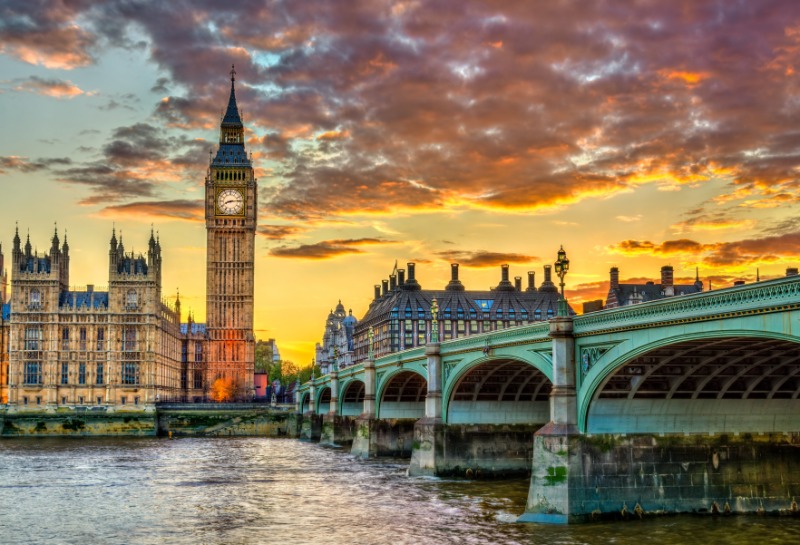
The Women and Equalities Committee is a UK House of Commons select committee that examines equality law, policy, and cross-departmental government action. Its membership includes MPs from Labour,
Liberal Democrat, and Conservative parties, as well as an Independent member.
The Committee scrutinises bodies such as the Equality and Human Rights Commission and publishes reports on issues affecting women’s rights and equalities. You can learn more about the Committee here.
The report, Cosmetic Procedures, published in February 2026, reviews both surgical treatments like breast implants and high-risk procedures such as liquid Brazilian Butt Lifts (BBLs), as well as non-surgical treatments including dermal fillers, chemical peels, and laser therapies. The Committee highlights gaps in training, inconsistent standards, and a lack of regulation for many non-surgical procedures. The full report is available here.
Key Findings from the Report
- High-Risk Procedures: Liquid BBLs and liquid breast augmentations are highlighted as dangerous, with the Committee calling for an immediate ban.
- Non-Surgical Regulation Gaps: Many treatments, like fillers and laser therapies, remain unregulated, creating opportunities for unsafe practices.
- Cosmetic Tourism: Traveling abroad for cheaper procedures can lead to complications upon return, sometimes requiring urgent NHS care.
- Informed Consent & Cooling-Off Periods: Patients are often inadequately informed of risks before treatment. The Committee recommends mandatory cooling-off periods to allow careful decision-making.
- Breast Implant Safety & Data: Long-term complications exist for a minority of women. The report recommends making the Breast and Cosmetic Implant Registry mandatory to track outcomes.
- Body Image & Social Media: Social media pressure is contributing to younger people considering cosmetic procedures. Evidence-based body image and media literacy programmes are recommended in schools.
BABTAC Response
BABTAC (British Association of Beauty Therapy & Cosmetology) provided evidence to the Committee during the inquiry, offering frontline industry insight. Lesley Blair MBE, CEO and Chair of BABTAC & CIBTAC, emphasised:
“With treatments becoming more accessible due to lower costs, decisions that should involve careful research are sometimes made more impulsively. Without enforceable standards, self-regulation leaves consumers exposed to harm and undermines the professionalism of the sector.”
BABTAC supports the Committee’s recommendation for licensing lower-risk non-surgical procedures and encourages consumers to verify practitioner qualifications, insurance, and aftercare. You can read more from BABTAC here.
ConsultingRoom.com Safety in Aesthetics Campaign
ConsultingRoom.com has launched its Safety in Aesthetics campaign to help consumers make informed choices and reduce the risks associated with cosmetic procedures. The campaign provides advice on researching practitioners, understanding procedure risks, and verifying qualifications. It also highlights the importance of pre-treatment information, aftercare, and safe practice standards. You can explore the campaign and access resources here: ConsultingRoom.com Safety in Aesthetics.
Takeaways for Consumers
- Check that any practitioner is fully trained, insured, and experienced.
- Avoid being influenced solely by low prices or social media trends.
- Research the procedure thoroughly and consider risks, especially for high-risk treatments.
- Ensure proper pre-treatment information and aftercare is provided.
- Allow yourself time to reflect — cooling-off periods can help you make safer choices.
The Women and Equalities Committee report provides a crucial blueprint for improving safety, transparency, and accountability in the cosmetic procedures sector. By staying informed and choosing accredited practitioners, consumers can reduce risk and make safer choices.
Read the full report here: Cosmetic Procedures Report
Learn more about the Committee here: Women and Equalities Committee
BABTAC website: https://www.babtac.com/
ConsultingRoom.com Safety in Aesthetics campaign: https://www.consultingroom.com/safety-in-aesthetics/