
This article isn't a guide to what acne is. It's a look at what's actually happening in the UK right now: who acne is affecting, what it's really costing, why the NHS pathway is failing many of the people who rely on it, and which treatments are changing outcomes in ways that most existing content hasn't caught up with.
What this covers:
- The true financial burden of acne in the UK, from shop-bought skincare to private dermatology
- Why adult acne is rising, and who it's really affecting in 2025
- The NHS access gap and what it concretely means for your treatment timeline
- Treatments that are clinically validated but still largely unknown to most UK consumers
- What the new UK aesthetics licensing rules mean when you're choosing a clinic
What's Actually Happening With Acne in the UK Right Now
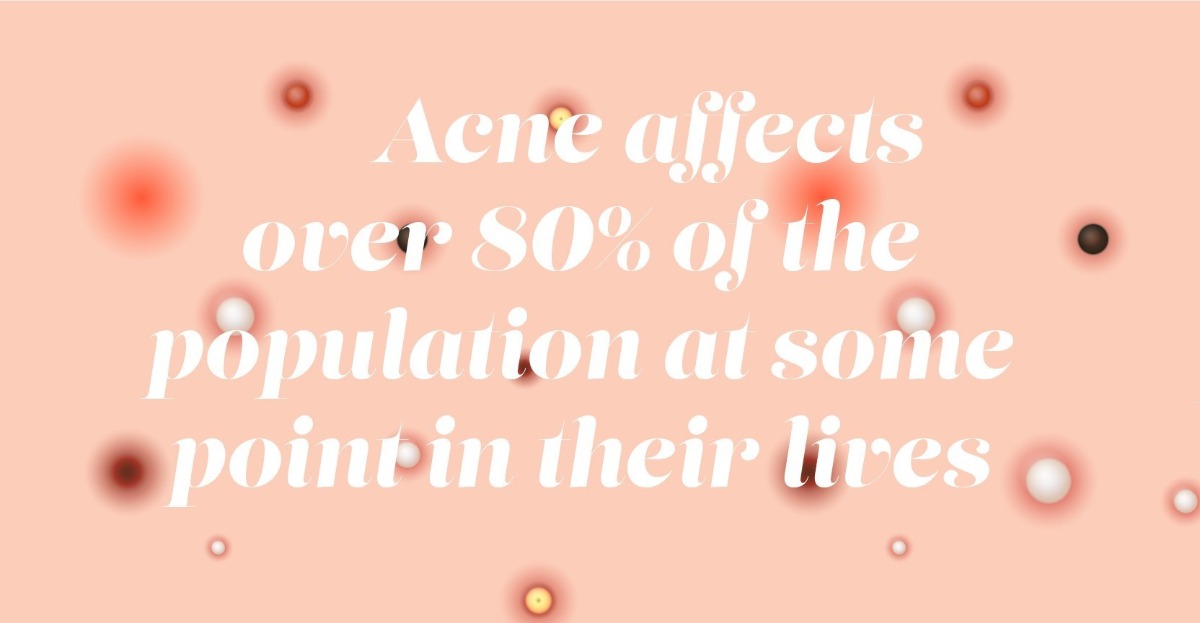
Acne is the most common skin condition in the UK, but the picture of who has it has shifted considerably.
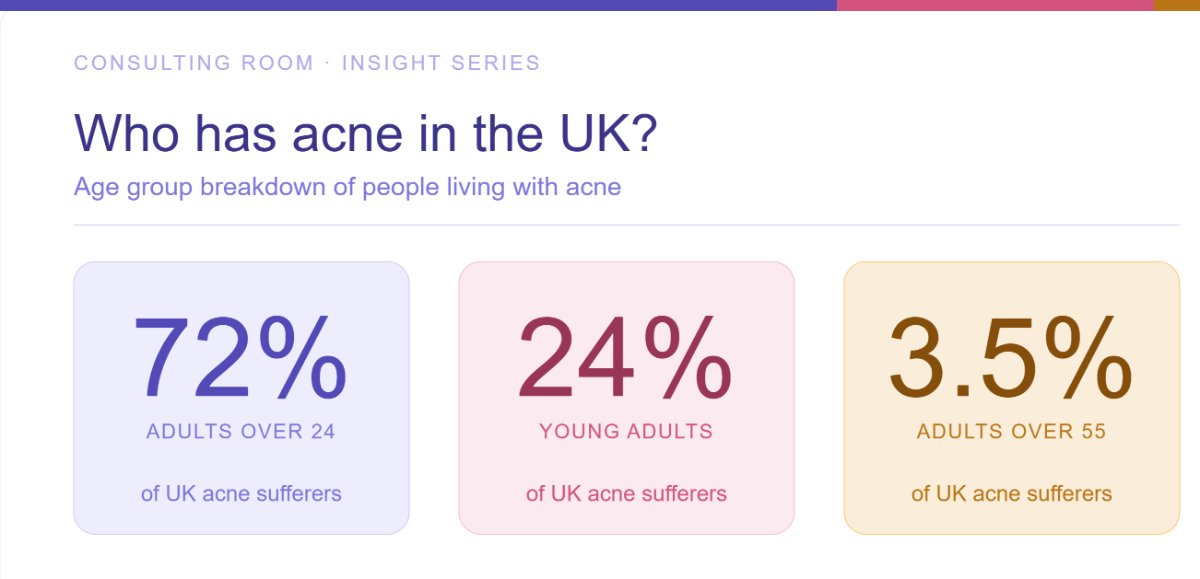
A Censuswide survey of 2,000 UK adults found that 11.5% are currently living with acne. More striking is the age breakdown: 72% of acne sufferers in the UK are over the age of 24. This is not, and hasn't been for some time, a condition that belongs to adolescence.
Globally, the trend is reinforcing this. A 2024 study of 50,552 people across 20 countries found acne prevalence among adults aged 25 to 39 remains significant, with roughly one in five people in that age group currently diagnosed.
Adult acne affects 15–20% of women in this age bracket, often driven by hormonal fluctuation, stress, and the kind of chronic low-level inflammation that doesn't respond to the treatments marketed at teenagers.
That matters for this article, because most of the content published about acne in the UK is still written as though the person reading it is 16. It assumes they're starting with a cleanser and progressing to benzoyl peroxide. It doesn't account for the 35-year-old woman who has tried every product on the market, waited months for a GP referral, and is still no clearer about what's actually driving her breakouts or what would realistically help.
That's the gap this article addresses. If you want to understand the biology of what's happening in your skin, Consulting Room's guide to how acne develops covers it thoroughly. What follows here is something different: the market reality, the access picture, and the treatments that are actually moving outcomes in 2025.
The Real Financial Cost of Acne in the UK
Almost nothing in the mainstream acne conversation addresses what the condition actually costs. Not in a vague, "it adds up" way. In hard numbers, annually, per person.
What the Average UK Acne Sufferer Spends Before Seeing a Specialist
Research published by Fresha in November 2024 put a specific figure on it. UK acne sufferers spend an average of £738 per person per year on over-the-counter skincare — cleansers, face scrubs, chemical exfoliators, anti-acne serums, toners, moisturisers, and SPF. Add the cost of NHS prescription treatments (benzoyl peroxide, topical retinoids, antibiotics, azelaic acid, co-cyprindiol), and the average annual spend reaches £925.95 per person.
The most expensive individual OTC items are sunscreen (£196.92/year), moisturiser (£150.80/year), and face scrub (£141.32/year). None of these treat the underlying cause of acne. They manage the surface while the condition continues underneath.
That's not a criticism of the people buying them. It reflects a system in which professional-grade treatment is either unavailable on the NHS or poorly communicated. Most people spend years in the OTC cycle before anyone explains what's actually driving their skin.
The Cost of Professional Treatment in the UK
When OTC products stop working and NHS waiting lists stretch beyond a season, private treatment becomes the realistic next step. Here's what that currently looks like across the UK.
A first appointment with a private consultant dermatologist typically costs between £150 and £350, with £250 being a common mid-point. Follow-up consultations run from £100 to £200.
For clinic-based aesthetic treatments:
|
Treatment |
London |
Rest of UK |
|---|---|---|
|
Chemical peel (light) |
£90–£200 |
£60–£100 |
|
Chemical peel (medium/TCA) |
£200–£500 |
£100–£200 |
|
Microneedling (single session) |
£280–£400 |
£150–£280 |
|
Laser resurfacing (single) |
£500–£1,500+ |
£300–£800 |
|
LED light therapy (course) |
£200–£500 |
£100–£300 |
Sources: The Private Clinic; City Dermatology Clinic; UK Costs
London clinics charge more for reasons that are partly structural (higher overheads, greater demand, more investment in newer technology) and partly not — the same treatment from a qualified practitioner in Manchester or Bristol will often deliver equivalent results at meaningfully lower cost. For a full breakdown of what professional acne treatments cost across the UK, Consulting Room's dedicated cost of acne treatment in the UK page is regularly updated with clinic pricing.
The Hidden Cost No One Mentions: Mental Health
The financial picture doesn't end with skincare and clinic fees. There is a mental health cost to acne that rarely appears in consumer content, and rarely with UK-specific data.
Research published in the British Journal of Dermatology found that the risk of developing major depressive disorder in people with acne is 18.5%, compared to 12% in the general UK population. Anxiety prevalence in acne clinical samples has been measured as high as 68.3%.
The NHS cost of CBT therapy to address acne-related depression and anxiety ranges from £360 to £2,000, depending on the number of sessions required. [Professional Beauty, November 2024]
That figure deserves to sit alongside the skincare spend. Acne is not a cosmetic inconvenience. For a significant proportion of UK adults living with it, it is a condition with measurable, documented psychiatric consequences. It is worth treating properly, and it is worth understanding all the options that exist.
Why Adult Acne Is on the Rise — and Who It's Really Affecting
The Demographic Shift That Most Acne Content Ignores
The data is consistent across multiple sources: adult acne is increasing, and women in their late 20s, 30s, and 40s account for the largest share of that growth.
In the UK, 72% of current acne sufferers are over 24. Women report higher rates of mild to moderate acne than men (8.6% vs 5.8%), though men are more likely to experience severe presentations. Globally, females make up 63% of diagnosed acne cases across Europe, the US, and Japan combined.
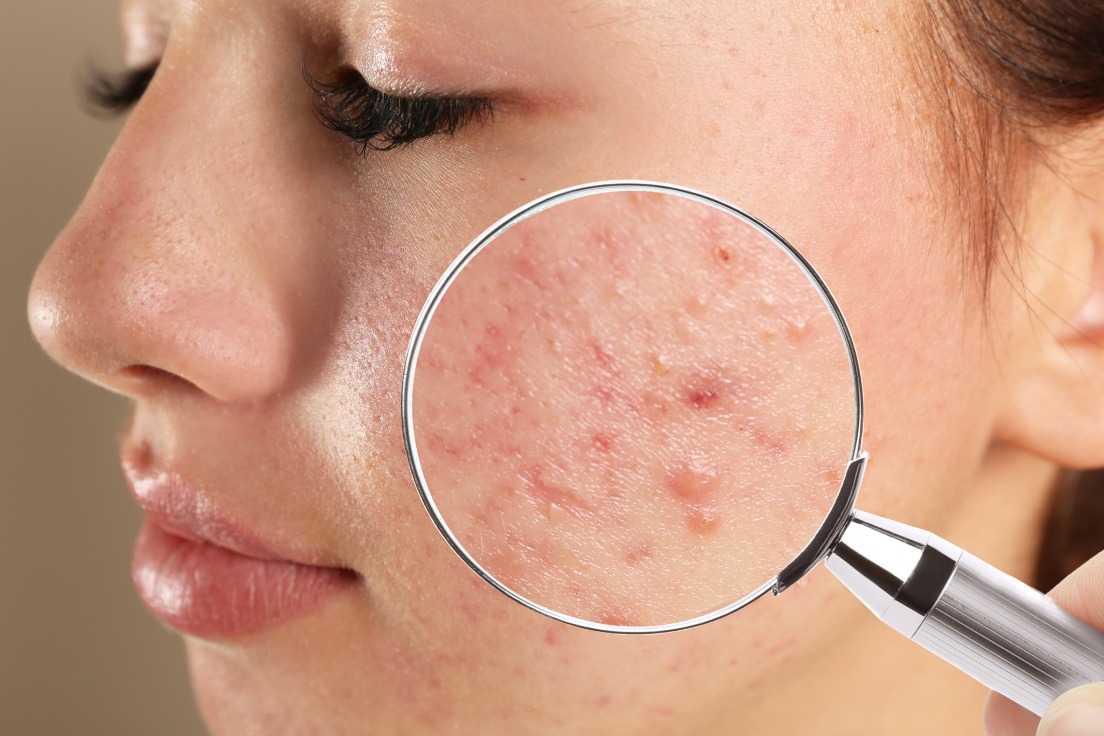
The drivers of adult acne are different from teenage acne. Puberty-driven sebum surges are not the primary cause. In adults, the dominant factors are hormonal fluctuation (including PCOS, perimenopause, and contraceptive changes), chronic stress, diet patterns that spike insulin, and environmental factors that may be disrupting the endocrine system more broadly. Dermatologists in the UK and internationally report an uptick in patients presenting with new-onset acne well into their 30s and 40s — people who didn't have significant acne as teenagers and are understandably confused about why they have it now.
Adult acne has distinct triggers from teenage breakouts, and it often requires a different clinical approach. Consulting Room's guide to adult acne unpacks those differences. For women whose breakouts track a clear hormonal pattern — worsening around their period, or tied to contraceptive changes — the hormonal acne in women section covers the specific treatment pathways now available.
The TikTok Effect — When Skincare Makes Things Worse
There is a less comfortable dimension to the adult acne rise that almost no UK consumer content has addressed directly: a significant portion of new and worsening acne presentations in adults is being driven by skincare itself.
TikTok and Instagram have created an environment in which layering multiple active ingredients is positioned as standard self-care. Retinoids, AHAs, BHAs, vitamin C, niacinamide, benzoyl peroxide — all legitimate ingredients with clinical evidence, all capable of causing barrier damage, increased sensitivity, and inflammatory breakouts when misapplied or combined incorrectly.
The scale of the misinformation problem is documented. Research published in the Journal of the American Academy of Dermatology in 2024 found that only 2.5% of the most-viewed and liked skincare videos on TikTok are created by board-certified dermatologists. Meanwhile, approximately 40% of people now use social media as a primary source of information about dermatological conditions.
Trends like slugging (applying a thick petroleum-based occlusive as the final step in an evening routine) are beneficial for very dry skin but documented to worsen breakouts in acne-prone skin by trapping bacteria and sebum. Over-layering actives creates irritation and barrier compromise — which activates the very inflammatory pathway that drives acne.
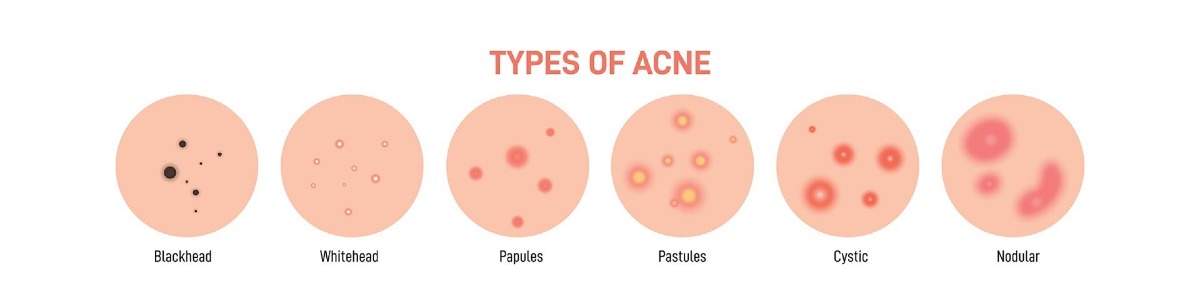
The result is a cohort of UK adults who are spending significant money on skincare, following genuinely well-intentioned advice, and inadvertently making their skin worse. Understanding the types of acne you're dealing with — and what your specific presentation actually needs — is the starting point for breaking that cycle.
IMPORTANT: If your acne has worsened since starting a new multi-step skincare routine, stripping it back to basics (a gentle cleanser, a non-comedogenic moisturiser, and SPF) and seeking a professional assessment is a more productive next step than adding more products.
The NHS Access Gap — and What It Means for Your Treatment
How Long Are People Actually Waiting?
The NHS dermatology pathway for acne is straightforward in theory. Mild acne: pharmacist or GP, OTC treatments. Moderate or severe: GP prescription. Not responding or scarring: referral to a consultant dermatologist.
In practice, the referral step is where the system is failing a meaningful number of patients.
Routine NHS dermatology referrals currently carry a typical wait of 12 to 18 weeks. In some NHS trusts, that figure exceeds 30 weeks.
That's a clinical problem, not just an inconvenience. Active inflammatory acne can cause permanent scarring. A 30-week wait from GP referral to specialist appointment is, for some patients, the difference between skin that recovers cleanly and skin that doesn't. NHS guidance itself acknowledges that patients with active acne and significant scarring should be started on treatment and referred simultaneously, marked urgent. Most patients are not aware they can request this.
Private dermatology appointments are typically available within one to two weeks. A first private consultation costs £150 to £350. For many people, one private appointment — to get a diagnosis, a proper treatment plan, and a prescription if needed — represents a more practical path than waiting months for an NHS slot while the condition progresses.
What the NHS Will and Won't Prescribe
The NHS treatment pathway covers topical and oral medications well: benzoyl peroxide, topical retinoids, topical and oral antibiotics, azelaic acid, co-cyprindiol, and isotretinoin (specialist-only) are all available on prescription.
What the NHS does not routinely fund:
- Laser or light-based treatments for active acne
- Chemical peels for acne or acne scarring
- Microneedling for acne scarring
- Acne scar removal of any kind (classified as cosmetic)
This matters because, for moderate to severe acne and for acne scarring, the most effective interventions are clinic-based and not available on the NHS. A patient who responds partially to antibiotics but continues to scar has, in clinical terms, a clear indication for professional aesthetic treatment. In practical terms, they're on their own in navigating what that means, where to go, and what it costs.
Consulting Room's acne treatment options page covers the full range from NHS prescriptions through to specialist aesthetic treatments, including how different approaches are matched to different acne types and severities.
Treatments That Are Changing the Picture — But Most People Haven't Heard Of
The treatment landscape for acne has shifted more in the last three years than in the previous decade. Two developments in particular deserve attention, because they're clinically significant, increasingly accessible in the UK, and almost entirely absent from mainstream consumer content.
Spironolactone — The Hormonal Acne Treatment Most Women Don't Know They Can Ask For
Spironolactone is a drug primarily prescribed for blood pressure and fluid retention. It also blocks the action of androgens — the hormones that drive excess sebum production in women with hormonal acne. It has been used off-licence for acne for years, but cautiously, and without the kind of large-scale clinical evidence that drives NHS adoption.
That changed in 2023. The SAFA trial — the first large-scale, double-blind, randomised controlled trial of spironolactone for acne in women — was published in the British Medical Journal. Conducted by the University of Southampton, it confirmed spironolactone as an effective treatment for persistent acne in adult women, with a meaningful reduction in lesion count and patient-reported severity.
The clinical implications were immediate. NICE and the Primary Care Dermatology Society updated their guidance. Some NHS GP practices now prescribe it. Online private clinics offer it with a structured consultation process.
The patient reality is patchier. Many women with persistent hormonal acne are still being cycled through antibiotics they've already tried, or told their only remaining NHS option is isotretinoin. Spironolactone is not appropriate for everyone — it's not safe in pregnancy, and it's not suitable for men due to anti-androgen effects — but for adult women with persistent breakouts that track hormonal patterns, it's a validated option that a significant proportion of patients are still not being offered or informed about.
It's worth asking your GP or dermatologist directly whether it's appropriate for your presentation. If your GP isn't confident prescribing it, a referral to NHS dermatology or a consultation with a private prescriber are both reasonable routes.
New-Generation Lasers That Target Acne at Its Source
Most laser treatments for acne work by targeting bacteria, reducing surface inflammation, or — in the case of resurfacing — improving the appearance of existing scarring after breakouts have been controlled. They don't address the underlying cause: the overactive sebaceous glands producing the excess oil that feeds the acne cycle.
That changed with the development of 1726nm wavelength laser technology. The Accure and AviClear systems use this specific wavelength to directly target and thermally reduce sebaceous gland activity — addressing acne at its biological source rather than its surface consequences.
The FDA cleared the Accure system for mild to severe inflammatory acne in 2022. In October 2024, that clearance was expanded to specifically include long-term treatment, following clinical trials showing a sustained response. Both systems are CE-certified for UK use and are now available in specialist UK clinics, though not yet widely.
Clinical trials reported an average 70% reduction in inflammatory lesions following a course of four treatments. For patients who cannot use or prefer to avoid systemic medications like isotretinoin, this represents a genuinely new category of option — not just a different laser, but a different mechanism entirely.
How Does This Compare to Traditional Laser Options?
|
Feature |
Traditional laser (IPL/PDT) |
New 1726nm lasers (Accure/AviClear) |
|---|---|---|
|
Primary target |
Surface bacteria, pigmentation |
Sebaceous glands |
|
Mechanism |
Kills bacteria, reduces inflammation |
Reduces oil production at source |
|
Best for |
Active inflammatory lesions, post-acne redness |
Persistent acne, patients avoiding oral medication |
|
Downtime |
Minimal to moderate |
Minimal |
|
Sessions required |
Variable |
Typically 4 |
|
NHS availability |
No |
No |
Pricing for these newer systems is not yet standardised across UK clinics, and a consultation is required to assess suitability. They are not appropriate for all acne types or skin tones, and a thorough clinical assessment should always precede any laser treatment.
For a broader overview of what's available and how different treatments are matched to different presentations, Consulting Room's acne treatment options page is a practical place to start.
Choosing Who Treats Your Acne in 2025 — What the New Rules Mean for You
Why Regulation Matters When It Comes to Acne Treatment
The UK aesthetics industry is in the middle of its most significant regulatory change in decades. Under the Health and Care Act 2022, the government is introducing a mandatory licensing framework for non-surgical cosmetic procedures in England — and the changes are directly relevant to anyone seeking professional acne treatment. [Browne Jacobson, 2025 — https://www.brownejacobson.com/insights/understanding-the-new-regulations-for-non-surgical-cosmetic-procedures]
The framework categorises procedures into green, amber, and red tiers. Green procedures can be performed by licensed practitioners. Amber procedures require licensed practitioners with healthcare professional oversight. Red procedures — including high-risk treatments — fall under CQC regulation and are restricted to qualified healthcare professionals only.
Laser and light-based treatments, including those used for acne, are moving toward the amber tier in most cases. This means that, as the regulations bed in, the practitioner performing a laser treatment on your skin will need to meet specific training and qualification requirements that do not currently exist in law.
What does this mean right now, in practical terms? The new rules are being phased in, but they haven't fully arrived yet. Until they do, the quality and safety of acne treatment in a clinic setting varies considerably. The JCCP (Joint Council for Cosmetic Practitioners) and Save Face registers are currently the most reliable consumer-facing verification tools for finding practitioners who meet recognised standards.
IMPORTANT: Before booking any laser, light, or chemical peel treatment for acne, confirm that your practitioner is registered with a recognised professional body (JCCP, Save Face, or a statutory regulator such as the NMC or GMC). A reputable clinic will tell you this upfront and welcome the question.
What to Look for in an Acne Clinic
The treatment you need for acne — whether that's a chemical peel, a course of light therapy, or a medical-grade laser — should always begin with a thorough consultation. Not a quick skin assessment that leads directly to a booking, but a genuine clinical conversation about your acne history, your skin type, your medications, and your treatment goals.
Specific things worth checking before you commit:
- Does the clinic offer a separate, paid consultation before any treatment is booked? (This is a positive sign, not an inconvenience.)
- Is there a medical professional in the clinical pathway, even if they're not performing the treatment directly?
- Does the practitioner ask about your current skincare, any prescriptions you're taking, and any contraindications?
- Are the treatment costs clearly stated before your appointment, with no upselling on the day?
Acne is a medical condition. The clinics that treat it well understand that. Consulting Room's clinic search lets you find registered acne treatment clinics in your area, with verified practitioner information.
Ready to explore your options?
Consulting Room is the UK's longest-running independent resource for aesthetic medicine information. Use the acne condition hub to explore treatments, read verified clinic information, and find a specialist near you.
If you're starting your research, the acne treatment options page is the most practical place to begin.
References:
- Click2Pharmacy / Censuswide (2022) – https://click2pharmacy.co.uk/acne-statistics/
- MDacne (2025) – https://www.mdacne.com/article/how-many-people-have-acne-2025-update
- Professional Beauty / Fresha (2024) – https://professionalbeauty.co.uk/brits-spending-billions-on-acne
- TreatCompare (2026) – https://www.treatcompare.com/articles/private-dermatologist-cost-uk
- The Private Clinic – https://www.theprivateclinic.co.uk/treatments/face/acne-scar-removal/
- City Dermatology Clinic – https://citydermatologyclinic.com/acne/how-much-does-acne-scar-removal-cost-in-the-uk/
- UK Costs – https://www.ukcosts.net/beauty/chemical_peel_clinic.php
- British Journal of Dermatology / Oxford Academic (2023) – https://academic.oup.com/bjd/article/189/Supplement_1/i11/7333863
- Acne Epidemiology Forecast (2025) – https://globalhealthcaree.wordpress.com/2025/10/24/acne-epidemiology-forecast/
- Newsweek (2025) – https://www.newsweek.com/dermatologist-reveals-why-adult-acne-is-surging-among-millennials-and-gen-z-11113392
- Journal of the American Academy of Dermatology (JAAD) (2024) – https://www.jaad.org/article/S0190-9622(24)02389-2/fulltext
- Clinical Dermatology / PubMed (2022) – https://pubmed.ncbi.nlm.nih.gov/35961481/
- London Dermatology Centre (2026) – https://www.london-dermatology-centre.co.uk/blog/dermatology-waiting-times-uk/
- NHS Acne Treatment Guidance – https://www.nhs.uk/conditions/acne/treatment/
- BNSSG ICB NHS Formulary – https://remedy.bnssg.icb.nhs.uk/adults/dermatology/acne-vulgaris/
- University Hospital Southampton / BMJ SAFA Trial (2023) – https://research.uhs.nhs.uk/news/southampton-led-study-identifies-promising-acne-treatment
- Skincare Network UK – https://www.skincarenetwork.co.uk/skin-cancer-news/revolutionising-acne-treatment-introducing-the-accure-laser/
- The Online GP (2025) – https://www.theonlinegp.com/blog/new-acne-treatments-2024-2025
- Browne Jacobson (2025) – https://www.brownejacobson.com/insights/understanding-the-new-regulations-for-non-surgical-cosmetic-procedures
- HUK Aesthetics (2025) – https://www.huk-aesthetics.com/blogs/news/aesthetics-regulations-2025-what-uk-practitioners-need-to-know
- UK Parliament Research Briefing (2025) – https://researchbriefings.files.parliament.uk/documents/CBP-10331/CBP-10331.pdf
Internal ConsultingRoom.com pages referenced:
- https://www.consultingroom.com/condition/acne/
- https://www.consultingroom.com/condition/acne/cost-of-acne-treatment-in-the-uk
- https://www.consultingroom.com/condition/acne/adult-acne
- https://www.consultingroom.com/condition/acne/hormonal-acne-in-women
- https://www.consultingroom.com/condition/acne/acne-treatment-options