
Seasonal Variations in Acne

Dr Sam Robson
By Dr Sam Robson

Dr Sam Robson is a highly respected and experienced practitioner who qualified as a GP in 1997 and has been practising aesthetic medicine since 2004.


Summer has definitely come to an end with crisp sharp air filling our lungs with every inhale. And although we've had some great weather this summer, most of us are now exposed to a lot less sunshine and possibly already noticing changes in our skin adapting to the autumn months. What to do with the changes that occur to our skin as the seasons change, particularly from a hot, sweaty summer, to dark, cold autumn? The key is in observing and prepping your skin!

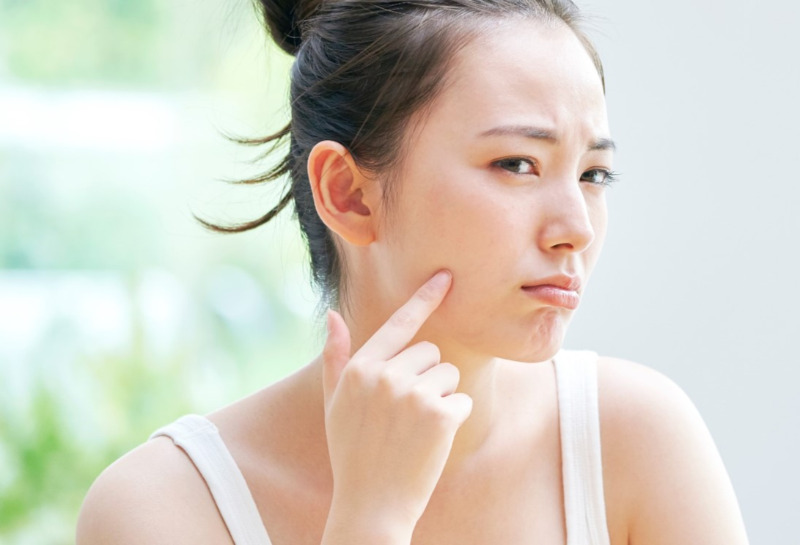
It is often assumed that acne will be at its worst in winter with a tendency to improve in the summer months.
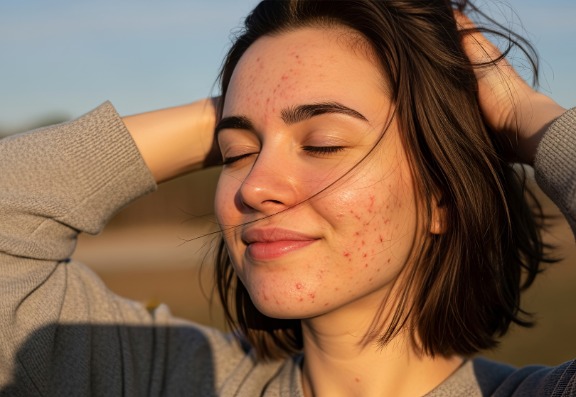
There are at least three reasons why acne should be less troublesome in summer. The ultraviolet rays in sunlight stimulate the immune system and kill off some of the bacteria which contribute to the development of acne.
 
Secondly, summer, and especially summer holidays, are associated with a reduction in stress levels:Reduced stress often goes hand in hand with reduced acne.
It is often assumed that acne will be at its worst in winter with a tendency to improve in the summer months.
Thirdly, ceramide levels are often lower in winter than in summer. Ceramides are lipids (complex fats) that help to form the barrier within the skin against irritants and infections, and so the skin tends to be less well protected during the colder months.
 
However, if you actually ask people who suffer from acne about seasonal changes in their condition, the situation is far from clear-cut. Indeed, some studies report that people with acne find the condition more problematic in the summer. Make-up can exacerbate the problem - whilst concealing the blemishes it can also be responsible for blocking the pores. This problem is then compounded by sweating. This particularly seems to be the case for those who live in warmer climates. One study in the tropics reported that 56% of people felt their acne was worst in summer and only 16% thought it became more severe in winter. In colder climates, the opposite is found with people more often reporting a worsening during winter. But wherever you live, the results of surveys can not be generalised.
 
It’s an individual thing.
The aspects of a hot climate that seem to be associated with summer exacerbations are sweating and humidity. And of course, even in the U.K., we get spells of summer weather when these things can pose a problem. Skin moisture is higher for most people in the summer, and sebum production tends to fall off in winter. Also, if you ask people when their acne is most troublesome, then social factors kick in.
During summer, it is not just mainly one’s face that is exposed to scrutiny and if you have bad acne on your back, for example, then this can be a problem in summer that is less obvious in winter.
 
The other summer consideration is the post-holiday flare-up. Sunny holidays can initially improve the skin because of the drying effect of the sun on oil production but the skin soon responds, defending itself by thickening, which can result in increased clogging of pores, and every spot starts with a clogged pore.
 
Preparing your skin for summer should include using products that help to unblock your pores and reduce oil production. Same goes for winter skin prep. Using the LUSTRE Solo device daily will help to reduce bacteria levels within the skin and it is important to use a high-quality sun protection cream (during summer and winter!) that does not add to any pore-clogging effect.
 
For the acne therapist, it is important to know how your patient’s acne fluctuates over the course of the seasons. This will give clues as to what is likely to be helpful in terms of advising about sun protection factors, exposure to heat and sunlight, and will inform you as to which treatments are likely to be most effective in the longer term.

If you want to read more, the experts at Consulting Room really know what they're talking about and have put together acne FAQs just for you. 

If you have more questions, you can use the acne questions feature to talk to our panel of trained medical experts. 

If you're keen to get started with any of these treatments right away then you're in luck - those clever folks also have a list of trusted, accredited acne clinics in your area.

Many thanks to the author of this blog Dr Sam Robson who owns Temple Clinic.

Dr Sam Robson is a highly respected and experienced practitioner who qualified as a GP in 1997 and has been practising aesthetic medicine since 2004.

She has also become progressively aware of the increasing incidence of low morale and self-esteem 

The repertoire of treatments provided by the clinic aims to help address many problems.

Call Dr Sam Robson on 0122 486 9997 or visit www.templeclinic.co.uk.

Thanks to the author

More great blogs our experts wrote for you...

Are UK Clinics Using Illegal Human-Derived Exosomes?

19
Nov
2025

Are UK Clinics Using Illegal Human-Derived Exosomes?

A recent investigation by 5 News has raised alarm over UK clinics using illegal human-derived exosomes in so-called “next-gen” facials - the latest TikTok-fuelled trend promising younger, smoother skin.

What Is a Polynucleotide Treatment?

10
Nov
2025

What Is a Polynucleotide Treatment?

You’ve definitely heard the buzz about Polynucleotides… but what are they really?

Why the Ellanse Filler Is the Next Big Thing

06
Oct
2025

Why the Ellanse Filler Is the Next Big Thing

What you need to know...


Hey, wait!

Before you go.....

Let's stay in touch, pop your details here and we'll send our editor's hand-picked updates on your fave subjects.