
06
Aug
2024



In support of rosacea awareness month we wanted to join in helping to raise awareness of this chronic skin condition. In this article we’ve put together our top tips on how to spot you have rosacea, the triggers which can cause flare ups and our most recommended treatments. We will also give advice to manage your rosacea in the most effective way possible.
What is Rosacea?
Rosacea is a long-term, chronic, inflammatory skin condition. We know that 1 in 5 people experience some form of rosacea and it is most common in fairer skinned women aged between 30 and 50. Rosacea presents itself in various forms but most commonly as persistent facial redness, particularly on the cheeks, nose, chin and forehead. Symptoms can also include visible blood vessels, flushing, stinging sensations and small red spots/bumps.
It’s important to remember that rosacea can manifest itself in various ways. Symptoms will differ from person to person and there is no one size fits all when it comes to this skin condition.
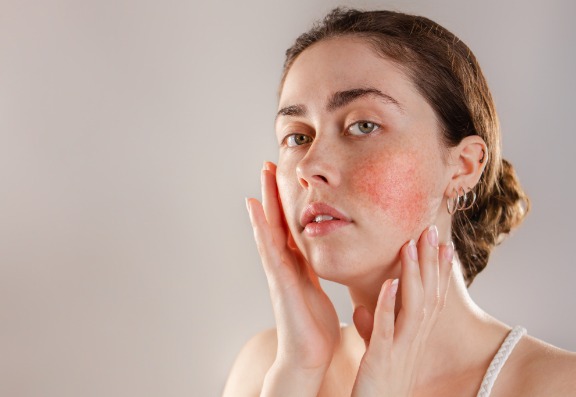
Many people can also find their symptoms are similar to other skin conditions such as psoriasis, acne and dermatitis, therefore misdiagnosis is common. Spotting that you have rosacea as soon as possible is key in ensuring you manage your symptoms in the correct way. If left untreated or treated incorrectly, symptoms may persist and become permanent.
What Causes Rosacea?
The exact cause of rosacea is unknown, although we do know that genetics, the immune system and lifestyle factors play a role in causing flare ups. Rosacea does cause physical problems such as extremely sore and sensitive skin which can be painful and uncomfortable. But it can also have an effect on people’s emotional and mental state.
People with severe rosacea often report having low self-esteem, little confidence and can struggle to be in social situations when their skin has flared up. Although there is no cure, in the right hands, with an effective treatment plan and some lifestyle adjustments, symptoms can be managed and relieved.

Common Rosacea Triggers
Many people can be predisposed to this condition but various lifestyle and environmental triggers can exacerbate the symptoms of rosacea and cause flare ups. The first step in managing your rosacea is to recognise and understand your triggers. This helps to reduce flare ups and ensure you are getting the maximum benefit from any treatments or at home skincare products you use.
Some of the most common rosacea triggers are sun exposure, alcohol, spicy foods, caffeine and stress. It’s important to make a conscious effort to understand your triggers when you notice your rosacea has flared up. Lots of people will use a diary to help pinpoint specific triggers, allowing them to make changes and reduce or avoid these in the future.
Our top tips for Managing Rosacea
Although this skin condition can’t be cured, it can be well managed. With appropriate skincare, in clinic treatments and a mindful approach to your triggers.
Knowing your triggers – this is the most effective way of minimising flare ups. Reducing or avoiding the lifestyle factors you know contribute to your rosacea should help to limit flare ups.
Wearing SPF everyday – your skin is much more sensitive when you have rosacea and is therefore even more sensitive to sun exposure than most people. Ensuring you wear SPF 50 every day, and keeping your face out of the sun as much as possible is vital.
Seeking the right support and guidance – finding an experienced, knowledgeable and highly trained aesthetician or medical professional who has experience in treating rosacea is key to ensuring you get the best possible support and advice throughout your rosacea journey. Don’t cut corners and do your research, the right practitioner could ultimately change your life!
Medical grade skincare – when you’ve found a great practitioner they will recommend effective and suitable medical-grade skincare for at home use. Keeping your skincare routine simple, not overloading the skin, and using gentle products will soothe and protect your skin’s barrier. Keep an eye out for products designed for sensitive or redness-prone skin, your skin will thank you for ingredients which help with oiliness, congestion and inflammation.
Gentle in-clinic treatments – LED light therapy is a great option for many rosacea patients. The red and near infra-red lights are anti-inflammatory and aid the skin’s natural healing response. The blue light is anti-bacterial and great for treating pustules and papules. We recommend regular treatments to minimise flare ups. Or a course of 6 treatments if you have experienced a recent flare up and require an in-clinic treatment to manage and reduce your symptoms.
Topical or oral medications – a doctor or dermatologist may recommend and prescribe certain creams, gels or tablets which can help to reduce inflammation and improve rosacea symptoms.
Excel V+ laser treatment – here at MediZen our most recommended and effective rosacea treatment is the state-of-the-art Excel V+ laser. This laser offers multiple handpieces and wavelengths to target redness and inflammation within the skin. We recommend a course of six treatments every four weeks for maximum results. You can watch an in-clinic Excel V+ treatment for one of rosacea patients here.
Living with rosacea can undoubtedly be difficult but we hope that the information and advice provided above has given you some hope that symptoms can be relieved, managed and your quality of life can be improved. Don’t forget to ensure you get a correct diagnosis as quickly as possible, identify your triggers, and make the lifestyle adjustments required based on what you know contributes to your flare ups.
Find an experienced clinic and practitioner who can provide a bespoke treatment plan to manage your condition. Following this, make sure you adhere to your treatment plan, take on-board all of the advice provided, only use gentle skincare with no harsh ingredients and consider in-clinic treatments to minimise flare ups and maintain the healthiest skin possible.
If you want to read more, the experts at Consulting Room really know what they're talking about and have put together some rosacea, acne, specialist skin creme and light-emitting Diodes(Led) treatment FAQs just for you.
If you have more questions, you can use the rosacea, acne, specialist skin creme and light-emitting Diodes(Led) feature to talk to our panel of trained medical experts.
If you're keen to get started with complexion improvement treatment right away then you're in luck - those clever folks also have a list of trusted, accredited rosacea, acne, specialist skin creme and light-emitting Diodes(Led) in your area.
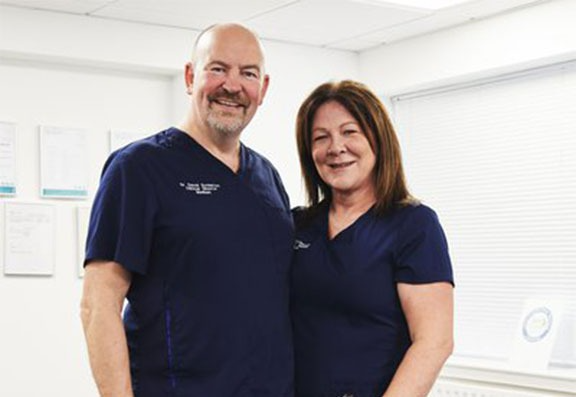
MediZen was founded in 1999 by the worldwide trainer and key opinion leader for Allergan, Dr. David Eccleston, we are the Midlands Premier Aesthetic Clinic.
Medizen provide a range of treatments covering face, skin and body all with the aim of helping you feel your most confident self.
It is our firm belief that this can only be achieved in a medically led clinic such as ours.
Our Birmingham based clinic has a wide range of facilities that allow us to offer a variety of quality treatments from laser treatment to CoolSculpting®, miraDry to skincare and lots more.
Give Medizen a call on 0121 392 8552 or visit medizen.co.uk for more information.
Read it? Loved it? Want to share it?

19
May
2026
What you need to know to heal and rebuild confidence...

30
Apr
2026
It sure can! Here, we delve into some research that outlines the key causes of acne across the world.

30
Apr
2026
As summer arrives, don’t make the mistake of ignoring your skin – you may love the sun, but it is not your friend when it comes to skin health.
Hey, wait!
Before you go.....
Let's stay in touch, pop your details here and we'll send our editor's hand-picked updates on your fave subjects.