

What do you wish more people understood about skin recovery, scarring and rebuilding confidence after skin cancer treatment?
Dr Sibanda explains that one of the biggest misconceptions is that once the cancer is removed, the journey is over. In reality, recovery is often both physical and psychological. Scarring, pigmentary changes, and textural differences can persist long after treatment.
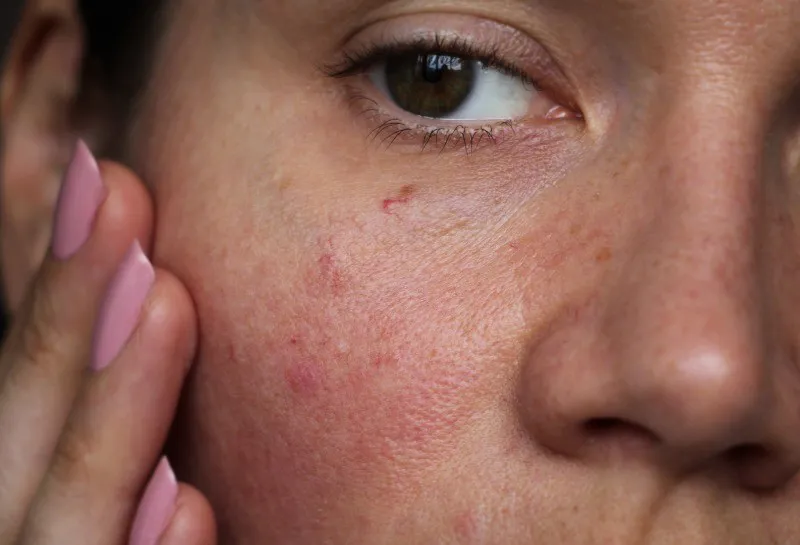
She notes that this is especially important in patients with darker skin tones, where healing can lead to post-inflammatory hyperpigmentation, hypopigmentation, or keloid scarring, which can sometimes be more visually distressing than the initial lesion itself.
Dr Sibanda also highlights a broader systemic issue: skin cancer is often diagnosed later in black and brown skin. This is partly because lesions can present differently and may be less visible, but also due to a lack of representation in medical education and public health imagery. As a result, many people do not see what skin cancer looks like on their skin tone, leading to later presentation and more advanced disease at diagnosis.
Are there ingredients or products that can help support recovering skin and any people should avoid?
According to Dr Sibanda, supportive ingredients include ceramides and fatty acids to restore the skin barrier, niacinamide to reduce inflammation and regulate pigmentation, panthenol and hyaluronic acid to support hydration and healing, and silicone gels or sheets, which remain the gold standard for scar modulation. Broad-spectrum SPF 50 or higher is also essential, particularly in preventing pigmentary complications.
For patients with darker skin tones, she is often more cautious and proactive around pigment control, sometimes introducing ingredients such as azelaic acid or low-strength retinoids at the appropriate stage.
In the early phases of healing, Dr Sibanda advises avoiding harsh exfoliants such as AHAs or BHAs, aggressive retinoids introduced too soon, fragrance-heavy or sensitising products, and overuse of so-called natural remedies that may trigger irritation. She emphasises that timing and sequencing are critical, as introducing actives too early can worsen scarring or pigmentation.
What is the one piece of advice you would give someone learning to care for their skin after treatment?
Dr Sibanda advises patients to think of their skin as being in a rehabilitation phase. The priority is protection, repair, and patience. Rushing into treatments or attempting to “fix” the skin too quickly is one of the most common reasons for poor long-term outcomes, particularly for people of colour.

What questions are patients asking most in consultations, in regards to skin cancer?
Dr Sibanda notes that the most common questions she hears are whether scars will fade completely, why the skin appears darker or lighter in certain areas, when patients can return to their normal routine, and whether the cancer is likely to recur.
In patients with darker skin tones, there is often an additional layer of concern around why the condition was not detected earlier and why available online examples do not reflect their skin tone. She says this reflects a significant gap in education and representation.
What recovery concerns come up repeatedly?
Across all skin types, concerns tend to focus on scarring, sensitivity, and recurrence. In darker skin specifically, Dr Sibanda frequently sees concerns around persistent pigmentation changes, uneven skin tone lasting months or even years, keloid or hypertrophic scarring, and the feeling that the aesthetic outcome is more noticeable than expected. Many patients also express frustration that these effects were not fully discussed beforehand.
Have you noticed common mistakes among patients post-treatment?
Dr Sibanda highlights several common post-treatment mistakes, including skipping SPF, particularly in the UK where UV exposure is often underestimated, restarting active skincare too early, relying on social media-driven “quick fixes,” delaying follow-up for pigmentation or scarring concerns, and assuming that darker skin does not require ongoing sun protection.
She also points to a more critical issue: delayed re-presentation, particularly among black patients, due to the misconception that skin cancer is rare in darker skin. While incidence is lower, outcomes are often worse due to later diagnosis.
If you want to read more, the experts at Consulting Room really know what they're talking about and have put together some scarring and pigmentation treatment FAQs just for you.
If you have more questions, you can use the scarring and pigmentation treatment questions feature to talk to our panel of trained medical experts.
If you're keen to get started with any of these treatments right away then you're in luck - those clever folks also have a list of trusted, accredited scarring and pigmentation clinics in your area.