

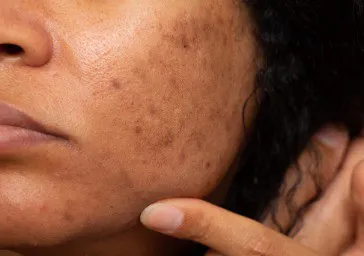
Melasma is a skin condition characterised by dark patches of pigment on the face, neck, arms or upper body. It is more common in women, particularly in pregnancy (known as a pregnancy mask) and in people with darker skin who expose their skin to the sun regularly. The condition is also called chloasma.
The pigmented areas are noticeably darker than the surrounding skin but are not different in texture, are usually smooth and are not itchy or painful. In most sufferers, the dark pigmentation becomes more noticeable in the summer and may even disappear in the winter. It seems to be light induced and is not caused by an infection, so is not contagious. It is not thought to be an allergic reaction to light and is not cancerous. However, as the dark patches are visible in everyday life they can be a cosmetic concern.
The contributing factors for melasma are: pregnancy; hormonal treatments such as oral contraceptives; medical conditions that affect hormone levels such as the menopause; exposure to sunshine or sun-beds. These factors are known to be linked to melasma occurrence and can exacerbate the condition once it is present.
The best way to alleviate melasma is to avoid the known trigger factors. You should speak to your GP about any hormonal medication you are using and discuss alternatives. During pregnancy, avoid exposure to the sun and sunbeds, the condition usually dissipates once hormone levels reduce after birth. Other sufferers should also avoid open exposure to the sun whenever possible, and use sun blocking products with a very high sun protection factor, at least SPF 50, every day.
There are skin treatments that can be used to make melasma less visible and improve the appearance of the skin.
Chemical peels, microdermabrasion and laser treatment are all reported to be beneficial. They all work by removing the upper layers of the skin where the excessive pigment has been stimulated.
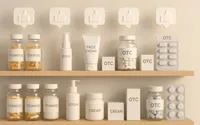
Skin lightening creams are also helpful, they contain chemicals that interfere with the pigment forming cells and reduce synthesis of the pigment. Hydroquinone is a common active ingredient, other creams may contain azelaic acid or retinoid, both of which are often used to treat acne but can also improve the appearance of melasma. These creams can sometimes irritate the skin so should be recommended and prescribed by a doctor or nurse prescriber.
There are also very good skin camouflage creams that can cover the patches during treatment and make them less visible.
The most important thing for someone with melasma is to avoid the sun and never use a sunbed. The good news is, once the right treatment has been found sustained sun protection should avoid any further pigmentation problems.
Your Melasma (Chloasma) Questions
Real Questions from Real People - Answered
Straightforward answers to the questions people like you are asking right now about Melasma (Chloasma).

Be the first to ask a Melasma (Chloasma) question.
Click here to ask your own question.
Find A Verified Clinic
Trusted Melasma (Chloasma) Experts, Local to You
Easily connect with qualified, verified professionals for safe, reliable treatment.

Akselberg Clinic
5 The Arcade , Hitchin, SG5 1EE
Welcome to Akselberg Aesthetics Our clinic is led by Dr Victoria Russell-Akselberg, an experienced practitioner in regenerative treatments with a background as an NHS surgeon.
A Aesthetics
50 VICTORIA GATE, DERRY, BT47 2TP
To find a Melasma (Chloasma) clinic near you, please click here.
Melasma (Chloasma) Reviews
Real Experiences. Honest Feedback.
Read what others have to say about Melasma (Chloasma) before you decide.

Sue
"I have been having facials and botox at Simply Belle for many years and have 100% trust in the team there. Having injectables can be pretty scary at first, but I can honestly say that I have never been anything but delighted by the results of my treatments. I have my own business and have recommend Hayley to many of my clients and friends who have all been equally impressed. I would never go anywhere else"
Jessica hollman
"Had my lips done with Carly for the first time. She was very patient and understanding of my concerns. I will be returning again."
To view all the Melasma (Chloasma) reviews, please click here.
Melasma (Chloasma) Before And After Images
See the Results for Yourself
Explore real Melasma (Chloasma) before and after images to understand what’s possible.

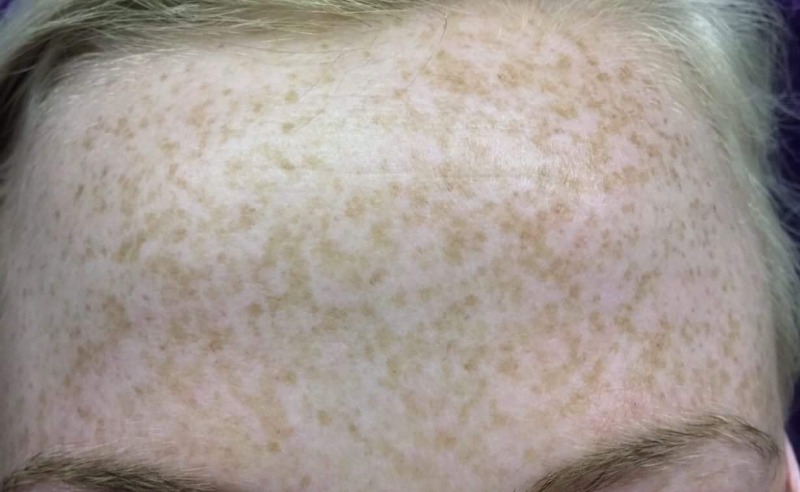
Pigmentation Removal
Laser pigmentation removal including superficial melasma, solar lentigo, sun damage spots
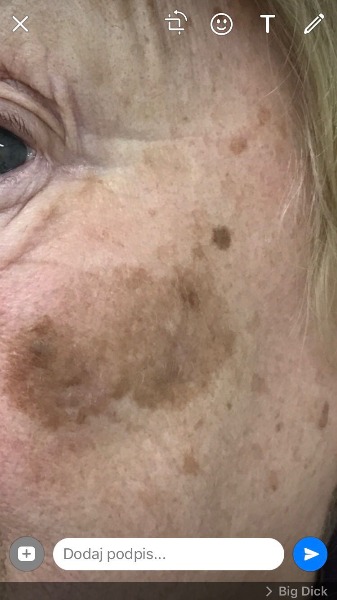
Pigmentation Removal
Laser pigmentation removal including superficial melasma, solar lentigo, sun damage spots
To view the Melasma (Chloasma) gallery, please click here.
Melasma (Chloasma) Videos
Everything You’ve Been Wondering — Answered
See real expert advice, and patient stories brought to life.

Joyce's Tixel® Review
Tixel® reduces fine lines, skin discolouration, skin laxity and scares by stimulating your skin's natural production of collagen to create new healthy skin that is smoother, firmer and tighter.
To view all the Melasma (Chloasma) videos, please click here.
Melasma (Chloasma) Treatments
Explore the Melasma (Chloasma) Treatments We Recommend
Discover the leading treatments used by professionals, all in one place.
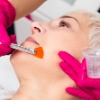
Chemical Peels
The use of chemical peels to soften and improve the appearance of skin dates back to the ancient Egyptians. Today, scientists have identified numerous forms of acid which can be used to treat skin.
Cosmetic Skin Camouflage
Cosmetic skin camouflage is the art of concealing a discolouration, blemish or scar with the application of specialist camouflage creams that are matched to the surrounding skin tones.
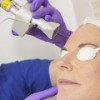
Fractional Laser Skin Resurfacing
Unlike ablative and non-ablative lasers Fractional Laser Skin Resurfacing (Fractional Photothermolysis) only damages small zones within a target area, causing fractional trauma and quicker recovery.
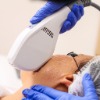
Laser and IPL Skin Rejuvenation
Laser, Intense Pulsed Light (IPL), Light Heat Energy (LHE) and Light Emitting Diode (LED)technologies have been developed to treat a variety of skin problems including sun damage effects and wrinkles.
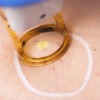
Laser and IPL Treatment Pigmented/Vascular Problems
Laser and light technologies have been developed to treat people with a variety of different skin problems including pigmented (skin colour, birthmark) and vascular (vein) problems.
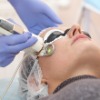
Laser Skin Resurfacing
Laser skin resurfacing involves the removal of the outer layer of the skin using an ablative laser to improve the appearance of sun damaged skin or acne scars, lines, wrinkles, and pigment changes.
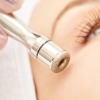
Microdermabrasion
Microdermabrasion helps improve the texture and appearance of the skin using a stream of fine micro particles which partially removes the outermost layer of the skin and stimulates new cell growth.

Specialist Skin Creams
There are many hundreds of different types of cosmeceutical skin care products on the market today that contain active ingredients and claim they can improve wrinkles and the appearance of ageing.