


Your Dry Eye Questions
Real Questions from Real People - Answered
Straightforward answers to the questions people like you are asking right now about Dry Eye.

Be the first to ask a Dry Eye question.
Click here to ask your own question.
Find A Verified Clinic
Trusted Dry Eye Experts, Local to You
Easily connect with qualified, verified professionals for safe, reliable treatment.

To find a Dry Eye clinic near you, please click here.
Dry Eye Treatments
Explore the Dry Eye Treatments We Recommend
Discover the leading treatments used by professionals, all in one place.

What Is Dry Eye Disease?
Clear guide to dry eye disease in the UK. Understand symptoms, causes, types and treatment options, from self-care to specialist assessment.
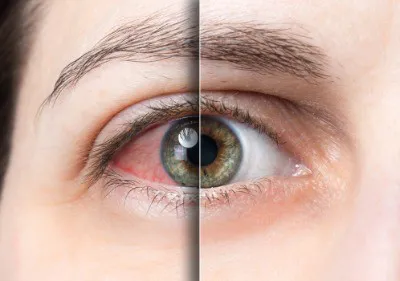
Dry eye is a chronic condition affecting the tear film that coats and protects the surface of the eye. It is one of the most common eye complaints in the UK, yet it is frequently misunderstood, often dismissed as minor, and regularly managed with the wrong approach. The condition is not simply a matter of producing too few tears. In most cases, it involves a more complex breakdown in tear quality, gland function, or ocular surface stability.
Understanding dry eye matters because the type you have directly influences which treatments are most likely to help. Without that clarity, it is easy to spend months cycling through products that address the wrong aspect of the problem. For anyone experiencing persistent grittiness, burning, blurred vision during screen use, or eyes that water despite feeling dry, a clearer picture of what is going on can make a significant practical difference.
This guide is written primarily for people who suspect they may have dry eye, those already managing it and looking for more structured information, and anyone trying to understand the condition before seeking professional advice. It covers the two main types of dry eye, how the tear film works, common causes and risk factors, what an assessment involves, and the range of treatment options available in the UK, from over-the-counter drops through to specialist in-clinic procedures.
The information is grounded in current UK clinical guidelines and international consensus reports, and is designed to support informed decision-making rather than replace individual assessment. Where personalised advice is needed, such as identifying the specific type of dry eye you have or choosing between treatment options, the guide will make that clear.