
How Does Hydrafacial Work?
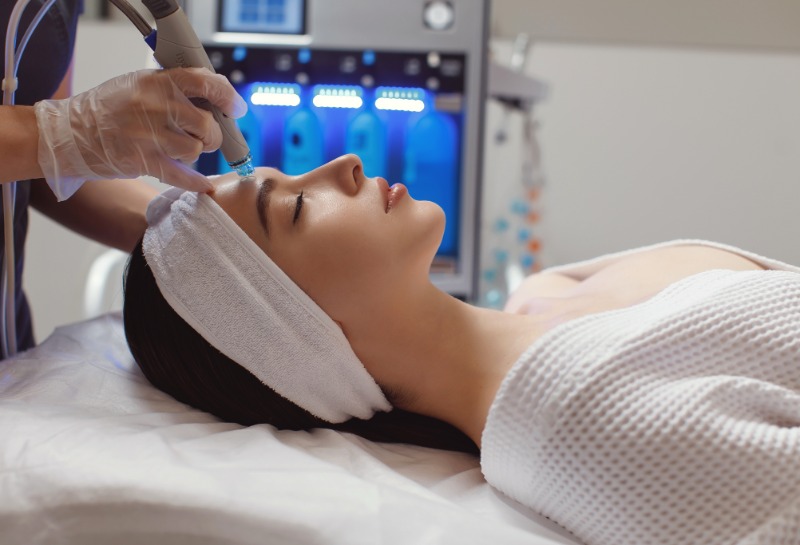
The Hydrafacial treatment begins with a thorough cleansing of the skin, eliminating dead skin cells and excess oil. Subsequently, a blend of salicylic and glycolic acid is applied to break down any dirt and oil clogging the pores.
The Hydrafacial device then uses a high-pressure flow of fluid to flush out impurities, including dirt, oil, and blackheads, which are then suctioned away.
Throughout the process, nourishing serums are infused into the skin, providing hydration, plumping, and rejuvenation.
There are many benefits of Hydrafacial treatment which include, but aren’t limited to:
- Rosacea
- Sensitive Skin
- Oily skin and congested skin (removes dead skin cells)
- Dry Skin
- Acne
- Uneven skin tone and age spots/brown spots
- Skin texture
- Skin elasticity and firmness
- Fine lines and wrinkles
- Sun Damage
- Hair
- Enlarged pores
- Acne scars
- Restore radiant skin tone
The Hydrafacial treatment is often described as a gentle tugging sensation, like a mini vacuum, on the skin. It is a non-invasive procedure with no skin-puncturing or harsh manipulation involved, so there is no risk of excessive redness, irritation, or harm. You can expect a smooth and soothing experience without any discomfort.
The Hydrafacial is generally considered safe and free of complications, but some individuals may feel slight pressure from the device during the procedure. Unlike other cosmetic treatments, it is not meant to be painful or cause redness.
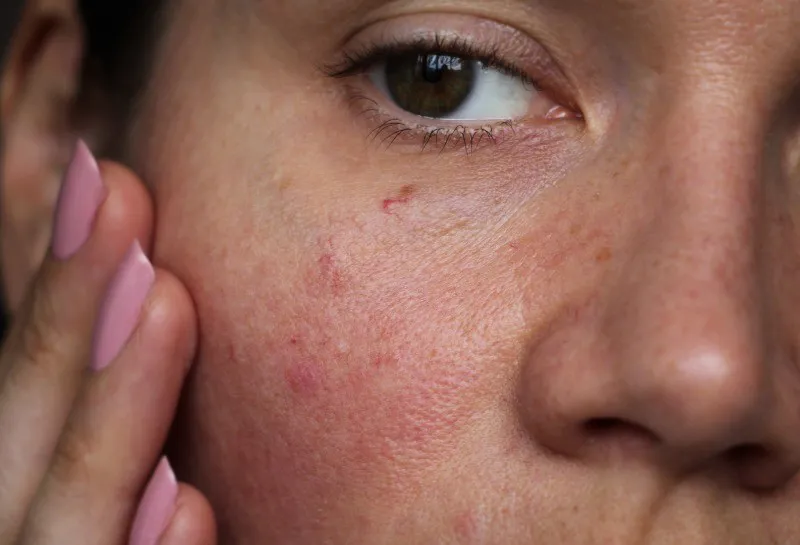
However, it is not recommended for individuals with active skin conditions, such as a rosacea flare, or a current rash. In such cases, it is best to seek medical advice before undergoing Hydrafacial treatment.
One Hydrafacial session can produce visible improvements in your skin's appearance. Depending on your skin concerns, multiple sessions may be necessary to achieve optimal results. For sustained benefits, it is recommended to schedule regular monthly appointments.
Hydrafacial treatment delivers powerful antioxidants into your skin so following just one Hydrafacial, you will notice immediate skin improvements that will last for several days.
Specific skin conditions may need multiple treatments to see results – your practitioner will share their recommendations after a personalised consultation.
For optimum results, a course of regular treatments is usually recommended, followed by regular monthly or quarterly maintenance treatments. How many treatments you will need can be discussed with your practitioner.
A Hydrafacial is suitable for all skin types, even sensitive skin, but should be avoided if you are suffering from an active skin concern such as a cold sore or sunburn.
If you’re on medication, pregnant or breastfeeding, speak to your practitioner to check if it’s ok to go ahead before your first treatment.
A standard Hydrafacial will take 60 minutes, however, treatment can be tailored to your individual needs so may take longer or can be done in as little as 30 minutes.
This facial treatment is crafted to rejuvenate your skin without any discomfort or adverse effects. Hence, you won't have to take time off from work or other engagements after the treatment. You can promptly resume your routine activities or drive back home with ease.
What Should You Not Do After Hydrafacial?
It is advised to avoid hot environments and intense physical activities, such as saunas, sunbeds, intense workouts, and hot yoga, for the next 48 hours after your Hydrafacial treatment. Also, avoid swimming pools for the next 48 hours. Using a minimum of SPF30 sun protection is crucial (as it should always be!) For optimal results, avoid undergoing any aggressive skin treatments on the treated area for 2 weeks. Additionally, refrain from using retinol products for 2 days after the treatment.
No! Vortex technology removes dead skin cells, which simply feels like a mini vacuum on your face! You may also feel a slight tingling when certain skincare solutions are used.
Hydrafacial is a relaxing treatment with no recovery time, so you can get back to your normal activities straight away.
The ideal frequency for Hydrafacial treatments is approximately once a month or every 4 weeks. This schedule is suitable for most individuals and yields the greatest benefits for the skin. With one treatment every 4 weeks, a wide range of cosmetic issues, including anti-aging and acne control, can be effectively addressed.
It is important to ensure that the person administering your Hydrafacial treatment is properly qualified and has received proper training in using the device. This will ensure that they are equipped to handle any unexpected situations that may arise during the procedure
Usually £95-£220, depending on your location and the experience of your practitioner. Courses of Hydrafacial will generally work out cheaper, speak to your practitioner who will be able to come up with a skin health treatment plan for you.
You may be able to book a course of HydraFacials for a reduced rate and lots of clinics do special offers/promotions throughout the year.
Some clinics also offer Hydrafacial Keravive – a unique treatment that can revive scalp health!
Studies have found that after one treatment, patients reported improvement in scalp itchiness, scalp dryness, scalp flakiness and hair fullness. Over a course of Hydrafacial Keravive, 75% of patients saw improvement in hair fullness, 72% had an improvement in overall hair appearance, and 64% said they felt more confident.
Three treatments once a month are recommended, alongside spraying your hair with a special solution in between and after Hydrafacial Keravive.
The procedures can also benefit other hair-loss protocols, including oral, topical, laser and surgical therapies.
Conclusion
As always, if you have any questions you can use our Ask An Expert where you can ask for more advice direct from a trusted, experienced medical practitioner.
If you want to look for your nearest accredited and verified Hydrafacial clinic, use our local Hydrafacial clinic finder.
Not sure Hydrafacial treatment is right for you? We have lots of Hydrafacial videos, Hydrafacial reviews and Hydrafacial before and after images for you to do more research if you are ready to speak to a fully trained HydraFacialist.