The Microbiome: What Is It and What Affects It?

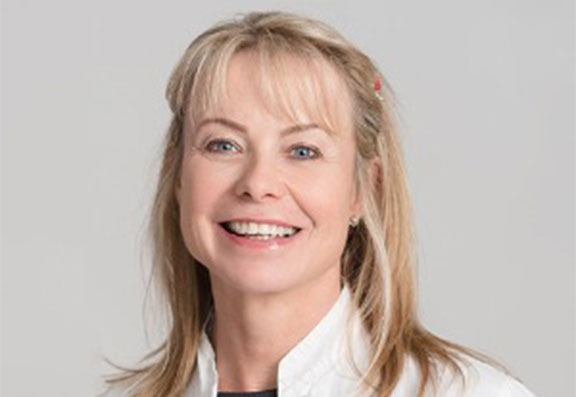
Dr Sam Robson
By Dr Sam Robson

Dr Sam Robson is a highly respected and experienced practitioner who qualified as a GP in 1997 and has been practising aesthetic medicine since 2004.


With so much hitting the internet about the importance of having a “healthy microbiome” it is pertinent to clarify what the microbiome is and why it is important.
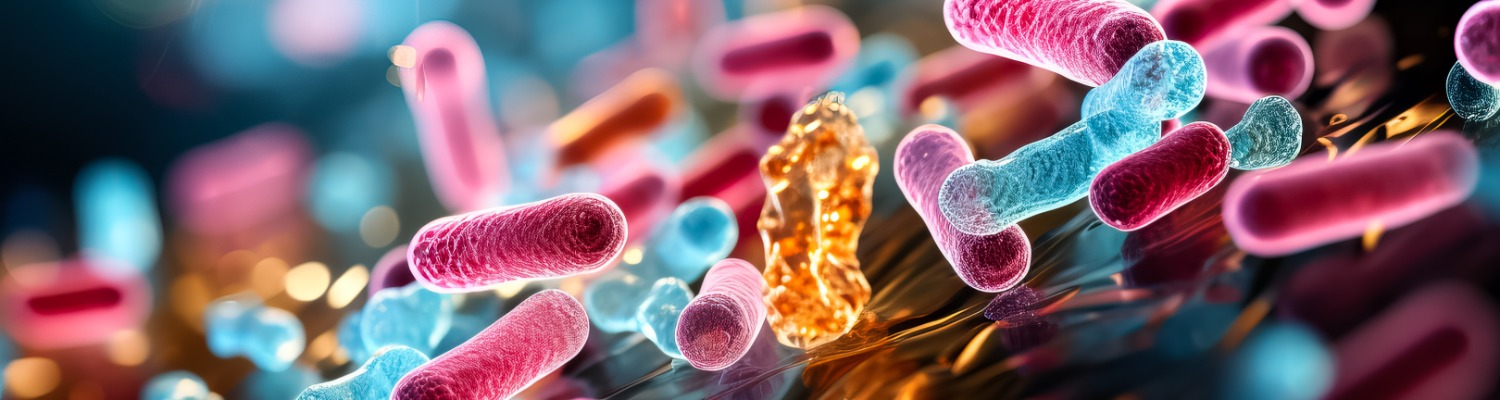
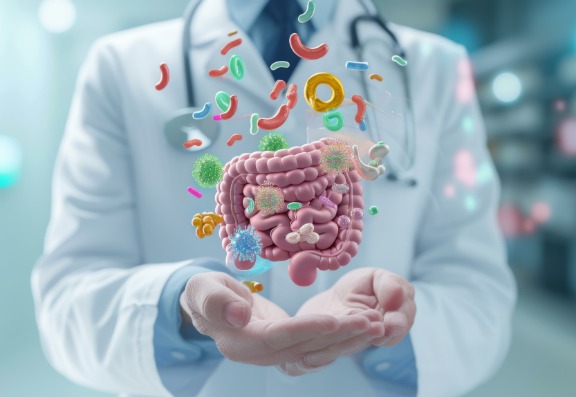
The ecosystem of microorganisms (bacteria/ fungi) that inhabit your digestive tract is collectively called the gut microbiota and the term microbiome is a collective noun which refers to their genes.
 
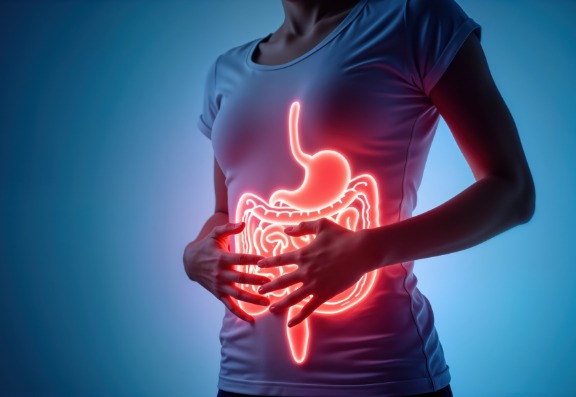
The digestive system starts at the mouth leading through the stomach into the small intestine (where most of our food digestion takes place) and ends with the large intestine and anus. Up until fairly recently, the large intestine was seen as just being the part of our gut which stores the food waste before depositing it through the anus into the toilet.
We know that the digestive tract is home to trillions of bacteria which not only play an active role in digesting food and drink, but within the large intestine this food waste is processed further producing substances which can impact significantly on our health and well-being. 
 
The number of bacteria found in the mouth is less than 1% of that found in the large intestine – food moves quickly through the stomach and small intestine and because of the effectiveness of the digestive juices on the gut contents, the number of bacteria found there remains relatively low.
The Microbiome
The large intestine however contains the largest number and variety of microbiota in the body. These organisms play an important role influencing our health. One of the key roles is to support our immune system – the bacteria interact with specialised immune cells in the large intestine impacting on our ability to effectively fight infection. This interaction affects host immune function both within the gut and elsewhere in the body as well as being thought to be implicated in various auto-immune diseases.
 
Another significant role directly attributed to these organisms is their ability to impact on our mood. Specialised nerve cells in the gut, which directly influence the production of neurochemicals such as serotonin can have an almost immediate effect on our brain and sense of well-being, although serotonin itself does not cross the blood-brain barrier.
 
Perhaps one of the most important roles of the microbes is how they influence food digestion and the number of calories we can derive from food.
Irritable bowel syndrome
Perhaps unsurprisingly, research continues to unfold suggesting that changes in the gut microbiota are involved in various aspects of health including common gut disorders such as irritable bowel syndrome (IBS) and inflammatory bowel disease (IBD).
 
There are links being uncovered between stress-mediated disorders such as anxiety and depression and the gut microbiota as well as increasing evidence that the health of the gut bacteria is linked to various skin conditions.
Although the overall gut microbiota ecosystem is relatively stable having basically been established from early childhood it can change from day to day and there are many factors that can influence it. The biggest influence is provided through the food we eat – dietary changes can affect the composition of the microbiota within just 3 days – and there are studies which show that vegans have very different microbiota to people eating a diet high in animal products. Other important factors include sleep, physical activity, stress and medications.
 
So, as can we have seen the microbiome appears to play a vital role in our health and well-being – it may have been considered in the past to be just a pile of poop but increasingly is being viewed as our “second brain”.

Many thanks to the author of this blog Dr Sam Robson who owns Temple Clinic.

Dr Sam Robson is a highly respected and experienced practitioner who qualified as a GP in 1997 and has been practising aesthetic medicine since 2004.

She has also become progressively aware of the increasing incidence of low morale and self-esteem 

The repertoire of treatments provided by the clinic aims to help address many problems.

Call Dr Sam Robson on 0122 486 9997 or visit www.templeclinic.co.uk.
Thanks to the author

Hey, wait!

Before you go.....

Let's stay in touch, pop your details here and we'll send our editor's hand-picked updates on your fave subjects.