21
Jan
2026


Jennifer Aniston made headlines last year when she mentioned her anti-ageing peptide injectables. Since then, salmon sperm has been all anyone seems to be talking about in Aesthetics!
I hear you asking how this relates to hair loss. Well, enter…polynucleotides!
The aesthetics world’s answer to all things anti-ageing. Aesthetic medicine is continuously evolving, with innovative treatments surfacing to address different cosmetic concerns. Polynucleotides (PN or PDRN), the buzzword everyone is talking about in 2024, offer a promising treatment for many of the causes of hair loss.
Hair loss is a problem which affects up to 85% of men by their 50s and up to a third of women at some point in their lives. It’s a problem which can have many different causes and can be complex to treat! Surgical treatments can have a significant downtime associated with them, and therefore, minimally invasive treatments such as polynucleotides offer an appealing alternative for mild to moderate hair loss.
Jennifer Aniston spoke out about her polynucleotide injectable treatments last year, and since the,n it has taken the aesthetics world by storm.
What exactly are Polynucleotides?
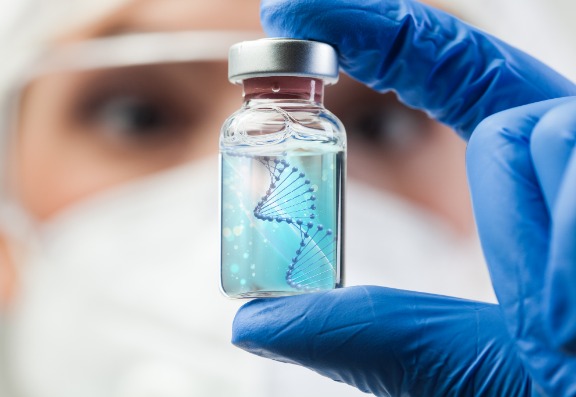
Originally used in the medical field since the 1980s for treating burns, wounds, and scars, polynucleotides have recently gained traction in aesthetics. They consist of nucleotide chains - the building blocks of DNA and RNA - typically derived from salmon or trout sperm. These polynucleotides are purified and sterilised for medical use.
Their application in aesthetics, including hair loss, has become increasingly prominent, especially following public endorsements like Jennifer Aniston's famous 'salmon sperm facial.'
How do Polynucleotides work for Hair Loss?
Polynucleotides, such as Ameela, function at a cellular level, fostering fibroblast proliferation and collagen synthesis. They enhance blood vessel growth, therefore improving blood flow to the scalp. Their anti-inflammatory and wound-healing properties are crucial in addressing hair loss, often driven by inflammatory processes. They are effective in addressing hormonal hair loss, including male and female by nurturing hair follicles and creating an optimal environment for hair growth.
How does an appointment for Polynucleotides work?
Consultation and Consent: A comprehensive personal and medical history review, along with a detailed discussion of the treatment, its expected results, and potential side effects.
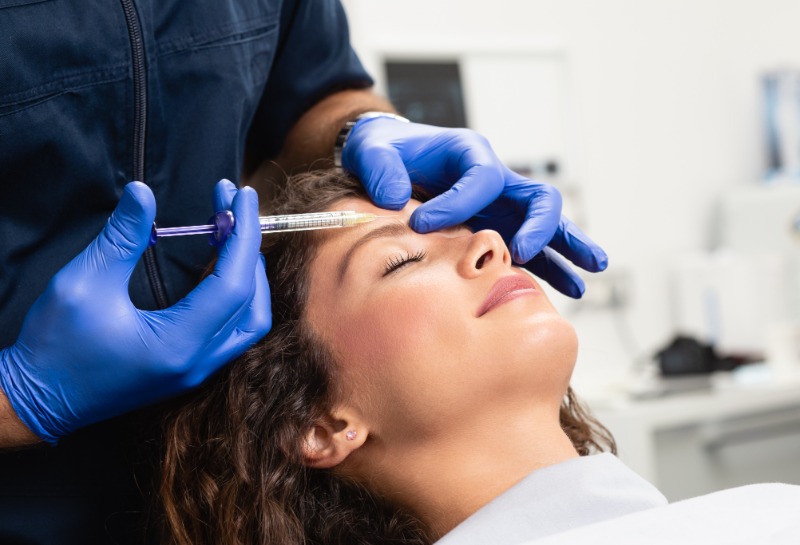
The Treatment: The scalp is prepared with a sterile solution. A local anaesthetic may be injected by specialist practitioners to numb the scalp. The polynucleotides are then injected, which might cause a brief stinging sensation and localised swelling resembling bee stings.
Repeat Treatment: One treatment is not going to reverse years of hair loss! For optimum results, a course of 4 or more treatments every 2-4 weeks is recommended, followed by maintenance treatments.
Are polynucleotides worth it?
Minimally Invasive: No need for surgical procedures, reducing complications.
Safety Profile: Few complications and quick absorption.
Quick Recovery: Normal activities can be resumed shortly after the procedure.
Adjunctive Treatment: Can be combined with other hair loss treatments for enhanced efficacy such as PRP (Platelet-rich plasma), topical and oral medications as well as Microneedling.
Efficacy in Various Hair Loss Types: Effective in both male and female hormonal hair loss, especially in the early stages.

How long do Polynucleotides take to Work?
Polynucleotides take 4-6 weeks to work due to the time taken for collagen and elastin to be produced. The anti-inflammatory properties are immediate. In terms of hair loss, it takes a few weeks to work as your hair follicles take time to go through their growth cycles - usually 4-6 weeks.
How long do Polynucleotides Last?
Polynucleotides last for 6-12 months and usually a require an initial course of 3-4 treatments depending on the severity of the concern. This will be discussed during your consultation.
How much do polynucleotides cost?
Expect to pay £300 per treatment, with a recommended course of treatments for optimal results. The cost may depend on whether adjunct treatments such as PRP (Platelet-rich plasma) are recommended.
So there you have it!
Polynucleotide treatments represent a significant advancement in aesthetic medicine for treating hair loss. Their safety, efficacy, and minimally invasive nature make them an attractive option for those seeking hair restoration without the complexities of surgery. As with any medical procedure, it's crucial to consult with qualified professionals to determine the best treatment plan for your specific needs.
If you want to read more, the experts at Consulting Room really know what they're talking about and have put together Hair loss, PRP and Microneedling FAQs just for you.
If you have more questions, you can use the Hair loss, PRP and Microneedling questions feature to talk to our panel of trained medical experts.
If you're keen to get started with any of these treatments right away then you're in luck - those clever folks also have a list of trusted, accredited Hair loss, PRP and Microneedling clinics in your area.
Read it? Loved it? Want to share it?

22
May
2025
Find out all the different Hair Restoration treatments available so you don’t have to suffer from Alopecia alone!
Hey, wait!
Before you go.....
Let's stay in touch, pop your details here and we'll send our editor's hand-picked updates on your fave subjects.