Why Are So Many People Travelling Abroad for Cosmetic Surgery?
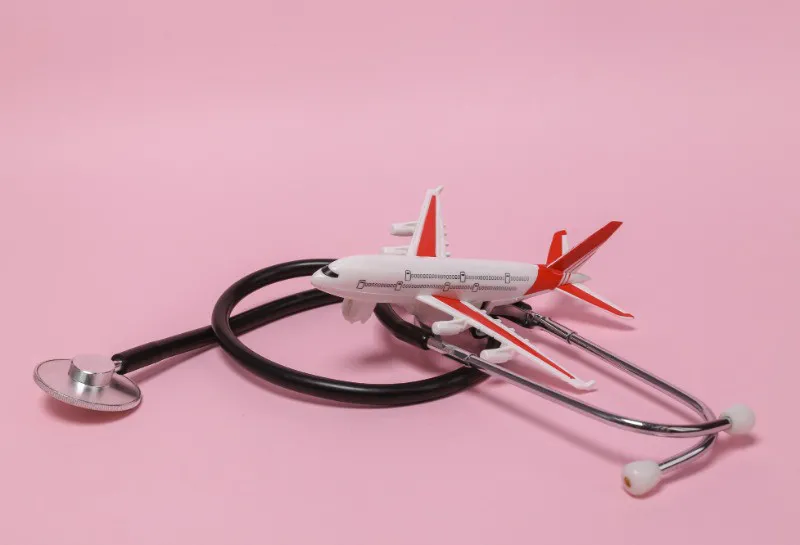
Over the past few years, travelling overseas for cosmetic procedures has become increasingly popular, particularly among younger adults.
Social media is full of influencers documenting their transformations, while clinics advertise luxury hotels, airport transfers and surgery packages at prices that can be 30-80% cheaper than in the UK.
Countries including Turkey have become particularly popular for procedures such as:
- Tummy tucks
- Breast surgery
- Weight Loss Surgery
- Liposuction
- Brazilian Butt Lift (BBL)
- Rhinoplasty (nose reshaping)
Although many people have successful experiences, experts say the risks are often overlooked.
What Did the New Study Find?
The latest research from the British Association of Aesthetic Plastic Surgeons (BAAPS) is the largest UK study to examine complications following cosmetic surgery abroad.
Researchers analysed almost 200 patients who required treatment after returning to the UK.
The findings included:
- Nearly 75% required further medical treatment or surgery after returning home.
- Almost half needed another operation under general anaesthetic.
- One patient sadly died following a pulmonary embolism.
- 37% experienced wounds that opened or failed to heal properly.
- 28% developed infections.
- 24% developed fluid collections (seromas).
- 20% experienced tissue necrosis, where skin or fat dies because it loses its blood supply.
The study also found that:
- 76% of complications followed surgery performed in Turkey.
- 93% of patients were women.
- The average patient age was just 39.
- More than one in three patients had several cosmetic procedures performed during the same trip.
What Is Tissue Necrosis?
One of the most serious complications reported was tissue necrosis.
This happens when the blood supply to the skin or underlying tissue is interrupted, causing the tissue to die.
Signs may include:
- Black or dark patches of skin
- Severe pain
- Open wounds
- Delayed healing
- Infection
Treatment can involve further surgery to remove damaged tissue and repair the affected area.
Why Can Surgery Abroad Become More Complicated?
According to BAAPS, the problem isn't simply where the surgery takes place.
Many overseas surgeons are highly skilled and provide excellent care.
However, complications become more difficult to manage when patients:
- Have consultations online only.
- Undergo multiple major procedures during one trip.
- Fly home before they have fully recovered.
- Have no clear aftercare plan.
- Cannot easily contact their original surgeon if something goes wrong.
Cosmetic surgery doesn't end when you leave the operating theatre. Recovery and follow-up care are just as important as the procedure itself.

How to Reduce Your Risk if You’re Considering Surgery Abroad
If you're thinking about travelling overseas for cosmetic surgery, don't base your decision on price alone.
Before booking, ask yourself:
- Is the surgeon appropriately qualified?
- Is the clinic properly regulated?
- What happens if something goes wrong?
- Who provides aftercare once I return home?
- Am I medically suitable for surgery?
- Am I combining too many procedures at once?
Taking time to research your options could help you avoid serious complications later.
The Bottom Line
Cosmetic surgery is still surgery, whether it's performed in the UK or overseas.
While millions of procedures are carried out safely every year around the world, choosing surgery based purely on cost can carry significant risks.
Before booking a cosmetic procedure abroad, make sure you understand not only the operation itself but also the recovery, aftercare and support available if complications arise.
Want More Information?
If you want to read more, the experts at Consulting Room really know what they're talking about and have put together some Breast uplift/reduction, abdominoplasty, eyelid lift, tummy tuck, facelift, Breast implants, nose jobs, rhinoplasty and cosmetic surgery treatments treatment FAQs just for you.
If you have more questions, you can use the Breast uplift/reduction, abdominoplasty, eyelid lift, tummy tuck, facelift, Breast implants, nose jobs, rhinoplasty and cosmetic surgery treatment questions feature to talk to our panel of trained medical experts.
If you're keen to get started with any of these treatments right away then you're in luck - those clever folks also have a list of trusted, accredited Breast uplift/reduction, abdominoplasty, eyelid lift clinics, tummy tuck clinics, facelift clinics, Breast implant, nose job, rhinoplasty and cosmetic surgery clinics in your area.