5 Surprising Truths About PRP Therapy

Danielle Kerrigan-Lowe
By Danielle Kerrigan-Lowe

Danielle is the Marketing Manager for ConsultingRoom.com, the UK’s largest aesthetic information website. 


In the constant search for effective skin and hair treatments, we’re often presented with external solutions. We turn to fillers to add volume, chemicals to resurface skin, and lasers to trigger change. These methods can be effective, but they are undeniably external, something foreign being added or applied to our bodies.

But what if the most powerful tool for regeneration wasn't found in a syringe of synthetic filler or a high-tech laser, but was already circulating within you?

This is the fascinating premise behind Platelet-Rich Plasma (PRP) therapy, a treatment that revolutionises conventional aesthetic medicine. It starts with a simple, powerful idea:

Platelet-Rich Plasma (PRP) therapy
What if the secret to smoother skin and stronger hair was already in your blood?
 
This article moves beyond the hype to explore the five most surprising and impactful facts about how PRP therapy actually works. By understanding the underlying biology, you can see why this treatment is less of a quick fix and more of a long-term investment in your body's own power to renew itself.
 
 
1. The Secret Ingredient Isn't an Ingredient... It's You.
 
Unlike the vast majority of aesthetic treatments that introduce foreign substances into the body, PRP is "autologous." This clinical term has a simple meaning: the treatment is derived entirely from you, the patient. There are no synthetic chemicals or external additives.
 
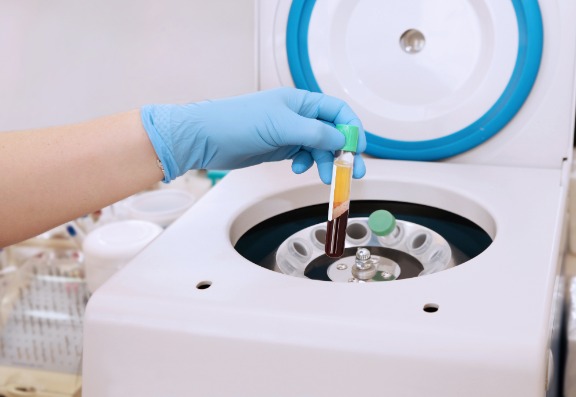
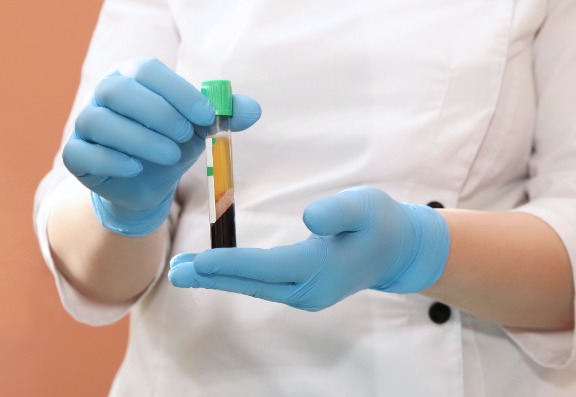
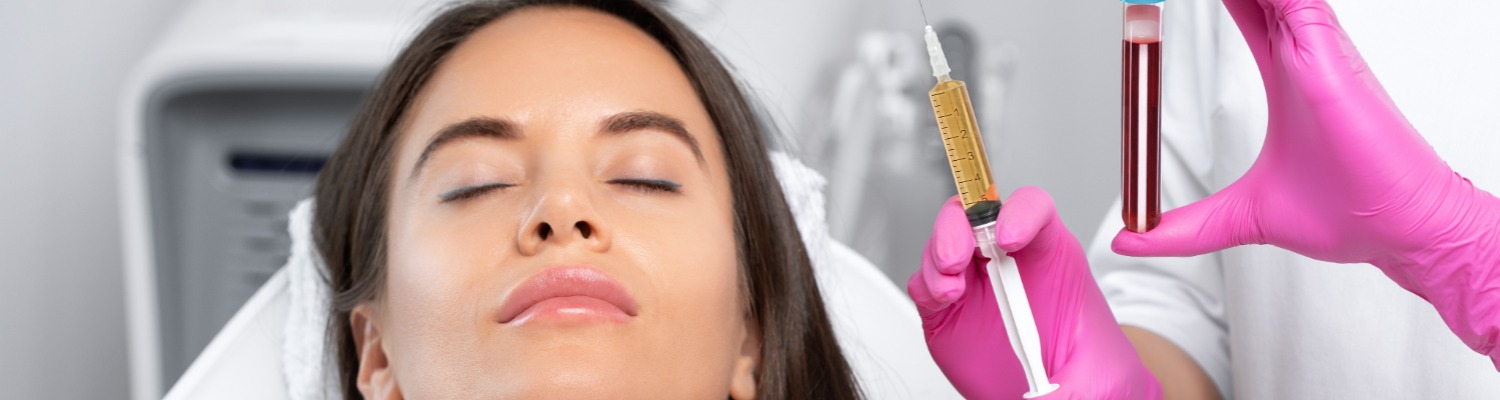
This process minimises the risk of allergic reactions or rejection, making it a safer option for many people. It begins with a small blood sample, which is placed in a centrifuge to separate and concentrate the platelets. The result is a golden serum rich with your body's own growth factors, ready to be reintroduced where it's needed most. Where a synthetic filler introduces a foreign substance to create volume, PRP leverages your body's own biological blueprint for renewal. This "from within" approach represents a significant shift in aesthetic medicine, moving the focus from external augmentation to natural, biological enhancement.
 
 
2. Platelets Are More Than Just Scab-Makers.
 
Most of us know platelets for their primary job: rushing to the site of an injury to clot blood and stop bleeding. While essential, this is only part of their story. Platelets have a secret double life as mighty biological "messengers."
 
They are packed with growth factors, which are natural signalling proteins that act as instructions for your body's repair crew. When injected into the skin or scalp, these growth factors instruct your cells to initiate their work. They instruct the body to repair damaged tissue, stimulate cell turnover, and, most importantly, produce new collagen. Specific growth factors play targeted roles: Platelet-Derived Growth Factor (PDGF) attracts repair cells to the area, Transforming Growth Factor-beta (TGF-β) stimulates collagen production, and Vascular Endothelial Growth Factor (VEGF) improves blood supply, bringing more oxygen and nutrients to the tissue.
 
 
3. The Real Results Show Up Weeks, Not Hours, Later.
 
In a world of "lunchtime" procedures that promise instant results, PRP requires a different mindset. It is not a quick fix that masks an issue; it is a biological process that stimulates a gradual, natural wave of regeneration. The timeline for results is rooted in your body’s own healing rhythm.
 
  • First 24-48 Hours: It's normal to experience mild swelling and redness. This is a positive sign that the growth factors have been released and are signalling your body's repair crew to get to work.
  • First 2-4 Weeks: You may begin to notice a subtle "glow" or a fresher, more hydrated appearance in your skin as initial changes take hold.
  • 4-12 Weeks: This is the key window where visible improvements truly begin. As your body produces new collagen, you'll see better skin texture and firmness. For hair loss, this is when reduced shedding and new hair growth become noticeable as follicles are stimulated.
To achieve these results, most treatment plans require an initial series of three sessions to build regenerative momentum.
Not All PRP Is Created Equal.
4. Not All PRP Is Created Equal.
 
The effectiveness of PRP therapy is highly dependent on the quality of its preparation. The "recipe" truly matters, and two treatments may not be the same.
 
The concentration of platelets is a critical factor; a preparation that is too diluted may be less effective at stimulating a robust healing response. This is why the technology used is of immense importance.
 
Leading clinics utilise clinically validated systems equipped with advanced centrifugation technology to produce highly concentrated, pure PRP consistently. 
Using a closed, sterile kit minimises contamination risk and ensures consistency and safety. Furthermore, there are different formulations, such as leukocyte-rich (containing more white blood cells) versus leukocyte-poor, and the right choice depends on the treatment goal. This transforms you from a passive recipient to an informed consumer. To ensure the best outcome, ask your potential practitioner: "What system do you use to ensure PRP consistency and purity?"
 
 
5. Your Lifestyle Is Part of the Treatment Plan.
 
Because PRP harnesses your own biology, its effectiveness is naturally influenced by your individual health and daily habits. The procedure is a partnership between the clinical treatment and your body's ability to respond. Several personal factors can impact your results.
  • Age: Younger individuals tend to have more responsive regenerative cells, though PRP can still be effective in later decades with a tailored treatment plan.
  • General Health: Your body's overall wellness matters. Proper hydration, a nutritious diet, and good quality sleep can all support a stronger regenerative response.
  • Lifestyle Choices: Habits like smoking may lead to slower or less pronounced improvements, as they can impair circulation and healing.
  • Medications: The regular use of anti-inflammatory medications, such as ibuprofen, can dampen the very inflammatory response that PRP relies on to initiate the healing cascade.
Viewing PRP as a collaboration between the treatment and your lifestyle helps set the stage for the best possible outcome.
 
Conclusion: A Final Thought on Renewal
 
PRP therapy is a sophisticated treatment that moves beyond surface-level aesthetics to support your body’s innate ability to repair and rejuvenate itself. It isn’t about creating an artificial ideal but about encouraging subtle, lasting improvements that align with your own biology.
 
By understanding that the secret ingredient is you, that results follow your body's natural timeline, and that your lifestyle is integral to the outcome, you begin to see PRP not just as a procedure, but as a collaborative process. This shift prompts a bigger question: As medicine increasingly learns to harness our own biology, what does it mean to work with our bodies, rather than just on them?

If you want to read more, the experts at Consulting Room really know what they're talking about and have put together some botoxbotulinum toxin injections and lines and wrinkles treatment FAQs just for you. 

If you have more questions, you can use the botoxbotulinum toxin injections and lines and wrinkles Treatment Questions feature to talk to our panel of trained medical experts. 

If you're keen to get started with any of these treatments right away then you're in luck - those clever folks also have a list of trusted, accredited botoxbotulinum toxin injections and lines and wrinkles clinics in your area.

Hey, wait!

Before you go.....

Let's stay in touch, pop your details here and we'll send our editor's hand-picked updates on your fave subjects.