


Searching for pigmentation treatment often turns up the same reassurance: that a given laser, peel, or cream is "suitable for all skin types." It's an understandable claim to make, since many treatments are technically designed to work across a wide range of skin tones. But suitability isn't really about what a device can do in theory. It's about whether a particular treatment is the right fit for your skin, medical history, and circumstances at this point in time.
This distinction matters because the wrong treatment, or the right treatment at the wrong time, can occasionally make pigmentation worse rather than better. Darker skin types carry a higher risk of treatment-induced pigmentation if settings or technique aren't adjusted appropriately. Melasma can behave unpredictably, sometimes worsening after treatments that work well for other types of pigmentation. Pregnancy, certain medications, and active skin conditions such as acne or eczema can all shift what's appropriate, sometimes only temporarily.
This guide covers the main factors that genuinely affect suitability, including skin type, pregnancy and breastfeeding, medications, and the UK's specific rules regarding prescription-strength ingredients like hydroquinone. The aim is to help you understand what a thorough consultation should cover, so you can recognise one when you find it, and ask the right questions before booking anything.
With that context in mind, it's worth starting with the question underlying all of this: why isn't suitability for pigmentation treatment the same for everyone?
Our Preferred Partner - LaserMe by Neauvia
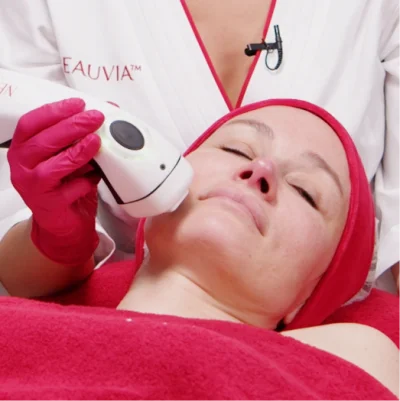
LaserMe is a non-ablative fractional diode laser used in medical aesthetics clinics across the UK to support skin regeneration and pigmentation management. This guide is for anyone trying to understand what it is, how it works, and whether it may be relevant to their hyperpigmentation concern.
- What LaserMe is, and how it differs from ablative laser treatments
- Which pigmentation concerns it is commonly used for, including PIH, melasma, and sun damage
- What to consider around suitability, recovery, costs, and choosing a qualified practitioner
Why Pigmentation Treatment Suitability Isn't One-Size-Fits-All
It's tempting to assume that if a clinic offers a pigmentation treatment, it must be right for anyone with pigmentation. In practice, suitability depends on far more than the device or product being used.
What "Suitable for All Skin Types" Actually Means
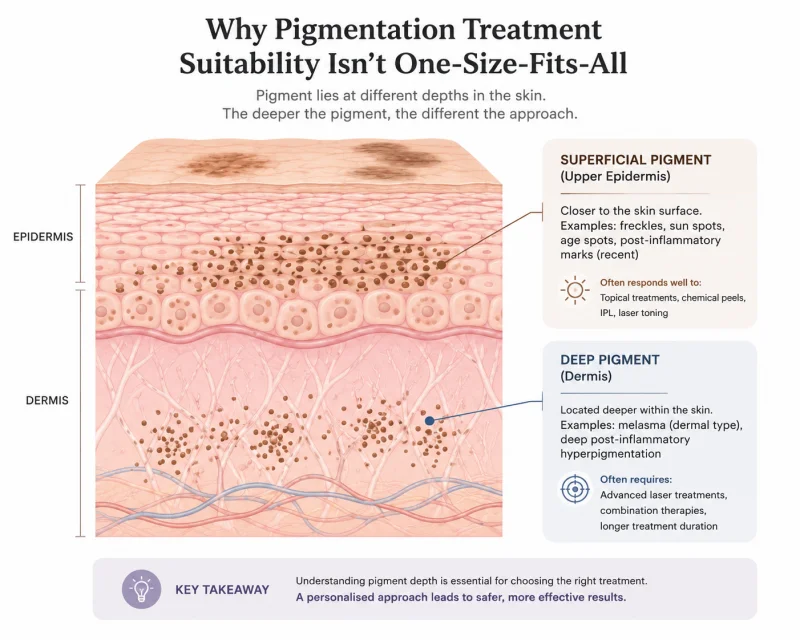
When a treatment is described as suitable for all skin types, this usually refers to the technology's technical capability, not a guarantee that it's the right choice for every individual. A laser might be calibrated to work across a wide range of skin tones, for example, but that doesn't mean every person with that skin tone will respond to it safely or well.
- Pigmentation has several underlying causes, including sun damage, hormonal changes, inflammation, and genetics, and these don't all respond the same way to treatment.
- The depth of the pigment (whether it sits in the upper or lower layers of skin) affects which treatments can reach it effectively.
- Some forms of pigmentation, particularly melasma, are unpredictable and can occasionally worsen after treatments that help other types of pigmentation.
Why Individual Assessment Matters More Than the Treatment Itself
A treatment's general safety profile is only part of the picture. What matters more is how that treatment interacts with a specific person's skin type, medical history and current skin condition. This is why a proper consultation should always come before a price list.
Suitability isn't a fixed label attached to a treatment. It's a judgment made about a particular person, at a particular time, based on their skin and circumstances.
What A Proper Skin Assessment Should Cover
Before any pigmentation treatment is recommended, a thorough skin assessment should take place. This step is where suitability is genuinely determined, not assumed.
Identifying the Type and Cause of Pigmentation
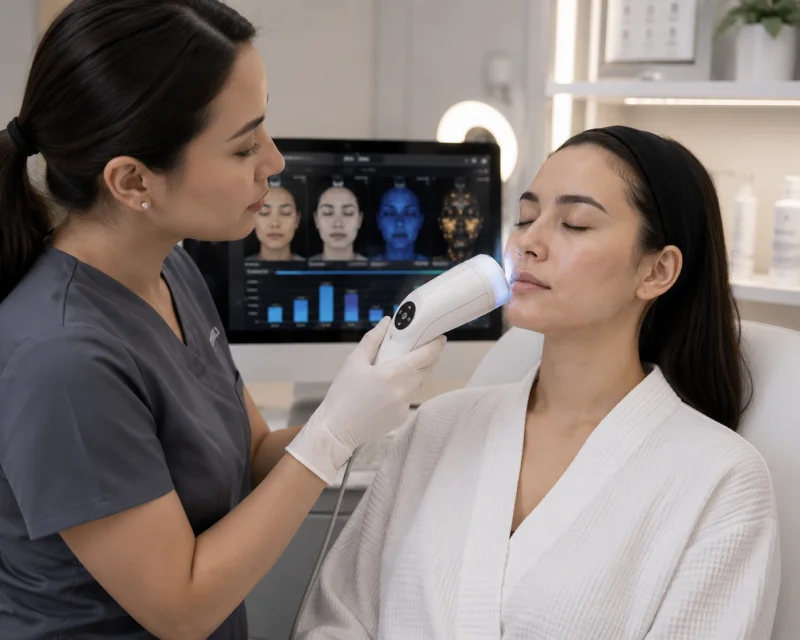
A good assessment starts with determining exactly what kind of pigmentation is present, since melasma, sun spots, post-inflammatory marks, and other forms of discolouration don't always respond to the same treatments.
- A practitioner should ask about how and when the pigmentation appeared, including any link to sun exposure, pregnancy, hormonal changes, or skin injury.
- Visual examination, sometimes supported by tools such as a Wood's lamp, can help distinguish pigment near the surface from pigment deeper in the skin.
- Any pigmentation that has changed shape, colour or texture unexpectedly should be flagged for further medical review rather than treated straightaway.
Reviewing Skin Type, Medical History and Lifestyle
Skin type and medical background both influence which treatments are appropriate and which carry more risk.
- Fitzpatrick skin type (a scale describing how skin responds to sun exposure) helps indicate the likelihood that a treatment will trigger further pigmentation.
- Current medications, pregnancy or breastfeeding status, and any history of skin sensitivity should all be discussed openly.
- Sun exposure habits matter too, since recently tanned or sun-sensitised skin is generally less suitable for certain treatments until it has settled.
Setting Realistic Expectations From the Outset
A proper assessment should also be the point where realistic timelines and outcomes are discussed, rather than left until after treatment has started. This includes being clear about how many sessions might be needed and how pigmentation can vary in its response.
A consultation that skips these steps or moves straight to recommending a specific treatment misses the part of the process where suitability is actually assessed.
Skin Type And The Risk Of Treatment-Induced Pigmentation
One of the most important suitability factors is skin type itself, particularly because some treatments carry a higher risk of triggering new pigmentation rather than resolving existing pigmentation.
Why Darker Skin Tones Need Extra Care
Skin with more melanin tends to respond more strongly to inflammation and injury, which means treatments that deliberately induce controlled damage to the skin (such as certain lasers and peels) should be approached with particular caution.
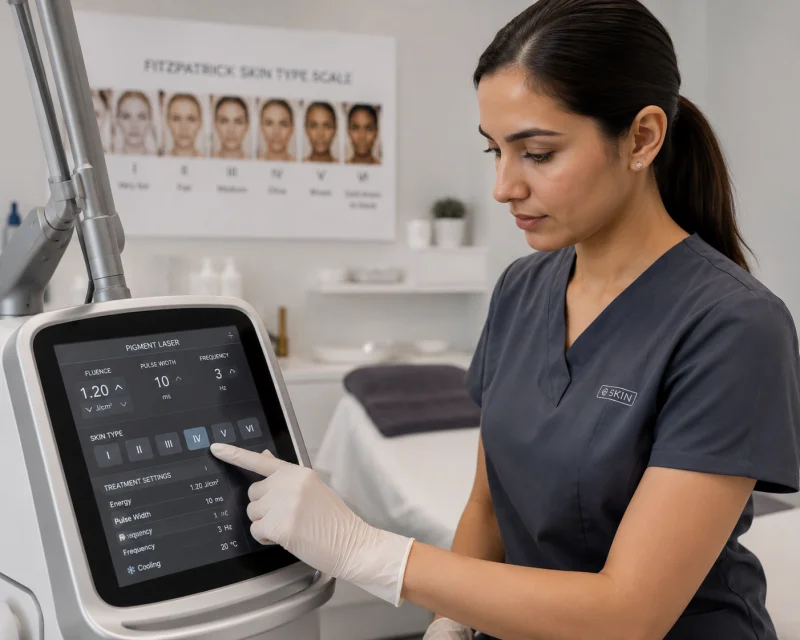
- Postinflammatory hyperpigmentation is more common and severe in individuals with darker skin tones, specifically those with Fitzpatrick skin types III to VI.
- This happens because darker skin types have a greater baseline level of melanin production and more reactive melanocytes, so any irritation or injury can trigger an overproduction of pigment as the skin heals.
- This doesn't rule treatments out altogether. It simply means that settings, technique, and aftercare need to be adjusted carefully, and that a practitioner with genuine experience treating darker skin tones is essential.
Why Some Treatments Can Make Pigmentation Worse, Not Better
This risk isn't limited to darker skin tones, though it is more pronounced there. Even lighter skin that is prone to reacting can experience the same effect.
- Heat-based and light-based treatments work by creating a controlled level of damage that prompts the skin to heal and renew itself, but if this triggers excess inflammation, the result can be more pigmentation rather than less.
- This is particularly relevant for melasma, a hormonally driven form of pigmentation that can behave unpredictably and, in some cases, has been reported to worsen after laser treatment.
- Heat itself, separate from light or UV exposure, can also trigger melasma in sensitive individuals, which is why even non-laser heat-generating devices are sometimes flagged with caution.
What This Means in Practice
None of this means that darker skin or melasma-prone skin cannot be treated. It means the choice of treatment, the settings used, and the practitioner's experience all matter more than they would for someone with lighter skin and a straightforward case of sun damage.
Pregnancy, Breastfeeding And Hormonal Pigmentation
Pregnancy and breastfeeding bring their own set of suitability considerations, largely because hormonal pigmentation often appears or intensifies during this time.

Why Melasma Is So Closely Linked to Pregnancy
Melasma, sometimes referred to as the "mask of pregnancy," is driven partly by hormonal changes, which is why it frequently develops or worsens during pregnancy.
- Melasma occurs more frequently in women, typically between the ages of 20 and 40, with pregnancy recognised as one of several contributing triggers.
- It tends to appear as symmetrical, darker patches, most often across the cheeks, forehead or upper lip.
- In many cases, pregnancy-related melasma fades naturally after birth, though this isn't guaranteed, and some pigmentation can persist.
What's Generally Avoided During Pregnancy and Breastfeeding
Because some active ingredients and treatments haven't been established as safe during pregnancy or breastfeeding, a cautious approach is standard practice.
- Hydroquinone and certain other prescription-strength skin-lightening ingredients are generally avoided during pregnancy and breastfeeding, as their effects on a developing baby or infant are not clearly understood.
- Many in-clinic procedures, including laser and chemical peel treatments, are commonly postponed until after pregnancy and breastfeeding have ended, partly due to limited safety data and partly due to the unpredictable nature of hormonally driven pigmentation during this time.
- This is an area where waiting is usually the more sensible option than seeking a workaround, since pregnancy-triggered melasma can settle on its own.
Why Timing Matters More Than Usual Here
For anyone pregnant, trying to conceive, or breastfeeding, the most useful first step is usually a conversation with a GP or midwife before exploring aesthetic treatments at all. Pigmentation that appears for hormonal reasons during this period often calls for patience rather than intervention.
This is one of the clearer suitability boundaries in pigmentation treatment, and one where postponing treatment is typically the safer, more appropriate choice.
Active Acne, Inflammation And Sensitive Skin
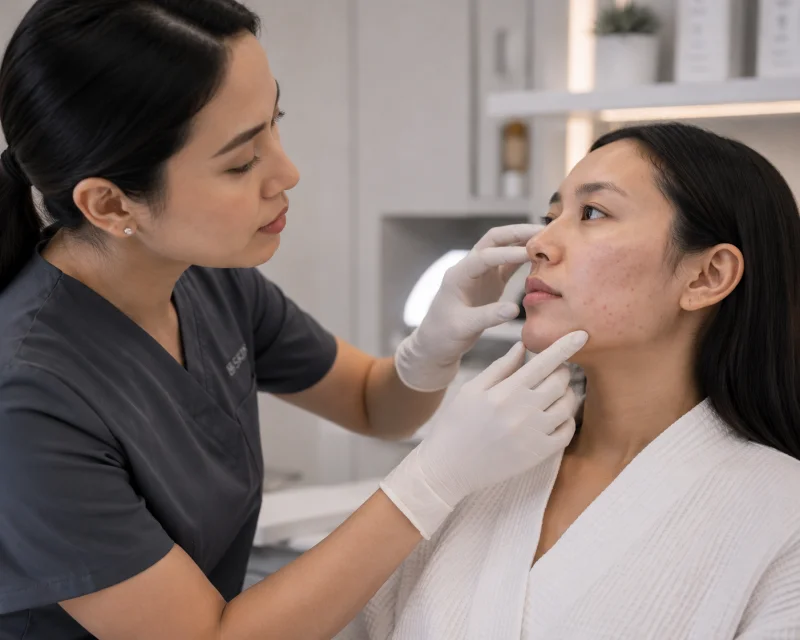
Pigmentation often appears alongside other active skin conditions, and treating one without considering the other can do more harm than good.
Why Active Acne Changes the Picture
Acne and pigmentation are closely linked, since inflamed or healing acne lesions are among the most common causes of post-inflammatory hyperpigmentation.
- Treating pigmentation while acne is still active can be counterproductive, as new breakouts are likely to create fresh marks even if existing pigmentation improves.
- In many cases, it makes more sense to bring active acne under control first, then address the pigmentation it has left behind.
- Some acne treatments, particularly oral isotretinoin, require a waiting period before certain in-clinic procedures, such as laser treatments or peels, can be performed safely.
Why Inflamed or Reactive Skin Needs a Different Approach
Skin that is currently inflamed, irritated, or prone to reacting strongly to products is generally not a good candidate for treatments that deliberately create a controlled level of irritation.
- Conditions such as eczema, rosacea, or contact dermatitis can make skin more reactive, increasing the likelihood that a treatment will cause further inflammation rather than resolve pigmentation.
- A flare-up at the time of treatment, even a mild one, is usually a reason to wait rather than proceed.
- Sensitive skin doesn't rule out treatment altogether, but it often means starting with gentler options and monitoring how the skin responds before considering more intensive options.
Why Sequencing Matters
Getting the order right, calming inflammation before addressing pigmentation, tends to produce a more comfortable experience and a clearer picture of how the skin actually responds. Rushing this process by tackling pigmentation and inflammation simultaneously often makes it harder to judge what's working.
Settled, stable skin is generally a better starting point for pigmentation treatment than skin that is still actively reacting to something else.
Medications And Other Factors That Affect Suitability
Beyond skin type and active conditions, certain medications and lifestyle factors can also influence whether a pigmentation treatment is appropriate at a given time.
Medications That Can Affect Suitability
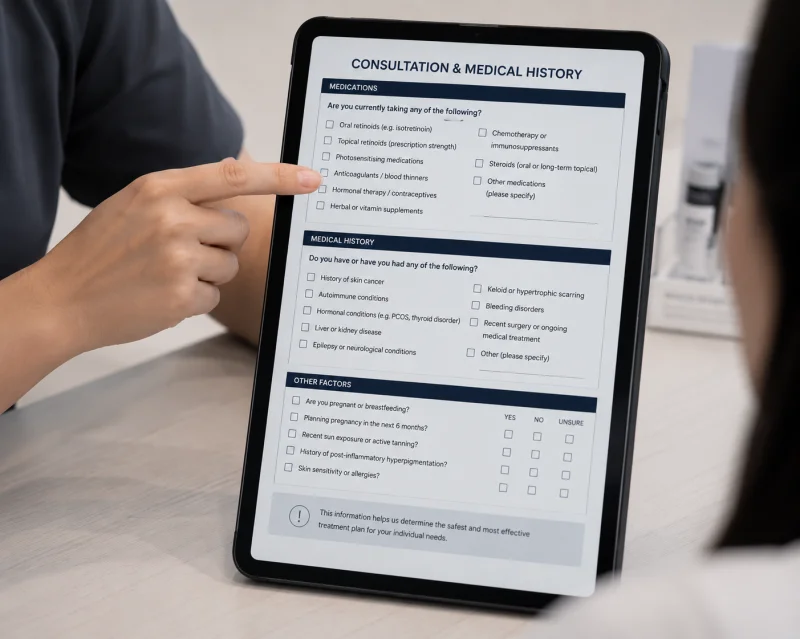
Some medications change how skin responds to light, heat, or controlled irritation, which can affect both safety and results.
- Photosensitising medications, including certain antibiotics and acne treatments, can increase the skin's sensitivity to light-based treatments and may need to be paused or accounted for beforehand.
- Oral isotretinoin, in particular, is generally associated with a waiting period before procedures such as laser or peels, due to its effects on skin healing.
- Some hormonal medications, including certain types of contraception, have been linked to pigmentation changes and are worth mentioning during a consultation, even if they don't necessarily rule treatment out.
Sun Exposure and Recent Tanning
Recently tanned or sun-exposed skin is generally considered less suitable for many pigmentation treatments until it has settled.
- Skin that has been recently exposed to strong sun is more reactive and more likely to respond unpredictably to treatments involving light, heat, or controlled irritation.
- A typical recommendation is to avoid significant sun exposure, including sunbeds, for a period before and after treatment.
- Daily SPF use isn't just a finishing touch. It plays a genuine role in determining how well skin responds to treatment and how stable results are likely to be afterwards.
Other Factors Worth Mentioning at Consultation
A few additional points are worth raising, even if they seem minor:
- Any known allergies or previous reactions to skincare products or topical treatments.
- A history of keloid or abnormal scarring, which can affect suitability for more intensive procedures.
- Any underlying medical conditions affecting the skin or immune system, which a practitioner should always be made aware of.
Being open about medications, sun exposure habits, and medical history during a consultation isn't about ticking boxes. It genuinely shapes which treatment, if any, is the right fit.
Hydroquinone And Prescription-Only Treatments In The UK
Some of the most effective ingredients for pigmentation are only available on prescription in the UK, which is an important and often overlooked factor in suitability.
Why Hydroquinone Is Prescription-Only in the UK
Hydroquinone is one of the most established ingredients for treating stubborn pigmentation, but its legal status in the UK differs from that in some other countries.
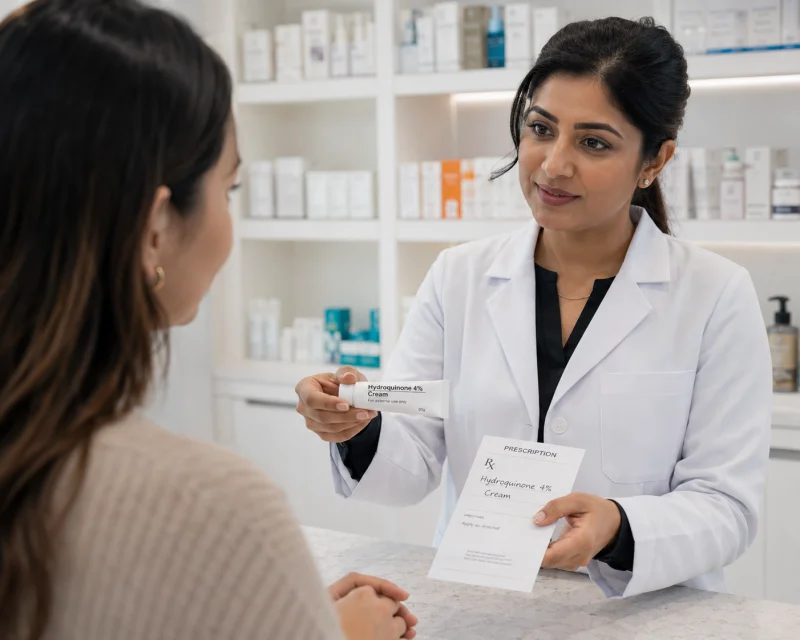
- Hydroquinone is classed as a prescription-only medicine in the UK at any strength, meaning it cannot legally be bought over the counter, unlike in the United States, where lower concentrations are available without a prescription.
- This means a UK-based prescriber needs to assess whether hydroquinone is appropriate before it can be used, which ties back to many of the same suitability factors already covered, including skin type, pregnancy status, and any history of skin sensitivity.
- Hydroquinone bought from unregulated overseas sellers carries its own risks, since strength, purity, and labelling cannot be verified as they can with a prescribed product.
What This Means for Choosing a Treatment Route
Because hydroquinone requires a prescription, anyone considering it as part of their pigmentation treatment will need to go through a formal consultation, whether with a GP, dermatologist, or prescribing clinician at an aesthetic clinic.
- This consultation step isn't a formality. It's the point at which a prescriber decides whether hydroquinone is genuinely suitable, taking into account everything from current medications to skin reactivity.
- Other prescription-strength options, such as combination creams containing retinoids or mild steroids, follow a similar principle: they require clinical oversight rather than self-selection.
- For those who aren't suitable candidates for prescription-strength treatments, there are still nonprescription options worth discussing, including ingredients such as azelaic acid, vitamin C, and niacinamide.
Why This UK-Specific Detail Matters
Many guides written for an international audience understate how tightly hydroquinone is regulated in the UK, which can lead to confusion when comparing UK and overseas advice. Knowing this in advance makes for a more informed, less frustrating consultation experience.
Prescription status isn't a barrier designed to be unhelpful. It's a built-in suitability check that ensures these stronger ingredients are matched to the right person under proper supervision.
Questions Worth Asking Before You Book
A good consultation should leave you with clear answers, not just a booking confirmation. Asking the right questions beforehand can help confirm whether a treatment and a clinic are genuinely right for you.

Questions About Your Own Suitability
These questions help determine whether the treatment matches your specific skin and circumstances, rather than relying on a general assumption about pigmentation treatment.
- What type of pigmentation do I have, and how was that determined?
- Is this treatment known to work well for my skin type, or does it carry additional risks for me specifically?
- Are there any medications, medical conditions, or circumstances, such as pregnancy, that would affect whether I'm a suitable candidate right now?
- What would make me unsuitable for this treatment, either now or in the future?
Questions About the Treatment and Practitioner
These questions focus on the practitioner's experience and how the treatment itself is approached.
- How much experience do you have treating this type of pigmentation and treating skin tones similar to mine?
- What happens if my skin doesn't respond as expected, or if pigmentation appears to worsen?
- How many sessions are typically needed, and how will progress be assessed along the way?
- What aftercare is required, and what are the realistic risks if it isn't followed properly?
Recognising a Thorough Answer
A practitioner who takes suitability seriously will usually welcome these questions rather than rush past them. Vague reassurance, such as a treatment being "suitable for everyone," without any reference to your specific skin or history, is generally a sign that the assessment hasn't been thorough enough.
Booking a pigmentation treatment is ultimately a decision best made after these questions have been answered clearly, not before.
Your Hyperpigmentation Questions
Real Questions from Real People — Answered
Straightforward answers to the questions people like you are asking right now about Hyperpigmentation.

Be the first to ask a Hyperpigmentation question.
Click here to ask your own question.
Find A Verified Clinic
Trusted Hyperpigmentation Experts, Local to You
Easily connect with qualified, verified professionals for safe, reliable treatment.

Skin Redefined Ltd
Skin Redefined is a Cheltenham-based aesthetics clinic specialising in regenerative skin treatments, anti-ageing solutions, and natural-looking results led by Nurse Prescriber Kelly Whittaker.

Dr Ed Robinson Clinics
Doctor-led medical aesthetics, skin & laser clinic in Hale, Cheshire
To find a Hyperpigmentation clinic near you, please click here.
Grow Your Practice with Hyperpigmentation
Whether you are already using Hyperpigmentation or considering adding it to your treatment menu, here is how to make the most of it.

Are you a practitioner? If you'd like to link your practice to Hyperpigmentation and become part of ConsultingRoom.com, you can register as a verified specialist using the information on our specialist registration page.
Once verified, your profile can feature Hyperpigmentation alongside the other treatments, conditions and products you support, helping patients searching ConsultingRoom.com find you directly.
Our Preferred Partner:
As more patients research hyperpigmentation online before booking a consultation, having your clinic listed against this condition on ConsultingRoom.com is becoming an increasingly valuable way to reach them. From melasma and post-inflammatory pigmentation to sun damage and age spots, patients turn to pages like this to understand their options before choosing a practitioner.
If your clinic treats hyperpigmentation, our dedicated practitioner resource explains everything you need to know, including how to get listed, showcase your expertise and connect with patients actively searching for treatment.
Find out how being listed here could help grow your clinic and connect you with patients seeking trusted, qualified care.