

Deciding to pursue treatment for hyperpigmentation is usually straightforward. Understanding what that treatment actually involves, from the first consultation through to maintaining results, is where things get less clear.
Most online searches return clinic service pages that describe available treatments in broad terms but say little about the process itself: what a consultation should cover, what a session feels like, how many you are likely to need, and what your skin might do in between. That gap leaves people booking appointments with reasonable expectations about outcomes but limited preparation for the reality of the journey.
Hyperpigmentation is also a category that covers several distinct conditions - sun damage, melasma, post-inflammatory pigmentation - each of which behaves differently and responds to treatment on a different timescale. A course of laser sessions for discrete sun spots looks and feels quite different from a months-long topical protocol for hormonal pigmentation. Both are legitimate treatment pathways, but the experience, timeline, and aftercare demands differ.
This guide walks through the full treatment process in practical terms: what happens at a consultation, how a plan is put together, what each type of session involves, and why pigmentation can sometimes appear to worsen before it improves. It also covers the between-session period that most clinic content overlooks - the weeks where compliance with aftercare makes a measurable difference to whether results hold.
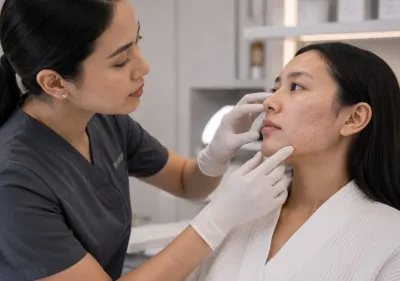
The process begins well before any treatment is applied, at the consultation stage, where the type, cause, and depth of your pigmentation are assessed and a realistic plan is outlined.
Our Preferred Partner - LaserMe by Neauvia
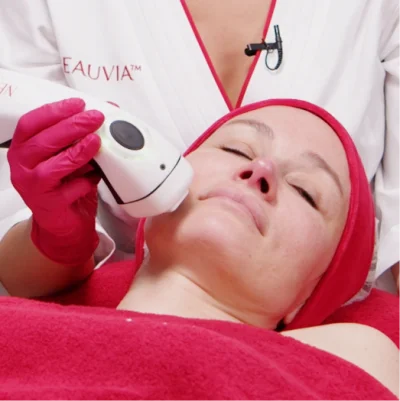
LaserMe is a non-ablative fractional diode laser used in medical aesthetics clinics across the UK to support skin regeneration and pigmentation management. This guide is for anyone trying to understand what it is, how it works, and whether it may be relevant to their hyperpigmentation concern.
- What LaserMe is, and how it differs from ablative laser treatments
- Which pigmentation concerns it is commonly used for, including PIH, melasma, and sun damage
- What to consider around suitability, recovery, costs, and choosing a qualified practitioner
What Happens At Your First Consultation?
The first consultation is where your treatment journey actually begins - and it covers considerably more ground than simply deciding which procedure to book.
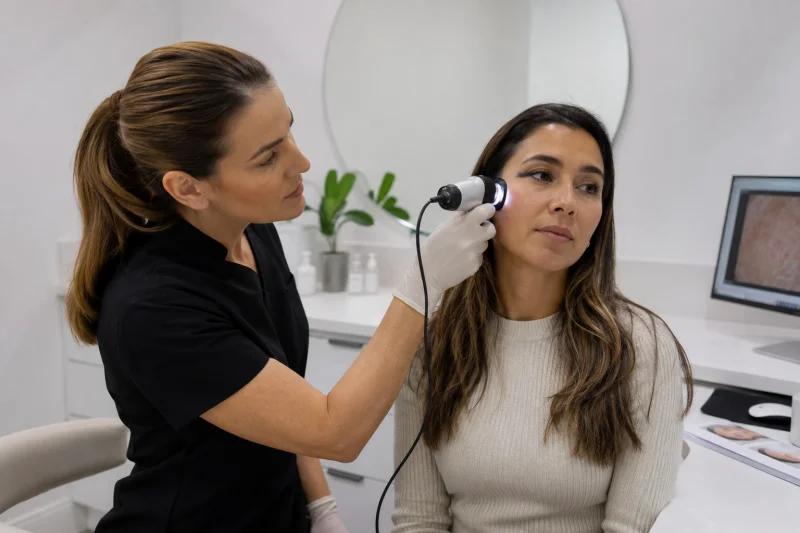
What a thorough skin assessment involves
A practitioner-led consultation should start with a close examination of your skin: the type, location, and likely cause of your pigmentation. This is not just about appearance. Understanding whether you are dealing with sun damage, hormonal pigmentation such as melasma, or post-inflammatory marks from acne or irritation matters because each responds differently to treatment.
Your skin tone will also be assessed, often using the Fitzpatrick scale, a clinical tool that categorises skin by its response to UV exposure. This has a direct bearing on which treatments are appropriate and at what intensity. People with medium to deep skin tones require particular care, as certain laser settings and peel strengths carry a higher risk of worsening pigmentation if used incorrectly.
What else should be covered?
A good consultation should also include:
- A review of your medical history and any medications you are taking (some drugs can cause or worsen pigmentation)
- Questions about your lifestyle - how much time you spend outdoors, whether you use SPF consistently, and your skincare routine
- Discussion of any previous treatments you have tried and how your skin responded
- An honest conversation about realistic timelines and what each option involves in terms of sessions, downtime, and aftercare
In some clinical settings, a Wood's lamp - a UV light device - may be used to reveal pigment depth that is not visible under standard lighting. This can help determine whether pigmentation lies in the upper layers of the skin or deeper within the dermis, which affects treatment choice and the likely speed of results.
The consultation is also the right moment to ask questions. What is causing my pigmentation? Is this the most suitable treatment for my skin type? What should I realistically expect over the next few months? A practitioner who welcomes these questions and answers them clearly is a good indicator that you are in the right place.
How Your Treatment Plan Is Put Together
Once your consultation is complete, your practitioner will use what they have found to outline a treatment approach. That plan will look different from one person to the next - and for good reason.
Why are no two plans the same
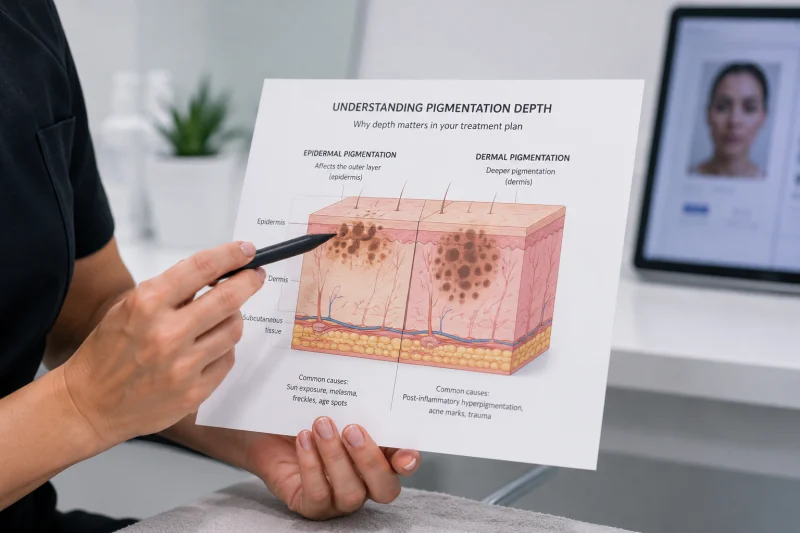
The type of pigmentation you have is the starting point. A flat sunspot sitting close to the skin's surface responds quite differently to diffuse melasma or a cluster of post-inflammatory marks left behind by acne. Depth matters too: pigmentation confined to the upper layers of skin is generally more responsive to treatment than pigment that has settled deeper into the dermis.
Your skin tone, lifestyle, and how consistently you are likely to maintain aftercare (particularly SPF use) all feed into the plan as well. A practitioner working carefully will factor these in before recommending anything, rather than defaulting to the most popular or most available option.
Single treatments versus combination approaches
Some straightforward cases - isolated sun spots on lighter skin, for example - may respond well to a single treatment modality. Others benefit from a combination approach: a course of laser sessions supported by topical actives used at home, or a chemical peel programme alongside prescription-strength ingredients.
In practice, a well-constructed plan often involves more than just in-clinic sessions. Home skincare - particularly ingredients that regulate melanin production, such as vitamin C, azelaic acid, or niacinamide - can play a meaningful supporting role between appointments. For cases of melasma, hormonal management may also be worth discussing with a GP alongside any aesthetic treatment.
Plans can and do evolve
It is worth knowing that your initial plan is a starting point, not a fixed contract. Most practitioners will review progress at intervals and adjust - changing treatment frequency, modifying topical recommendations, or shifting approach if your skin is not responding as expected. This kind of responsive management is normal and reflects good clinical practice, not uncertainty.
What Happens During A Session
The practical experience of a treatment session varies considerably depending on which approach your plan involves. Understanding what each one actually feels like - and how long it takes - can make the process feel a good deal less daunting.
Laser and light-based treatments
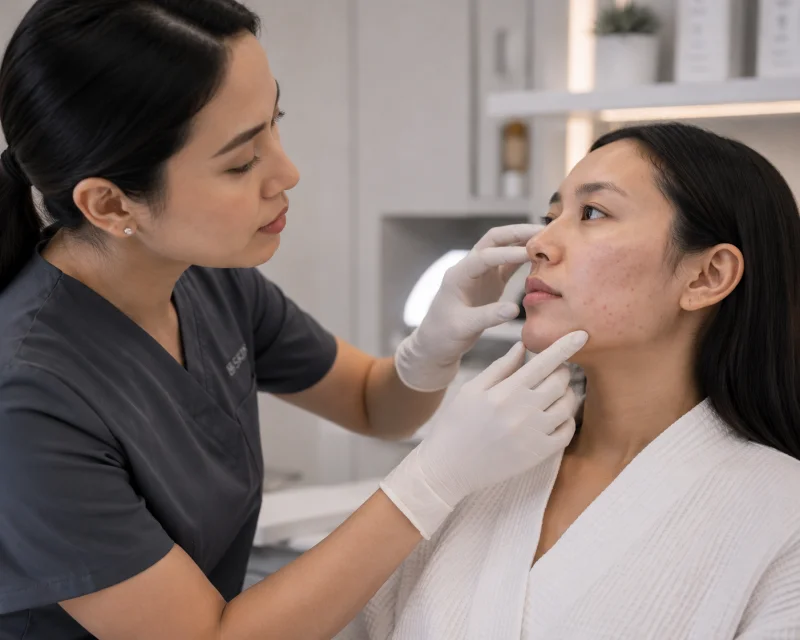
Laser sessions for pigmentation typically last between 30 minutes and an hour, depending on the size of the treated area. A single patch or small cluster of spots will take considerably less time than a full-face session.
During treatment, most people notice a sensation of warmth or a mild snapping feeling as the laser energy contacts the skin. This is generally well-tolerated without anaesthetic, though some clinics offer a topical numbing cream for more sensitive areas. The skin may appear red or feel warm immediately afterwards, similar to mild sunburn, and this usually settles within 24 to 48 hours.
Non-ablative fractional lasers - such as those used in devices like LaserMe - deliver energy in precise columns through the skin without removing the surface layer. This approach tends to involve less visible downtime than ablative alternatives, making it a practical option for people who cannot easily take time away from work or daily routines.
Chemical peels
Peel sessions involve applying a chemical solution to the skin's surface, causing controlled exfoliation of the outer layers. The sensation during application is often described as tingling or mild stinging, which typically subsides as the solution is neutralised or removed. Depending on the peel strength, the skin may look pink and feel tight for a day or two afterwards, and some peeling or flaking may follow over the days after treatment.
Topical prescription treatments
For patients following a home-based prescription protocol, there is no in-clinic session. Instead, treatment involves applying a prescribed cream or formulation to the affected area on a schedule set by your practitioner, typically in the evenings. The experience is straightforward, though some formulations cause mild dryness or sensitivity in the early weeks as the skin adjusts.
In all cases, your practitioner should talk you through what to expect before you begin - both during the session and in the hours immediately after.
Why Pigmentation Can Look Darker Mid-treatment - And Why That Is Usually Normal
Of all the things that can happen during a course of treatment, this is the one most likely to catch people off guard. Pigmentation that appears to darken after you have started treatment is unsettling - but in most cases, it is a recognised part of the process rather than a sign that something has gone wrong.
What is actually happening
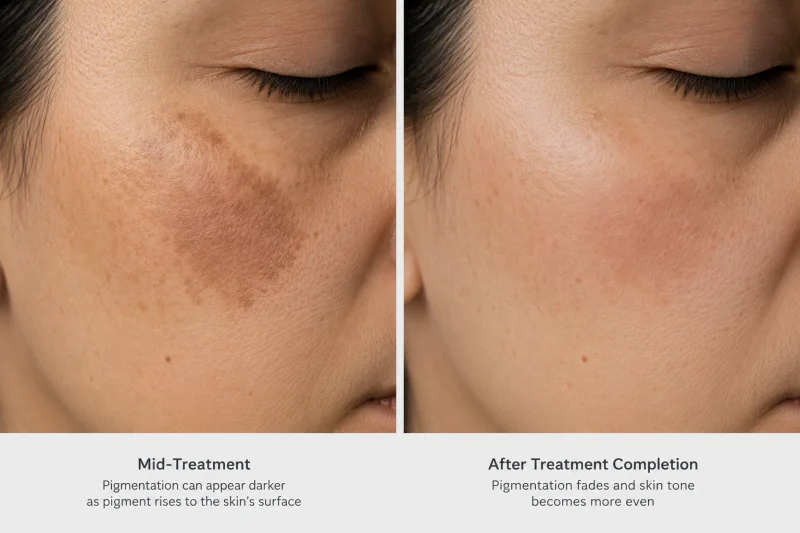
With topical treatments containing retinoids or exfoliating actives, the skin goes through what is sometimes called a surfacing phase. As cell turnover accelerates, older pigmented cells rise to the surface before they shed. This can make existing marks look more defined, darker, or more numerous than they did before treatment started. For most people, this phase begins around two to four weeks in and can last several weeks before visible fading starts.
With laser-based treatments, a different but related pattern is common. Treated spots often appear to darken within five to seven days of a session as the fragmented pigment moves toward the skin's surface. This is the body beginning to clear the broken-down melanin, and the darkening typically precedes flaking or gradual fading over the following days and weeks.
How to tell the difference between normal and not
Temporary darkening that is part of normal treatment progression tends to follow a predictable arc - it appears, holds for a period, and then begins to resolve. What warrants attention is darkening that continues to worsen over several weeks with no sign of improvement, or skin that becomes persistently irritated, raw, or uncomfortable alongside the discolouration.
If the treatment is causing ongoing inflammation rather than controlled cell turnover, that inflammation can itself stimulate melanin production - which is the opposite of the intended effect. In this case, scaling back the frequency or strength of an active, or pausing to allow the skin to recover, is usually the appropriate response. This is worth raising with your practitioner rather than managing alone.
Why this matters
This phase is one of the most common reasons people stop treatment too soon. Without prior warning, a darkening patch looks like failure. With context, it is manageable. A practitioner who explains this upfront - before it happens - is giving you something genuinely useful: the ability to stay the course when it counts.
What To Do Between Hyperpigmentation Sessions
What happens between appointments matters more than most people expect. In-clinic treatment does the targeted work, but the weeks in between are where that work is either reinforced or quietly undermined.
Sun protection is not optional
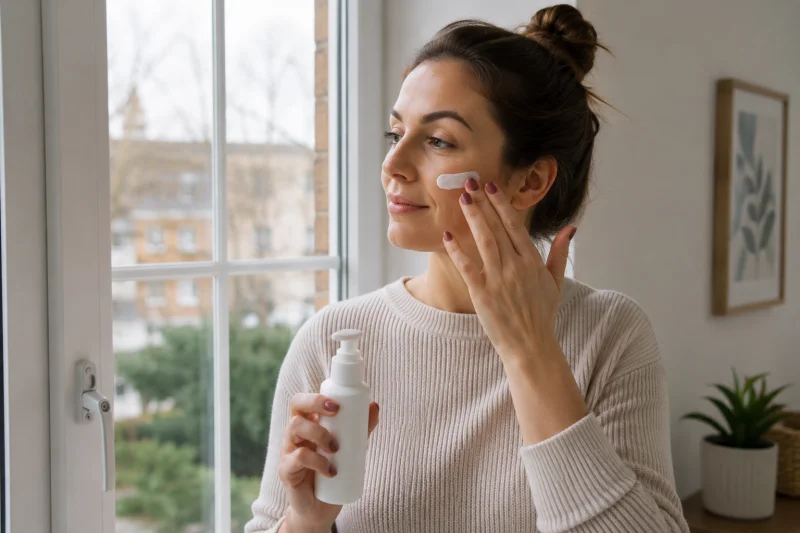
UV exposure is the single most reliable way to slow progress or reverse it. Treated skin is more sensitive to light, and even modest sun exposure during a course of treatment can re-trigger melanin production in the very areas being addressed. In the UK, it is easy to underestimate this - overcast skies do not block UVA rays, and glass does not either, which means driving or sitting near a window counts.
Broad-spectrum SPF 50 applied every morning is the standard recommendation during a treatment course, with reapplication during the day if you are spending time outdoors. This applies year-round, not just in summer.
What to avoid in the days after each session
The skin is in a more reactive state immediately after treatment, and certain things can interfere with recovery or provoke an inflammatory response:
- Hot showers, saunas, and steam rooms - heat can stimulate melanin production and prolong redness
- Makeup and heavy skincare products for at least 24 hours post-session, unless your practitioner specifies otherwise
- Exfoliating acids, retinoids, or other active ingredients until the skin has settled - introducing these too soon can compromise the skin barrier
- Picking, rubbing, or applying friction to treated areas, particularly after laser or peel sessions, where the skin may be flaking
Supporting skin recovery between sessions
Gentle, fragrance-free moisturiser helps maintain the skin barrier during a treatment course. A disrupted barrier is more prone to irritation, and irritation feeds the inflammatory cycle that drives post-inflammatory pigmentation in the first place. Keeping the skin hydrated and calm between sessions creates better conditions for treatment to work.
If your plan includes home topical treatment, follow the prescribed schedule rather than increasing frequency in the hope of faster results. More is rarely better with active ingredients - and overuse is a common cause of the kind of irritation that sets progress back.
That said, if anything feels unexpectedly uncomfortable or your skin is reacting in a way that seems significant, contact your practitioner rather than waiting until your next appointment.
How Many Sessions Will You Need - And How Long Will It Take?
This is usually one of the first questions people ask, and it is also one of the hardest to answer precisely. The honest answer is that it depends on the type of pigmentation, how long it has been there, how deep it sits, your skin tone, and how consistently you maintain aftercare between sessions.
Session numbers by pigmentation type
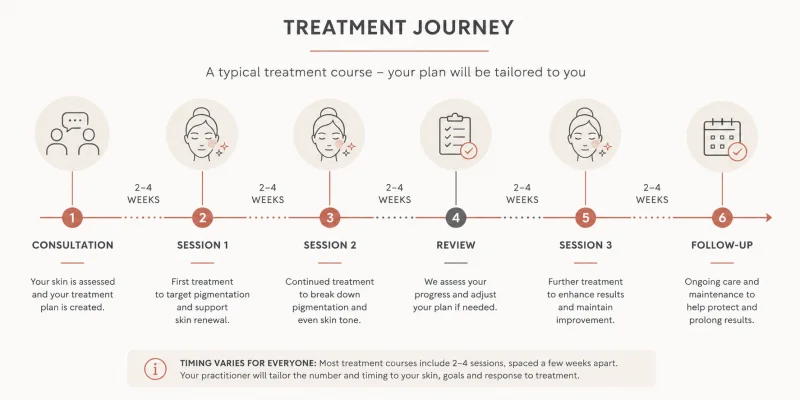
As a general guide for laser-based treatment:
- Mild freckles and recently formed sun spots: typically two to three sessions
- Established age spots and moderate sun damage: usually three to four sessions
- Deeper or older pigmentation, including long-standing solar lentigines: four to six sessions or more
- Melasma: variable, and often requires an ongoing management approach rather than a defined course
These are starting points, not guarantees. A practitioner will assess progress at each session and adjust accordingly. If your skin is responding well, fewer sessions may be needed. If progress is slower than expected, the plan will be extended or modified.
Timelines for topical treatment
Prescription topical protocols work on a different timescale. Some people notice early improvement within eight to twelve weeks, but more meaningful change typically develops over three to six months. Deeper or hormonally driven pigmentation - melasma in particular - often takes longer still, and may require ongoing maintenance rather than a finite course.
What affects the pace of progress
Several factors influence how quickly treatment produces visible results:
- Skin tone: People with lighter skin tones often see faster visible contrast improvement, though excellent results are achievable across all skin types with the right approach
- Pigmentation depth: surface-level pigment responds more quickly than pigment settled into the deeper dermis
- Consistency of SPF use: inadequate sun protection between sessions is one of the most common reasons progress stalls
- Lifestyle factors: heat exposure, hormonal fluctuations, and certain medications can all slow or complicate progress
A note on melasma specifically
Melasma deserves separate mention because it behaves differently from most other forms of hyperpigmentation. It is hormonally influenced, UV-sensitive, and heat-sensitive, which means it can recur or fluctuate even during a treatment course. A flat sunspot may respond in a few sessions and remain stable. Melasma is more likely to require a longer-term management strategy, and a realistic conversation about this at the consultation stage is a mark of a thorough practitioner.
After Your Course - Maintaining Results And Preventing Recurrence
Completing a course of treatment is a significant step, but it is not quite the end of the process. Pigmentation can return - and for some types, particularly melasma, recurrence is a genuine possibility rather than a remote one. What you do after treatment ends has a direct bearing on how long results last.
Why does pigmentation come back
The underlying mechanisms that produce pigmentation do not switch off once treatment is complete. Melanocytes - the cells responsible for producing pigment - remain sensitive to the same triggers that caused the original darkening: UV exposure, heat, hormonal fluctuation, and inflammation. If those triggers remain active and unmanaged, pigmentation can gradually return, sometimes to the same areas, sometimes to new ones.
This is not a failure of treatment. It is simply how the skin works. Understanding it shifts the goal from "getting rid of pigmentation" to "managing the conditions that allow it to develop."
SPF remains the most important single habit
Daily broad-spectrum sun protection is the most evidence-supported measure for maintaining results after a course of treatment. In the UK, this is relevant year-round. UVA rays - the ones most associated with pigmentation and skin ageing - are present at meaningful levels even in winter, and penetrate cloud cover and glass. A high-factor broad-spectrum SPF applied every morning, as a fixed part of a daily routine rather than a seasonal one, is the most practical and effective maintenance step available.
For people who have been treated for melasma, this is particularly important. Melasma is highly UV-sensitive, and even intermittent sun exposure without adequate protection can prompt a recurrence of the treated pigmentation.
Ongoing skincare after treatment
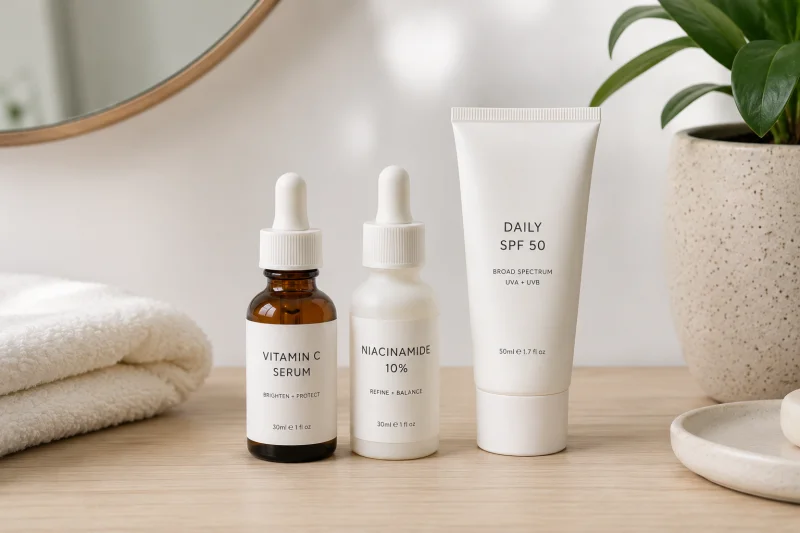
Many practitioners recommend continuing with a maintenance skincare routine after a course ends, even if the prescription-strength elements are stepped down. Ingredients such as vitamin C, niacinamide, and azelaic acid can help regulate melanin production and support an even skin tone over time. These are not treatments in the clinical sense, but they create a more stable baseline, making recurrence less likely.
Knowing when to return
A follow-up appointment - typically a few weeks to a couple of months after the final session - gives your practitioner the opportunity to assess results and recommend next steps. For some people, a maintenance session once or twice a year is sufficient to keep pigmentation at bay. Others may need a more active ongoing plan, particularly if triggers such as hormonal changes or significant UV exposure are difficult to fully control.
If new pigmentation appears or existing marks seem to be returning, it is worth going back sooner rather than later. Early intervention is generally easier to manage than waiting until pigmentation has re-established.
Next Step Guidance: If you are considering treatment for hyperpigmentation, the most useful first step is a thorough consultation with a qualified practitioner who can assess your skin type, identify the likely cause, and outline a realistic plan. ConsultingRoom.com allows you to search for accredited clinics and practitioners across the UK.
Your Hyperpigmentation Questions
Real Questions from Real People — Answered
Straightforward answers to the questions people like you are asking right now about Hyperpigmentation.

Be the first to ask a Hyperpigmentation question.
Click here to ask your own question.
Find A Verified Clinic
Trusted Hyperpigmentation Experts, Local to You
Easily connect with qualified, verified professionals for safe, reliable treatment.


Skin Redefined Ltd
Skin Redefined is a Cheltenham-based aesthetics clinic specialising in regenerative skin treatments, anti-ageing solutions, and natural-looking results led by Nurse Prescriber Kelly Whittaker.
Dr Ed Robinson Clinics
Doctor-led medical aesthetics, skin & laser clinic in Hale, Cheshire
To find a Hyperpigmentation clinic near you, please click here.
Grow Your Practice with Hyperpigmentation
Whether you are already using Hyperpigmentation or considering adding it to your treatment menu, here is how to make the most of it.

Are you a practitioner? If you'd like to link your practice to Hyperpigmentation and become part of ConsultingRoom.com, you can register as a verified specialist using the information on our specialist registration page.
Once verified, your profile can feature Hyperpigmentation alongside the other treatments, conditions and products you support, helping patients searching ConsultingRoom.com find you directly.
Our Preferred Partner:
As more patients research hyperpigmentation online before booking a consultation, having your clinic listed against this condition on ConsultingRoom.com is becoming an increasingly valuable way to reach them. From melasma and post-inflammatory pigmentation to sun damage and age spots, patients turn to pages like this to understand their options before choosing a practitioner.
If your clinic treats hyperpigmentation, our dedicated practitioner resource explains everything you need to know, including how to get listed, showcase your expertise and connect with patients actively searching for treatment.
Find out how being listed here could help grow your clinic and connect you with patients seeking trusted, qualified care.