

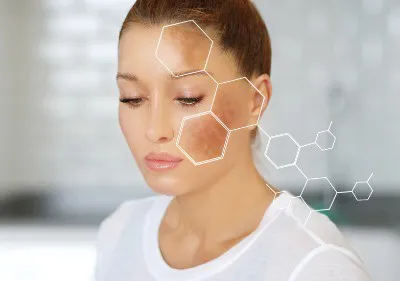
Dark patches on the skin tend to appear without much warning. For some people, the trigger is obvious - a pregnancy, a patch of acne that has cleared but left marks behind, or years of sun exposure that have gradually accumulated. For others, the cause is less clear, and the search for an explanation often leads to conflicting or oversimplified information online.
Understanding what causes hyperpigmentation matters more than it might initially seem. The visible result - darker skin in a localised area - looks broadly similar across different types, but the underlying mechanism varies considerably. Pigmentation driven by hormonal stimulation behaves differently to marks left by inflammation. Sun-induced spots follow different patterns to those caused by medication. And in each case, the trigger plays a meaningful role in determining how persistent the pigmentation is likely to be, and which approaches are most relevant for managing it.
That said, causes rarely operate in isolation. UV exposure amplifies hormonal pigmentation. Genetics influences how strongly the skin responds to any given trigger. Inflammatory conditions like acne or eczema produce marks through a pathway that overlaps with, but is distinct from, the mechanism behind melasma. In practice, most people dealing with hyperpigmentation are looking at a combination of factors rather than a single culpable cause, which is part of why generic advice tends to fall short.
This page clearly and systematically works through the main causes of hyperpigmentation. It covers UV exposure, hormonal changes, post-inflammatory triggers, medications, skin type, and genetics - explaining not just what each cause is, but how it works and what it means for the skin. The goal is to leave you better placed to understand your own situation, and to ask more informed questions if and when you seek professional guidance.
Starting with a clear definition of hyperpigmentation itself - what it is, what it is not, and how it differs between individuals - provides the foundation for understanding everything that follows.
Our Preferred Partner - LaserMe by Neauvia
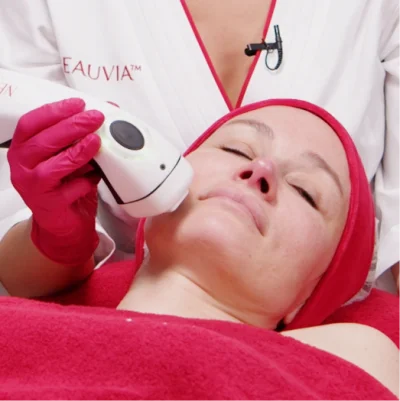
LaserMe is a non-ablative fractional diode laser used in medical aesthetics clinics across the UK to support skin regeneration and pigmentation management. This guide is for anyone trying to understand what it is, how it works, and whether it may be relevant to their hyperpigmentation concern.
- What LaserMe is, and how it differs from ablative laser treatments
- Which pigmentation concerns it is commonly used for, including PIH, melasma, and sun damage
- What to consider around suitability, recovery, costs, and choosing a qualified practitioner
What Is Hyperpigmentation?
Hyperpigmentation is one of the most common skin concerns seen in clinical and aesthetic practice, yet it is frequently misunderstood. It is not a single condition but an umbrella term for several distinct disorders that share one visible outcome: patches or areas of skin that appear darker than the surrounding tissue.
Defining hyperpigmentation
At its most basic, hyperpigmentation occurs when the skin produces or accumulates more melanin than usual in a localised area. Melanin is the pigment responsible for the colour of skin, hair, and eyes. When its production is disrupted or stimulated by certain triggers, the distribution of colour across the skin can become uneven.
The result may appear as flat dark patches, small scattered spots, or broader areas of discolouration. Colour can range from light tan through to deep brown or even grey, depending on the type and the depth of the pigment within the skin layers.
Hyperpigmentation vs scarring
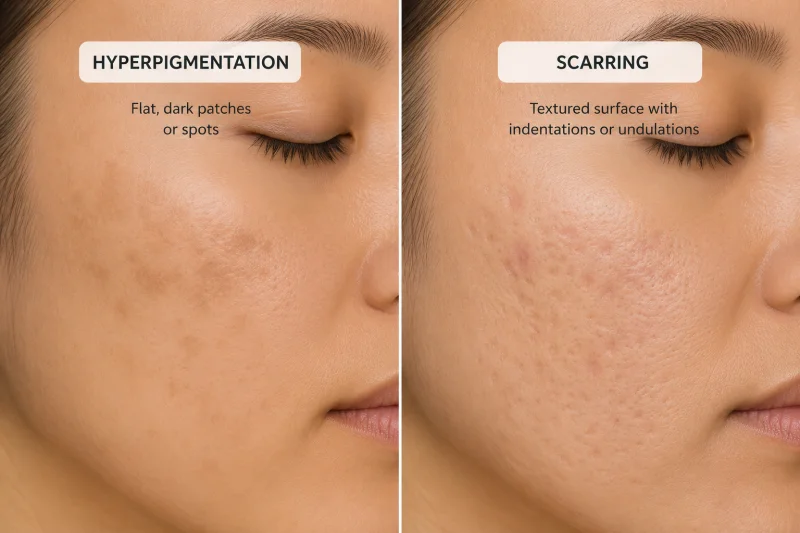
This distinction is often confusing. Hyperpigmentation is a change in skin colour, not in skin texture. The surface of the skin remains smooth. Scarring, by contrast, involves a structural change to the skin tissue itself, which may alter texture, contour, or both.
It is possible to have both at the same time, as with acne. Post-acne marks that appear as flat, dark discolouration are hyperpigmentation. Raised or indented marks that change the skin's surface are scars. The two respond to very different treatment approaches, which is one reason an accurate assessment matters before starting any intervention.
Common forms of hyperpigmentation
Several distinct conditions fall under the umbrella of hyperpigmentation. The most frequently encountered include:
- Melasma -- patches of brown or grey-brown discolouration, most often on the face, commonly linked to hormonal changes or UV exposure.
- Post-inflammatory hyperpigmentation (PIH) -- dark marks left behind after skin inflammation or injury, such as acne, eczema, or a reaction to a cosmetic procedure.
- Solar lentigines -- flat spots associated with cumulative sun exposure, often referred to as sun spots or age spots.
- Ephelides (freckles) -- small, often light brown spots that are more common in fair skin and tend to darken in summer and fade in winter.
Each type has different triggers, a different typical appearance, and a different likelihood of responding to treatment. That distinction matters, and it is worth understanding before exploring options.
How excess melanin develops
Melanin is produced by specialised cells in the skin called melanocytes, which sit at the base of the outer layer of skin (the epidermis). Under normal conditions, melanin production is a carefully regulated process. When the skin is exposed to certain internal or external triggers -- UV radiation, hormonal changes, inflammation, injury -- the melanocytes can become overactive, producing melanin in excess or in an uneven pattern.
That excess melanin is distributed to surrounding skin cells, where it accumulates and becomes visible as a darker area. In some cases, melanin can also migrate deeper into the skin, into the dermis, where it behaves differently and is considerably harder to treat.
Areas commonly affected
Hyperpigmentation most frequently affects areas exposed to sunlight, particularly the face, neck, forearms, and hands. Melasma typically appears across the cheeks, forehead, upper lip, and chin. Post-inflammatory marks tend to appear wherever the original skin inflammation occurred, including the back, chest, legs, and face.
That said, distribution varies between individuals and between conditions. Some people experience widespread or diffuse changes; others have very localised patches.
Why are darker skin tones often more affected?
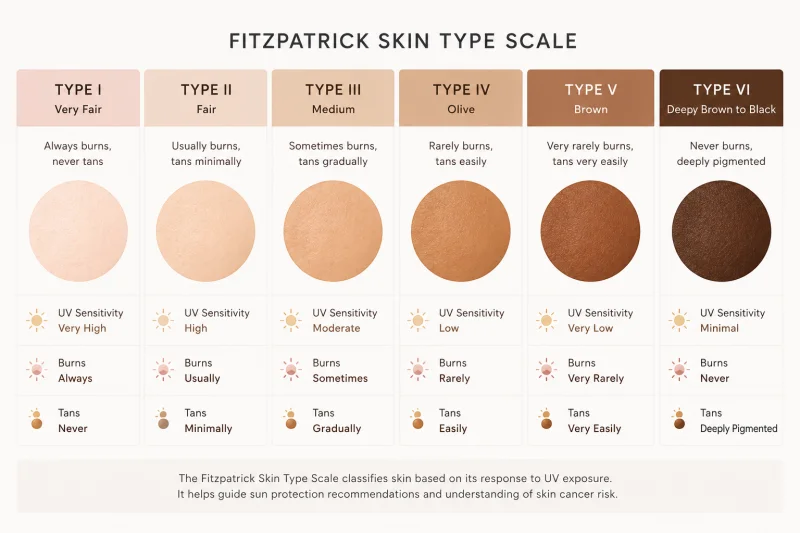
Individuals with deeper skin tones -- broadly corresponding to Fitzpatrick skin types III to VI, which include many South Asian, East Asian, African-Caribbean, and Middle Eastern skin types -- tend to be more susceptible to hyperpigmentation. This is because they have more active melanocytes and a higher baseline level of melanin production. When the skin responds to a trigger, the response is often more pronounced, and the resulting discolouration can be more intense and slower to resolve.
This does not mean hyperpigmentation is exclusively a concern for darker skin. It affects people across all skin types. The experience of it and the appropriate treatment approach can differ significantly depending on skin tone, which is why treatment should always be personalised.
Hyperpigmentation is not medically harmful, but it can have a meaningful impact on how people feel about their appearance. Understanding what it is -- and what it is not -- is the first and most important step toward addressing it effectively.
What Causes Hyperpigmentation?
Hyperpigmentation rarely has a single cause. In most cases, it develops when one or more triggers disrupt the skin's normal melanin production, prompting melanocytes to become overactive or to distribute pigment unevenly. Understanding which trigger is most likely behind a particular concern can make a meaningful difference to how it is assessed and managed.
UV exposure and sun damage
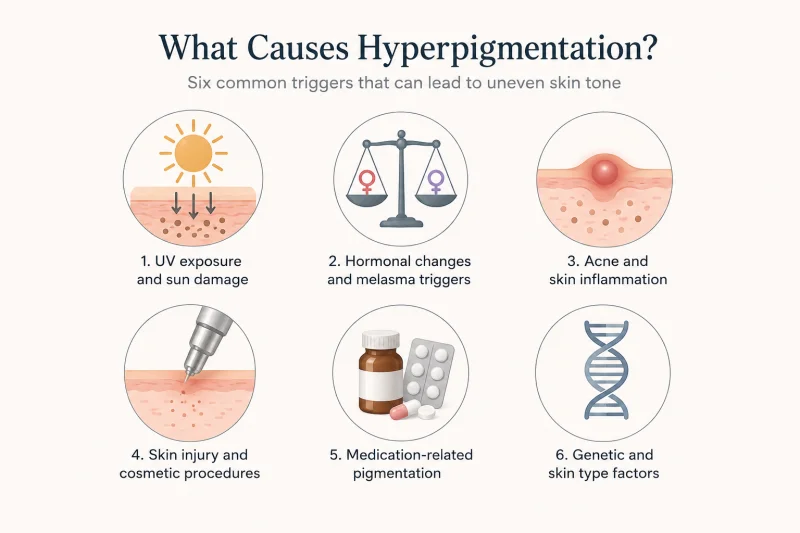
Sun exposure is the most frequently implicated cause of hyperpigmentation across all skin types. When ultraviolet radiation reaches the skin, the body responds by producing more melanin - a protective mechanism that absorbs UV energy and limits damage to DNA in underlying cells.
In the short term, this produces a tan. Over time, and with repeated exposure, it can cause uneven patches, darkening of existing pigmentation, or the gradual appearance of flat brown spots known as solar lentigines. UV exposure also acts as an amplifying factor for many other types of hyperpigmentation: melasma that might otherwise remain mild, for instance, can become significantly more pronounced after sun exposure.
In practice, this means that even incidental daily sun exposure—commuting, sitting near a window, spending time outdoors in autumn or winter—contributes cumulatively. It is not only deliberate sunbathing that drives pigmentation.
Hormonal changes and melasma triggers
Hormonal fluctuations are a well-established trigger, particularly for melasma. Elevated levels of oestrogen and progesterone stimulate melanocyte activity through specific receptor pathways, which is why melasma is strongly associated with pregnancy (sometimes called chloasma or the "pregnancy mask"), the combined oral contraceptive pill, and hormonal replacement therapy.
Melasma most commonly appears on the cheeks, forehead, upper lip, and chin, often symmetrically. It tends to be more pronounced in summer and less visible in winter, which reflects the additional role UV exposure plays alongside the hormonal trigger.
It is worth noting that hormonal pigmentation is not limited to pregnancy. Women using the contraceptive pill, those going through perimenopause or menopause, and people on certain fertility treatments may also notice new or worsening pigmentation. The hormonal connection is often overlooked when the trigger is something other than pregnancy.
Acne and skin inflammation
Post-inflammatory hyperpigmentation (PIH) is the flat, dark discolouration that can remain after the skin has been inflamed or injured. Acne is one of the most common triggers in UK clinical practice. Still, eczema, psoriasis, insect bites, contact dermatitis, and other inflammatory skin conditions can all leave marks behind by the same mechanism.
When the skin becomes inflamed, it releases chemical mediators—including prostaglandins and other signalling molecules—that increase tyrosinase activity and stimulate melanin production. The resulting excess melanin accumulates in the affected area, leaving a visible mark even after the inflammation itself has resolved.
Moderate-to-severe acne is a particularly significant trigger. Lesions that are squeezed or picked tend to produce more pronounced marks, as the additional trauma extends and deepens the inflammatory response. That said, even acne left untreated can result in PIH, particularly in individuals with deeper skin tones.
Skin injury and cosmetic procedures
Physical injury to the skin can trigger the same inflammatory cascade that causes PIH. This includes burns, cuts, abrasions, insect bites, and waxing. It also includes cosmetic and dermatological procedures when these are not appropriately matched to the individual's skin type or are performed by practitioners without the relevant experience.
Chemical peels, laser treatments, microneedling, and cryotherapy all carry a risk of causing or worsening hyperpigmentation if used incorrectly, particularly in individuals with Fitzpatrick skin types III to VI. This is not a reason to avoid these treatments, but it does underline the importance of thorough skin assessment and practitioner competence before any procedure is undertaken.
Medication-related pigmentation
Several commonly prescribed medications can cause hyperpigmentation as a side effect. This is less widely discussed in consumer content but is clinically significant, particularly when pigmentation appears without an obvious external cause.
Medications known to cause or contribute to hyperpigmentation include:
- Phenothiazines (including chlorpromazine, used in psychiatry)
- Minocycline (a long-term antibiotic commonly used for acne)
- Antimalarial drugs such as chloroquine and hydroxychloroquine
- Amiodarone (used in heart rhythm disorders)
- Antiretroviral drugs
- Phenytoin (an anti-epileptic medication)
- Tricyclic antidepressants, particularly imipramine
- Certain cytotoxic drugs are used in cancer treatment
The discolouration associated with medications often has a grey or blue-grey tone rather than the brown typically associated with UV-triggered pigmentation, which can help distinguish it. It can take many months, and sometimes years, for this type of pigmentation to improve after the medication is stopped—and in some cases, the improvement may be incomplete. Anyone who suspects a medication may be responsible should discuss this with their prescribing doctor before making any changes to their treatment.
Genetic and skin type factors
Genetics influence how much melanin the skin naturally produces and how reactive the melanocytes are to various triggers. An individual's skin type - commonly assessed using the Fitzpatrick scale - is to a significant extent genetically determined, as is family history of conditions such as melasma or freckles.
People with a family history of melasma, for example, appear to be at higher risk of developing it themselves, regardless of other risk factors. Similarly, the tendency to develop prominent post-inflammatory marks after acne or eczema often runs in families.
Genetics also intersects with ethnicity in terms of baseline melanin levels and melanocyte reactivity. This does not mean hyperpigmentation is inevitable for any group. Still, it does mean that risk levels, presentation, and treatment response can vary considerably between individuals - which is one reason why a personalised approach to assessment matters.
In most cases, hyperpigmentation results from multiple factors acting together. Sun exposure may amplify a hormonal trigger; genetics may determine how pronounced the inflammatory response is. Identifying the likely contributing causes is the foundation of any effective management approach.
Different Types Of Hyperpigmentation
Not all hyperpigmentation is the same, and identifying which type may be present is an important step toward finding the right approach. Each condition has a distinct pattern, trigger, and typical behaviour over time.
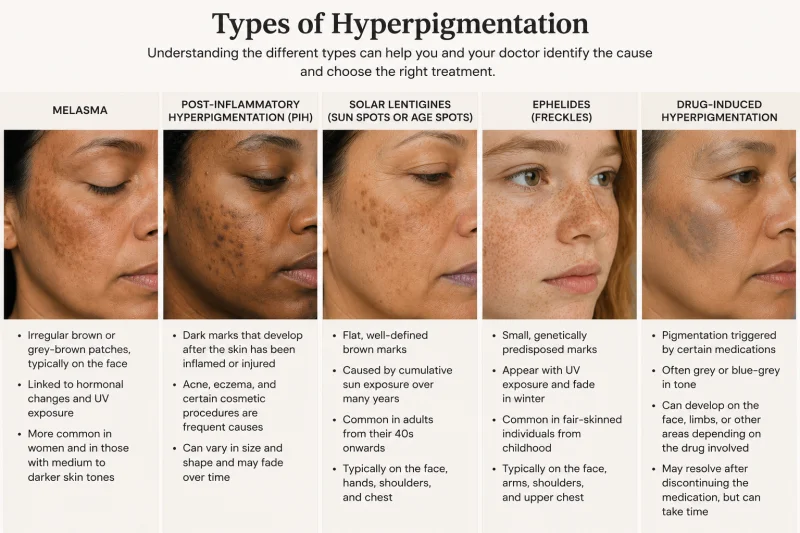
Melasma
Melasma presents as symmetrical, blotchy patches of brown or grey-brown pigmentation, most commonly on the cheeks, forehead, upper lip, and chin. It predominantly affects women, particularly those aged 20 to 40, and is strongly associated with hormonal triggers and UV exposure.
It can involve either epidermal pigmentation (brown, well-defined patches) or dermal pigmentation (grey-brown, less defined), or both. Epidermal melasma tends to respond better to treatment. Melasma is also prone to recurrence, which means long-term management is usually necessary rather than a one-time intervention.
Post-inflammatory hyperpigmentation
Post-inflammatory hyperpigmentation (PIH) describes the flat, dark marks left behind after the skin has been inflamed or injured. Acne, eczema, psoriasis, insect bites, and some cosmetic procedures are among the most common triggers in the UK.
The marks tend to appear where the inflammation occurred. Colour can range from light brown to dark brown, or grey-blue when melanin has migrated into the deeper dermis. Epidermal PIH often improves gradually over months with photoprotection and appropriate skincare, though dermal PIH can be considerably more persistent.
Sun spots and age spots
Solar lentigines are flat, clearly defined patches of darker skin that develop over time on areas frequently exposed to the sun - typically the face, hands, forearms, and shoulders. They are strongly associated with cumulative UV exposure and become more common from middle age onwards.
They are distinct from freckles in that they do not lighten in winter. Most are benign, but any lesion that changes in size, shape, or colour should be assessed by a clinician to rule out other causes.
Freckles and uneven skin tone
Freckles, clinically known as ephelides, are small, flat, reddish-to-light-brown spots that typically develop in childhood and are more common in individuals with fair skin and light hair. Unlike solar lentigines, freckles often fade in winter and darken in summer in response to UV exposure.
They are entirely benign and require no treatment. That said, some people seek to reduce their appearance for cosmetic reasons, which is a personal choice rather than a clinical need.
Drug-induced pigmentation
Certain medications can cause hyperpigmentation as a side effect, sometimes in sun-exposed areas and sometimes more diffusely. The resulting colour change is often grey or blue-grey rather than brown, which can help distinguish it from other types. Commonly implicated drugs include minocycline, amiodarone, antimalarials such as hydroxychloroquine, and certain antidepressants and antiepileptics.
Improvement after stopping the medication can take many months, and in some cases is incomplete. Anyone who notices pigmentation changes after starting a new medication should raise this with their prescribing doctor rather than stopping the drug independently.
When pigmentation may need medical assessment
The vast majority of hyperpigmentation is benign and cosmetic in nature. That said, there are circumstances where new or changing pigmentation warrants prompt medical review.
Pigmentation that develops alongside systemic symptoms - such as unexplained fatigue, weight loss, or significant digestive changes - should be assessed by a GP, as rare conditions including Addison's disease and haemochromatosis can present with skin darkening. Similarly, any pigmented lesion that is changing in size, shape, border, or colour, or that bleeds, should be reviewed to exclude skin cancer.
In practice, most people researching hyperpigmentation will not encounter these presentations. But it is worth being aware of the distinction between the common cosmetic types covered above and the small number of cases in which skin colour change is a sign that requires medical investigation.
Who Is Hyperpigmentation Most Common In?
Hyperpigmentation can affect anyone, but certain groups are considerably more likely to experience it, and more likely to find it persistent when they do. Understanding who is most at risk helps contextualise why individual assessment matters before any treatment is considered.
Fitzpatrick skin types III-VI
Individuals with medium to dark skin tones - broadly Fitzpatrick types III to VI, which includes many South Asian, East Asian, African-Caribbean, and Middle Eastern skin types - are disproportionately affected by hyperpigmentation. They have a higher baseline level of melanin production and more reactive melanocytes, meaning the skin's response to triggers such as inflammation or UV exposure tends to be more pronounced.
The incidence of PIH in individuals with darker skin tones who have acne can be as high as 65%, according to clinical literature. Post-inflammatory marks in these skin types also tend to be more intense and slower to resolve than in fairer skin. This is not a reason to avoid treatment, but it does make practitioner experience with skin of colour a relevant consideration when choosing who to see.
Hormonal pigmentation in women
Melasma is significantly more common in women than in men, and most frequently appears between the ages of 20 and 40. The hormonal fluctuations associated with reproductive life - including the menstrual cycle, the combined oral contraceptive pill, and hormonal replacement therapy - can all activate or worsen pigmentation in susceptible individuals.
Women with a personal or family history of melasma are at higher risk of developing it, and those who have experienced it once are likely to find it recurs with subsequent hormonal changes or sun exposure.
Acne-prone skin
Individuals who experience regular or moderate-to-severe acne have an elevated risk of developing PIH. The inflammatory process itself triggers melanin overproduction, and this is compounded when lesions are picked or manipulated. Treating acne early and effectively - rather than waiting for it to resolve on its own - is one of the most clinically supported ways to reduce the extent of post-acne pigmentation.
Pregnancy-related pigmentation
Pregnancy is one of the most common triggers for melasma, often referred to as chloasma or the pregnancy mask. The hormonal changes of pregnancy - including elevated oestrogen and progesterone - stimulate melanocyte activity, and the effect is amplified by UV exposure. Melasma that develops during pregnancy sometimes fades in the months after delivery as hormone levels normalise, though this is not guaranteed, and in some cases it persists.
Treatment options during pregnancy are limited by safety considerations, making sun protection the primary management strategy at this stage.
Menopause and skin changes
Hormonal changes during perimenopause and menopause can also affect pigmentation, though this is less widely discussed than pregnancy-related melasma. Falling oestrogen levels alter the skin's behaviour in several ways, and some women notice new or changing pigmentation during this period. HRT can, in some cases, trigger or worsen melasma, depending on the formulation and individual susceptibility.
Any new pigmentation that develops at this life stage is worth assessing properly, both to confirm the type and to consider appropriate management options.
Men and pigmentation concerns
Hyperpigmentation is less commonly discussed in men, but it does occur and is more prevalent than many assume. Solar lentigines and PIH from acne affect men as well as women. Melasma, while predominantly a female concern, does affect a minority of men - most commonly those with darker skin types and significant UV exposure.
Men are, on the whole, less likely to seek advice about pigmentation. In practice, this means the concern may be further progressed by the time they do, which can affect the range of suitable options.
Hyperpigmentation does not discriminate by gender, age, or background. That said, understanding which groups face a higher risk and why helps ensure that advice and treatment are delivered in a way that is genuinely relevant to the individual.
Is Hyperpigmentation Permanent?
Whether hyperpigmentation will fade - and how quickly - is one of the most common questions people have, and the honest answer is that it depends on several factors. For some, pigmentation resolves over months with photoprotection alone. For others, particularly where melanin has deposited in the deeper layers of skin, it can persist for years or become effectively permanent without targeted intervention.
Temporary vs long-term pigmentation
Epidermal hyperpigmentation - where melanin sits in the upper layers of skin - often improves on its own as the skin naturally renews. Clinical guidance indicates that epidermal PIH typically resolves or significantly improves within six to twelve months, though this assumes the original trigger has been removed and sun protection is in place.
Dermal hyperpigmentation behaves very differently. When melanin has migrated into the dermis and been taken up by macrophages, it is no longer subject to the skin's renewal process. This type can be slow to respond to treatment and, in some cases, may be permanent. Melasma frequently involves both layers simultaneously, which is part of why it can be particularly difficult to treat consistently.
Factors affecting recovery time
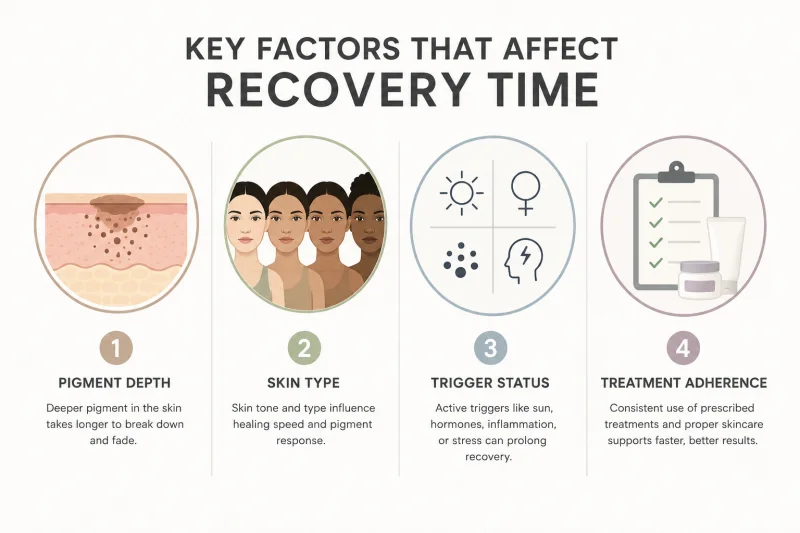
Several variables influence how long pigmentation takes to fade:
- Pigment depth - epidermal marks generally clear faster than dermal ones.
- Skin type: Individuals with Fitzpatrick types IV to VI tend to experience more intense and longer-lasting pigmentation in response to any trigger.
- Whether the trigger is ongoing - pigmentation driven by continued UV exposure, uncontrolled acne, or an active hormonal state will not resolve while that trigger persists.
- Treatment adherence - consistent use of photoprotection and appropriate skincare makes a meaningful difference to recovery timescales.
The role of UV exposure
Sun exposure is a compounding factor for almost every type of hyperpigmentation. Even modest UV exposure - through a window, on a cloudy day, or during a short commute - can darken existing pigmentation and significantly slow recovery. This is why consistent, year-round SPF use is considered a core part of management rather than an optional step.
For melasma specifically, visible light - not only UV - but can also stimulate melanin production. Tinted sunscreens containing iron oxide offer broader protection in this context and are increasingly recommended in clinical guidance for patients with melasma.
Maintenance and recurrence
Even when pigmentation has improved or cleared, recurrence is common - particularly for melasma and hormonally triggered types. This is because the underlying susceptibility remains. The melanocytes in affected areas remain primed to respond to familiar triggers, and renewed exposure can reactivate pigmentation.
This does not mean treatment is not worthwhile. It does mean that managing hyperpigmentation is often an ongoing process rather than a single course of treatment, and that a realistic plan should factor in maintenance from the outset.
It is worth being clear about what most treatments can and cannot do. Topical agents and clinical procedures can meaningfully reduce pigmentation and, in some cases, significantly clear it. But guaranteed results do not exist, and the clinical literature is consistent on this point. As one peer-reviewed review notes, a guaranteed therapy for hyperpigmentation "remains a dream" even for researchers working actively in this area.
That is not a reason for pessimism - many people do achieve substantial and lasting improvement. It is simply a reason to approach treatment with informed expectations, to choose practitioners with relevant experience, and to commit to the maintenance steps that protect results over time.
Hyperpigmentation Treatment Options
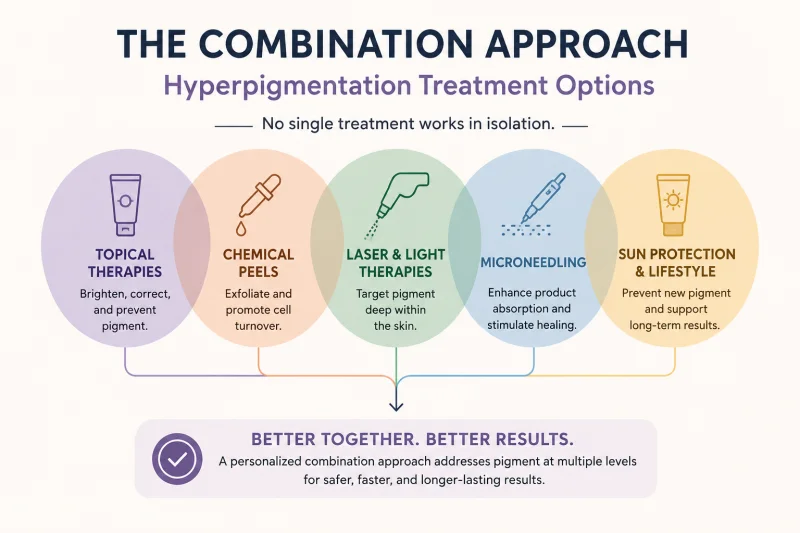
There is no single treatment that works for all types of hyperpigmentation, and for most people, an effective approach involves more than one step. Treatment is generally structured as a hierarchy - starting with photoprotection and topical skincare, progressing to clinical interventions where needed - and the appropriate starting point depends on the type of pigmentation, its likely depth, and the individual's skin type.
Topical skincare ingredients
Topical agents are the first-line treatment for most forms of hyperpigmentation. They work primarily by inhibiting tyrosinase - the enzyme that drives melanin production - or by slowing the transfer of melanin to surrounding skin cells. Commonly used ingredients include vitamin C, niacinamide, azelaic acid, kojic acid, retinoids, and alpha hydroxy acids such as glycolic acid.
Over-the-counter options can produce gradual improvement in mild to moderate epidermal pigmentation, though results vary considerably. Treatment typically needs to be sustained over several months before meaningful change is visible, and should always be combined with daily broad-spectrum SPF. Detailed guidance on specific ingredients is provided in the skincare ingredients section later.
Prescription creams
For more persistent or pronounced pigmentation, topical prescription treatments can offer greater potency. The most commonly prescribed option is hydroquinone, which directly inhibits tyrosinase and has been used in dermatology since the 1960s. In the UK, hydroquinone is classified as a prescription-only medication and is not available over the counter - a regulatory distinction that many consumers are unaware of.
A commonly used prescription combination for PIH and melasma includes hydroquinone, a topical retinoid, and a low-potency corticosteroid. The steroid component helps reduce irritation while enhancing the efficacy of the other agents, though it is typically used for only limited periods.
Prescription tretinoin (a retinoid) is also used independently to accelerate skin cell turnover and reduce epidermal melanin content over time.
Chemical peels
Chemical peels remove the outermost layers of skin, including epidermal cells containing accumulated melanin, and stimulate a degree of skin renewal. They are typically used as a second-line option, following topical treatment.
Peels most commonly used for hyperpigmentation include glycolic acid, lactic acid, salicylic acid, and trichloroacetic acid (TCA). Glycolic and lactic acid peels are generally superficial and carry a lower risk profile. TCA peels penetrate more deeply and require greater clinical expertise to perform safely, particularly in individuals with darker skin tones, where the risk of post-procedure PIH is higher.
Peels should be performed by trained practitioners and should be selected based on a thorough skin assessment. The same chemical, at the same concentration, will not be appropriate for every skin type.
Laser and light-based treatments
Lasers target melanin at specific wavelengths of light, fragmenting pigment deposits so they can be cleared by the body. Several types of lasers are used for pigmentation, including Q-switched Nd:YAG, picosecond lasers, and fractional laser systems. IPL (intense pulsed light) is a broad-spectrum light therapy also used to treat certain types of pigmentation, particularly solar lentigines.
Laser treatments are generally considered a third-line option - most effective when topical and chemical peel approaches have been insufficient, or for pigmentation types that respond poorly to topical agents. Results vary, and the risk of worsening pigmentation due to post-procedure inflammation is a real concern, particularly in darker skin tones. Practitioner experience with the relevant skin type is important.
Microneedling and combination approaches
Microneedling uses fine needles to create controlled micro-injuries in the skin, stimulating collagen production and, when used alongside topical agents, enhancing their penetration. It has shown promising results for PIH and melasma, particularly as part of a combination protocol.
In practice, combination approaches - using two or more modalities together - are consistently shown to outperform any single treatment. A typical combination protocol might include topical treatment, regular SPF use, periodic peels, and laser or microneedling sessions, tailored to the individual's response over time.
Oral treatment options
Oral tranexamic acid has emerged in recent years as a notable option, particularly for melasma. It works by inhibiting the interaction between plasmin and melanocytes, reducing the signals that drive melanin production. Clinical studies have shown meaningful improvement in melasma severity with oral dosing, typically over several months.
That said, oral tranexamic acid is not appropriate for everyone. It carries contraindications and potential side effects, and decisions about its use should be made in consultation with a qualified medical professional rather than through self-directed use.
No treatment approach - topical or otherwise - reliably works in isolation. Photoprotection remains an essential foundation regardless of what else is used, and the most consistently effective outcomes are achieved through personalised, multi-modal plans managed by experienced practitioners.
Your Hyperpigmentation Questions
Real Questions from Real People — Answered
Straightforward answers to the questions people like you are asking right now about Hyperpigmentation.

Be the first to ask a Hyperpigmentation question.
Click here to ask your own question.
Find A Verified Clinic
Trusted Hyperpigmentation Experts, Local to You
Easily connect with qualified, verified professionals for safe, reliable treatment.

Skin Redefined Ltd
Skin Redefined is a Cheltenham-based aesthetics clinic specialising in regenerative skin treatments, anti-ageing solutions, and natural-looking results led by Nurse Prescriber Kelly Whittaker.

Dr Ed Robinson Clinics
Doctor-led medical aesthetics, skin & laser clinic in Hale, Cheshire
To find a Hyperpigmentation clinic near you, please click here.
Grow Your Practice with Hyperpigmentation
Whether you are already using Hyperpigmentation or considering adding it to your treatment menu, here is how to make the most of it.

Are you a practitioner? If you'd like to link your practice to Hyperpigmentation and become part of ConsultingRoom.com, you can register as a verified specialist using the information on our specialist registration page.
Once verified, your profile can feature Hyperpigmentation alongside the other treatments, conditions and products you support, helping patients searching ConsultingRoom.com find you directly.
Our Preferred Partner:
As more patients research hyperpigmentation online before booking a consultation, having your clinic listed against this condition on ConsultingRoom.com is becoming an increasingly valuable way to reach them. From melasma and post-inflammatory pigmentation to sun damage and age spots, patients turn to pages like this to understand their options before choosing a practitioner.
If your clinic treats hyperpigmentation, our dedicated practitioner resource explains everything you need to know, including how to get listed, showcase your expertise and connect with patients actively searching for treatment.
Find out how being listed here could help grow your clinic and connect you with patients seeking trusted, qualified care.