
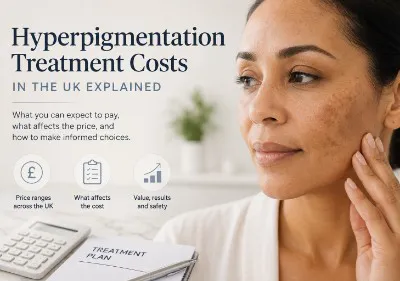
Researching the cost of hyperpigmentation treatment in the UK quickly reveals a problem: the numbers vary so widely that it is difficult to know what is reasonable, what is expensive, and what is too cheap to be reassuring. A search for laser pigmentation removal might return anything from £100 to £600 per session, with no clear explanation of why. Chemical peel prices span a similarly broad range. And most of what you find online quotes a single-session rate, with little indication of how many sessions you are actually likely to need.
Part of the confusion is structural. Hyperpigmentation is not one condition with one treatment - it covers sunspots, melasma, post-inflammatory pigmentation, and several other forms, each of which responds differently to different treatments, at different depths and intensities. A quote that is appropriate for a mild sunspot may be completely unsuitable as a benchmark for melasma. Treatment type, session count, practitioner qualification, clinic location, and the nature of the pigmentation itself all feed into the final cost in ways that a headline price does not capture.
This guide works through each of those variables clearly. It covers what each main treatment type typically costs, how per-session prices compare to full course costs, how much geography affects pricing, and what additional expenses are easy to overlook. It also addresses a question most cost guides sidestep: what a very low price may - and may not - indicate in a sector where formal regulation is still catching up with practice.
To understand why hyperpigmentation treatment costs vary so significantly, it helps to start with the factors that drive the difference.
Our Preferred Partner - LaserMe by Neauvia
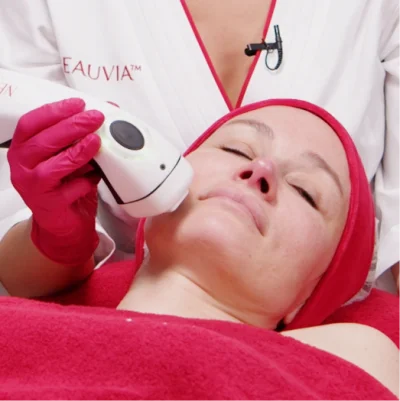
LaserMe is a non-ablative fractional diode laser used in medical aesthetics clinics across the UK to support skin regeneration and pigmentation management. This guide is for anyone trying to understand what it is, how it works, and whether it may be relevant to their hyperpigmentation concern.
- What LaserMe is, and how it differs from ablative laser treatments
- Which pigmentation concerns it is commonly used for, including PIH, melasma, and sun damage
- What to consider around suitability, recovery, costs, and choosing a qualified practitioner
Why The Hyperpigmentation Price Range Is So Wide
Hyperpigmentation treatment costs in the UK can run anywhere from under £100 to well over £3,000 - and that range is not arbitrary. Three things, more than anything else, drive the difference: what type of treatment you're having, who is doing it, and whether you're paying for one session or a full course.
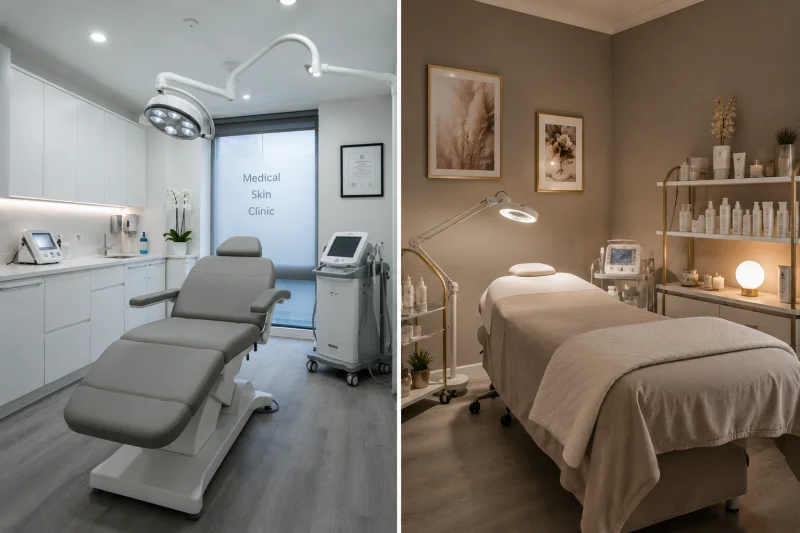
Treatment type is the most obvious variable. A basic glycolic acid peel and a picosecond laser session are both used to treat pigmentation, but they sit at very different points on the price scale. The technology, the time involved, and the level of training required all feed into the cost.
Practitioner qualification is the factor that surprises many people. In much of the UK aesthetics sector, the same treatment can be offered by practitioners with very different levels of training - and that difference is often reflected in the price. A doctor-led clinic and a salon-based therapist may offer what appears to be the same treatment on paper. The expertise behind it is not the same.
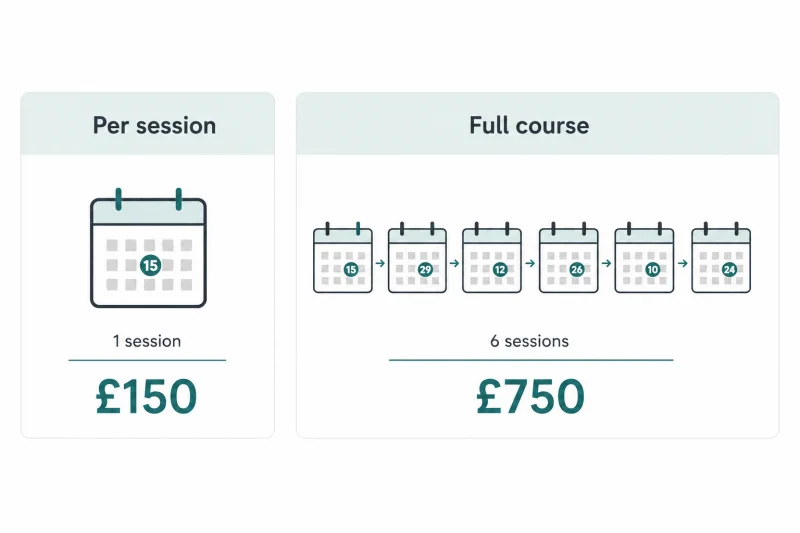
Single session versus a course is where headline prices can mislead. Most pigmentation treatments need more than one session to produce meaningful results. A quoted price of £150 per session looks very different once you know you'll need six of them.
Understanding these three variables doesn't just help you budget - it helps you compare quotes more accurately.
What Each Treatment Typically Costs
Knowing the general price range for each treatment type gives you a realistic starting point before you book a consultation. The figures below reflect typical UK market rates - they are not quotes, and your actual cost will depend on your skin, your clinic, and the treatment plan recommended for you.
Topical skincare and medical-grade products
For mild or early-stage pigmentation, a topical routine with medical-grade ingredients can be an effective, lower-cost starting point. Products containing vitamin C, azelaic acid, retinoids, or niacinamide are widely available from aesthetic clinics and online. Expect to spend anywhere from £40 to £200 on a targeted product or small routine, with ongoing monthly costs depending on what you use.
Prescription-strength topicals - such as tretinoin or combination formulas - require a consultation and are only available through a prescribing clinician in the UK.
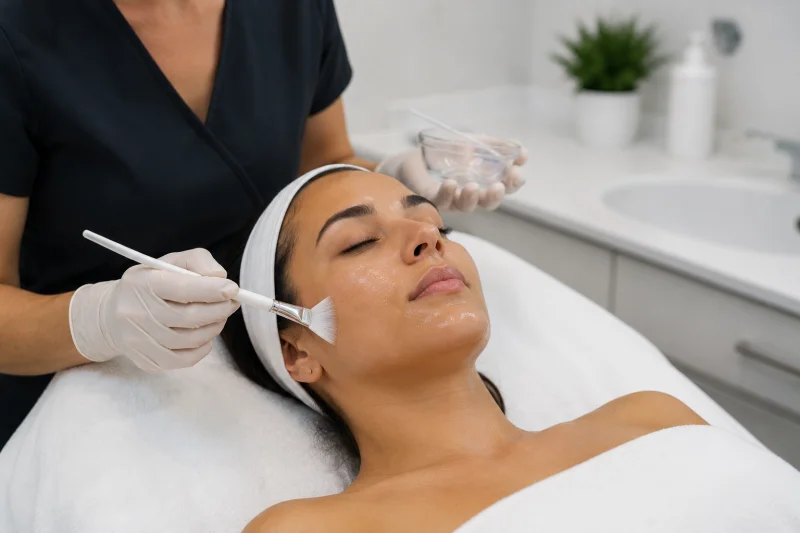
Chemical peels
Chemical peels are categorised by depth, the main factor determining price.
- Superficial peels (glycolic, lactic, mandelic, salicylic acid): typically £60-£150 per session. A standard course of three to six sessions usually costs £150-£700 in total.
- Medium-depth peels (TCA and similar): typically £100-£300 per session, with most plans involving one to three sessions.
- Deep peels (high-concentration TCA or phenol): from around £250-£600 per treatment. These require medical supervision and are far less commonly offered.
London and the South East tend to sit at the upper end of these ranges.
Laser and energy-based treatments
Laser and light-based treatments span a broad range of technologies, and prices reflect that variation.
- IPL (intense pulsed light): commonly £100-£300 per session for a facial area.
- Nd:YAG and standard pigmentation lasers: typically £150-£300 per session.
- Advanced picosecond devices (such as PicoSure Pro): £150-£400 per session for smaller areas, rising significantly for larger treatment zones or extended courses.
- Non-ablative fractional lasers (such as LaserMe): typically sit within the £150-£300 per session range, with course pricing varying by clinic.
Most laser pigmentation treatments are recommended as a course of three to six sessions.
Combination approaches
Some pigmentation - melasma in particular - responds better to a combined plan: a topical preparation phase, a course of in-clinic treatment, and an ongoing maintenance routine. Combination plans tend to cost more overall but may be more appropriate than a single treatment type. A practitioner should explain the rationale clearly before committing.
Total costs for a combination approach can range from a few hundred pounds to over £2,000, depending on the treatments involved and the number of sessions required.
Per-session Prices Vs. Total Course Costs - What You Actually Need To Compare
When researching hyperpigmentation treatment costs in the UK, most of what you'll find online is a per-session price. That figure is a starting point, not a budget. For the majority of pigmentation treatments, a single session is unlikely to produce a lasting result - and the total cost of a recommended course can look very different from the headline number.
Why single-session prices can mislead
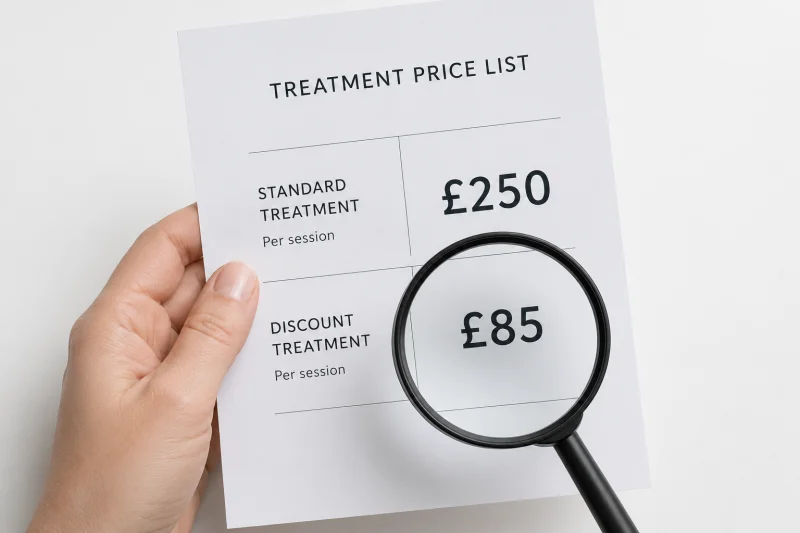
A clinic advertising laser pigmentation treatment from £150 per session is not necessarily misrepresenting the cost. But if a standard course for your pigmentation type runs to five or six sessions, the realistic outlay is £750 to £900 - before factoring in consultation, patch testing, or post-treatment products. That is a meaningful difference from the figure you might have seen in a search result or on a price list.
The same logic applies to chemical peels. A superficial peel at £80 per session sounds accessible. A recommended course of six sessions brings that to £480, which changes the comparison considerably if you were also weighing up a three-session medium peel at £250 per session (£750 total).
What to ask before you commit
Before any treatment is booked, a reputable clinic should be able to give you:
- The recommended number of sessions for your specific pigmentation type
- The total estimated cost for the full course, not just the per-session rate
- How sessions are spaced, and what happens between them
- Whether the per-session price changes within a course package
- The full plan in writing before you pay anything
Some clinics offer a reduced per-session rate when a course is booked upfront. Others price each session individually. Neither approach is inherently better, but understanding which model a clinic uses helps you make a fair comparison.
Thinking about maintenance
For certain pigmentation types - melasma in particular - in-clinic treatment is rarely a permanent fix. Sun exposure, hormonal changes, and other triggers can cause pigmentation to return, which means some people factor in the cost of periodic maintenance sessions beyond the initial course. It is worth asking about this at the consultation stage, rather than treating it as an afterthought.
In practice, the most useful question to ask any clinic is not "how much per session?" but "what is the total cost of the plan you're recommending for me?"
Does It Cost More Depending On Where In The UK I Go?
Geography is one of the more straightforward cost variables in UK aesthetics - though it is not the only thing at play. The same treatment can cost significantly more in central London than in a regional city, and that gap is wide enough to factor into your planning.
The London premium
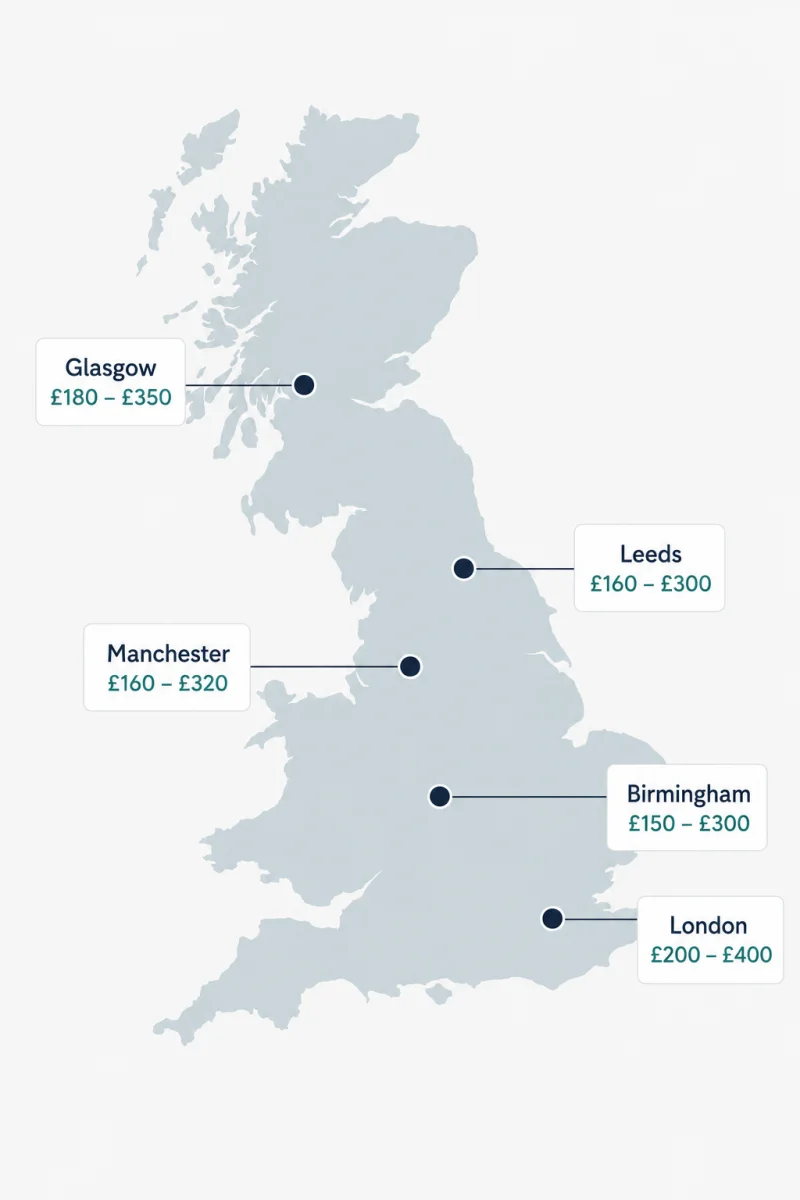
Published pricing data consistently shows a meaningful difference between London and the rest of the UK. One 2026 analysis of UK clinic pricing found that the same injectable treatment cost a median of £310 in London against roughly £230 in the North of England - a 35% difference for an equivalent procedure. Energy-based skin treatments follow a similar pattern.
For pigmentation treatments specifically, London clinics tend to be at the upper end of published price ranges across all treatment categories. A laser session priced at £150-£200 in Manchester or Leeds may cost £250-£400 for a comparable treatment in central London.
What geography actually reflects
It would be an oversimplification to put the entire gap down to postcodes. London pricing also reflects higher clinic overheads, greater concentrations of highly qualified practitioners, and access to more advanced or recently launched technology. In some cases, a higher London price genuinely represents a different standard of care or equipment - not just a location premium.
That said, well-qualified, well-equipped clinics exist across the UK. Practitioner tier matters as much as geography, and a doctor-led clinic in Leeds or Glasgow can offer a comparable standard of treatment to many London equivalents, often at a lower price point.
Is it worth travelling for treatment?
For a single session, travelling to a cheaper clinic outside your area rarely makes financial sense once you factor in travel costs and time. For a course of six sessions, the calculation changes. A £100 difference per session adds up to £600 over a full course - enough to make the comparison worth considering, particularly if you have flexibility.
In practice, the most important thing is not where the clinic is, but whether the practitioner is appropriately qualified for the treatment they are offering.
What Extra Costs Are Easy To Miss?
The price advertised on a clinic's website - or quoted over the phone - rarely reflects the full cost of a hyperpigmentation treatment course. Several additional expenses are common enough to plan for, even if they are not always mentioned upfront.
Consultation fees
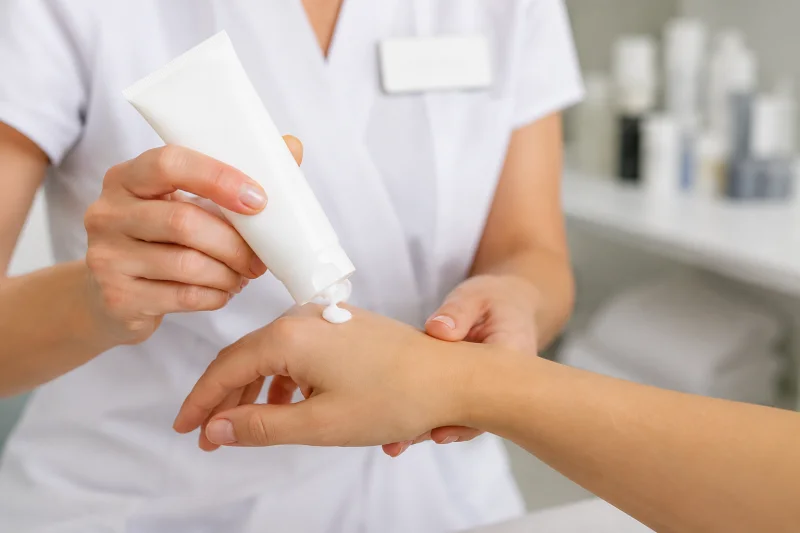
Most reputable clinics require a consultation before any treatment begins. This is not a formality - a proper consultation should include a skin assessment, a review of your medical history, and a discussion of which treatment is appropriate for your pigmentation type and skin tone. Consultation fees in the UK typically range from £50 to £150. Some clinics offer free consultations; others charge a fee that is fully redeemable against treatment if you proceed.
It is worth asking about this before you book. A clinic that does not offer any form of pre-treatment assessment is worth approaching with caution.
Patch testing
For laser and energy-based treatments, a patch test is standard practice before the first session. This involves treating a small area of skin to check for adverse reactions and confirm that the device settings are appropriate for your skin. Some clinics include this in the treatment price; others charge separately, typically £30-£75. Either way, it is a necessary step - not an optional add-on.
Post-treatment skincare
After most in-clinic pigmentation treatments, you will need specific skincare products to support recovery and protect results. At a minimum, this means a high-SPF sunscreen used consistently throughout the treatment course and beyond. Depending on the treatment, your practitioner may also recommend a specialist serum, a soothing moisturiser, or a prescription-strength topical.
Budgeting £50- £200 for post-treatment products over the course of treatment is a reasonable estimate, though costs may vary depending on the recommended products.
Maintenance sessions
For some pigmentation types, particularly melasma, results from an initial course may need to be maintained with occasional top-up sessions. These are typically less frequent than the original course - perhaps once or twice a year - but represent an ongoing cost that is easy to overlook when budgeting for the initial treatment.
Asking your practitioner about long-term maintenance expectations at the consultation stage gives you a clearer picture of the true ongoing cost.
Why A Very Low Price Can Be A Reason For Caution
In most consumer markets, a low price is straightforwardly good news. In UK aesthetics, it is worth pausing before drawing that conclusion. The sector has a well-documented regulatory gap, and understanding it is relevant to anyone researching hyperpigmentation treatment costs.
The current state of regulation
Unlike healthcare settings, much of the UK aesthetics industry is not currently subject to mandatory licensing. That means treatments including chemical peels and certain laser procedures can, in many cases, be legally performed by practitioners with minimal formal training. This is not a fringe issue. In 2023, the Government-approved register Save Face received more than 3,000 reports of complications and adverse outcomes from aesthetic procedures. A subsequent ITV investigation found that more than half of women who had undergone non-surgical cosmetic procedures had required medical assistance afterwards.
The UK Government published proposals in August 2025 for a tiered licensing scheme that would introduce enforceable standards across the sector. Those regulations are not yet in force.
What this means for pricing
Practitioners with higher qualifications, appropriate insurance, and properly maintained equipment carry higher overheads - and those costs are reflected in their prices. A clinic charging significantly below the market rate may be doing so for entirely legitimate reasons: lower regional overheads, introductory offers, or a volume-based model. But an unusually low price can equally reflect a practitioner operating with limited training or inadequate equipment.
For pigmentation treatments specifically, the stakes are higher than they might appear. Incorrect laser settings or an inappropriate peel depth can worsen pigmentation - particularly in medium to darker skin tones where the risk of post-inflammatory hyperpigmentation is already elevated. Getting the treatment wrong is not simply a cosmetic disappointment. In some cases, it causes lasting damage that is difficult or expensive to correct.
How to protect yourself
Price alone is not a reliable indicator of quality. More useful signals include:
- Whether the practitioner is listed on Save Face or the Joint Council for Cosmetic Practitioners (JCCP) register
- Whether the clinic is CQC-registered (required for some higher-risk procedures)
- Whether a proper consultation and patch test are offered before treatment begins
- Whether the practitioner can clearly explain which device or peel they are using, and why it is appropriate for your skin type
A practitioner who welcomes these questions is generally a more reassuring sign than one who does not.
Your Hyperpigmentation Questions
Real Questions from Real People — Answered
Straightforward answers to the questions people like you are asking right now about Hyperpigmentation.

Be the first to ask a Hyperpigmentation question.
Click here to ask your own question.
Find A Verified Clinic
Trusted Hyperpigmentation Experts, Local to You
Easily connect with qualified, verified professionals for safe, reliable treatment.

Skin Redefined Ltd
Skin Redefined is a Cheltenham-based aesthetics clinic specialising in regenerative skin treatments, anti-ageing solutions, and natural-looking results led by Nurse Prescriber Kelly Whittaker.
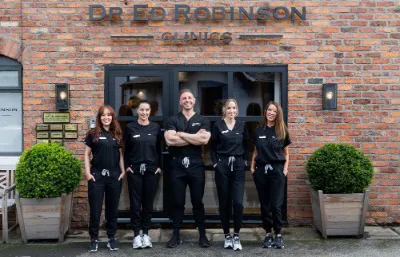
Dr Ed Robinson Clinics
Doctor-led medical aesthetics, skin & laser clinic in Hale, Cheshire
To find a Hyperpigmentation clinic near you, please click here.
Grow Your Practice with Hyperpigmentation
Whether you are already using Hyperpigmentation or considering adding it to your treatment menu, here is how to make the most of it.

Are you a practitioner? If you'd like to link your practice to Hyperpigmentation and become part of ConsultingRoom.com, you can register as a verified specialist using the information on our specialist registration page.
Once verified, your profile can feature Hyperpigmentation alongside the other treatments, conditions and products you support, helping patients searching ConsultingRoom.com find you directly.
Our Preferred Partner:
As more patients research hyperpigmentation online before booking a consultation, having your clinic listed against this condition on ConsultingRoom.com is becoming an increasingly valuable way to reach them. From melasma and post-inflammatory pigmentation to sun damage and age spots, patients turn to pages like this to understand their options before choosing a practitioner.
If your clinic treats hyperpigmentation, our dedicated practitioner resource explains everything you need to know, including how to get listed, showcase your expertise and connect with patients actively searching for treatment.
Find out how being listed here could help grow your clinic and connect you with patients seeking trusted, qualified care.