

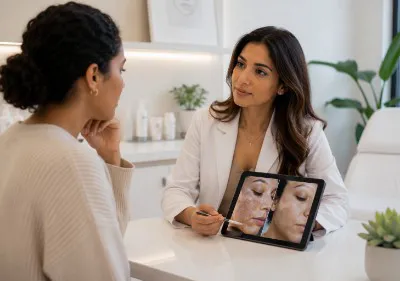
Hyperpigmentation is one of the most common reasons people seek professional skin treatment in the UK, yet choosing who provides that treatment is rarely given the same attention as choosing the treatment itself. Clinic websites tend to focus on the technology, the brand of laser, the type of peel, while saying very little about the practitioner behind it. This is a gap worth closing, because the practitioner's training, judgement, and approach to assessment often influence the outcome more than the device used.
This matters particularly for hyperpigmentation because it is not one condition but several, each with different causes and different responses to treatment. A practitioner who properly identifies what is driving your pigmentation, whether that is sun exposure, hormonal change, inflammation, or something else, is far more likely to recommend an approach suited to your skin. This is especially relevant for darker skin tones, where the wrong treatment or technique can occasionally make pigmentation worse rather than better.
This guide looks at the practical side of choosing a hyperpigmentation clinic or practitioner in the UK: the differences between practitioner types, the current state of regulation, why asking about experience with skin of colour is a reasonable question, what a proper consultation should involve, and which questions and red flags are worth keeping in mind before you book.
Understanding why the practitioner matters as much as the treatment is a useful place to start.
Our Preferred Partner - LaserMe by Neauvia
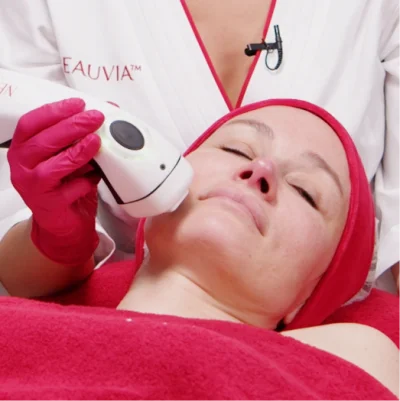
LaserMe is a non-ablative fractional diode laser used in medical aesthetics clinics across the UK to support skin regeneration and pigmentation management. This guide is for anyone trying to understand what it is, how it works, and whether it may be relevant to their hyperpigmentation concern.
- What LaserMe is, and how it differs from ablative laser treatments
- Which pigmentation concerns it is commonly used for, including PIH, melasma, and sun damage
- What to consider around suitability, recovery, costs, and choosing a qualified practitioner
Why The Practitioner Matters As Much As The Treatment
When researching how to choose a hyperpigmentation clinic, it is easy to focus entirely on the treatment itself: which laser, which peel, which cream. In reality, the practitioner's skill and judgement often matter more than the technology they use.

The Treatment Is Only as Good as the Assessment Behind It
- Hyperpigmentation has several underlying causes (hormonal, inflammatory, sun-related, or a combination), and the right treatment depends on identifying which one applies.
- The same laser or peel can produce very different results depending on how it is used, on whom, and at what setting.
- A practitioner who skips proper assessment is more likely to choose a treatment that does not suit your skin, regardless of how advanced the equipment is.
Why "The Wrong Approach Can Make Pigmentation Worse" Is Sometimes True
There is a persistent idea online that lasers make pigmentation worse rather than better. This is not an accurate blanket statement, but it has a kernel of truth worth understanding.
- Heat-based treatments, including some lasers, can trigger melanin production as part of the skin's healing response.
- In darker skin tones in particular, this can lead to post-inflammatory hyperpigmentation (PIH) if the device, settings, or aftercare are not matched correctly to the skin type.
- This is a question of practitioner judgement and device suitability, not a reason to dismiss laser treatment as a category.
In short, the technology is rarely the deciding factor in whether hyperpigmentation treatment works well. The person operating it, and how carefully they assess your skin first, usually is.
Dermatologist, Doctor, Nurse Or Therapist: What's The Difference?
One of the most confusing parts of choosing a hyperpigmentation clinic is working out who is actually qualified to treat you. Titles like "skin specialist" or "aesthetic practitioner" are used loosely, so it helps to understand what sits behind them.
Medical Professionals With Statutory Regulation
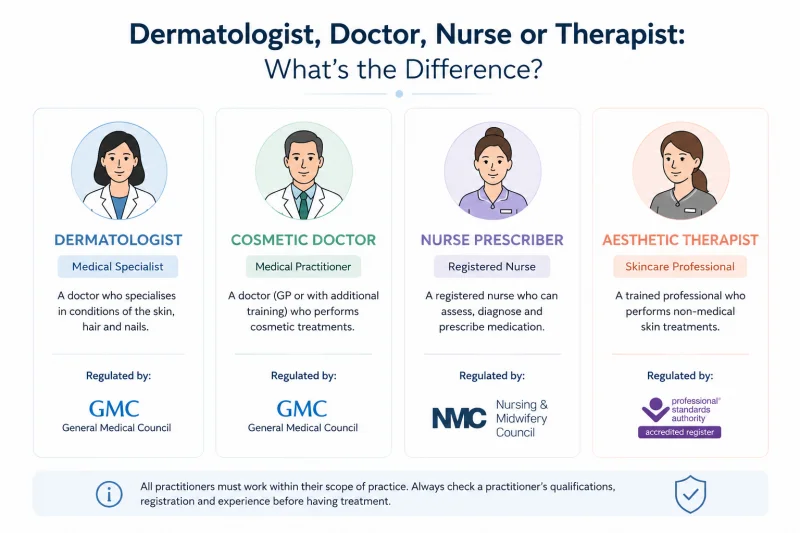
- Dermatologists are doctors who have completed specialist training in skin conditions and are registered with the General Medical Council (GMC).
- Cosmetic doctors and GPs offering aesthetic treatments are also GMC-registered, though their level of aesthetic-specific training can vary.
- Nurse prescribers fall under the Nursing and Midwifery Council (NMC), and pharmacists under the General Pharmaceutical Council (GPhC).
- These bodies set professional standards and can investigate complaints, which gives you a route for recourse if something goes wrong.
Non-Medical Aesthetic Practitioners
- Many clinics employ aesthetic therapists or beauty therapists who are not doctors, nurses, or pharmacists.
- These practitioners can be highly experienced and well-trained, but they are not bound by the same statutory regulators as medical professionals.
- Instead, some choose to join voluntary registers, which is worth checking for.
Why This Distinction Matters for Hyperpigmentation Specifically
Hyperpigmentation can sometimes have an underlying medical cause (hormonal conditions, certain medications, or skin disease), so a practitioner who can recognise when something needs medical investigation, rather than just cosmetic treatment, adds a layer of safety.
Understanding these distinctions does not mean one type of practitioner is automatically better than another. It means knowing what questions to ask so you can judge their suitability for your specific concern.
The UK Regulation Gap Worth Knowing About
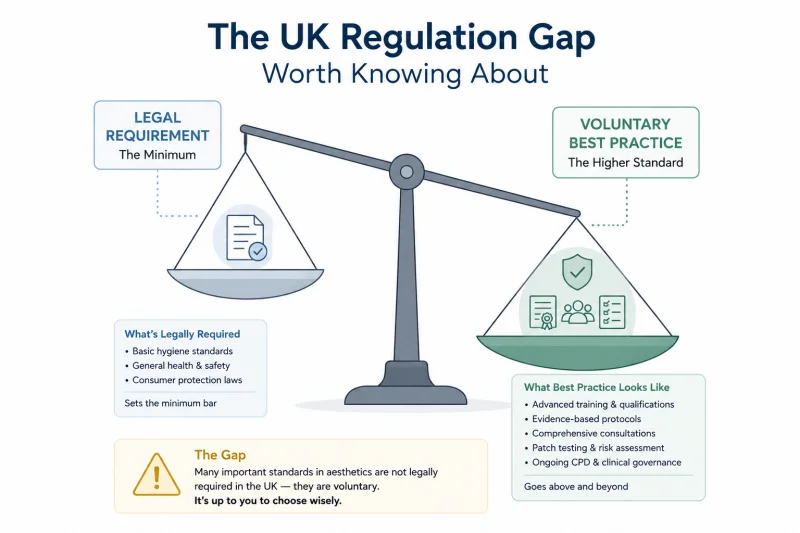
Many people assume that because a clinic looks professional and offers laser or peel treatments, it must be operating under strict rules. In the UK, that is not yet guaranteed, and it is one of the more important things to understand before choosing a hyperpigmentation clinic.
There Is Currently No Legal Requirement for Most Practitioners to Hold a Qualification
- As things stand, no specific legal qualification is required to perform many non-surgical cosmetic treatments in the UK, including some laser and peel procedures.
- This means a clinic can legally offer these treatments even if the person performing them has limited formal training.
- This is not the same as saying such clinics are unsafe. Many practitioners pursue rigorous training voluntarily. It simply means the legal floor is lower than most people expect.
Voluntary Registers Exist, but Joining Them Is Optional
- Several bodies maintain registers of practitioners who meet agreed training and safety standards, including the Joint Council for Cosmetic Practitioners (JCCP) and Save Face.
- These registers are useful because they vet qualifications and allow members of the public to raise concerns, but registration is not currently mandatory.
- Checking whether a practitioner appears on one of these registers is a quick, practical way to add a layer of reassurance.
Change Is Coming, but Slowly
Government-backed proposals for a national licensing scheme covering higher-risk treatments have progressed in recent years, with input from bodies such as Health Education England and the JCCP. Until this is fully in place, the responsibility for checking credentials largely sits with the consumer.
This gap does not mean you should avoid treatment. It means a few minutes of checking before you book is genuinely worthwhile.
Why Experience With Skin Of Colour Is A Fair Question To Ask
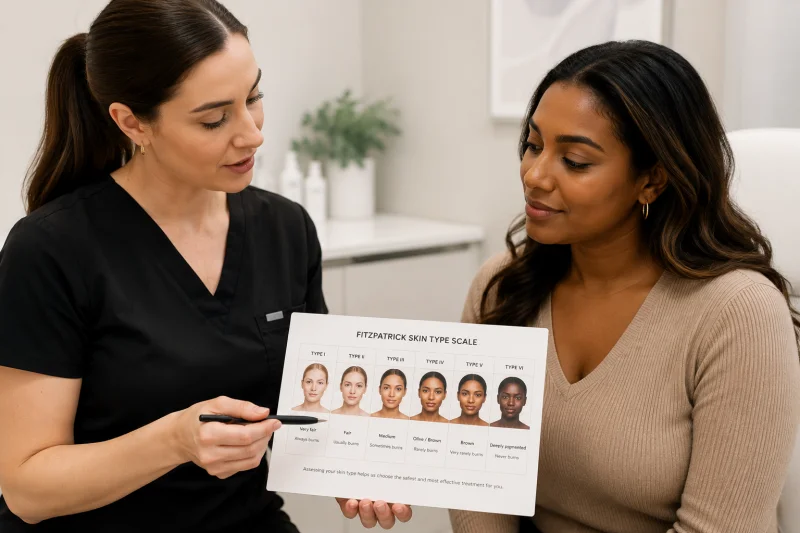
Hyperpigmentation, particularly post-inflammatory hyperpigmentation, affects darker skin tones more often and more persistently. Asking a practitioner about their experience treating skin of colour is not an awkward question. It is a reasonable, practical one.
Training in This Area Has Historically Been Limited
- Medical and aesthetic training has, for many years, centred on lighter skin tones, with darker skin underrepresented in textbooks and clinical images.
- This has left some practitioners less confident in recognising how conditions present and how skin of colour responds to treatment, compared with lighter skin.
- This is a training gap rather than a reflection of any individual practitioner's competence, but it is worth establishing before you book.
Why It Matters Specifically for Hyperpigmentation
- Skin of colour is more prone to developing new pigmentation in response to treatment, including peels and certain lasers.
- A practitioner experienced in this area will usually adjust their approach (gentler settings, different acids, longer intervals between sessions) rather than applying a one-size-fits-all protocol.
- Specialist resources, such as Skin of Colour Training UK and the Black Skin Directory, exist to help close this gap and can serve as useful reference points.
A Simple Way to Ask
You do not need to interrogate a practitioner. A straightforward question, such as asking how they typically adjust treatment for darker skin tones, usually reveals whether they have given this proper thought.
Asking this question is not about distrust. It is about making sure the person treating you understands how your specific skin is likely to respond.
What A Proper Consultation Should Include
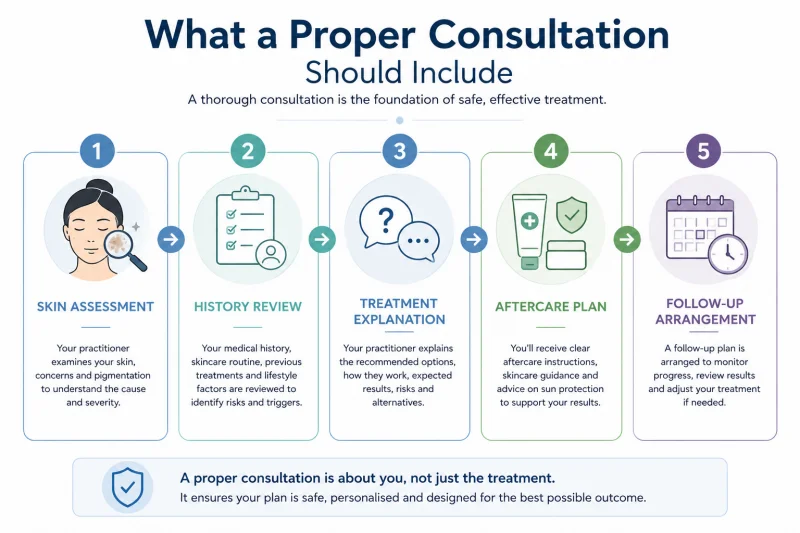
A consultation is where you find out whether a practitioner is right for you, not just whether the clinic offers the treatment you are interested in. Knowing what a thorough consultation looks like makes it much easier to spot a rushed one.
A Proper Skin Assessment Comes First
- The practitioner should examine your skin directly, ideally in good lighting, rather than relying solely on photographs or a brief glance.
- They should ask about the likely cause of your pigmentation (sun exposure, hormonal changes, acne, or another trigger), since this affects which treatment is appropriate.
- Your medical history, current medications, and any history of pigmentation problems after previous treatments should also be discussed.
Treatment Planning Should Be Explained, Not Just Recommended
- A good consultation explains why a particular treatment is being suggested, including how it works and why it suits your skin type.
- Realistic expectations should be set early, including how many sessions are likely to be needed and how gradual the results may be.
- Comparison Table Opportunity: a simple table outlining typical consultation steps (skin assessment, history review, treatment explanation, aftercare plan, follow-up arrangement) alongside what each step should cover would help readers check this off in practice.
Aftercare and Follow-Up Should Be Part of the Conversation
- You should leave the consultation knowing what aftercare is expected of you, particularly around sun protection.
- A clear plan for follow-up, including what to do if you notice an unexpected reaction, should be offered without you needing to ask.
A consultation that covers these points, calmly and without pressure to book immediately, is a reasonable sign that a practitioner is taking your skin seriously.
Questions Worth Asking Before You Book
Knowing what to ask before committing to treatment can save you time, money, and a poor outcome. These questions are not confrontational. A confident, well-prepared practitioner will expect them and answer them clearly.

Questions About Their Background
- What is your professional qualification, and which register or regulatory body are you covered by?
- How much experience do you have treating hyperpigmentation specifically, rather than aesthetic treatments in general?
- How do you usually adjust your approach for different skin tones?
Questions About the Treatment Itself
- Which device or product are you planning to use, and why is it suitable for my skin type?
- How many sessions are typically needed for someone with my type of pigmentation?
- What results are realistic, and over what timeframe?
Next Step Guidance: It can help to write these questions down before your consultation and note the answers afterwards, so you have something concrete to compare if you are considering more than one clinic.
Questions About Risk and Aftercare
- What are the possible side effects, including the risk of temporary worsening of pigmentation before it improves?
- What aftercare will I need to follow, and for how long?
- What happens if I have a reaction or if I am not happy with the early results?
Asking these questions is not about catching anyone out. It is about giving yourself enough information to make a calm, informed decision rather than a rushed one.
Red Flags That Suggest A Clinic Is Cutting Corners
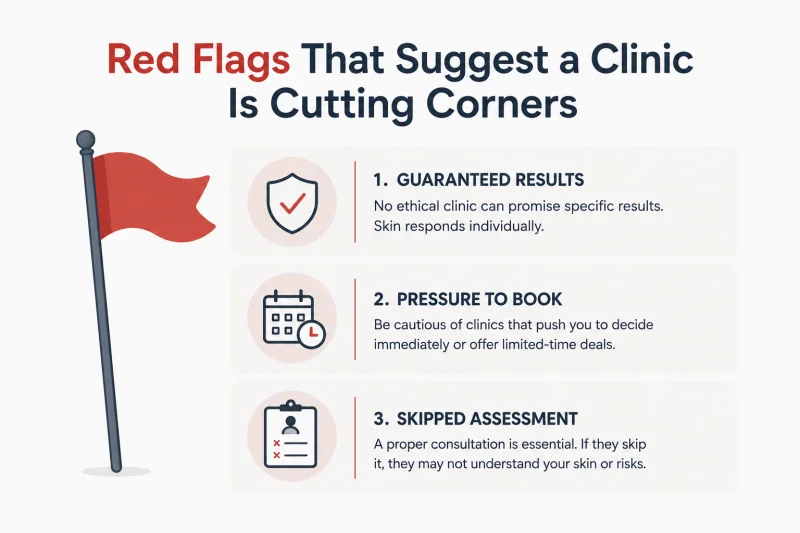
Most clinics genuinely want good outcomes for their patients. That said, a few warning signs tend to appear consistently when something is rushed or oversold, and it is worth knowing what they look like.
Promises That Sound Too Certain
- Be cautious of any clinic that guarantees specific results, since hyperpigmentation responds differently from person to person and full clearance is not always realistic.
- Language suggesting permanent removal "in one session" should be used with caution, particularly for melasma, which is prone to recurrence regardless of treatment quality.
Pressure to Decide Quickly
- A practitioner who pushes you to book immediately or commit to a large bundle of sessions before you have had a proper assessment is prioritising the sale over your skin.
- A clinic confident in its approach should be comfortable with you taking time to think it over.
Skipping the Basics
- Watch for a lack of meaningful skin assessment, such as a consultation that goes straight to discussing price without closely examining your skin.
- If a practitioner cannot explain clearly why they are recommending a particular treatment, or brushes off questions about risk, that is worth noting.
- Reluctance to discuss qualifications, registration, or what happens if something goes wrong is a clear signal to look elsewhere.
None of these signs on their own means a clinic is unsafe, but together they tend to point toward the same underlying issue: a focus on selling treatment rather than assessing whether it is right for you.
Your Hyperpigmentation Questions
Real Questions from Real People — Answered
Straightforward answers to the questions people like you are asking right now about Hyperpigmentation.

Be the first to ask a Hyperpigmentation question.
Click here to ask your own question.
Find A Verified Clinic
Trusted Hyperpigmentation Experts, Local to You
Easily connect with qualified, verified professionals for safe, reliable treatment.

Skin Redefined Ltd
Skin Redefined is a Cheltenham-based aesthetics clinic specialising in regenerative skin treatments, anti-ageing solutions, and natural-looking results led by Nurse Prescriber Kelly Whittaker.
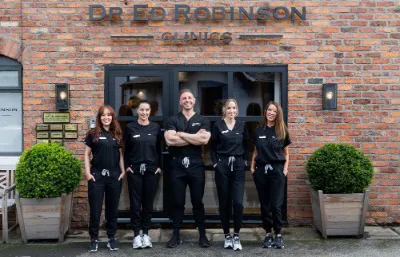
Dr Ed Robinson Clinics
Doctor-led medical aesthetics, skin & laser clinic in Hale, Cheshire
To find a Hyperpigmentation clinic near you, please click here.
Grow Your Practice with Hyperpigmentation
Whether you are already using Hyperpigmentation or considering adding it to your treatment menu, here is how to make the most of it.

Are you a practitioner? If you'd like to link your practice to Hyperpigmentation and become part of ConsultingRoom.com, you can register as a verified specialist using the information on our specialist registration page.
Once verified, your profile can feature Hyperpigmentation alongside the other treatments, conditions and products you support, helping patients searching ConsultingRoom.com find you directly.
Our Preferred Partner:
As more patients research hyperpigmentation online before booking a consultation, having your clinic listed against this condition on ConsultingRoom.com is becoming an increasingly valuable way to reach them. From melasma and post-inflammatory pigmentation to sun damage and age spots, patients turn to pages like this to understand their options before choosing a practitioner.
If your clinic treats hyperpigmentation, our dedicated practitioner resource explains everything you need to know, including how to get listed, showcase your expertise and connect with patients actively searching for treatment.
Find out how being listed here could help grow your clinic and connect you with patients seeking trusted, qualified care.