


If you've cleared your hyperpigmentation once, only to watch it start creeping back a few months later, it's easy to assume something went wrong with your treatment, or that your skin is simply "difficult." Neither is usually the case. Pigmentation, particularly melasma, is driven by factors that rarely switch off on their own: hormonal activity, sun and visible light exposure, heat, and inflammation. Treatment interrupts the process. It doesn't remove the underlying tendency, which is why prevention needs to be thought of as an ongoing part of skincare rather than a box you tick once.
This distinction matters because so much of the advice available online treats prevention as a single habit, usually "wear sunscreen," without explaining why pigmentation still returns for people who do exactly that. The reality is more nuanced. Some sunscreens protect against UV radiation but not against visible light, which also affects melasma-prone skin. Some ingredients, like hydroquinone, aren't meant for indefinite use, particularly under UK prescribing guidance. And not every mark that reappears is even the same pigmentation coming back; some are new, with entirely different causes.
This guide works through what actually drives recurrence, what a genuinely effective long-term routine looks like, and where professional maintenance or reassessment might be worth considering. The aim is to leave you with a realistic, evidence-based understanding of prevention, rather than a checklist that doesn't explain the reasoning behind it.
Understanding why pigmentation returns in the first place is the natural starting point.
Our Preferred Partner - LaserMe by Neauvia
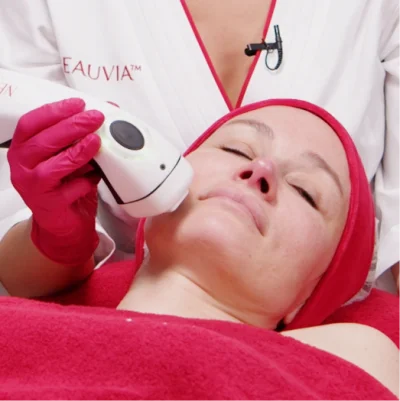
LaserMe is a non-ablative fractional diode laser used in medical aesthetics clinics across the UK to support skin regeneration and pigmentation management. This guide is for anyone trying to understand what it is, how it works, and whether it may be relevant to their hyperpigmentation concern.
- What LaserMe is, and how it differs from ablative laser treatments
- Which pigmentation concerns it is commonly used for, including PIH, melasma, and sun damage
- What to consider around suitability, recovery, costs, and choosing a qualified practitioner
Why Pigmentation Often Comes Back After Treatment Stops
If you've spent months clearing pigmentation, only to watch it creep back a few weeks after easing off your routine, you're not imagining it. This is one of the most common, and least explained, parts of preventing hyperpigmentation from returning, particularly with melasma.
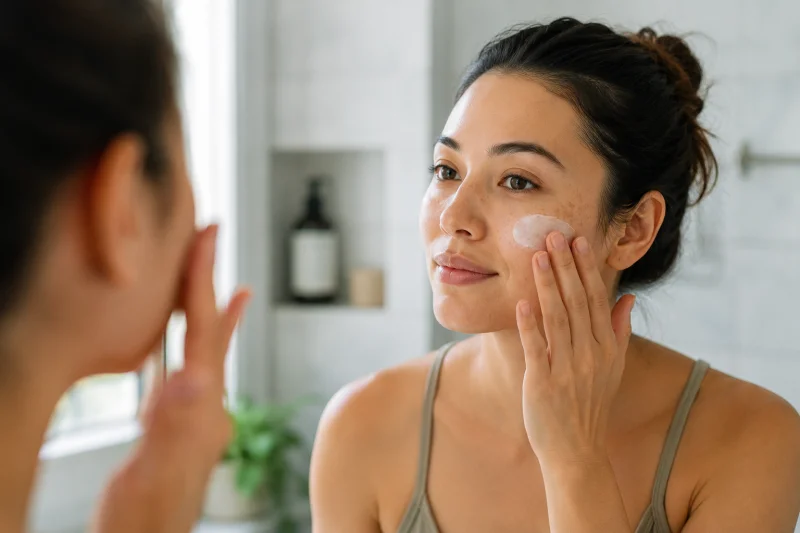
Why the pigment pathway reactivates
Pigmentation doesn't behave like a wound that heals once and stays healed. It's driven by things that don't switch off just because your skin looks clear: hormones, sun exposure, heat, inflammation. Treatment calms melanin production down. It doesn't remove the underlying tendency.
- When active ingredients wear off or sun protection wears off, the pathway that caused the original pigmentation can switch back on.
- In melasma specifically, relapse within a couple of months of stopping oral tranexamic acid is common, with pigmentation scores climbing back toward three-quarters of their original severity within three months of stopping hydroquinone.
- This is why treatment can feel like it has "stopped working" when, in fact, it worked exactly as expected while used consistently.
What predicts whether it comes back
In a study of people who moved onto a structured maintenance plan after clearing melasma, just over half remained relapse-free six months later. What predicted relapse wasn't how mild the pigmentation looked when maintenance started, but how severe it had originally been.
- More severe or longer-standing pigmentation tends to need more consistent, longer-term maintenance.
- This isn't a sign treatment failed. It's a realistic part of managing a condition that responds well to consistency and returns without it.
For many people, hyperpigmentation isn't something you finish treating once and for all. It's something you keep managing at a lower level, which is worth knowing before you plan any prevention strategy.
Is It Really Coming Back, Or Is It Something New?
Not every dark mark that appears after treatment is a relapse. Working out which one you're looking at matters, because the two situations call for different responses.
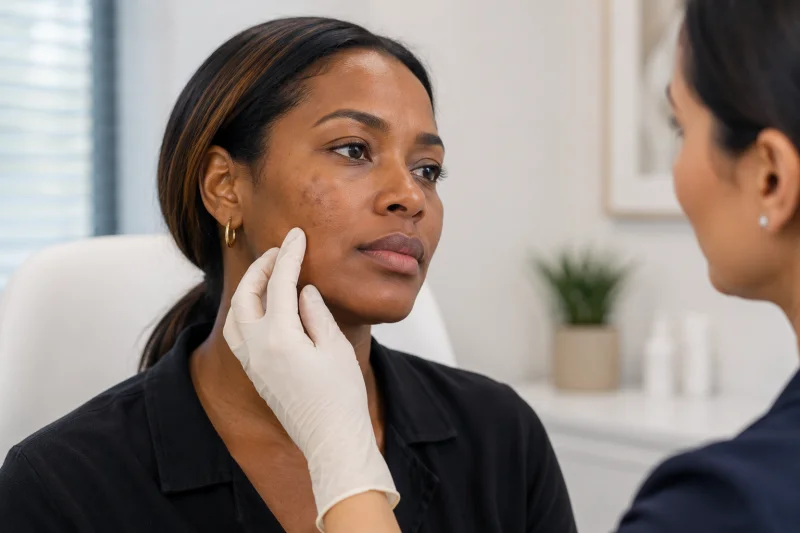
When it's likely to be the same pigmentation returning
True relapse tends to appear in the same area as the original pigmentation. If your melasma covered your cheeks and forehead before, and a similar pattern reappears in those same areas weeks or months after stopping treatment, that's consistent with the underlying trigger, usually hormonal activity, heat, or sun exposure, reasserting itself.
- The location is the clue: the pigment pathway quietened by treatment has switched back on where it was always most active.
- This pattern usually points back to maintenance, whether that's topical ingredients, stricter sun protection, or a check-in with your practitioner.
When it's more likely to be a new mark
New pigmentation is a different picture. If a mark appears somewhere you weren't previously affected, particularly after a breakout, a graze, an insect bite, or an aggressive facial or peel, that's more likely to be a fresh episode of post-inflammatory hyperpigmentation.
- It shares the same root cause (inflammation triggering melanin production) but isn't your old pigmentation resurfacing.
- The more useful question here is what caused it, so you can address that specifically rather than assuming your original treatment is no longer effective.
If you're ever unsure which you're looking at, that's a reasonable thing to raise at a consultation rather than guess. A practitioner examining the pattern, timing, and depth of the pigmentation can usually tell the difference quickly, even when it isn't obvious to you.
Daily Sun Protection: What Actually Works Long-term
Sun protection is the single most repeated piece of advice for preventing hyperpigmentation from returning, and for good reason. But UV protection alone often isn't the full picture, especially for melasma-prone skin.
Why UV-only sunscreens can fall short
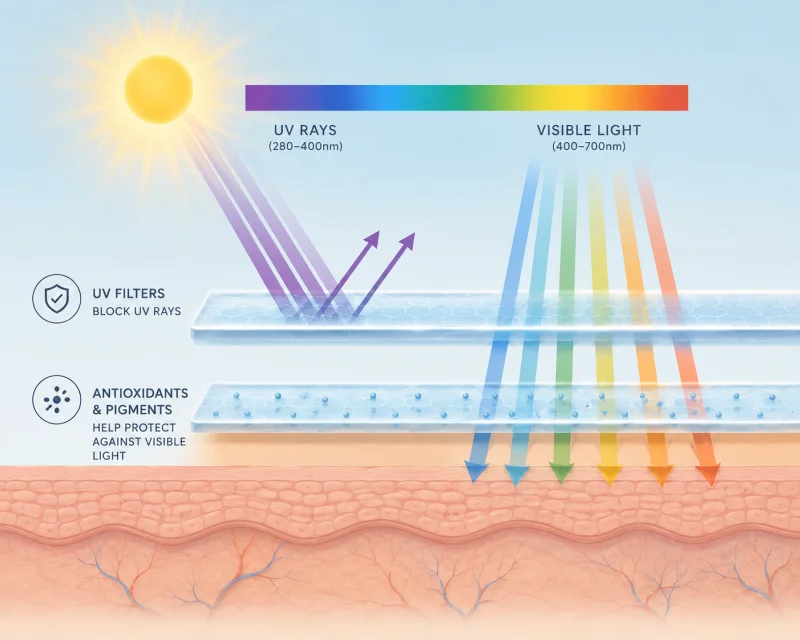
Standard sunscreen advice focuses on blocking UVA and UVB rays. What's less widely known is that visible light, particularly high-energy blue light, also stimulates melanin production and can worsen conditions like melasma and post-inflammatory hyperpigmentation.
- Non-tinted sunscreens, even broad-spectrum ones, offer little protection against visible light.
- In a randomised trial, a sunscreen with added visible light protection achieved a 75% reduction in melasma severity scores, compared with 60% for a UV-only sunscreen over the same period.
- This may explain why some people stay diligent with sunscreen and still see pigmentation return.
What visible light protection actually looks like
Iron oxide is the ingredient responsible for visible-light protection and gives tinted mineral sunscreens their colour.
- Tinted sunscreens containing iron oxide scatter visible light in a way that clear sunscreens don't.
- One product review found that the vast majority of tinted sunscreens on the market didn't disclose iron oxide as an active ingredient online, making it genuinely difficult for consumers to identify suitable products without asking directly.
- For melasma-prone or higher Fitzpatrick skin types, a tinted, iron-oxide-containing sunscreen is generally a more complete daily option than a clear one.
Building it into a daily routine
- Apply a broad-spectrum sunscreen with visible light protection every morning, regardless of weather or season.
- Reapply if you're outdoors for extended periods, particularly around midday.
- Physical barriers (broad-brimmed hats, seeking shade) remain useful alongside sunscreen, not instead of it.
Comparison table opportunity here: UV-only sunscreen versus tinted, iron-oxide sunscreen, covering protection type, best suited skin concern, and typical finish.
Sunscreen remains the foundation of prevention, but for pigmentation-prone skin specifically, the type of sunscreen matters as much as remembering to wear it.
Maintenance Skincare: Which Ingredients Are Worth Continuing
Once active treatment has cleared pigmentation, the next question is usually what to keep using, and for how long. Not every ingredient is meant for indefinite use.

Ingredients suited to ongoing, lower-level use
Some ingredients are commonly used long-term at lower concentrations, precisely because they're gentle enough to fit into a daily routine without the same risks as prescription-strength options.
- Azelaic acid: well tolerated, suitable for sensitive skin, and useful for both active treatment and maintenance.
- Vitamin C: supports antioxidant protection and can help limit new pigment formation when used consistently.
- Niacinamide: gentle, widely tolerated, and often layered alongside other actives.
- Retinoids: support cell turnover, though tolerance varies and they're usually introduced gradually.
Why hydroquinone isn't a forever ingredient in the UK
Hydroquinone is often described as the gold standard for treating stubborn pigmentation, but it isn't designed for continuous, long-term use.
- In the UK, hydroquinone above cosmetic-permitted strength is prescription-only, unlike in the US, where higher-strength versions are available over the counter.
- Prescribers typically limit the duration of use, partly due to the risk of ochronosis (a paradoxical darkening of the skin) with prolonged application.
- This means UK-specific maintenance planning usually looks different from advice written for a US audience: hydroquinone tends to be used in defined cycles under supervision, rather than as an ongoing daily product.
- If you've been prescribed hydroquinone, it's worth discussing with your prescriber what happens after your course ends, rather than assuming you can simply keep going.
What consistency actually requires
Maintenance regimen data shows that how often you apply a product matters less than how consistently you stick with it. Time to relapse was similar whether a maintenance cream was applied daily or twice weekly, provided it was used reliably.
This suggests that a realistic, sustainable routine you'll actually stick to is more valuable in the long term than an intensive one you're likely to abandon after a few weeks.
Managing The Triggers You Can Control
Not every cause of hyperpigmentation is preventable, but some genuinely are, particularly when it comes to inflammation from acne, injury, or irritation.

Why inflammation matters so much
Post-inflammatory hyperpigmentation develops when inflammation triggers melanocytes to produce excess melanin. This means anything that causes inflammation in the skin, however minor it feels at the time, carries some risk of leaving a mark behind.
- Acne, in particular, is one of the most common triggers, and this risk is higher in darker skin tones (Fitzpatrick types IV to VI), where post-inflammatory hyperpigmentation tends to be more persistent.
- Picking or squeezing spots increases inflammation and, with it, the likelihood of a lasting mark.
- Over-exfoliating or using multiple strong actives at once can irritate the skin barrier and trigger the same pigment response.
Practical ways to reduce the risk
- Treat acne early and consistently, rather than waiting for it to worsen.
- Avoid picking, popping, or scratching at spots, however tempting.
- Introduce new active ingredients one at a time, so you can identify what's causing irritation if it happens.
- Be cautious with aggressive treatments (strong peels, high-strength retinoids) on skin that's already inflamed or reactive.
After a procedure or breakout
Skin is more vulnerable to pigmentation in the days and weeks following any kind of trauma, whether that's a breakout, a graze, or a professional treatment like a peel or laser session.
- Keeping the area protected from sun exposure during this window matters more than usual.
- Gentle, non-irritating skincare supports healing without adding further inflammation.
Managing these everyday triggers won't eliminate every risk of pigmentation, but it removes some of the most common and preventable causes.
Hormonal And Lifestyle Factors That Make Prevention Harder
Some triggers for hyperpigmentation, particularly melasma, are harder to control than a skincare routine or sunscreen habit. Understanding this helps set realistic expectations rather than assuming prevention has failed when it's actually working around genuine constraints.
Hormonal influences
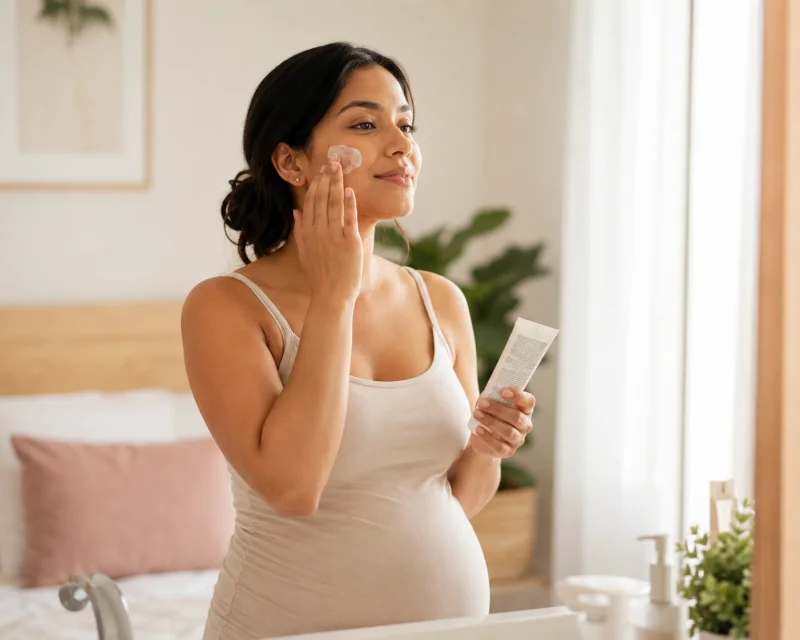
Melasma is particularly sensitive to hormonal fluctuation, which is part of why it's so much more common in women than men.
- Pregnancy is a well-recognised trigger, sometimes referred to as the "mask of pregnancy," and pigmentation can persist or worsen for some time afterwards.
- Hormonal contraception and hormone replacement therapy have both been linked to melasma onset or flare-ups in some individuals.
- These triggers aren't always avoidable, or desirable to avoid, which means prevention in these cases often relies more heavily on consistent sun protection and maintenance skincare than on removing the trigger itself.
Heat as an underappreciated factor
Heat exposure, not just sunlight, is increasingly recognised as a contributor to melasma flare-ups.
- Saunas, hot yoga, cooking over direct heat, and even prolonged hot showers have been associated with worsening pigmentation in melasma-prone skin.
- This doesn't mean these activities need to be avoided entirely, but it's worth being aware of if pigmentation seems to flare without an obvious trigger from sun exposure.
Working with what you can't fully control
- If you're pregnant, breastfeeding, or on hormonal medication, focus prevention efforts on sun protection and gentle, appropriate skincare rather than expecting to eliminate the trigger.
- If pigmentation consistently worsens around a specific time (a menstrual cycle, a change in medication, a hot climate holiday), that pattern is useful information to share with a practitioner.
Prevention isn't about controlling every variable. It's about managing the ones you can, and understanding why the ones you can't still matter.
Maintenance Treatments And Top-up Sessions
Initial treatment for pigmentation often involves a more intensive course, whether that's a series of peels, a run of laser sessions, or a period of prescription-strength topicals. Maintenance works differently.

- The goal shifts from clearing existing pigmentation to sustaining the improvement already achieved.
- This usually means gentler, less frequent sessions, spaced further apart than an active treatment course.
- Non-ablative fractional lasers, such as LaserMe, are commonly used in this context because their lower-intensity approach suits ongoing, lighter-touch sessions rather than repeated aggressive treatments.
What this looks like in practice
- Light chemical peels every few months, rather than a concentrated course.
- Occasional laser toning sessions to keep melanin production in check.
- Combination approaches, where a low-fluence laser session is paired with topical maintenance skincare at home.
Setting realistic expectations
- Maintenance treatments aren't usually about achieving further visible improvement, but about protecting the results already reached.
- Frequency varies by individual and by how the skin responds, so this is genuinely something to discuss with a practitioner rather than follow a fixed schedule found online.
- Not everyone needs in-clinic maintenance. For many people, consistent skincare and sun protection are sufficient on their own.
Whether maintenance treatments make sense for you depends on your skin, your pigmentation history, and how it's responded so far, which is worth discussing directly with a practitioner rather than assuming a one-size-fits-all approach.
When Ongoing Pigmentation Needs A Professional Review
Most pigmentation can be managed with a combination of sun protection, skincare, and, where appropriate, occasional maintenance treatment. But there are times when it's worth getting a professional opinion rather than continuing to self-manage.
Signs worth getting checked
- Pigmentation that's spreading, darkening, or changing shape, rather than staying stable or gradually fading.
- New pigmentation appearing in areas with no clear trigger (no recent breakout, injury, or sun exposure you can identify).
- Marks that haven't responded to a reasonable period of consistent, appropriate skincare, typically several months.
- Any pigmented area that looks different from your usual pattern, particularly if it's asymmetric, irregular in colour, or growing.
Why this matters beyond pigmentation itself
A proper assessment isn't only about confirming what's already been diagnosed. It's also an opportunity to rule out other causes of skin discolouration, some of which need a different kind of attention altogether.
- A practitioner can distinguish between melasma, post-inflammatory hyperpigmentation, and other pigmentary conditions that may need a different approach.
- Persistent or unusual pigmentation is sometimes worth checking against other, less common causes, which is why ongoing changes shouldn't be dismissed as "just" stubborn pigmentation without a proper look.
Getting the most from a consultation
- Bring a rough timeline: when the pigmentation first appeared, what treatments you've tried, and how it's changed.
- Mention any hormonal factors (pregnancy, contraception, hormone therapy) and any recent triggers (breakouts, procedures, sun exposure).
- Ask directly what maintenance plan, if any, is realistic for your specific pigmentation and skin type.
If you're at the point where you're unsure whether what you're seeing is normal or worth investigating, that uncertainty is itself a reasonable enough reason to book a consultation. A proper assessment gives you a clearer, more personal answer than any general guide can.
Your Hyperpigmentation Questions
Real Questions from Real People — Answered
Straightforward answers to the questions people like you are asking right now about Hyperpigmentation.

Be the first to ask a Hyperpigmentation question.
Click here to ask your own question.
Find A Verified Clinic
Trusted Hyperpigmentation Experts, Local to You
Easily connect with qualified, verified professionals for safe, reliable treatment.

Skin Redefined Ltd
Skin Redefined is a Cheltenham-based aesthetics clinic specialising in regenerative skin treatments, anti-ageing solutions, and natural-looking results led by Nurse Prescriber Kelly Whittaker.

Dr Ed Robinson Clinics
Doctor-led medical aesthetics, skin & laser clinic in Hale, Cheshire
To find a Hyperpigmentation clinic near you, please click here.
Grow Your Practice with Hyperpigmentation
Whether you are already using Hyperpigmentation or considering adding it to your treatment menu, here is how to make the most of it.

Are you a practitioner? If you'd like to link your practice to Hyperpigmentation and become part of ConsultingRoom.com, you can register as a verified specialist using the information on our specialist registration page.
Once verified, your profile can feature Hyperpigmentation alongside the other treatments, conditions and products you support, helping patients searching ConsultingRoom.com find you directly.
Our Preferred Partner:
As more patients research hyperpigmentation online before booking a consultation, having your clinic listed against this condition on ConsultingRoom.com is becoming an increasingly valuable way to reach them. From melasma and post-inflammatory pigmentation to sun damage and age spots, patients turn to pages like this to understand their options before choosing a practitioner.
If your clinic treats hyperpigmentation, our dedicated practitioner resource explains everything you need to know, including how to get listed, showcase your expertise and connect with patients actively searching for treatment.
Find out how being listed here could help grow your clinic and connect you with patients seeking trusted, qualified care.