

Hyperpigmentation is one of the most commonly searched skin concerns in the UK, yet it is also one of the most frequently misunderstood. The term itself covers several distinct conditions, each with a different cause, a different presentation, and a different relationship with treatment. Someone researching dark spots after acne is dealing with something quite different to someone whose pigmentation appeared during pregnancy, even though both might describe their concern in the same way.
This matters because hyperpigmentation is not a single problem with a single solution. The cause of the pigmentation, its depth within the skin, the individual's skin tone, and whether the underlying trigger is still active all influence what approaches are worth considering. A treatment that works well for one type can be ineffective for another, and in some cases may make things worse. That is not widely explained in most consumer-facing content, which tends to focus on ingredients and procedures without first establishing whether they are appropriate for the specific situation.
That gap between what is available and what is actually suitable is what this guide addresses. It covers the biology of how hyperpigmentation develops, the main types and their causes, who is most commonly affected, and the current range of treatment options from over-the-counter skincare through to professional intervention. Where evidence exists, it is drawn on. Where uncertainty or variation remains, that is reflected honestly. The aim throughout is to help you approach this topic with a clearer understanding, not to steer you towards any particular product or outcome.
To understand hyperpigmentation properly, it helps to start with what the term actually means and what it does not.
Our Preferred Partner - LaserMe by Neauvia
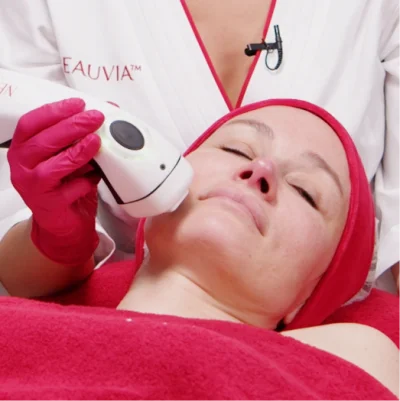
LaserMe is a non-ablative fractional diode laser used in medical aesthetics clinics across the UK to support skin regeneration and pigmentation management. This guide is for anyone trying to understand what it is, how it works, and whether it may be relevant to their hyperpigmentation concern.
- What LaserMe is, and how it differs from ablative laser treatments
- Which pigmentation concerns it is commonly used for, including PIH, melasma, and sun damage
- What to consider around suitability, recovery, costs, and choosing a qualified practitioner
What Is Hyperpigmentation?
Hyperpigmentation is one of the most common skin concerns raised in both dermatology and aesthetic practice, yet it is frequently misunderstood. It is not a single condition but an umbrella term covering several distinct disorders, each with its own cause, appearance, and appropriate treatment approach.
A skin response, not a skin type
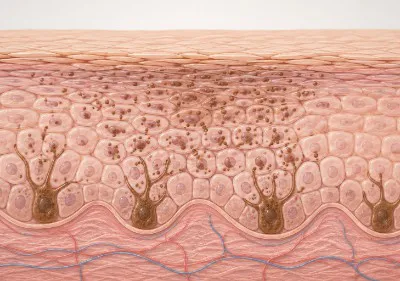
At its most basic, hyperpigmentation describes any area of skin that has become darker than the surrounding tissue. The darkening is caused by an excess of melanin, the pigment that gives skin, hair, and eyes their colour. Melanin is produced by specialised cells called melanocytes, which sit at the base of the epidermis (the outer layer of skin). When those cells are overstimulated, whether by UV exposure, inflammation, hormonal changes, or other triggers, they produce more melanin than the skin needs. That excess accumulates and becomes visible as darker patches, spots, or uneven tone.
It is worth being clear about what hyperpigmentation is not. It is not scarring, which involves structural damage to the skin's tissue. It is not a sign of poor skin health in itself, and in most cases, it poses no medical risk. That said, it can have a meaningful impact on confidence and quality of life, which is why so many people seek information about managing it.
Where it tends to appear
Hyperpigmentation most commonly affects areas of the skin that receive the most sun exposure or are prone to inflammation. The face is the most frequently affected area, particularly the cheeks, forehead, upper lip, and around the eyes. The neck, hands, and forearms are also common sites. In some presentations, such as post-inflammatory hyperpigmentation following acne, the marks appear wherever the original skin insult occurred.
Why some skin types are more affected
Hyperpigmentation can affect any skin tone, but it tends to be more pronounced and longer-lasting in people with darker complexions. This is because individuals with Fitzpatrick skin types III to VI have a higher baseline level of melanin production and more reactive melanocytes. When the skin is triggered in any way, those melanocytes respond more readily and produce more pigment. It is a normal physiological difference, not a deficiency, but it does mean that darker skin tones carry a greater risk of both developing hyperpigmentation and of experiencing complications from certain treatments if they are not appropriately chosen.
The importance of identifying the type
Because hyperpigmentation is a category rather than a specific diagnosis, the most important first step in addressing it is understanding which type is present. Melasma, post-inflammatory hyperpigmentation, solar lentigines, and freckles may all look broadly similar to the untrained eye, but they have different underlying causes, different depths within the skin, and quite different responses to treatment. An approach that works well for one type can be ineffective or, in some cases, counterproductive for another.
Understanding what you are dealing with is not a minor detail. It is the foundation on which any effective treatment plan is built.
What Causes Hyperpigmentation?
Hyperpigmentation does not have a single cause. Understanding what has triggered it in your particular case matters considerably, because different causes tend to produce different types of pigmentation, and that distinction affects which approaches are most likely to be effective.
UV exposure and sun damage
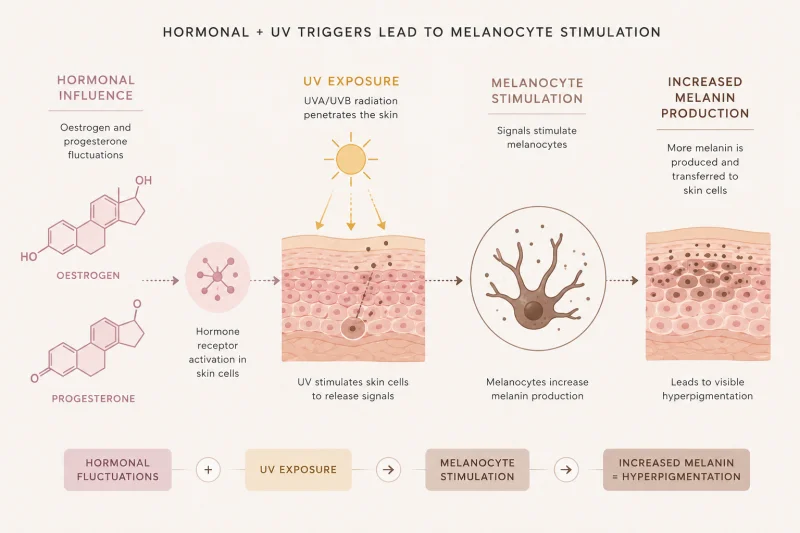
Sun exposure is the most frequent driver of hyperpigmentation. When the skin is exposed to ultraviolet radiation, melanocytes respond by increasing melanin production as a protective mechanism. Over time, particularly with cumulative or unprotected sun exposure, this can result in flat, darkened patches or spots, most often on the face, hands, and other areas that receive regular sun. These are commonly referred to as sun spots or age spots.
Less well understood is that UV exposure does not just cause new pigmentation. It can also worsen existing pigmentation of almost any type, including melasma and post-inflammatory marks. This is why sun protection is considered an active part of any pigmentation management plan, not simply a preventive measure.
Hormonal changes
Hormonal fluctuations are a well-established trigger for a specific form of hyperpigmentation called melasma (sometimes referred to as chloasma during pregnancy). The female sex hormones oestrogen and progesterone can stimulate melanin production when the skin is simultaneously exposed to UV light. This is why melasma tends to appear or worsen during pregnancy, whilst taking the combined oral contraceptive pill, or during hormone replacement therapy.
Melasma characteristically presents as symmetrical, patchy darkening across the cheeks, forehead, upper lip, and occasionally the chin or neck. It can affect any skin tone but is more commonly seen in women with medium to darker complexions. Notably, hormonal pigmentation can sometimes improve after a hormonal shift resolves, though this is not guaranteed, and recurrence is common if triggers remain.
Acne and skin inflammation
Post-inflammatory hyperpigmentation (PIH) is one of the most common forms of pigmentation seen in clinical practice. It develops after the skin has experienced inflammation or injury: the healing process triggers an overproduction of melanin in the affected area, leaving a dark mark once the initial lesion has resolved.
Acne is a particularly frequent cause, though eczema, psoriasis, contact dermatitis, and insect bite reactions can produce the same effect. It is worth noting that mild acne does not typically lead to significant hyperpigmentation. The marks are more likely to develop following more inflamed lesions or where the skin has been picked or squeezed, which intensifies the inflammatory response and disrupts the healing process.
Skin injury and aesthetic procedures
Any form of trauma to the skin carries a potential risk of post-inflammatory pigmentation, particularly in individuals with darker skin tones. This includes burns, cuts, and abrasions, as well as certain cosmetic and dermatological procedures. Chemical peels, laser treatments, and cryotherapy can all trigger PIH if not appropriately matched to the individual's skin type or if aftercare guidance is not followed. This is not a reason to avoid those treatments, but it does underline the importance of thorough pre-treatment assessment and choosing a practitioner with relevant experience.
Medication-related pigmentation
A number of commonly prescribed medications are associated with changes in skin pigmentation. These include certain antibiotics, antimalarial drugs, tricyclic antidepressants, and combined oral contraceptives. Hormone replacement therapy can also have hyperpigmentation as a side effect. The mechanism varies among drugs: some directly stimulate melanin production, while others cause photosensitivity that makes the skin more reactive to UV exposure.
If you have noticed a change in skin tone that coincides with starting or changing a medication, it is worth discussing this with your GP or prescribing clinician. In some cases, switching to an alternative may reduce the pigmentation, though this depends on the medication involved.
Genetic and skin type factors
Genetics influences both baseline skin tone and the way melanocytes respond to external triggers. Some individuals are inherently more prone to developing pigmentation, regardless of sun exposure or hormonal factors. This tendency can run in families and often correlates with skin type. Age is also a factor: whilst melanocyte numbers decline over time, the cells that remain can become larger and more active, which is why age spots tend to accumulate from around the mid-forties onwards.
In practice, most presentations of hyperpigmentation involve more than one contributing factor. A person may have a genetic predisposition, a history of acne, and regular sun exposure, all of which interact to produce stubborn pigmentation that is difficult to address. Identifying the dominant cause is the first step towards an appropriate response.
How Does Hyperpigmentation Develop?
Understanding the biology behind hyperpigmentation helps explain why some types fade relatively quickly while others persist for years, and why certain treatments work for some presentations but not others. The key lies in where the excess pigment ends up within the skin.
Melanin production: the basics
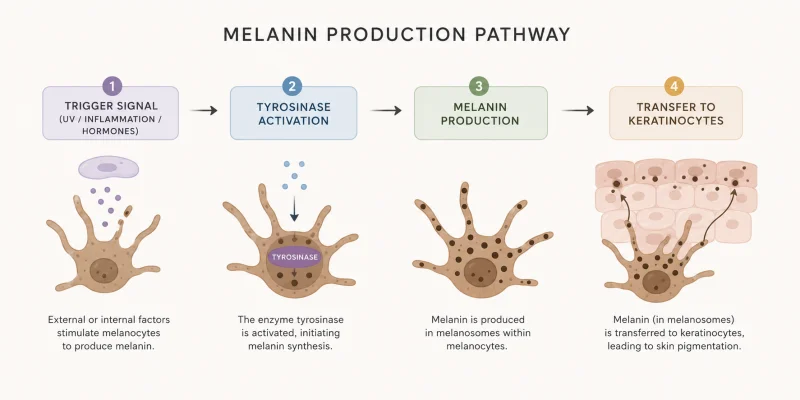
Melanin is produced inside structures called melanosomes, which are contained within melanocytes. These cells sit at the base of the epidermis, at the junction between the outer and inner layers of the skin. Once melanin has been produced, it is packaged into the melanosomes and transferred to neighbouring skin cells called keratinocytes, which carry it upward through the skin layers as the skin naturally renews itself.
The rate at which melanin is produced is controlled largely by an enzyme called tyrosinase. Tyrosinase converts the amino acid tyrosine into melanin through a series of chemical reactions. When the skin receives a triggering signal, whether that is UV radiation, an inflammatory response, or a hormonal shift, tyrosinase activity increases. The result is more melanin than the skin would normally produce, and it accumulates in a concentrated area rather than being evenly distributed.
This is why so many treatments for hyperpigmentation target tyrosinase: blocking or slowing this enzyme is one of the most direct ways of interrupting melanin overproduction at its source.
The inflammation pathway
When the skin experiences inflammation, the process is somewhat different. Inflammatory signals, including cytokines, prostaglandins, and reactive oxygen species, stimulate melanocytes to produce excess melanin as part of the skin's response to injury. This melanin is transferred to surrounding keratinocytes in the usual way, but in larger quantities than normal.
In practice, this means that even once the original trigger, such as an acne lesion or an eczema flare, has resolved, the melanin it prompted remains visible. The skin has healed, but the pigment it produced during that inflammatory episode takes considerably longer to clear.
Epidermal pigmentation
When excess melanin accumulates within the upper layers of the skin, the result is epidermal hyperpigmentation. This is the more common and more accessible form. It typically presents as a tan, brown, or dark brown discolouration and responds more readily to topical treatments and certain procedures because the pigment lies within reach of the skin's surface. Over time, and with consistent sun protection, epidermal pigmentation can fade. That said, the process is often slower than people expect, sometimes taking many months.
Dermal pigmentation
In some cases, particularly following severe or prolonged inflammation, melanin granules escape from the epidermis and are taken up by macrophages (immune cells) deep within the dermis. These are known as melanophages. Dermal pigmentation presents differently to epidermal pigmentation: it tends to appear blue-grey rather than brown, and it is considerably more resistant to treatment. Because the pigment sits beyond the reach of most topical agents and deeper than many laser and light therapies are calibrated to target, dermal hyperpigmentation can, in some cases, be permanent.
The distinction matters clinically. A dermatologist or experienced practitioner can often assess the likely depth of pigmentation through examination, and in some cases, a Wood lamp or biopsy may be used to confirm it. Attempting to treat dermal pigmentation with approaches designed for epidermal pigmentation is unlikely to produce significant improvement and may cause unnecessary irritation.
Why pigmentation can return
Even after successful treatment, hyperpigmentation has a tendency to recur if the original trigger remains active. For melasma, this is a particular challenge: hormonal factors and UV exposure can re-stimulate melanocyte activity, producing new pigment in the same areas. For post-inflammatory hyperpigmentation, recurrence tends to follow renewed inflammation, which is why managing the underlying condition, whether that is acne, eczema, or another skin disorder, is considered as important as treating the pigmentation itself.
That pattern is a key reason why maintenance and sun protection are not optional extras in pigmentation management. They are, in most cases, what determines whether improvement is sustained over time.
Types Of Hyperpigmentation
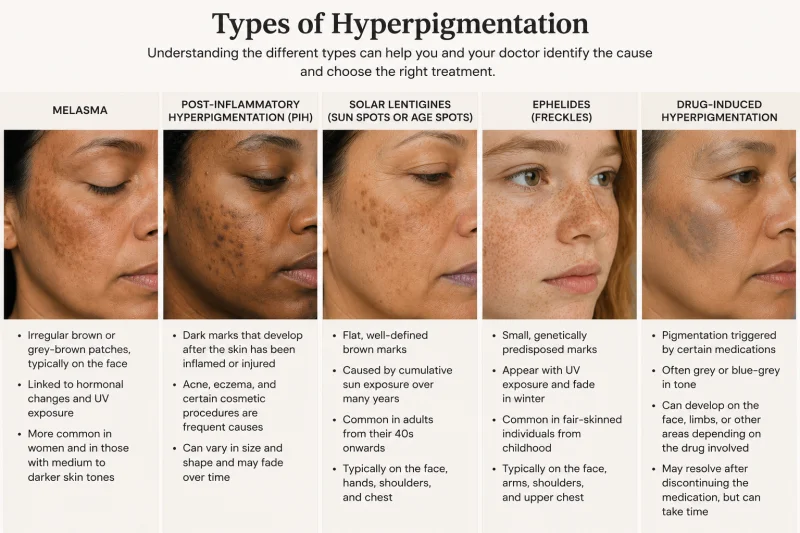
Several distinct conditions fall under the umbrella of hyperpigmentation. They may look superficially similar, but each has a different cause, a different pattern of presentation, and a different prognosis. Knowing which type you are dealing with, or which combination, is an essential starting point before making any treatment decisions.
Melasma
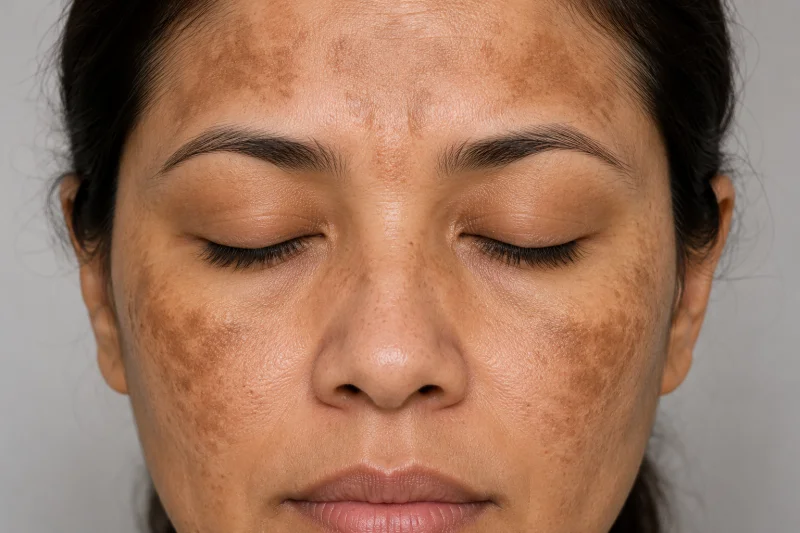
Melasma is one of the most frequently discussed and, in many ways, most challenging forms of hyperpigmentation to manage. It presents as symmetrical patches of light-to-dark brown or grey-brown discolouration, most commonly on the cheeks, forehead, upper lip, and chin. The forearms can also be affected, though this is less common.
It is predominantly seen in women, particularly those aged between 20 and 40, and occurs more frequently in people with Fitzpatrick skin types IV to VI. The primary drivers are hormonal, often in combination with UV exposure. This is why pregnancy, the combined contraceptive pill, and hormone replacement therapy are all recognised triggers.
Melasma can involve both the epidermis and the dermis, and in mixed cases, the two layers may be affected simultaneously. Patches that sit primarily in the epidermis tend to appear more brown and well-defined; those with significant dermal involvement are more grey-brown with less distinct edges. This distinction is clinically relevant because epidermal melasma is more likely to respond to treatment than dermal or mixed forms.
Post-inflammatory hyperpigmentation (PIH)
Post-inflammatory hyperpigmentation develops after the skin has experienced inflammation or injury. Once the original lesion resolves, a dark mark remains in its place. The intensity and persistence of that mark depend largely on the depth of melanin deposition and the individual's skin type.
Common triggers include acne vulgaris, atopic dermatitis, psoriasis, contact dermatitis, insect bite reactions, and certain dermatological procedures. PIH can affect any skin tone but is more pronounced and longer-lasting in individuals with darker complexions, due to higher baseline melanin production and more reactive melanocytes.
Epidermal PIH presents as tan to dark brown discolouration and tends to improve with time and consistent sun protection. Dermal PIH, associated with more severe or prolonged inflammation, has a blue-grey appearance and can be considerably more persistent. In some cases, it may not fully resolve.
Solar lentigines
Solar lentigines, commonly referred to as sun spots or age spots, are flat, well-defined patches of darker pigmentation that develop as a result of cumulative UV exposure. They tend to appear from the mid-forties onwards, most often on the face, hands, forearms, and other areas with a long history of sun exposure.
Unlike freckles, solar lentigines do not fade in winter. They represent a localised overactivity of melanocytes in response to UV damage accumulated over time. They are benign, but any lesion that changes in colour, shape, or size, or develops irregular borders, should be assessed by a doctor to rule out other conditions.
Freckles (ephelides)
Freckles are small, reddish-to-light-brown spots that typically first appear during childhood and are more common in people with lighter skin and hair. They result from an uneven distribution of melanin in response to sun exposure rather than from an absolute increase in melanocyte numbers. Unlike most other forms of hyperpigmentation, freckles tend to fade with reduced sun exposure and become less pronounced with age.
They are not a medical concern, but they are worth distinguishing from solar lentigines, which carry different implications and respond differently to treatment.
Drug-induced pigmentation
A number of medications are associated with changes in skin pigmentation. These include phenothiazines, minocycline, certain antimalarial drugs, amiodarone, anti-retroviral medications, and tricyclic antidepressants. The resulting discolouration often has a grey or blue-grey tone rather than the brown typically associated with melanin-driven pigmentation. It can affect the face, neck, or other sun-exposed areas.
In most cases, discontinuing the medication allows pigmentation to gradually improve, though this can take many months and in some cases longer. Any suspected drug-related pigmentation change should be discussed with the prescribing clinician before making any changes to medication.
When pigmentation may need medical assessment
Most forms of hyperpigmentation are benign, but there are circumstances where professional assessment is important. These include:
- Any pigmented lesion that is new, changing in size, shape, or colour, or has irregular borders
- Widespread or rapidly developing pigmentation with no obvious cause
- Pigmentation accompanied by other symptoms such as fatigue, weight changes, or significant hormonal disruption
- Suspected drug-induced pigmentation, particularly where the medication involved carries other considerations
In these situations, a GP or dermatologist should be consulted before any cosmetic treatment is considered. Most pigmentation is not a sign of an underlying condition, but it is worth being certain.
Who Is Most Affected By Hyperpigmentation?
Hyperpigmentation can occur in anyone at any age, but it is not evenly distributed across the population. Certain biological characteristics, life stages, and skin types carry a meaningfully higher risk of both developing the condition and experiencing it more severely.
Fitzpatrick skin types III to VI
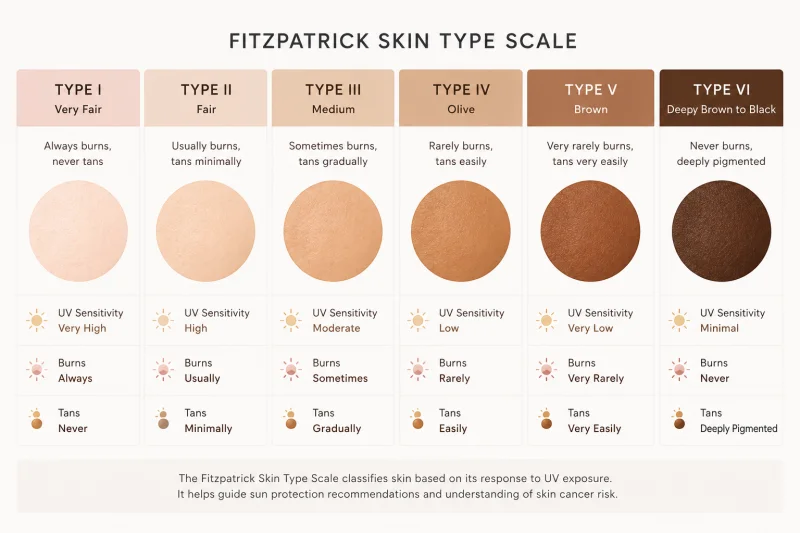
The Fitzpatrick scale classifies skin types from I (very fair, burns easily) to VI (deeply pigmented, rarely burns). Individuals with skin types III to VI have higher baseline melanin levels and more reactive melanocytes. When these melanocytes are triggered, whether by UV exposure, inflammation, or hormonal changes, they produce a more pronounced response than those in lighter skin types.
In practice, this means that hyperpigmentation tends to be more intense, more persistent, and more likely to develop in response to common triggers in people with medium to deep complexions. Post-inflammatory hyperpigmentation, in particular, can affect up to 65% of darker-skinned individuals with acne, compared to significantly lower rates in lighter skin types. It is also worth noting that darker skin types are at greater risk of treatment-related complications, such as post-procedure pigmentation, if treatment parameters are not appropriately calibrated.
This is not a reason to avoid treatment. It is a reason to seek a practitioner with relevant experience in treating skin of colour.
Women aged 20 to 40
Melasma disproportionately affects women, particularly those between the ages of 20 and 40. The interaction between female sex hormones and UV exposure is the primary driver. Oestrogen and progesterone can stimulate melanin production when the skin is simultaneously exposed to sunlight, which is why hormonal milestones and events are so closely associated with new or worsening pigmentation.
Women with Fitzpatrick skin types IV to VI are at particularly high risk of melasma, and the condition is notably prevalent among Hispanic, African American, and Asian women. That said, melasma can and does affect women of all ethnicities and skin tones.
During pregnancy
Pregnancy is one of the most common triggers for melasma, and it is sometimes referred to specifically as chloasma or the "mask of pregnancy" in this context. Hormonal changes during pregnancy, combined with the fact that sun exposure continues throughout, create conditions in which melanocyte stimulation is considerably heightened. The resulting patches typically appear on the cheeks, forehead, and upper lip.
For many women, melasma partially or fully improves after delivery as hormone levels normalise. However, this is not guaranteed, and in some cases, the pigmentation persists or returns with subsequent pregnancies or hormonal contraception use.
Acne-prone skin
Individuals with acne, regardless of skin tone, carry an elevated risk of post-inflammatory hyperpigmentation. The more inflamed the acne lesion, the more likely it is to leave a dark mark once it has resolved. Nodular and cystic acne, and lesions that have been picked or squeezed, tend to produce more pronounced PIH than milder comedonal acne.
Managing acne effectively, rather than focusing on the marks it leaves behind, is often the most effective long-term strategy for reducing PIH in acne-prone skin.
Menopause and midlife hormonal shifts
The perimenopause and menopause bring significant hormonal fluctuation, and for some women, this can trigger new pigmentation or cause previously stable melasma to worsen. Declining oestrogen levels affect the skin in multiple ways, including altering melanocyte activity and reducing the skin's natural repair capacity. Women using hormone replacement therapy should also be aware that it carries a known risk of stimulating or worsening melasma in susceptible individuals.
Cumulative sun damage becomes increasingly visible from the mid-forties onwards. Solar lentigines, which reflect decades of UV exposure rather than any single event, tend to accumulate and become more apparent during this period.
Men and hyperpigmentation
While hyperpigmentation is considerably more common in women, it is not exclusively a female concern. Men can develop post-inflammatory hyperpigmentation, solar lentigines, and, less frequently, melasma. In men, melasma is often linked to UV exposure and, in some cases, to the use of fragranced products or certain medications. The condition may go unrecognised or untreated for longer in male patients, partly because it is less commonly discussed in content aimed at men.
Is Hyperpigmentation Permanent?
This is one of the most common questions people have about hyperpigmentation, and the honest answer is that it depends. For many people, pigmentation will fade with appropriate management and time. For others, particularly those with deeper pigment or persistent underlying triggers, improvement can be partial and slow. In a small number of cases, pigmentation may be long-term.
Temporary versus long-term pigmentation
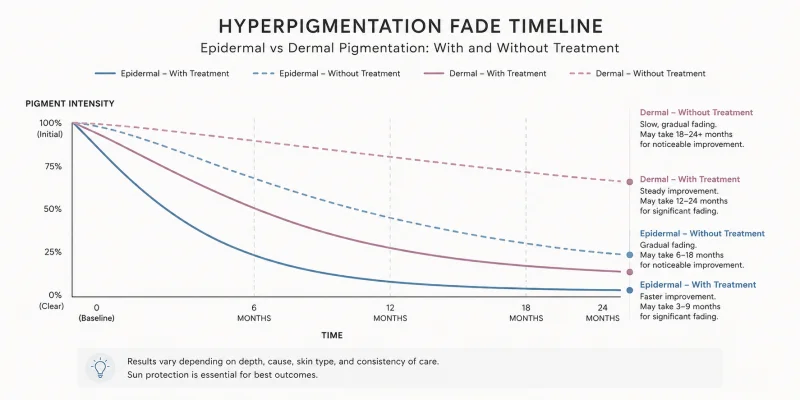
The distinction between temporary and more persistent pigmentation is not arbitrary. It maps closely onto the depth at which melanin has accumulated within the skin.
Epidermal hyperpigmentation, in which excess melanin accumulates in the upper skin layers, tends to improve over time, even without treatment. As the skin naturally renews itself, melanin is gradually carried to the surface and shed. With consistent sun protection and appropriate topical treatment, this process can be meaningfully accelerated. Epidermal PIH, for instance, typically resolves or significantly improves within six to twelve months.
Dermal hyperpigmentation is a different matter. When melanin has penetrated deeper into the dermis and been taken up by macrophages, it is largely beyond the reach of the skin's natural renewal cycle. This form can be very slow to improve and, in some presentations, can be permanent. Dermal PIH, which appears blue-grey rather than brown, falls into this category.
The role of pigment depth
Depth is arguably the single most important variable in predicting how a particular presentation of hyperpigmentation will respond to treatment. It influences which interventions are even worth attempting, and at what intensity.
Most topical agents, regardless of how well-evidenced they are, act primarily on epidermal pigmentation. Chemical peels, depending on their depth, can reach the upper dermis, but this requires clinical judgement and carries a greater risk. Laser treatments vary considerably in their penetration depth, and selecting the correct device and parameters for dermal versus epidermal pigmentation is a specialist decision.
This is one of the reasons a proper assessment before starting treatment is not merely advisable but practically necessary if the goal is meaningful improvement.
The impact of continued UV exposure
Regardless of pigmentation type or depth, continued UV exposure without adequate protection will counteract most treatment efforts. UV light directly stimulates melanocyte activity, meaning that pigmentation that has begun to fade can be darkened again by sun exposure. This applies even on overcast days and through glass. Broad-spectrum SPF use is not a supplementary step in pigmentation management. It is, in most respects, the foundation on which everything else depends.
Melasma and recurrence
Melasma occupies its own category in terms of permanence. It is widely recognised in clinical practice as being difficult to treat and prone to recurrence, even after successful improvement. This is largely because the hormonal and UV triggers that drive it often remain active. A course of treatment that achieves good results in the summer months may see those results diminish if hormonal contraception is continued, or if sun protection lapses.
A combined approach that targets melanin production, accelerates turnover, and consistently blocks UV exposure offers the best chance of sustained improvement. Even then, for many women, melasma is best understood as a condition to be managed over time rather than resolved once. That is not a failure of treatment; it is simply the nature of the condition.
Realistic expectations
Treatments for hyperpigmentation are generally measured in months, not weeks. Poor patient compliance with long treatment durations is a recognised challenge, and a degree of frustration is understandable when progress feels slow. That said, consistency tends to produce results. Abandoning a regimen after four to six weeks is one of the more common reasons treatments are perceived as not working, even though, given more time, they may have worked.
Setting realistic expectations at the outset, including an honest conversation about timelines, the possibility of partial rather than complete improvement, and the likelihood that maintenance will be required, is an important part of any responsible treatment plan.
Skincare Ingredients That May Help Hyperpigmentation.
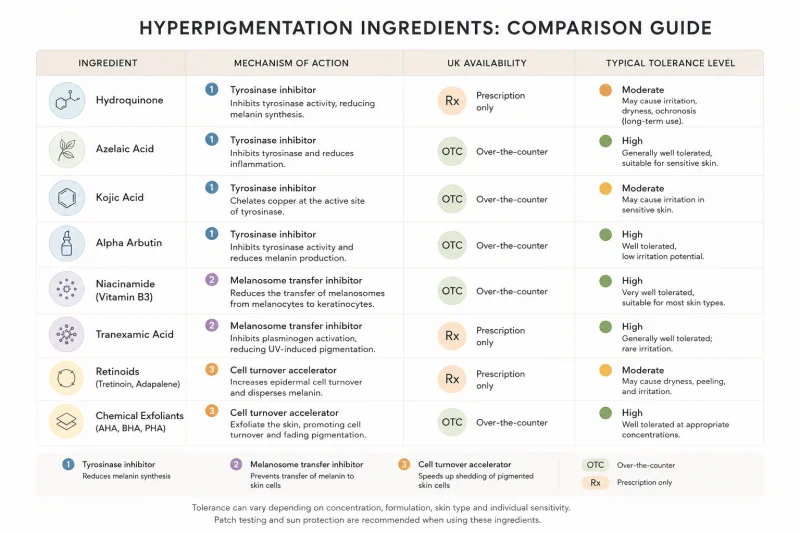
A range of active ingredients has clinical evidence supporting their use in managing hyperpigmentation, and many are available without a prescription. Understanding how each one works and what it is realistically suited to helps select an appropriate approach and avoid the frustration of products that are well-formulated but mismatched to the type of pigmentation being addressed.
It is also worth noting at the outset that no single ingredient works in isolation for most presentations of hyperpigmentation. Combination approaches are better supported by evidence than single-ingredient regimens, and all active ingredients are more effective when used alongside consistent broad-spectrum sun protection.
Vitamin C (L-ascorbic acid)
Vitamin C is an antioxidant that inhibits melanin synthesis by binding to copper ions within the tyrosinase enzyme, disrupting the melanin production pathway. It is one of the more widely used and studied ingredients for hyperpigmentation and also plays a role in protecting the skin from UV-induced oxidative damage.
Formulation matters considerably with vitamin C. L-ascorbic acid is the most active form but is also inherently unstable, degrading on exposure to air and light. Products containing it should be stored appropriately and replaced when the formulation visibly changes colour. At lower concentrations (under 10%), it is generally well tolerated across skin types. Higher concentrations can cause irritation, particularly in sensitive skin.
Niacinamide
Niacinamide (vitamin B3) works differently from most other depigmenting ingredients. Rather than inhibiting tyrosinase, it interrupts the transfer of melanosomes from melanocytes to surrounding keratinocytes, reducing the amount of pigment that reaches the skin surface. It does not affect melanin production itself, which means its effect is more gradual, but it is generally well tolerated and carries a lower risk of irritation than many other actives.
Clinical studies have shown meaningful reductions in facial hyperpigmentation with consistent use of 5% niacinamide. It is also widely available in over-the-counter formulations at effective concentrations, making it a practical starting point for many people.
Azelaic acid
Azelaic acid inhibits tyrosinase and directly antiproliferates abnormally active melanocytes, without affecting normal melanocyte function. This selectivity is clinically relevant: it means it is less likely to cause hypopigmentation in unaffected areas, which is a concern with some stronger agents. It does not cause ochronosis with prolonged use, unlike hydroquinone at higher concentrations.
Azelaic acid is available in the UK at 20% concentration on prescription and at lower concentrations over the counter. It is generally well tolerated, including in darker skin tones, and there is evidence supporting its use in both melasma and PIH. It also has anti-inflammatory properties, which make it useful in acne-prone skin where PIH is a concurrent concern.
Retinoids and retinol
Retinoids, including over-the-counter retinol and prescription-grade tretinoin, address hyperpigmentation through multiple pathways. They inhibit melanogenesis, accelerate skin cell turnover (which helps existing pigment shed more quickly), and have evidence of use in photoageing-related pigmentation. Tretinoin in particular has a strong evidence base for hyperpigmentation and is considered one of the most effective topical agents when tolerated.
That said, retinoids commonly cause initial irritation, dryness, and skin peeling, particularly during the adjustment period. This can itself trigger post-inflammatory pigmentation in sensitive or darker skin types if introduced too aggressively. A slow introduction, starting at low frequency and building gradually, reduces this risk. Prescription-strength tretinoin requires a consultation with a qualified clinician in the UK.
Kojic acid
Kojic acid inhibits tyrosinase and has a reasonable evidence base for use in melasma and solar lentigines. It is commonly found in over-the-counter brightening products, often alongside other active ingredients. Concentrations used in clinical studies are typically around 1% to 2%.
It can cause contact dermatitis in some individuals, and sensitivity varies. As with other actives, it is worth patch testing before full application, and its effects are generally more modest when used as a standalone ingredient.
Hydroquinone: the UK context
Hydroquinone has been used in the management of hyperpigmentation for several decades and remains one of the most studied and, in appropriate concentrations, effective topical agents available. It works by inhibiting tyrosinase, reducing melanin production at its source.
In the UK, hydroquinone is classified as prescription-only. Concentrations of 2% to 4% are most commonly used clinically. This regulatory position reflects legitimate concerns about side effects with prolonged or high-concentration use, most notably ochronosis (an irreversible blue-grey discolouration) and the potential for paradoxical hyperpigmentation if misused. Over-the-counter products advertising hydroquinone in the UK should be treated with caution, as they may not be compliant with current regulations.
When prescribed appropriately and used under clinical supervision, hydroquinone remains a recognised and effective option, particularly for melasma and PIH.
The role of daily SPF
Broad-spectrum sun protection is not simply one ingredient among many. It is the foundational step without which most other interventions are considerably less effective. UV exposure directly stimulates melanin production and can re-darken pigmentation that is fading. This applies year-round in the UK, including on overcast days.
For hyperpigmentation management, applying SPF 30 or higher daily to affected areas is the standard recommendation. For melasma in particular, where UV is a primary ongoing trigger, some clinicians recommend SPF 50 with additional measures such as hats or physical shade. Products combining chemical and physical (mineral) sunscreens, or those with added iron oxide, may offer more complete protection against both UV and visible light, which can also stimulate melanin production in some individuals.
Professional Treatment Options For Hyperpigmentation
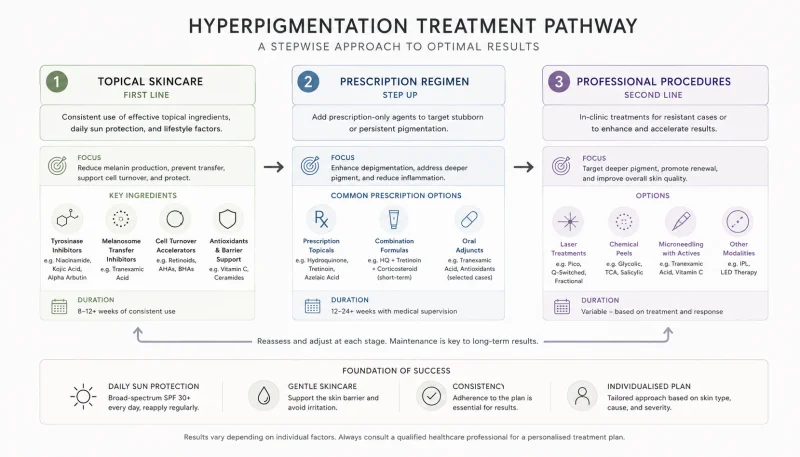
When topical skincare alone is insufficient, or when pigmentation is persistent or deep enough to require more targeted intervention, a range of professional treatments is available. These vary considerably in how they work, what they are suited to, and what level of downtime or risk is involved. None should be considered a quick fix, and for most types of hyperpigmentation, professional treatment works best as part of a broader plan that includes active skincare and consistent sun protection.
Treatment should always follow a proper assessment. The type and depth of pigmentation, the individual's skin tone, and any active triggers all influence which approach is appropriate.
Prescription topical regimens
For many presentations, the first step beyond over-the-counter skincare is a prescription-strength topical regimen. This typically involves combinations of active ingredients at higher concentrations than are available without a prescription. A commonly used approach combines hydroquinone, a retinoid such as tretinoin, and a mild corticosteroid. The retinoid enhances the penetration and efficacy of the hydroquinone, while the steroid helps to manage the irritation that can accompany higher-strength actives.
These regimens require clinical oversight. Duration of use matters: corticosteroids in particular should not be used continuously beyond a defined period, as prolonged use carries its own risks to skin integrity. A qualified prescriber will monitor progress and adjust the approach accordingly.
Chemical peels
Chemical peels work by applying an acid solution to the skin's surface, inducing the controlled removal of the outer epidermal layers and, depending on the depth, portions of the upper dermis. This process clears melanin-laden cells and encourages new skin to form. The most commonly used acids for pigmentation include glycolic acid, lactic acid, salicylic acid, and trichloroacetic acid (TCA).
Peels are generally categorised by depth: superficial peels affect only the outermost epidermis and carry minimal downtime; medium-depth peels reach into the papillary dermis and require a longer recovery period. For hyperpigmentation, superficial to medium-depth peels are most commonly used.
The evidence for peels in melasma and PIH is reasonably well established, particularly when combined with a topical regimen. Lactic acid has been shown to be effective and well-tolerated in darker skin types. Deeper peels, particularly higher-concentration TCA, carry a meaningful risk of triggering PIH in individuals with darker complexions and should only be performed by clinicians with appropriate training and experience treating skin of colour.
Laser and light-based treatments
Laser therapy uses focused light energy to target and break down melanin within the skin. Different devices are suited to different presentations and pigmentation depths.
Q-switched Nd: YAG lasers and picosecond lasers are among the most widely used for hyperpigmentation. Q-switched devices emit very short, high-energy pulses that selectively target melanin without damaging surrounding tissue. Picosecond lasers deliver energy in even shorter pulses, which some studies suggest produce results comparable to those of longer pulses, with a reduced risk of post-treatment pigmentation in certain presentations.
Fractional laser technology takes a different approach. Rather than treating the entire skin surface, it creates thousands of microscopic treatment zones, leaving the surrounding tissue intact to support faster healing. This controlled pattern of thermal injury helps to expel melanin-containing debris from the basal layer while minimising overall trauma to the skin. Fractional photothermolysis has an established evidence base for hyperpigmentation and is generally better tolerated than fully ablative alternatives, with a more predictable recovery.
LaserMe, a 1470nm fractional diode laser available from Neauvia, operates on this fractional principle. It is designed to target epidermal pigmentation while supporting skin renewal. As with any laser treatment, suitability depends on the type and depth of pigmentation, skin tone, and overall skin health. You can find further details about the LaserMe treatment at consultingroom.com/products/laserme.
Intense pulsed light (IPL) is not a laser in the strict sense, but it uses a broad spectrum of wavelengths to address pigmented lesions. It can be effective for solar lentigines in lighter skin types but carries a greater risk in darker skin due to the broader energy delivery.
For melasma specifically, laser is generally considered a second-line or adjunct option rather than a first-line treatment. There is a recognised risk of post-procedure dyspigmentation, and some studies have found that melasma can temporarily worsen following laser treatment, particularly if treatment parameters are not well calibrated or if aftercare is inadequate. All laser treatments for pigmentation carry an elevated risk of complications in darker skin tones, and this should be explicitly discussed during any pre-treatment consultation.
Microneedling
Microneedling uses fine needles to create controlled micro-channels in the skin, stimulating the wound-healing response and encouraging cell renewal. On its own, the evidence for microneedling as a standalone treatment for hyperpigmentation is more limited than for peels or lasers. However, it is increasingly used in combination with topical agents, allowing active ingredients to penetrate more deeply than they would through surface application alone.
Radiofrequency microneedling, which combines the mechanical action of needles with radiofrequency energy, has shown promising results for melasma in some studies, particularly when used alongside laser treatment. For PIH in acne-prone skin, careful case selection is required, as the procedure itself can exacerbate post-inflammatory hyperpigmentation if not appropriately managed.
Oral tranexamic acid
Tranexamic acid, taken orally, has emerged in recent years as an effective option for melasma. Its mechanism differs from most topical agents: it inhibits plasmin activity, which in turn reduces the interaction between keratinocytes and melanocytes that drives melanin production. It also reduces dermal vascularity, which is a contributing factor in melasma pathogenesis.
Clinical evidence is reasonably strong. In one study of 75 patients taking oral tranexamic acid at 250mg twice daily, 94.6% showed a measurable decline in pigmentation by the second month, with an overall improvement rate of 95.9% at six months. It is used in the UK as an off-label treatment for melasma and is typically prescribed by dermatologists or practitioners with appropriate clinical training. A medical consultation is required to assess suitability and any contraindications.
The case for combination approaches
No single professional treatment is reliably effective for hyperpigmentation when used in isolation. The clinical evidence consistently favours combination approaches: for example, a prescription topical regimen used alongside a course of superficial peels, or fractional laser treatment combined with oral tranexamic acid and daily SPF. Combining treatments that act at different stages of the melanin pathway tends to produce better, more sustained results than any single modality alone.
In practice, this means that a well-structured treatment plan involves more than booking a single procedure. It requires an assessment, a planned sequence of interventions, active skincare between sessions, and a maintenance strategy to protect results.
Risks, Side Effects, And Limitations Of Hyperpigmentation Treatments
Understanding the risks associated with hyperpigmentation treatments is not a reason to avoid them, but it is a reason to approach them carefully. Most side effects are manageable when treatment is appropriately matched to the individual's skin type and condition. Problems tend to arise when that matching does not happen, or when treatments are used too aggressively or without adequate aftercare.
Irritation and barrier disruption from topical treatments
Most active topical ingredients carry some risk of skin irritation, particularly during the initial period of use. Retinoids commonly cause dryness, redness, and peeling in the first few weeks, which is a recognised response rather than an allergic reaction, but can be uncomfortable and, in darker skin types, can itself trigger post-inflammatory pigmentation if the irritation is significant.
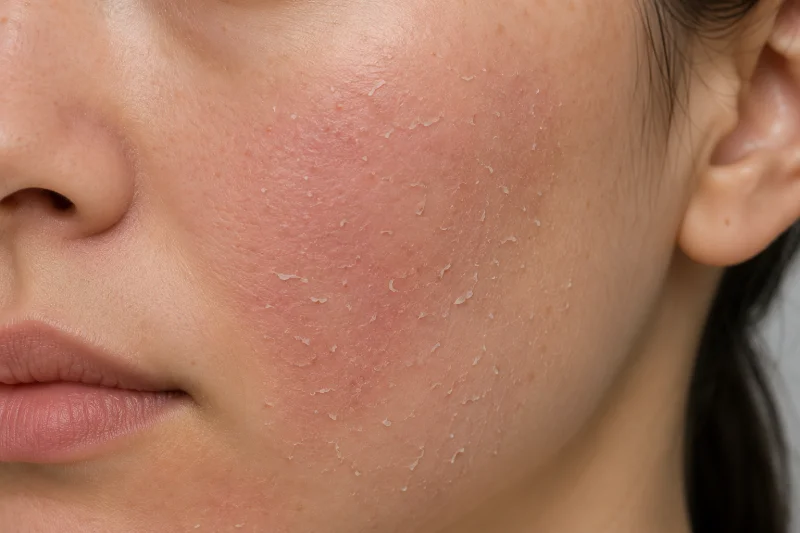
Hydroquinone can cause irritant dermatitis, a dose-dependent side effect: higher concentrations carry a greater risk. Over-the-counter products claiming to contain hydroquinone in the UK should be approached with caution, as unregulated concentrations may increase this risk. Chemical exfoliants such as glycolic acid can disrupt the skin barrier if used too frequently or at concentrations that exceed the skin's current tolerance, leading to increased sensitivity and potential rebound redness.
The general principle is that introducing actives gradually, one at a time, at appropriate concentrations, gives the skin time to adapt. Combining multiple strong actives simultaneously, a common approach among people who have researched ingredients independently, can increase the risk of irritation considerably.
Rebound and paradoxical hyperpigmentation
One of the more frustrating outcomes in hyperpigmentation management is the phenomenon of pigmentation returning, or even worsening, following treatment. This can occur with several modalities.
Arbutin, a hydroquinone derivative found in some over-the-counter products, can cause paradoxical hyperpigmentation at higher concentrations. Chemical peels, if applied too frequently or at excessive depth, can trigger a fresh inflammatory response that leads to more PIH. Laser treatments, if the parameters are not correctly calibrated or if the skin is not adequately protected afterwards, can stimulate rather than reduce melanin activity.
In practice, this reinforces the importance of working with a practitioner who understands the full risk profile of the treatment being offered and who builds in appropriate recovery time between sessions.
Laser risks in darker skin tones
Laser and light-based treatments carry specific and well-documented risks in individuals with darker skin tones. Because these devices target melanin and darker skin contains more melanin throughout the epidermis, there is a greater risk of unintended thermal damage to surrounding tissue. This can result in post-inflammatory hyperpigmentation, hypopigmentation (areas of skin becoming lighter than the surrounding tissue), or, in more severe cases, scarring.
The risk is not the same across all laser types. Q-switched Nd:YAG lasers at low fluence and fractional devices, which treat only a portion of the skin surface at a time while leaving surrounding tissue intact, are generally considered lower risk for darker skin types than high-energy, fully ablative lasers. That said, even lower-risk devices can cause complications if operated by someone without the relevant training and experience.
Skin tone assessment before any laser treatment is essential. Any practitioner offering laser treatment for pigmentation should be able to clearly explain which device they are using, why it is appropriate for the patient's skin type, and what the post-treatment protocol entails.
Hydroquinone: safety considerations
Hydroquinone is effective but not without risk on prolonged use. The most significant long-term concern is ochronosis, an irreversible blue-grey discolouration of the skin caused by the accumulation of a pigment breakdown product in dermal tissue. This complication is more commonly associated with prolonged use of high-concentration formulations and is rarely seen when hydroquinone is used at appropriate concentrations under clinical supervision for defined treatment periods.
The prescription-only status of hydroquinone in the UK reflects these concerns. It is not a product intended for indefinite use, and treatment courses are generally supervised and time-limited for this reason.
Why results vary between individuals
Variability in treatment response is one of the less-discussed realities of hyperpigmentation management. Two people with what appears to be the same type of pigmentation and using the same treatment may have meaningfully different outcomes. This reflects genuine differences in pigment depth, underlying triggers, melanocyte reactivity, skin barrier function, and consistency of sun protection.
Setting realistic expectations at the outset matters. Improvement, rather than complete clearance, is often the more honest goal, particularly for melasma and for dermal pigmentation. Treatments that show visible improvement within a defined timeframe are worth continuing. Those that produce no change after several months warrant reassessment rather than escalation.
The role of sun protection in managing risk
Inadequate sun protection is not just a barrier to treatment success; in some cases, it actively compounds the problem. UV exposure can trigger fresh melanin production in areas healing from a procedure, intensifying pigmentation that was fading. For this reason, strict photoprotection is usually a precondition of any professional pigmentation treatment, and clinicians may decline to proceed if a patient is unable or unwilling to maintain it.
Broad-spectrum SPF applied consistently, alongside physical measures such as hats and shade, reduces both the risk of treatment complications and the likelihood of recurrence once improvement has been achieved.
How To Prevent Hyperpigmentation From Returning
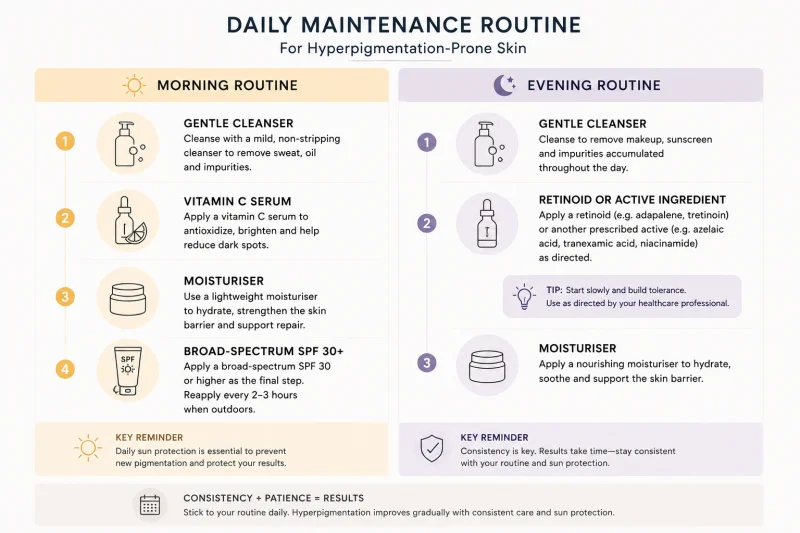
For many people, the challenge with hyperpigmentation is not simply treating what is already there, but preventing it from returning once improvement has been achieved. Recurrence is common across most types, and for conditions like melasma, it is almost expected if the underlying triggers are not managed. The good news is that the steps required to prevent recurrence are largely the same ones that support treatment in the first place. Prevention and maintenance are not separate phases so much as a continuation of the same approach.
Daily SPF: the single most important habit
If there is one consistent recommendation across all the clinical evidence on hyperpigmentation, it is this: broad-spectrum sun protection, applied every day, is non-negotiable. UV exposure stimulates melanin production directly, and without consistent SPF use, pigmentation that has faded through treatment can return within weeks.
In the UK, the grey skies of autumn and winter can give a false sense of security. UVA radiation, which penetrates cloud cover and glass, is present year-round and is the primary driver of melanin stimulation and photoageing. SPF 30 or higher applied daily to affected areas is the standard recommendation. For melasma and for post-procedure skin, many clinicians advise SPF 50 with broad-spectrum coverage including UVA, UVB, and, where possible, visible light.
Sunscreens containing iron oxide or larger-particle mineral filters such as titanium dioxide and zinc oxide offer the most complete coverage. Physical shade, hats, and avoiding peak sun hours provide additional practical protection that no topical product fully replicates.
Managing acne and inflammatory skin conditions early
For individuals prone to post-inflammatory hyperpigmentation, the most effective prevention strategy is to address the cause of inflammation before it has a chance to leave a mark. Acne is the most common culprit, and treating it with appropriate skincare or medical intervention, rather than waiting for lesions to resolve on their own, significantly reduces the risk of PIH developing.
Eczema, psoriasis, and contact dermatitis carry the same risk. Keeping flares under control, using gentle skincare that does not exacerbate inflammation, and seeking treatment for persistent inflammatory conditions are all genuinely protective measures rather than merely cosmetic ones.
Avoiding picking, squeezing, or otherwise disturbing active lesions also matters. Skin that has been mechanically traumatised tends to produce more pronounced PIH than skin left to heal. This is a simple point, but it is among the most practically impactful things a person can do to reduce post-inflammatory marking.
Gentle, consistent skincare
The skin's ability to maintain an intact barrier is closely linked to its tolerance for active ingredients and its resilience against environmental triggers. Over-exfoliation, using too many actives simultaneously, or frequently changing products disrupts this barrier, leaving the skin more reactive and prone to inflammation. In hyperpigmentation-prone skin, that reactivity translates directly into a higher risk of pigmentation.
A consistent, gentle routine that does not compromise barrier function is more protective than an aggressive one. Active ingredients, when used, should be introduced gradually at appropriate concentrations. The goal is a stable, well-functioning skin barrier that tolerates treatment rather than one that is perpetually irritated or sensitised.
Hormonal management where relevant
For women whose pigmentation is primarily hormonal, managing the underlying trigger is as important as any topical or procedural intervention. If melasma developed during contraceptive pill use and has returned or worsened despite treatment, a conversation with a GP about alternative contraception may be warranted. Similarly, women using HRT who notice new or worsening pigmentation should raise this with their prescriber, as formulation or delivery method changes may help.
Pregnancy-related melasma may improve after delivery, but it often recurs with subsequent pregnancies or hormonal medication. Understanding this pattern in advance helps to frame expectations and plan a longer-term maintenance approach rather than treating each recurrence as a new problem.
Maintenance treatments
Some people find that their pigmentation remains well controlled with a consistent daily routine of active skincare and SPF alone. Others, particularly those with melasma or recurrent PIH, benefit from periodic professional maintenance. This might involve a course of superficial peels at regular intervals, continued use of prescription topicals at a lower maintenance frequency, or occasional fractional laser sessions to address new or returning pigmentation before it becomes established.
The appropriate maintenance approach varies considerably among individuals and is best planned in consultation with a practitioner involved in the initial treatment. What does not vary is the underlying principle: maintenance requires ongoing commitment, not a single intervention and a return to previous habits.
Long-term skin health in hyperpigmentation-prone individuals is less about finding a cure and more about understanding the triggers, managing them consistently, and adjusting the approach as circumstances change.
Your Hyperpigmentation Questions
Real Questions from Real People — Answered
Straightforward answers to the questions people like you are asking right now about Hyperpigmentation.

Be the first to ask a Hyperpigmentation question.
Click here to ask your own question.
Find A Verified Clinic
Trusted Hyperpigmentation Experts, Local to You
Easily connect with qualified, verified professionals for safe, reliable treatment.

Skin Redefined Ltd
Skin Redefined is a Cheltenham-based aesthetics clinic specialising in regenerative skin treatments, anti-ageing solutions, and natural-looking results led by Nurse Prescriber Kelly Whittaker.

Dr Ed Robinson Clinics
Doctor-led medical aesthetics, skin & laser clinic in Hale, Cheshire
To find a Hyperpigmentation clinic near you, please click here.
Grow Your Practice with Hyperpigmentation
Whether you are already using Hyperpigmentation or considering adding it to your treatment menu, here is how to make the most of it.

Are you a practitioner? If you'd like to link your practice to Hyperpigmentation and become part of ConsultingRoom.com, you can register as a verified specialist using the information on our specialist registration page.
Once verified, your profile can feature Hyperpigmentation alongside the other treatments, conditions and products you support, helping patients searching ConsultingRoom.com find you directly.
Our Preferred Partner:
As more patients research hyperpigmentation online before booking a consultation, having your clinic listed against this condition on ConsultingRoom.com is becoming an increasingly valuable way to reach them. From melasma and post-inflammatory pigmentation to sun damage and age spots, patients turn to pages like this to understand their options before choosing a practitioner.
If your clinic treats hyperpigmentation, our dedicated practitioner resource explains everything you need to know, including how to get listed, showcase your expertise and connect with patients actively searching for treatment.
Find out how being listed here could help grow your clinic and connect you with patients seeking trusted, qualified care.