Now here’s where I disagree, and I say it with hesitation and trepidation, because the authors are international experts:
-1) I think that the evidence that wearing compression stockings after Microsclerotherapy makes a big difference is pretty flimsy and not very compelling.
I've read the references quoted on compression. The studies are of poor quality and involve small numbers. I remain unconvinced. The authors are eminent, but, I've tried Microsclerotherapy with compression and without and I don't see any benefit for telangiectasias.
-2) The use of foam sclerotherapy for spider veins is not licensed in the UK and I continue to advise those on my course to inject liquid sclerosant.
The authors acknowledge that no direct comparison has been made between foam and liquid for leg spider veins, so, if liquid works and its licensed and there's no evidence that foam is better, why use foam?
I suggest that if you are interested in Microsclerotherapy, then this article should be on your reading list.

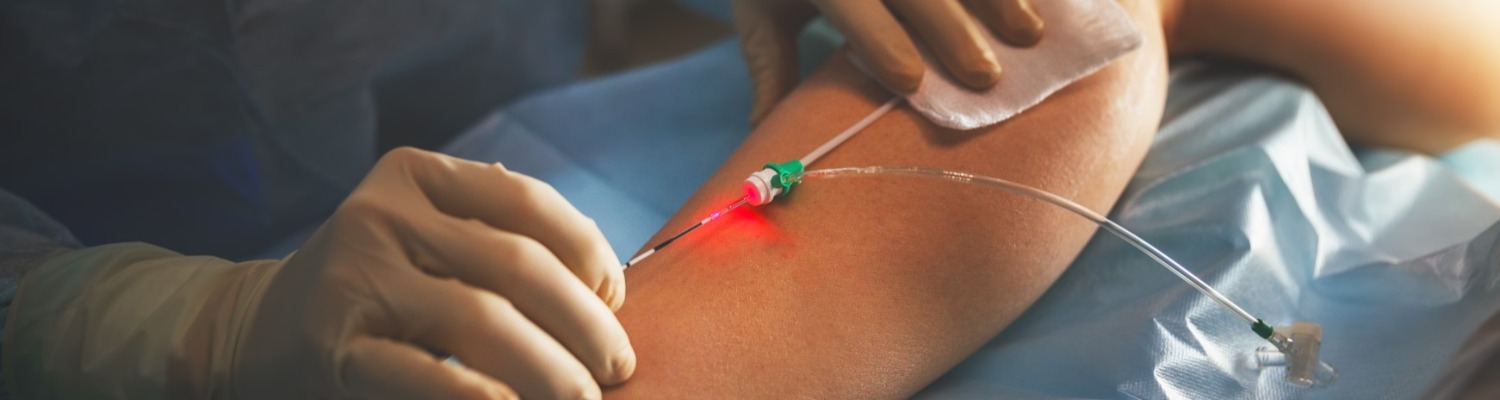
For those who are not familiar with Microsclerotherapy, let me bring you up to speed... it involves using a very fine needle (hence the micro-bit) and a prescription medicine called a sclerosant (hence the sclerotherapy -bit). The sclerosant is injected into the spider vein.
Successful injection is confirmed by the displacement of blood in the vein, resulting in a visual phenomenon called blanching.
Microsclerotherapy requires training, skill and practice, so if the injector is appropriately trained and is competent, it really doesn’t matter whether the injector is a doctor, nurse or non-medical practitioner.
In fact, my hands-on course accepts non-medical practitioners provided that the practitioner works under the supervision of a healthcare professional who prescribes the sclerosant after assessing the patient.
The important aspects of treating people with leg spider veins are as follows:
-
The patient is carefully assessed by history and examination
-
Account is taken of the indication and contra-indications
-
The patient is carefully consented
-
The practitioner is able to provide appropriate aftercare
-
The practitioner can manage anaphylaxis (a very rare complication of sclerotherapy)
-
The practitioner has access to advice and can refer for a second opinion
Regulation of Microsclerotherapy in the UK may be just around the corner….
Last year, the UK government held a consultation on the regulation of all cosmetic procedures. It has been proposed that Microsclerotherapy is an “Amber Procedure” with medium risk of complications. It also proposed in this consultation that for Microsclerotherapy,
"Aesthetic practitioners must have relevant oversight by a named regulated healthcare professional (who has gained an accredited qualification to prescribe, administer and supervise aesthetic procedures). "
In the UK, both licensed sclerosants are prescription only medicines which means only doctors and dentists can prescribe along with Nurse prescribers and other HCPs who are qualified to prescribe such as podiatrists, physios, paramedics etc.
Currently it is the prescriber who is responsible for assessing the patient and ultimately the treatment if it is done by a non-medical practitioner.
So, the question "who can perform Microsclerotherapy" is not a battle between doctors, nurses or aesthetic practitioners.
In my opinion, the controversy does not centre around who can inject but rather around “how can we ensure that people are appropriately selected, consented and treated in a safe environment with oversight by a healthcare professional.”
If you want to read more, the experts at Consulting Room really know what they're talking about and have put together some thread veins and spider veins, scarring or sclerotherapy treatment FAQs just for you.
If you have more questions, you can use the thread veins and spider veins, scarring or sclerotherapy treatment questions feature to talk to our panel of trained medical experts.
If you're keen to get started with any of these treatments right away then you're in luck - those clever folks also have a list of trusted, accredited thread veins and spider veins, scarring or sclerotherapy clinics in your area.
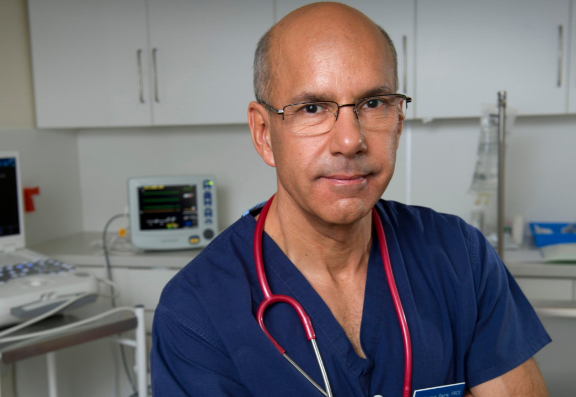
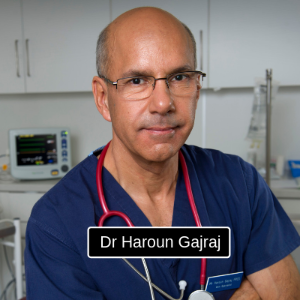
Many thanks to the author of this blog Dr Haroun Gajraj who has over 30 years’ experience of treating people with varicose veins, thread veins and other vein complications such as phlebitis, varicose eczema and varicose ulcers.
He is the only doctor based in Dorset who is in a full-time private practice treating people with vein problems.
My wife and I founded The VeinCare Centre for the treatment of venous disease and we have gathered together an award-winning team of experts.