With Microneedling now one of the UK’s fastest-growing aesthetic treatments and more than 6 million social media mentions last year alone, BABTAC beauty experts are warning that consumer awareness around safety is failing to keep pace with demand.
BABTAC (the British Association of Beauty Therapy & Cosmetology) and Dermalogica encourage consumers to shift their focus from asking “Does it hurt?” to more important questions such as “What qualifications do you hold?”
Highlighted alongside the recent parliamentary launch of The Sharp Standards Guide to Microneedling created by BABTAC and Dermalogica, designed to support professionals to provide clearer best-practice standards while the UK awaits formal regulation of non-surgical cosmetic procedures.
The T.I.M.E checklist encourages consumers to check four key areas before booking a treatment:
Lesley Blair MBE, CEO of BABTAC & CIBTAC says, “A minimum requirement should be a genuine Level 3 government-regulated qualification in beauty therapy or cosmetic practice. Ideally, practitioners should hold a qualification regulated by a recognised body such as Ofqual and awarded by an established Awarding Organisation (AO), for example CIBTAC or City & Guilds, as these qualifications are mapped to the National Occupational Standards (NOS).
The lack of standardisation within training means individuals can appear suitably qualified simply because they possess a certificate stating they are. Terminology within the sector is also unregulated, meaning certificates may describe themselves as qualifications, accredited, verified or certified, and may even include a level designation. However, without oversight from a recognised regulatory body such as Ofqual, it is impossible to determine whether the training is genuinely fit for purpose."
“Many consumers are unaware that non-surgical aesthetics treatments are still not consistently regulated across the UK. This creates an uneven playing field where responsible professionals compete against unqualified providers who can appear credible to consumers while operating without accountability”, Lesley continues.
“If done by an appropriately qualified, ethical and professional practitioner, microneedling can be a very safe and effective treatment. However, without the correct qualifications, environment and equipment, it can lead to serious health and safety risks including cross contamination, infection and adverse reactions.”
Industry leaders are also raising concerns around the growing popularity of at-home microneedling devices.
“At-home microneedling devices don’t just undermine professional standards - they can cause real harm. There should absolutely be stricter controls introduced.”
“Through our T.I.M.E campaign, we are helping educate consumers to better protect themselves and make safer, more informed choices when booking treatments.” Lesley states.


Thinking about a beauty or aesthetic treatment? Learn the warning signs experts say you should never ignore and discover how to choose a safe, qualified practitioner.
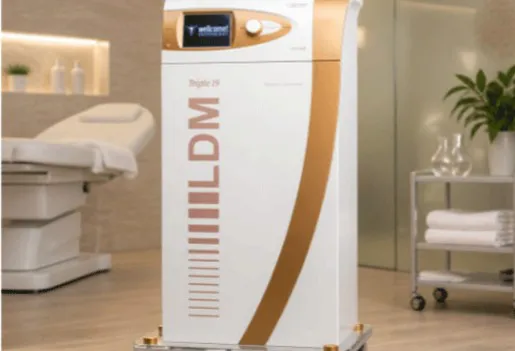
Discover how LDM® Triple may help improve the appearance of acne scarring with a gentle, non-invasive approach designed to support calmer, healthier-looking skin.

Discover how polynucleotides can improve dark circles, under-eye hollows, fine lines and tired-looking eyes. Learn benefits, results, costs, risks and whether polynucleotides are better than tear trough filler.
Hey, wait!
Before you go.....
Let's stay in touch, pop your details here and we'll send our editor's hand-picked updates on your fave subjects.