
Rosacea: What It Is and What It Isn’t
A chronic inflammatory condition, not a hygiene issue
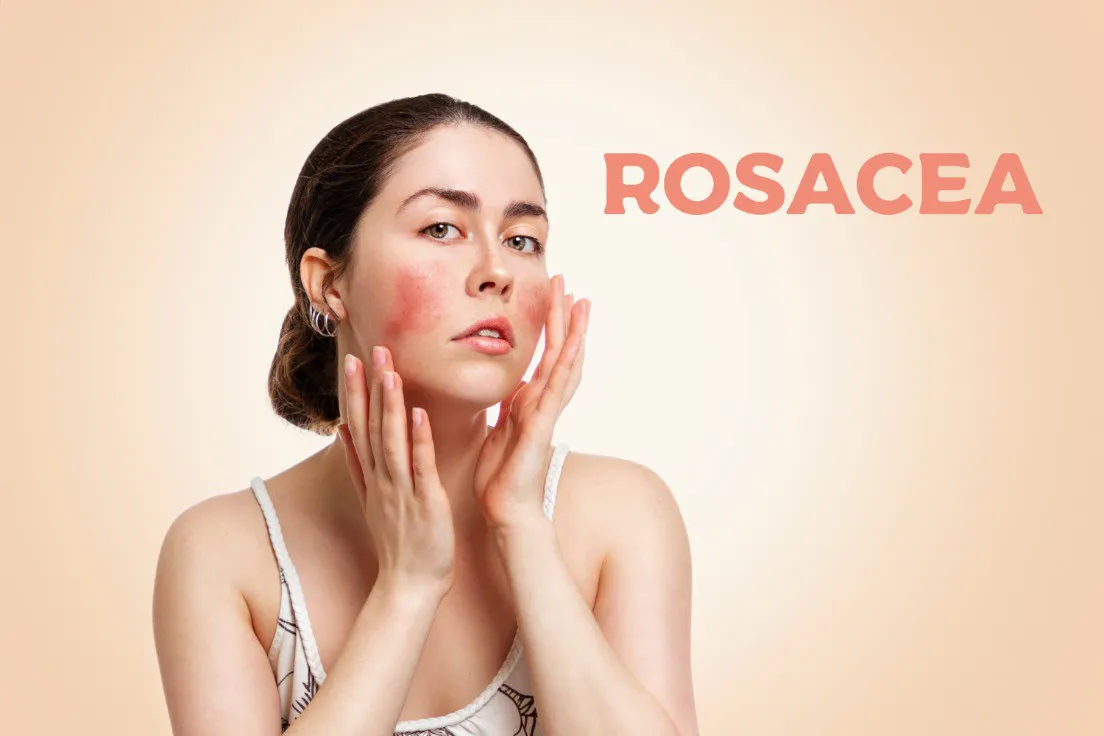
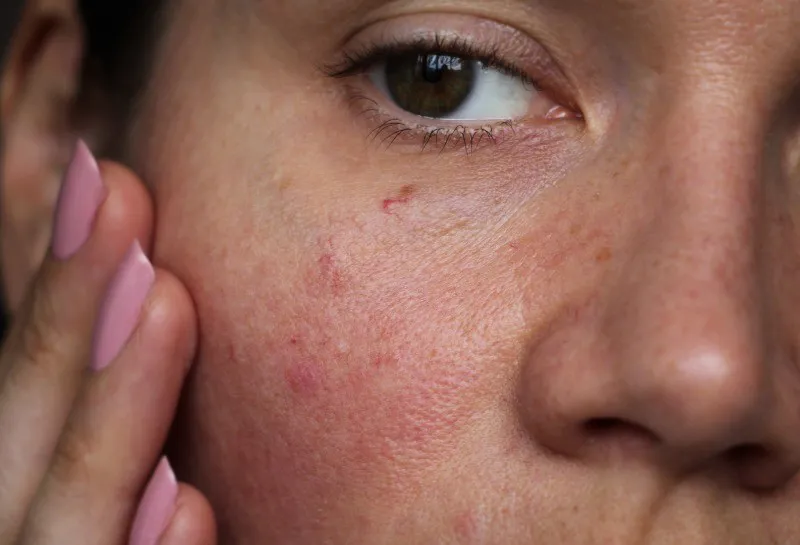
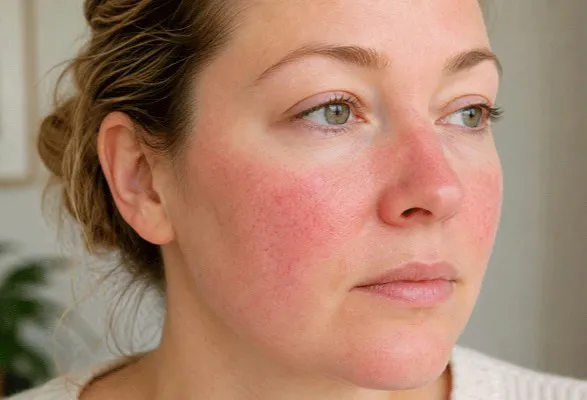
Rosacea is a long-term inflammatory skin condition, not a passing irritation or the result of poor skincare habits. It most commonly presents as persistent redness across the central face, along with visible capillaries and, in some cases, small papules or pustules that are often mistaken for acne breakouts.
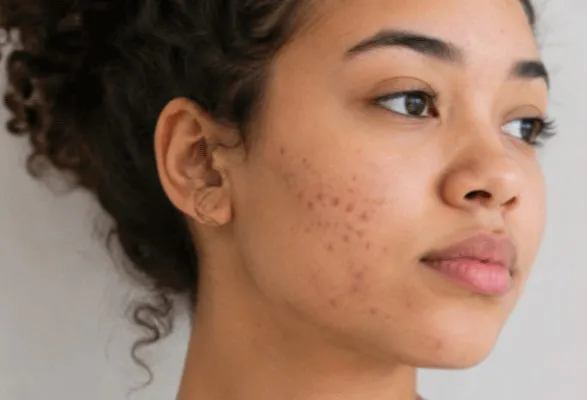
That confusion matters because common acne treatments, such as salicylic acid, benzoyl peroxide, and alcohol-heavy toners, can actively aggravate rosacea. Misidentifying the condition can therefore lead directly to treatments that make symptoms worse.
The causes are internal: a combination of genetic susceptibility, immune dysregulation, and neurogenic inflammation. Although rosacea has long been associated with alcohol consumption or neglected skincare, neither has a clinical basis. Rosacea is driven by biology, not behaviour.
Why it looks different from person to person
Rosacea presents across four clinical subtypes: erythematotelangiectatic (persistent redness and visible blood vessels), papulopustular (acne-like breakouts), phymatous (skin thickening, often around the nose), and ocular (affecting the eyes). Many people experience features of more than one subtype at the same time.
Triggers also vary significantly between individuals. While sun exposure, heat, hot drinks, spicy food, and emotional stress are among the most common, no two people with rosacea have identical trigger profiles. This variability is one of the reasons one-size-fits-all advice—whether from a friend, an online forum, or a social media algorithm—so often falls short.
One thing does remain consistent across all presentations: rosacea is a chronic condition. It can be managed effectively, but there is no permanent cure, and any practitioner or product claiming otherwise is worth approaching with scepticism.

What Treatment Is Available on the NHS — and Where It Ends
What a GP can offer
For most people, a GP is the first point of contact. Rosacea diagnosis is generally straightforward, and GPs can prescribe a range of topical treatments depending on which features are most prominent:
- Metronidazole and azelaic acid gels or creams – both help reduce inflammation and are suitable for longer-term use.
- Ivermectin cream – typically applied once daily for up to four months in papulopustular rosacea.
- Brimonidine gel – a vasoconstrictor that temporarily reduces visible redness, making it useful for specific occasions.
Where inflammation is more significant, low-dose oral antibiotics—most commonly doxycycline at sub-antimicrobial doses—are a standard part of the NHS treatment pathway. At this dose, doxycycline targets the inflammatory mechanisms involved in rosacea rather than acting as a traditional antibiotic, helping to reduce concerns about antibiotic resistance during longer-term use.
The Limits of NHS Provision
Dermatology referral is possible when initial treatment has not been effective or when the diagnosis is uncertain, but waiting times for NHS consultant appointments can stretch to several months—a significant delay when symptoms are visibly affecting daily life.
Energy-based professional treatments—including IPL, laser therapy, and devices such as LDM® Triple—sit outside NHS provision for the vast majority of people with rosacea. NHS commissioning for laser treatment is limited to a small number of areas, and more complex cases typically require Individual Funding Requests, which are far from guaranteed. As a result, professional aesthetic treatment is, for most people, a private option rather than part of the standard clinical pathway.
Professional Treatment Options: How They Compare
The main modalities available in UK private clinics
There are four treatment approaches commonly used in private aesthetic practice for rosacea in the UK. Each works differently and is suited to different aspects of the condition.
IPL (Intense Pulsed Light)
IPL delivers broad-spectrum light energy that is absorbed by haemoglobin within dilated surface vessels. The resulting heat causes the vessel walls to collapse, reducing diffuse redness and visible thread veins over a course of treatment sessions.
It is the most extensively studied professional treatment for rosacea-related erythema, and a 2024 meta-analysis confirmed that it produces slightly higher rates of significant clearance compared with pulsed dye laser. However, it does involve a heat sensation during treatment and may not be suitable for highly sensitised or reactive skin.
PDL (Pulsed Dye Laser)
Pulsed dye laser uses a specific wavelength of light targeted precisely at haemoglobin, making it particularly effective for isolated thread veins and broken capillaries rather than widespread diffuse redness.
Some patients find PDL better tolerated than IPL, although the underlying mechanism is similarly heat-based.
LED Light Therapy
Red and near-infrared LED light helps reduce inflammation without directly targeting blood vessels. While it does not address visible capillaries, it can help calm reactive skin and is well suited as a maintenance or complementary treatment.
There is no downtime and no thermal effect, making it accessible for most skin types.
LDM® Triple
LDM® Triple is mechanistically distinct from all of the approaches above. It uses ultrasound rather than light or heat, operating across multiple frequencies simultaneously to create a tissue-level therapeutic effect without any thermal component.
Its role in rosacea management—and why it may be relevant for patients whose skin does not tolerate heat-based treatments—is covered in full in the next section.
LDM® Triple: The Science and the Clinical Evidence

How multi-frequency ultrasound works
Standard ultrasound devices used in salon settings typically operate at a single frequency, primarily to support topical product absorption. LDM® Triple is a different category of device entirely. It delivers three ultrasound frequencies simultaneously—drawn from a combination of 1, 3, 10, and 19 MHz—allowing it to act across different depths of the skin at the same time, from the outer epidermal layers through to the deeper dermis.
The mechanical effects at tissue level are precise. LDM® Triple reduces the activity of enzymes involved in breaking down the skin’s structural matrix, stimulates the production of hyaluronic acid within the tissue, and helps modulate the inflammatory signalling pathways associated with rosacea flares.
Critically, it achieves this without generating heat. Skin temperature does not increase during treatment.
What The Clinical Research Shows
A peer-reviewed study published in the Journal of Clinical Medicine assessed multi-frequency ultrasound treatment in 26 participants with rosacea and acne across four weekly sessions. At the six-week follow-up, the erythema index—an objective measure of skin redness—had decreased by a statistically significant average of 39.73 points (p=0.010).
Transepidermal water loss, a marker of skin barrier function, also improved significantly (p=0.020). The majority of participants reported meaningful reductions in the burning and stinging sensations commonly associated with active rosacea. No serious adverse effects were recorded.
A 2025 two-centre retrospective clinical study further supported the tolerability and efficacy of multi-frequency ultrasound across inflammatory skin conditions, including rosacea, with consistent outcomes observed among participants.
Why the Absence of Heat Matters Clinically
IPL and laser treatments work by introducing heat into the tissue. For many people with rosacea, this approach is clinically effective—but for those with highly reactive or sensitised skin, thermal stimulation can provoke rather than resolve inflammation. The same heat that causes a blood vessel to collapse can also trigger a flare in compromised skin.
LDM® introduces no heat whatsoever. This makes it relevant in situations where thermal treatment is unsuitable or where previous heat-based treatments have been poorly tolerated. It also means it can be used during periods of active inflammation, when most energy-based devices would typically be considered inappropriate.
This is not a claim that LDM® replaces IPL or laser for all rosacea presentations. Where visible thread veins are the primary concern, vascular-targeted light treatments remain better evidenced for directly addressing those structures.
LDM® works at the level of inflammation and barrier support—a different therapeutic goal, and one that can often complement rather than compete with light-based approaches.
Is LDM® Triple the same as a standard ultrasound facial?
No. Salon ultrasound facials typically use single-frequency technology, primarily designed to support product absorption into the skin. LDM® Triple is a regulated medical-grade device with a clinically evidenced multi-frequency protocol, operating at significantly greater tissue depths and using a fundamentally different mechanism of action.
Comparing the two simply because they both use the word “ultrasound” is like comparing a domestic food processor with surgical equipment because both contain blades.
Is LDM® Triple Right for Your Rosacea?
Who Tends to Get the Most From It
LDM® Triple is not the right starting point for every rosacea presentation, but for certain patients it offers something that other approaches cannot. It is most suited to people who:
- Have highly reactive or sensitised skin that has responded poorly to previous professional treatments, particularly heat-based approaches.
- Are experiencing an active flare or period of increased inflammation, where more aggressive interventions may carry greater risk.
- Have a compromised skin barrier—a common feature of rosacea-prone skin—and need a treatment that supports regeneration rather than creating additional tissue stress.
- Are looking for an ongoing management option with no downtime and a low side-effect profile.
- Want to incorporate professional treatment into a sustained management programme rather than a one-off procedure.
Where Other Treatments May Be More Appropriate
If the primary concern is visible thread veins or broken capillaries, IPL or PDL remain the treatments with the strongest evidence base for directly targeting these structures.
LDM® can complement these approaches—used beforehand to help prepare sensitised skin or afterwards to support recovery—but it is not a direct replacement when vascular clearance is the primary goal.
Standard ultrasound contraindications apply. Active skin infections within the treatment area and certain implanted electronic devices are among the reasons treatment may not be appropriate. A qualified practitioner will assess suitability as part of the initial consultation.
Using LDM® Alongside Other Treatments
LDM® Triple integrates well within a broader rosacea management approach. It can be used alongside prescription topicals, combined with LED therapy, or incorporated into a treatment sequence with IPL or laser.
How it fits into an individual’s treatment plan depends on their skin history, current presentation, and personal goals. These decisions are best made in consultation with a qualified practitioner rather than determined independently.
What to Expect from a Course of LDM® Treatment
The treatment experience
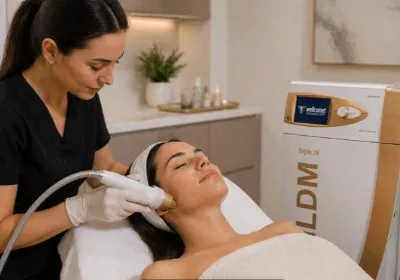
During a session, a handpiece is moved methodically across the skin’s surface. There is no heat, no light pulse, and no physical discomfort. Clinical research participants consistently report a neutral or mildly pleasant sensation.
Most sessions are completed within 20 minutes, with no recovery period or aftercare requirements that would affect a normal working day.
How results develop
Results from LDM® are cumulative. Clinical research used a protocol of four weekly sessions as the initial treatment course, reflecting standard practice in clinical settings.
Improvements in redness, barrier function, and the burning and stinging sensations associated with rosacea developed progressively throughout the treatment course, with continued improvement measured at the six-week follow-up.
In practice, people with rosacea often benefit from maintenance sessions after the initial course. The frequency depends on how the skin responds and what other management strategies are in place. Rosacea is a chronic condition, and professional treatment is most effective when used as part of a sustained management approach rather than as a finite course.
Honest expectations
LDM® Triple does not cure rosacea. It does not remove thread veins in the way vascular laser treatments can, and the improvements it produces are not permanent in a condition that is inherently ongoing.
What it can meaningfully contribute is a reduction in inflammatory activity, improved barrier function, and greater tolerance of both daily life and other treatments.
That represents a useful and realistic outcome—and it reflects the balanced approach any trustworthy practitioner should take.
Practical Considerations: Sessions, Cost, and Daily Management
Number of sessions and ongoing maintenance
The initial treatment protocol used in clinical research—and applied in clinical practice—is four sessions, typically delivered weekly. This allows the anti-inflammatory and barrier-supporting effects to build progressively, which a single session cannot achieve.
After the initial course, maintenance appointments are usually recommended. The interval between sessions depends on the individual’s skin response, the severity of their rosacea, and the other elements of their management plan. As with all professional treatments for chronic skin conditions, it is worth discussing maintenance expectations from the outset.
Cost
Pricing for LDM® Triple varies between clinics and reflects factors such as location, practitioner experience, and clinic infrastructure. The best approach is to confirm pricing directly with the clinic providing the treatment.
For context, a single IPL session for rosacea in the UK typically ranges from £250 to £425, with multi-session packages starting from around £875.
A direct cost comparison between LDM® and IPL is not straightforward because they target different aspects of the condition. In some cases, both may be used together as part of a combined approach, which has practical and financial considerations worth discussing during consultation.
Managing rosacea between sessions
Professional treatment delivers the best outcomes when supported by consistent daily habits. For rosacea-prone skin, what happens at home matters just as much as what happens in the clinic.
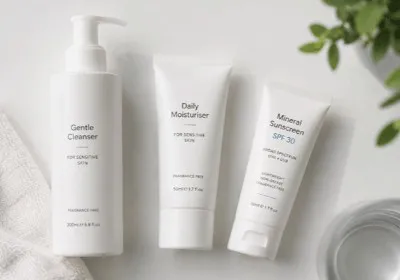
The foundation of a rosacea-compatible skincare routine is intentional simplicity: a fragrance-free, gentle cleanser, a non-reactive moisturiser, and a daily broad-spectrum SPF. Mineral formulations containing zinc oxide or titanium dioxide are often better tolerated by sensitised skin than chemical alternatives.
Sun exposure is one of the most consistently reported rosacea triggers, making SPF an essential part of daily care. It should be applied year-round, regardless of cloud cover or season.
Identifying personal triggers through observation over time—tracking when flares occur and what preceded them—is one of the most practical steps someone with rosacea can take independently. Patterns are unlikely to emerge from a single incident, but a simple written record over several weeks can reveal useful insights.
Hyaluronic acid, when included in well-formulated topical products, can support barrier repair and has demonstrated anti-inflammatory effects in rosacea-prone skin. This makes it one of the more useful ingredients to consider incorporating into a daily routine. For sensitised skin, product choices are best discussed with a practitioner familiar with your skin rather than selected based solely on ingredient lists.
Finding the Right Clinic and Next Steps
If LDM® Triple sounds relevant to your situation, the right next step is a consultation with a qualified practitioner—not to be presented with a treatment plan before your skin has been properly assessed, but to have an honest discussion about whether LDM®, another approach, or a combination treatment plan is genuinely appropriate for you.
LDM® Triple is available through trained partner clinics across the UK. Practitioners using the device have received specific clinical training in its application and protocols, which is important for both safety and treatment outcomes. Use the clinic finder to locate your nearest provider and arrange an initial consultation.
Rosacea is not a condition that resolves without ongoing attention. However, with the right professional support and a consistent daily approach, meaningful improvement is achievable—and for many people, this can mean a significant reduction in both the visible signs and daily discomfort associated with the condition.