
The majority of people will have heard of microdermabrasion as it has been around since 1985 compared with HydraFacial which was invented in 1997, but many consumers often think that these two technologies work in the same way and deliver the same results. I wanted to break down the main differences and similarities between these treatments so you can understand exactly how they compare and make a more informed decision about which treatment is right for you.
HydraFacial
How does it work?
HydraFacial is a multi-step platform system typically consisting of 6 steps. There is an option to just do the core 4 step (known as the Express HydraFacial) but I’ll focus on the 6 step treatment to keep things simple.
The 6 steps consists of;
Lymphatic drainage - Uses a suction pump to speed up the lymphatic system, designed to reduce puffiness around the face & eyes
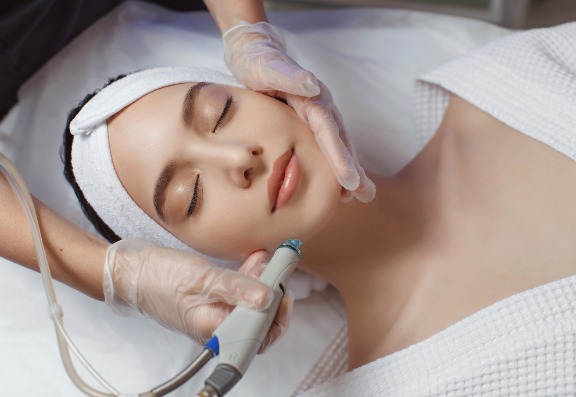
Deep cleanse & exfoliation - Uses a vacuum system, patented vortex fusion tip and specific ingredients to essentially jet wash the skin exfoliating away dead skin cells while simultaneously delivery exfoliating ingredients to achieve a physical and chemical based exfoliation
Glycolic peel - Glycolic acid & salicylic acid blend to brighten the skin and soften pores ready for the extraction stage
Extractions - Purges salicylic acid and honey extract into the pores, forcing out any blackheads and congestion making for effortless and painless extractions
Hydration infusion - Antioxidants, Hyaluronic acid and Peptides are delivered into the skin using the same vortex fusion technology to ensure optimum penetration of these key nutrients, leaving the skin glowing and deeply hydrated
LED Light therapy - Red & Blue LED lights can be used. Red light stimulates collagen and aids skin healing while Blue light helps to kill acne producing bacteria
How many treatments do you need?
A monthly treatment is recommended for the optimum skin health, to keep skin cycles renewing regularly and deeply rehydrate and nourish skin. Most people are seeing long term benefits with the treatment after 3-6 monthly sessions.
Treatment benefits?
Regular exfoliation ensures healthy cell turnover and a strong barrier function. By delivering antioxidants, hydration and peptides directly into the skin it is kept plumped and nourished, the overall skin health is greatly improved. Due to this any other treatments performed alongside HydraFacial, such as microneedling or radiofrequency, will work in a much more effective way. If the skin is in a healthier state it is in a better position to heal and repair itself. It is suitable to be performed on all skin colours, skin types and ages, although most clinics will not treat clients under the age of 18 without parental consent.
Does the treatment hurt and is there downtime?
There is no pain associated with the treatment, just some mild tingling and stinging when the acids are applied to the skin but this is extremely normal. Downtime is minimal, some redness following the treatment is normal and usually goes down within 20 minutes, for the week following the treatment some mild skin flaking and breakouts can occur known as ‘purging’ but this usually only happens after your first couple of treatments. It is not recommended to have your very first HydraFacial just before a big event for this reason, instead have a minimum of 2 treatments, 1 month apart prior to an event to see how your skin responds.
Conditions that HydraFacial treats?
Rosacea
Acne
Surface pigmentation
Uneven skin tone
Uneven skin texture
Weakened skin barrier function
Dry skin
Dehydrated skin
Dull skin
Fine lines & wrinkles
Sun damage
General brightening and skin rejuvenation
Blackheads
Congestion
Conditions that aren’t suitable for treatment with HydraFacial?
Pregnant women
Extremely thinned skins
People who have been on roaccutane in the last 12 months
Average treatment time and cost?
30-60 minute treatment
Prices range from £90-£250 depending on location and length of treatment
Key points to take away about the treatment
HydraFacial is quickly growing to be one of the most popular skin treatments in the world, I think mainly because it has such high client satisfaction. All skin types, colours and ages will benefit from being healthier and more hydrated. It also gives real comparable results and can be tailored to effectively treat many skin conditions such as acne, rosacea and dehydrated skins. Due to the overall nature of improving skin health it ensures optimum benefit from other treatments and skincare used alongside it and can even be combined with other modalities in one sitting such as radio frequency. There is no pain and minimal downtime so you can have the treatment done and get on with your day.
*KEY POINT - HydraFacial is a brand name, not a technology. There are many copycat machines in the market that claim to be HydraFacial then they are not. Be sure to go to https://hydrafacial.co.uk/find-a-provider/ to ensure you are having a genuine HydraFacial treatment as if a clinic is not on this website they do not have the real machine.
Microdermabrasion
How does it work?
Microdermabrasion works by using very fine micro crystals and a vacuum system to shoot the crystals onto the skin at a high pressure to exfoliate the skin.
How many treatments do you need?
A monthly treatment is recommended for the optimum skin health, to keep skin cycles renewing regularly.
Treatment benefits?
Regular professional exfoliation is very beneficial to the skin to ensure the regular turnover of skin cycles, encouraging the dead skin to be removed and replaced by the freshest, healthiest, newest skin. It is suitable to be performed on all skin colours and most skin types. Most people are seeing long term benefits from the treatment after 6-12 monthly sessions.
Does the treatment hurt and is there downtime?
A tingling and slightly raw sensation can be experienced depending on the intensity and number of passes performed, some redness is apparent after the treatment which usually goes down within about an hour following the treatment. There is no severe pain or long term downtime with the treatment, some people may experience some mild purging in the week following having the treatment.
Conditions that microdermabrasion treats?
Dull skin
Dry skin
Fine lines & wrinkles
Uneven skin texture
Surface pigmentation
General brightening and skin rejuvenation
Conditions that aren’t suitable for treatment with microdermabrasion?
Rosacea
People with severe broken veins
Very delicate/thin skin
Active acne
Pregnant women
People who have been on roaccutane in the last 12 months
Average treatment time and cost?
30-45 minute treatment
Costs range from £50-£150 depending on location
Key points to take away about the treatment
Microdermabrasion is a good treatment to help regulate regular exfoliation of the skin and even the skin tone. There is minimal to no downtime associated with the treatment which is another benefit, however it is not necessarily a corrective treatment, meaning it won’t help control skin conditions such as active acne or rosacea. There is also nothing that can be done to tailor the treatment or make it skin specific other than adding topical masks etc. The main downside that I see is that the technology hasn’t changed much since it’s first inception and technology has come a long way since it was first made. Be sure to go to a reputable clinic and research machines to make sure you’re having a high quality treatment for the best results.
HydraFacial treatment benefits?
Regular exfoliation ensures healthy cell turnover and a strong barrier function. By delivering antioxidants, hydration, and peptides directly into the skin it is kept plumped and nourished, and the overall skin health is greatly improved.
Due to this any other treatments performed alongside HydraFacial, such as micro-needling or radiofrequency, will work in a much more effective way.
If the skin is in a healthier state it is in a better position to heal and repair itself. It is suitable to be performed on all skin colours, skin types, and ages, although most clinics will not treat clients under the age of 18 without parental consent.
Does the HydraFacial treatment hurt and is there downtime?
There is no pain associated with the treatment, just some mild tingling and stinging when the acids are applied to the skin but this is extremely normal.
Downtime is minimal, and some redness following the treatment is normal and usually goes down within 20 minutes, for the week following the treatment some mild skin flaking and breakouts can occur known as ‘purging’ but this usually only happens after your first couple of treatments.
It is not recommended to have your very first HydraFacial just before a big event, for this reason, instead have a minimum of 2 treatments, 1 month apart prior to an event to see how your skin responds.
Conditions that HydraFacial treats?
- Rosacea
- Acne
- Surface pigmentation
- Uneven skin tone
- Uneven skin texture
- Weakened skin barrier function
- Dry skin
- Dehydrated skin
- Dull skin
- Fine lines & wrinkles
- Sun damage
- General brightening and skin rejuvenation
- Blackheads
- Congestion
Conditions that aren’t suitable for treatment with HydraFacial?
- Pregnant women
- Extremely thinned skins
- People who have been on Roaccutane in the last 12 months
Average HydraFacial treatment time and cost?
30-60 minute treatment
Prices range from £90-£250 depending on location and length of treatment
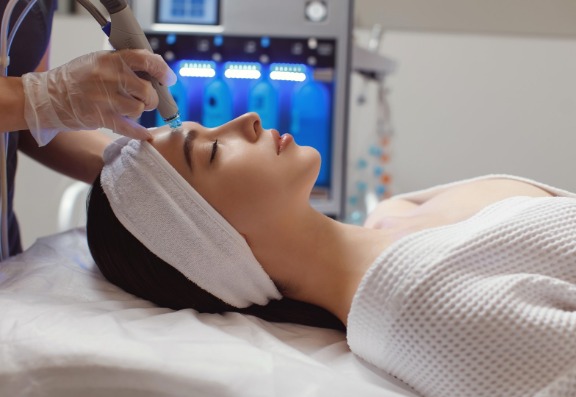
Key points to take away about HydraFacial treatment
HydraFacial is quickly growing to be one of the most popular skin treatments in the world, I think mainly because it has such high client satisfaction. All skin types, colours, and ages will benefit from being healthier and more hydrated. It also gives real comparable results and can be tailored to effectively treat many skin conditions such as acne, rosacea and dehydrated skin.
Due to the overall nature of improving skin health, it ensures optimum benefit from other treatments and skincare used alongside it and can even be combined with other modalities in one sitting such as radio frequency.
There is no pain and minimal downtime so you can have the treatment done and get on with your day.
*KEY POINT - HydraFacial is a brand name, not a technology. There are many copycat machines in the market that claim to be HydraFacial then they are not. However, you can rest assured that any clinic claiming to use a HydraFacial machine on ConsultingRoom.com has been checked to ensure you are having a genuine HydraFacial treatment.

Microdermabrasion
How does microdermabrasion work?
Microdermabrasion works by using very fine microcrystals and a vacuum system to shoot the crystals onto the skin at a high pressure to exfoliate the skin.
How many microdermabrasion treatments do you need?
A monthly treatment is recommended for optimum skin health, and to keep skin cycles renewing regularly.
Microdermabrasion treatment benefits?
Regular professional exfoliation is very beneficial to the skin to ensure the regular turnover of skin cycles, encouraging the dead skin to be removed and replaced by the freshest, healthiest, newest skin. It is suitable to be performed on all skin colours and most skin types. Most people are seeing long-term benefits from the treatment after 6-12 monthly sessions.
Does microdermabrasion treatment hurt and is there downtime?
A tingling and slightly raw sensation can be experienced depending on the intensity and number of passes performed, some redness is apparent after the treatment which usually goes down within about an hour following the treatment. There is no severe pain or long-term downtime with the treatment, some people may experience some mild purging in the week following having the treatment.
Conditions that microdermabrasion treats?
- Dull skin
- Dry skin
- Fine lines & wrinkles
- Uneven skin texture
- Surface pigmentation
- General brightening and skin rejuvenation
Conditions that aren’t suitable for treatment with microdermabrasion?
- Rosacea
- People with severe broken veins
- Very delicate/thin skin
- Active acne
- Pregnant women
- People who have been on roaccutane in the last 12 months
Average microdermabrasion treatment time and cost?
- 30-45 minute treatment
- Costs range from £50-£150 depending on location.
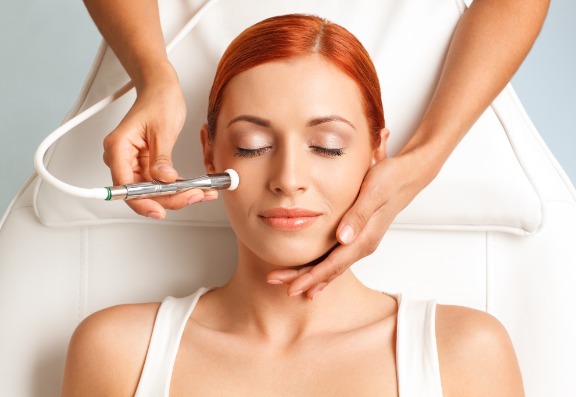
Key points to take away about microdermabrasion treatment
Microdermabrasion is a good treatment to help regulate regular exfoliation of the skin and even the skin tone. There is minimal to no downtime associated with the treatment which is another benefit, however, it is not necessarily a corrective treatment, meaning it won’t help control skin conditions such as active acne or rosacea.
There is also nothing that can be done to tailor the treatment or make it skin-specific other than adding topical masks etc. The main downside that I see is that technology hasn’t changed much since it’s first inception and technology has come a long way since it was first made.
Be sure to go to a reputable clinic and research machines to make sure you’re having a high-quality treatment for the best results.
If you want to read more, the experts at Consulting Room really know what they're talking about and have put together some microdermabrasion, HydraFacial, chemical peels, LED light therapy medical skin needling, radiofrequency, rosacea, acne, pigmentation, fine lines & wrinkles, and thread and spider vein treatment FAQs just for you.
If you have more questions, you can use the microdermabrasion, HydraFacial, chemical peels, LED light therapy Medical skin needling, radiofrequency, rosacea, acne, pigmentation, fine lines & wrinkles, and thread and spider vein treatment questions feature to talk to our panel of trained medical experts.
If you're keen to get started with acne treatment right away then you're in luck - those clever folks also have a list of trusted, accredited microdermabrasion, HydraFacial, chemical peels, LED light therapy, Medical skin needling, radiofrequency, rosacea, acne, pigmentation, fine lines & wrinkles, and thread and spider vein treatment clinics in your area.
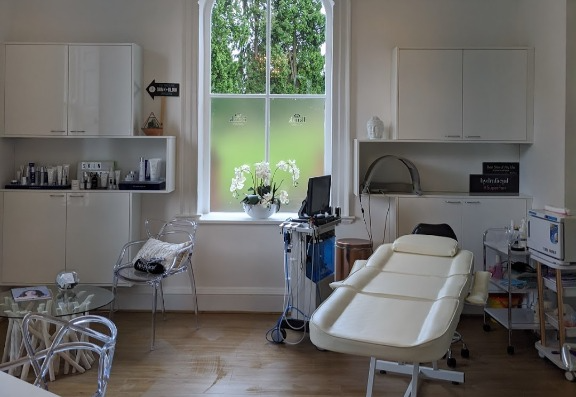
Thanks to Zoe, the acne skin expert from Authentic Aesthetics in Kenilworth.
Zoe was a UK trainer for the HydraFacial company so she knows what she's talking about!
Her mission is to not only perform treatments but also educate her clients about how their skin works so that they can have complete faith in why she has chosen that treatment for them and how it will give them the best skin of their life!