

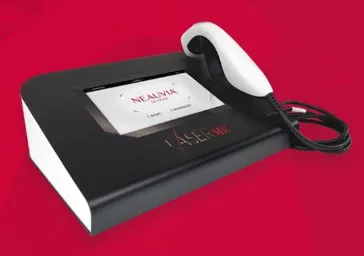
Laser skin treatments have become considerably more accessible over the past decade, and with that has come a much wider range of options, terminology, and clinical claims to navigate. For anyone researching treatments for concerns such as acne scarring, pigmentation, uneven texture, or early signs of ageing, it can be difficult to know where to start or how to compare what is on offer.
LaserMe is a non-ablative fractional diode laser treatment used in medical aesthetics clinics across the UK. It sits within a category of treatments designed to stimulate the skin's natural regenerative processes rather than removing tissue at the surface, which places it in a meaningfully different position to more intensive ablative procedures. Understanding that distinction, and what it means in practical terms, is one of the more useful starting points for anyone considering this kind of treatment.
This guide covers the technology behind LaserMe, the skin concerns it addresses, how it compares to alternative treatments, what the treatment process involves, and what recovery and results typically look like. It also covers cost considerations, suitability factors, and what to look for when choosing a practitioner. The aim throughout is an accurate, measured explanation rather than advocacy for any particular approach.
With that context in place, it helps to start with a clear explanation of what LaserMe actually is and how the technology works.
Your LaserMe Questions
Real Questions from Real People - Answered
Straightforward answers to the questions people like you are asking right now about LaserMe.

Be the first to ask a LaserMe question.
Click here to ask your own question.
Find A Verified Clinic
Trusted LaserMe Experts, Local to You
Easily connect with qualified, verified professionals for safe, reliable treatment.


Beauttitude Medical Clinic
Doctor-led aesthetic clinic in Sale, Manchester, specialising in regenerative skin treatments, natural results and personalised care to help you look and feel your best.

To find a LaserMe clinic near you, please click here.
What Is Laserme?
LaserMe is a non-ablative fractional diode laser designed for skin resurfacing and regeneration.
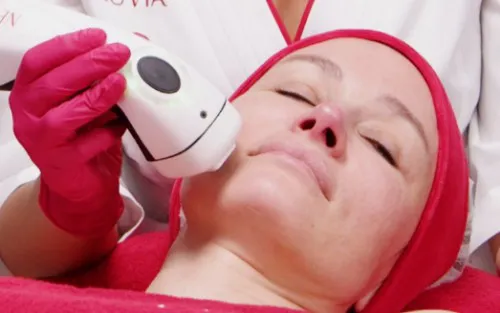
Unlike more aggressive laser treatments that remove the outer layer of skin entirely, LaserMe works beneath the surface, stimulating the skin's natural repair processes while leaving the epidermis intact.
The Technology Behind LaserMe
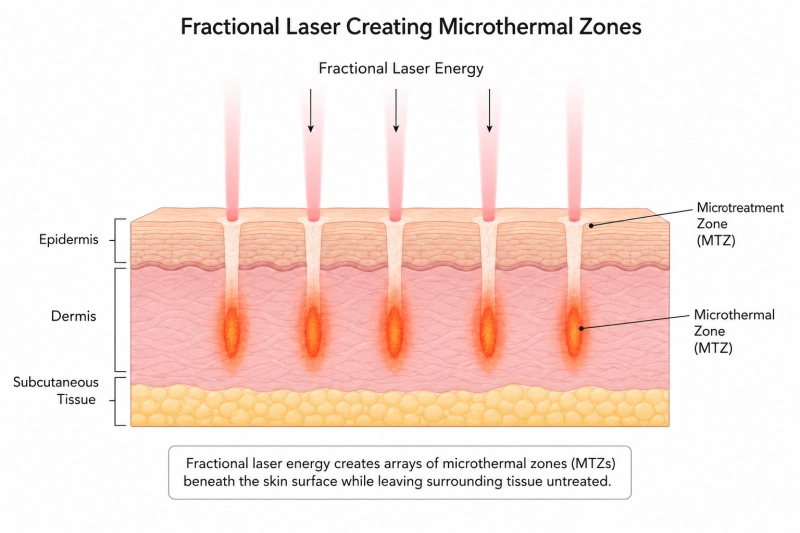
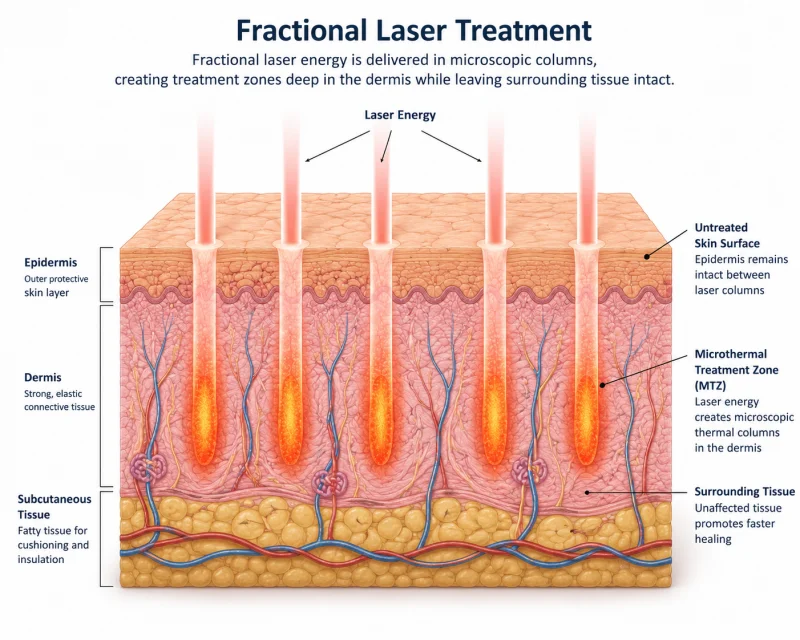
LaserMe operates at a wavelength of 1470nm, which targets water within the skin tissue. This creates precise microscopic columns of controlled thermal energy known as microthermal zones (MTZs). The surrounding tissue remains unaffected, which is what allows the skin to heal relatively quickly and why downtime is generally lower than with ablative alternatives.
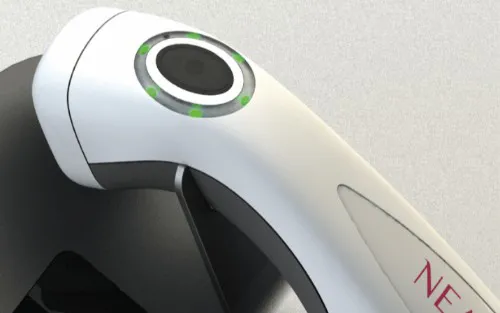
The device uses a smart handpiece that combines both the laser source and scanner in a single compact unit. It is FDA-cleared and designed to deliver consistent fluence and spacing throughout treatment, without automatic adjustments that can reduce precision in comparable devices.
What Areas Can LaserMe Treat?
LaserMe is most commonly used on the face and neck, and is also suitable for the décolletage. It can be applied to other body areas including the back, arms, legs, and abdomen, depending on the skin concern being addressed.
What Skin Concerns Does It Target?
LaserMe is used to address a range of concerns, including:
- Fine lines and early signs of skin ageing
- Uneven skin texture and enlarged pores
- Acne scars and surgical scars
- Pigmentation, including post-inflammatory hyperpigmentation (PIH) and melasma maintenance
- Skin laxity and general dullness
- Stretch marks and crepey skin
Resurfacing Versus Ablative Lasers
The distinction between non-ablative and ablative lasers is worth understanding before comparing treatments. Ablative lasers, such as CO2 or Er:YAG, remove the surface layer of skin to achieve resurfacing. Results can be significant, but downtime is typically longer and the risk profile is higher. Non-ablative treatments like LaserMe work by stimulating change from within, preserving the skin's outer barrier throughout the process. The trade-off is that improvement is more gradual, often building progressively over a course of sessions rather than following a single treatment.
LaserMe focuses on regeneration through stimulation rather than resurfacing through tissue removal, which makes it a considered option for those who want meaningful improvement with a lower-downtime profile.
How Does Laserme Work?
LaserMe works by delivering controlled thermal energy into the deeper layers of the skin, triggering the body's natural healing and regeneration response.
The process is precise, targeted, and designed to produce progressive improvement without disrupting the skin's surface.
Fractional Laser Energy Explained
The term "fractional" refers to the way the laser energy is delivered. Rather than treating the entire skin surface at once, LaserMe targets a fraction of the tissue at a time, creating thousands of microscopic thermal columns (MTZs) spaced evenly across the treatment area. The skin between these zones remains intact, thereby accelerating healing and reducing the risk of side effects compared with full-surface treatments.
Each MTZ extends into the superficial dermis, creating a controlled zone of thermal coagulation. The depth and density of these zones can be adjusted depending on the skin concern being treated and the individual's skin type.
Collagen Remodelling and Skin Renewal
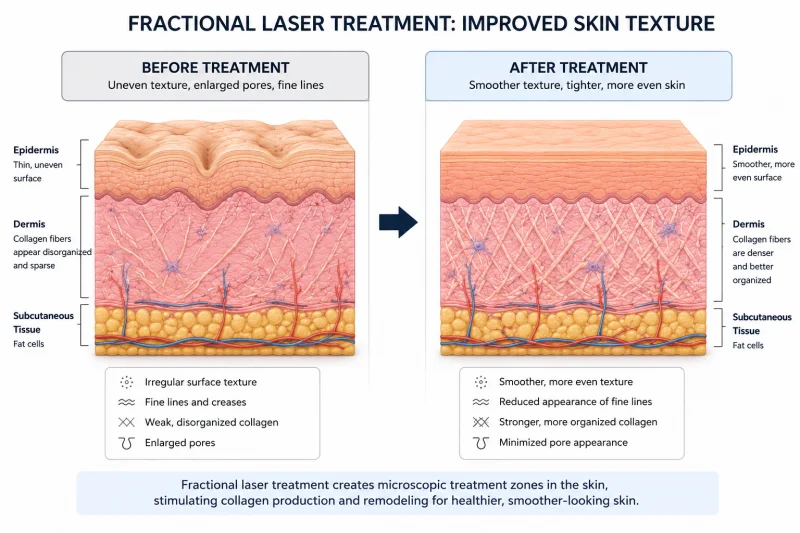
The controlled thermal injury caused by each MTZ prompts the skin to begin repair. Fibroblast activity increases, stimulating the production of new collagen and elastin. Over time, this leads to improvements in skin texture, tone, firmness, and overall quality.
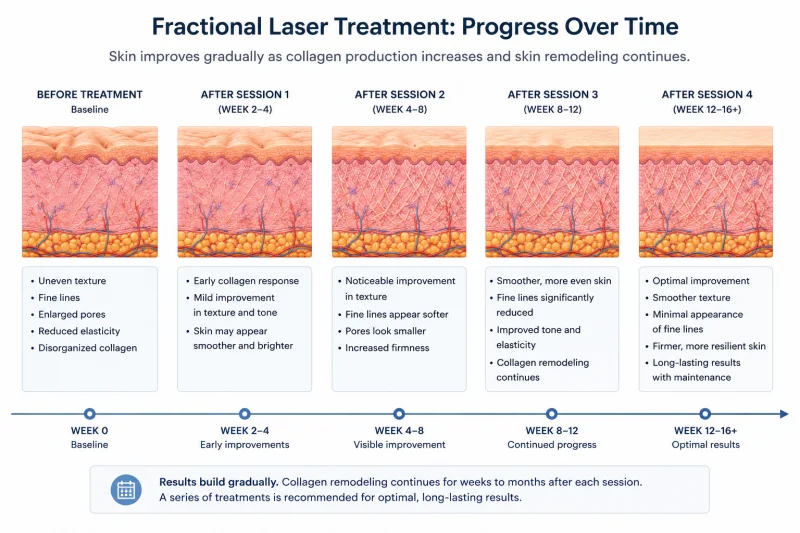
This remodelling process does not happen overnight. In practice, most people begin to notice changes after the first few weeks, with more visible improvements developing over the following months as collagen production continues. Results tend to build gradually across a recommended course of treatments.
How LaserMe Helps with Pigmentation
For those seeking treatment for pigmentation concerns, LaserMe works through a slightly different mechanism. The 1470nm wavelength targets water within the skin, creating MTZs that stimulate the skin's regenerative healing response. This process can help pigmentation in several ways:
- Increasing epidermal turnover, so pigmented keratinocytes are shed more efficiently
- Promoting dermal remodelling, which helps disperse excess melanin gradually
- Reducing inflammation within the skin, which is particularly relevant for conditions such as melasma and post-inflammatory hyperpigmentation (PIH)
- Improving overall skin quality, which can make uneven tone less pronounced over time
That said, pigmentation is a complex concern, and results can vary depending on the type, depth, and underlying cause of the discolouration. A thorough consultation is important before proceeding.
Why Multiple Sessions Are Usually Recommended
A single LaserMe session initiates the regeneration process, but the cumulative effect of a course of treatments tends to produce more sustained and noticeable results. The number of sessions recommended will depend on the concern being treated, the individual's skin type, and how the skin responds after each appointment. Most treatment plans are discussed and agreed during an initial consultation.
What Skin Concerns Can Laserme Treat?
LaserMe is a versatile treatment with a broad range of clinical indications. Understanding which concerns it is best suited to, and what level of improvement is realistic, helps set appropriate expectations before beginning a course of treatment.
Acne Scars and Uneven Texture
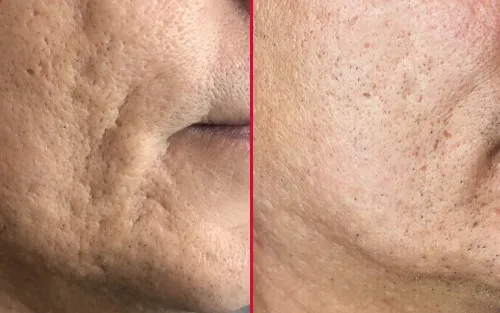
Acne scarring is one of the most common reasons people seek fractional laser treatment. LaserMe can be effective for rolling and shallow boxcar scars, where controlled thermal stimulation encourages dermal remodelling and the gradual softening of scar tissue. Deeper or more severe scarring may require a combination approach, and results vary depending on scar type, depth, and skin tone. Improvement is progressive rather than immediate, and multiple sessions are typically needed.
Fine Lines and Early Skin Ageing
By stimulating collagen and elastin production within the dermis, LaserMe can help reduce the appearance of fine lines and improve overall skin firmness. It is generally better suited to early or moderate signs of ageing rather than deep-set wrinkles, where more intensive treatments may be more appropriate.
Enlarged Pores
Fractional laser treatment can contribute to a refinement of pore appearance over time, largely due to improved skin texture and increased collagen density in the surrounding tissue. Results in this area tend to be subtle and are best considered as part of a broader improvement in skin quality rather than a standalone outcome.
Pigmentation and Sun Damage
LaserMe can be used to address diffuse pigmentation, sun damage, post-inflammatory hyperpigmentation (PIH), and melasma maintenance. It supports more efficient shedding of pigmented surface cells, promotes gradual dispersal of excess melanin, and helps reduce the low-level inflammation that can drive conditions like melasma and PIH.
It is worth noting that melasma in particular is a complex, hormonally influenced condition that requires careful management. LaserMe can support improvement, but is typically used as part of a wider treatment and skincare plan rather than as a sole intervention.
Skin Laxity and Dullness
For those noticing early laxity or a general loss of radiance, LaserMe's collagen-stimulating effect can contribute to gradual improvements in skin firmness and luminosity. These outcomes develop over time and are generally more suitable for mild-to-moderate concerns.
Stretch Marks and Crepey Skin
LaserMe is also used to address body concerns, including stretch marks and crepey skin texture on the arms, abdomen, and legs. As with facial treatments, improvement is incremental, and a course of sessions is usually required.
Realistic Expectations by Concern
Results from LaserMe vary among individuals and depend on factors such as skin type, concern severity, lifestyle, and adherence to aftercare. No aesthetic treatment can guarantee specific outcomes, and a qualified practitioner can provide a more accurate indication of what is achievable during a consultation.
Who Is Laserme Suitable For?
LaserMe is designed to be well-tolerated across a broad range of skin types and ages, but suitability depends on a number of individual factors.
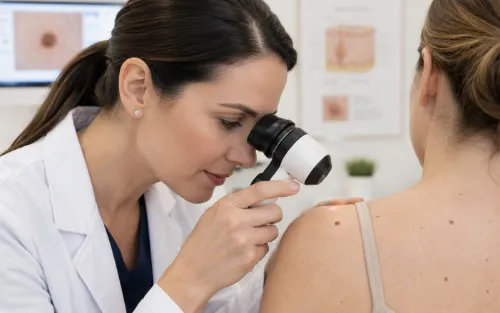
A consultation with a qualified practitioner is the appropriate way to determine whether it is the right treatment for a specific concern.
Suitable Age Groups and Skin Concerns
LaserMe is generally appropriate for adults experiencing early-to-moderate signs of ageing, pigmentation concerns, scarring, or uneven skin texture. It is used by a wide age range, from younger adults seeking treatment for acne scarring or PIH, through to those in their 40s and 50s looking to address texture changes and skin quality more broadly.
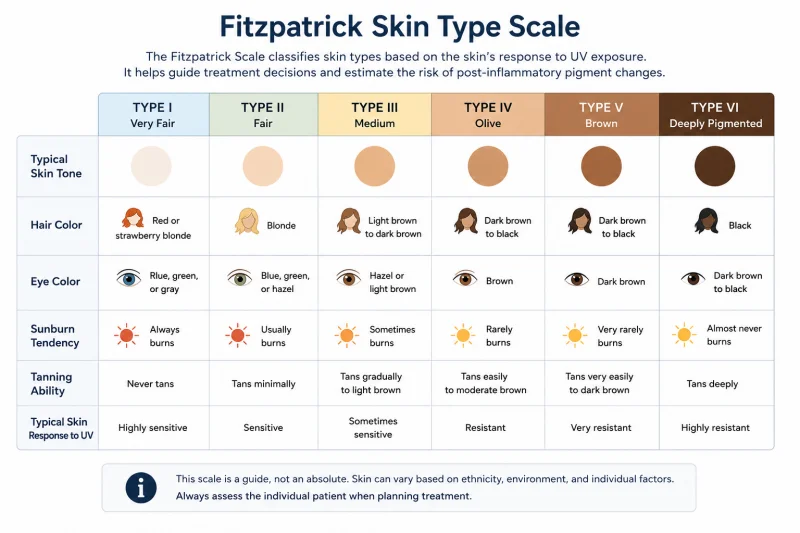
Fitzpatrick Skin Types and Darker Skin Considerations
One of the advantages of LaserMe's non-ablative approach is its tolerability across different skin tones. Because the epidermis remains intact during treatment, the risk of post-inflammatory pigmentation changes is generally lower than with ablative alternatives.
That said, those with darker skin tones (Fitzpatrick types IV to VI) should ensure their practitioner has specific experience treating their skin type. Laser parameters may need to be adjusted, and a patch test prior to a full treatment course is particularly important. Pigmentation concerns in darker skin can be more nuanced to treat and require careful clinical judgement.
People Seeking Lower Downtime Options
LaserMe is often a considered choice for those who want a clinically meaningful treatment without the extended recovery associated with more aggressive resurfacing procedures. In practice, this includes professionals and others with busy schedules who cannot accommodate significant downtime. That said, some redness and sensitivity following treatment is normal and should be factored into timing decisions.
Suitability for Sensitive Skin
Because LaserMe works beneath the skin's surface and leaves the outer barrier intact, it can be appropriate for those with sensitivity concerns. However, active inflammatory conditions such as rosacea or eczema may affect suitability, and any existing skin conditions should be disclosed during consultation.
When Treatment May Not Be Appropriate
LaserMe may not be suitable in certain circumstances, including:
- Active skin infections or open lesions in the treatment area
- Recent use of isotretinoin (typically within the past six to twelve months)
- Certain autoimmune or photosensitive conditions
- Pregnancy or breastfeeding
- Unrealistic expectations about the degree of improvement achievable
This is not an exhaustive list. A thorough medical history review during consultation will identify any contraindications specific to the individual.
The Importance of Consultation and Patch Testing
A consultation is not simply a formality. It is the point at which a practitioner assesses skin type, reviews medical history, discusses realistic outcomes, and determines the most appropriate treatment parameters. For those with darker skin tones or a history of pigmentation concerns, patch testing before a full course is a reasonable and often recommended precaution.
Laserme For Acne Scars
Acne scarring is one of the more common reasons people seek out fractional laser treatment, and it is an area where LaserMe has a clearly defined clinical role.
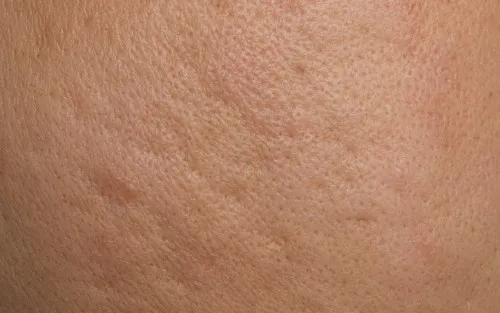
Understanding the types of scarring involved and what level of improvement is realistic helps avoid disappointment and supports better treatment planning.
Types of Acne Scars Commonly Treated
Not all acne scars respond in the same way to laser treatment. LaserMe is generally best suited to:
- Rolling scars, which have a wave-like, undulating appearance caused by fibrous bands tethering the skin
- Shallow boxcar scars, which have defined edges and a flat base
- General textural irregularity left behind after acne has resolved
Ice pick scars, which are narrow and deep, and more severe boxcar scars with steep walls, tend to respond less predictably to non-ablative fractional treatment alone. In these cases, a combination approach is often more appropriate.
Rolling Scars Versus Boxcar Scars
Rolling scars typically respond well to collagen-stimulating treatments because improved dermal structure can help lift and smooth the skin's surface over time. Boxcar scars, depending on their depth, can show meaningful improvement in texture and edge definition, though complete resolution is rarely achievable with any single treatment modality.
Expected Improvement Versus Complete Removal
This is an important distinction. LaserMe can produce noticeable, clinically meaningful improvements in acne scarring, but it does not erase scars entirely. Most people who complete a recommended course of treatments see a gradual softening of scar depth and texture, with overall skin quality improving alongside. The degree of improvement varies among individuals and depends on scar severity, skin type, and the consistency with which aftercare guidance is followed.
Number of Sessions Often Required
For acne scarring specifically, a course of treatments is almost always recommended rather than a single session. The number will depend on the extent and depth of scarring, but multiple sessions spaced several weeks apart are typical. A practitioner will be able to give a more specific indication following a skin assessment.
Combining LaserMe with Other Treatments
In some cases, combining LaserMe with complementary treatments can improve outcomes, particularly for more complex or resistant scarring. Options sometimes considered alongside fractional laser include microneedling, chemical peels, or targeted skincare actives. Any combination approach should be planned and supervised by a qualified practitioner to ensure treatments are sequenced appropriately and safely.
Before and After Expectations
Results develop gradually. Most people notice initial changes in skin texture and tone within the first few weeks following treatment, with continued improvement over the following months as collagen remodelling progresses. Photographs taken before and at intervals throughout a treatment course can be a useful way to track change that might otherwise be difficult to perceive in day-to-day comparison.
Laserme For Hyperpigmentation
Hyperpigmentation is one of the more frequently asked-about concerns in aesthetic medicine, and for good reason.
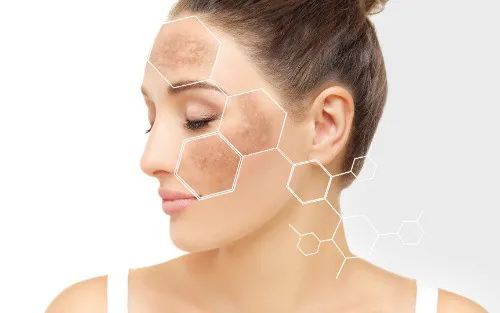
It can be persistent, difficult to treat, and often affects people who have already tried numerous skincare products with limited success. LaserMe has a defined role in managing certain types of hyperpigmentation, though understanding how it works for this concern and what it can realistically achieve is important before proceeding.
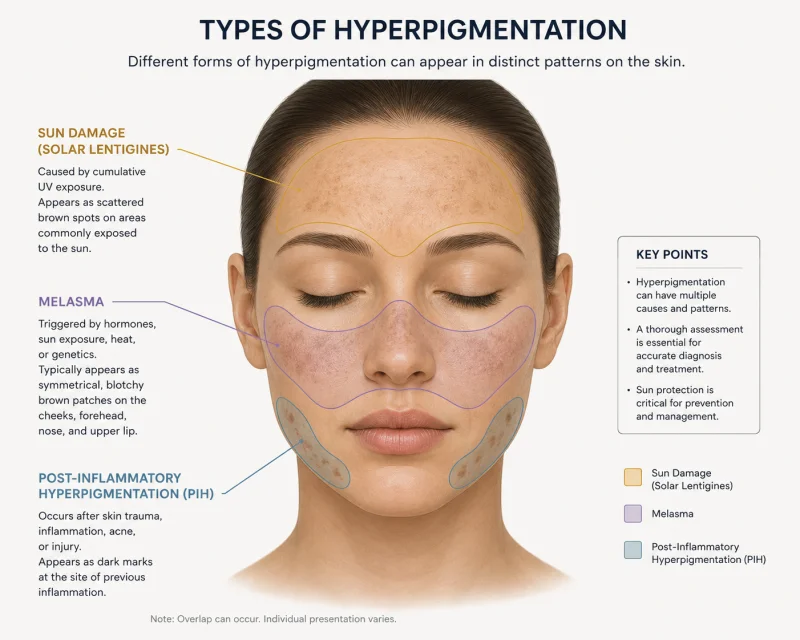
What Is Hyperpigmentation?
Hyperpigmentation is a broad term for any area of skin that appears darker than the surrounding tissue. It occurs when excess melanin, the pigment responsible for skin colour, accumulates in localised areas. Common types include:
- Post-inflammatory hyperpigmentation (PIH), which develops following acne, injury, or skin trauma
- Melasma, a hormonally influenced condition that typically presents as symmetrical patches on the face
- Sun damage and age spots, caused by cumulative UV exposure over time
- Diffuse dyschromia, referring to generalised uneven skin tone without a single defined cause
Each type has a different underlying mechanism, which influences how it responds to treatment.
How LaserMe Targets Pigmentation
LaserMe addresses hyperpigmentation through fractional thermal regeneration. The 1470nm wavelength targets water within the skin tissue, creating microthermal zones (MTZs) that stimulate the skin's natural healing response while leaving the surrounding epidermis intact.
In the context of pigmentation, this process supports improvement in several ways:
- Increasing epidermal turnover, so pigmented keratinocytes are shed more efficiently
- Promoting dermal remodelling, which helps gradually disperse excess melanin deposits
- Reducing low-level inflammation within the skin, which is particularly relevant for PIH and melasma
- Improving overall skin quality, which can make uneven tone less visually pronounced over time
PIH and Melasma: Important Considerations
PIH and melasma require particular care when it comes to laser treatment. Both conditions can be worsened by heat or inflammation if treatment parameters are not appropriately managed, which is why practitioner experience and careful protocol selection matter significantly for these concerns.
Melasma in particular is a complex, often recurring condition influenced by hormonal factors, UV exposure, and skin barrier health. LaserMe can support improvement and maintenance, but it is typically used as part of a broader management plan that includes targeted skincare and consistent sun protection rather than as a standalone solution.
Supporting LaserMe with the Right Skincare
For pigmentation concerns specifically, combining LaserMe with a clinically appropriate skincare routine can meaningfully support and extend treatment outcomes. A three-step approach using products formulated for hyperpigmentation is often recommended alongside a treatment course.
A skin prep essence containing gentle exfoliating acids such as gluconolactone, salicylic acid, and phytic acid helps accelerate epidermal turnover and prepares the skin to better absorb active ingredients. A targeted brightening serum, ideally containing tranexamic acid, niacinamide, stabilised vitamin C, and 4-butylresorcinol, can help suppress melanin production and reduce oxidative stress in the skin. Daily broad-spectrum SPF protection that covers UV, infrared, and high-energy visible (HEV) light is non-negotiable when treating any pigmentation concern. UV exposure is a primary driver of melanin production, and unprotected sun exposure will undermine treatment progress regardless of the protocol being used.
In some cases, practitioners may also recommend combining LaserMe with a hydrating treatment, such as Hydro Deluxe, as an optional adjunct, particularly when the skin barrier needs additional support alongside active pigmentation management.
Realistic Expectations for Pigmentation Treatment
Hyperpigmentation, particularly melasma and deeper PIH, rarely resolves after a single course of treatment. Improvement is gradual and cumulative, and maintenance may be required over time. Results vary depending on the type and depth of pigmentation, the individual's skin tone, lifestyle factors such as sun exposure, and consistency with aftercare and skincare.
A thorough consultation with a qualified practitioner, including a review of pigmentation type and medical history, is the appropriate starting point for anyone considering LaserMe for this concern.
Laserme Vs Other Skin Treatments
Choosing between aesthetic treatments can feel overwhelming, particularly when several options appear to address similar concerns.
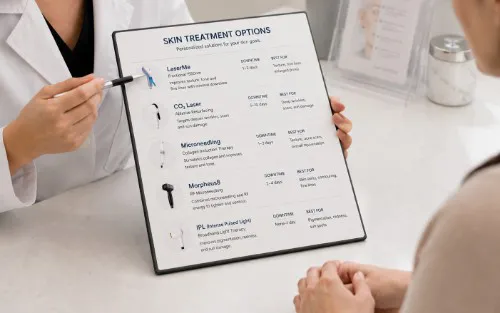
This section offers a straightforward comparison to help clarify where LaserMe sits relative to other commonly available treatments, and which factors might make one option more appropriate than another.
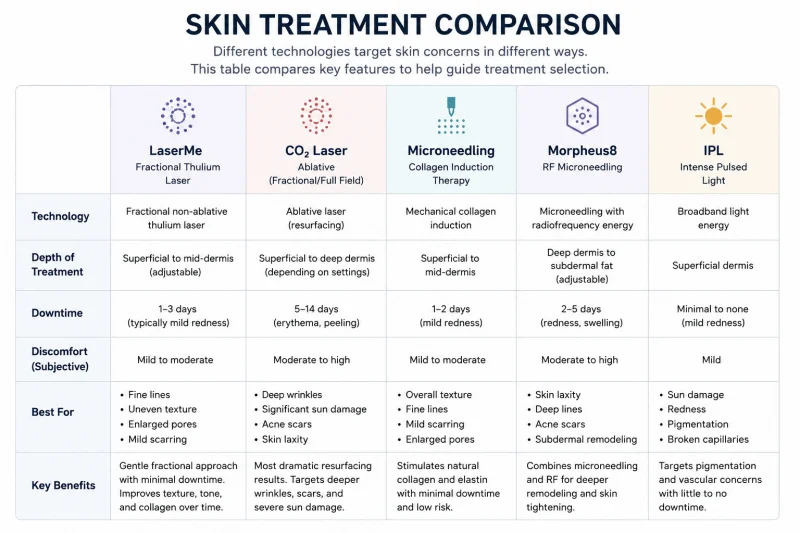
LaserMe vs CO2 Laser Resurfacing
CO2 laser is an ablative treatment, meaning it removes the outer layer of skin to achieve resurfacing. It can produce more dramatic results in a single session, particularly for deeper lines, significant sun damage, and more pronounced scarring. However, downtime is considerably longer, often one to two weeks or more, and the risk profile is higher, particularly for those with darker skin tones.
LaserMe, by contrast, preserves the epidermis throughout treatment. Results develop more gradually, but the recovery period is shorter, and the treatment is generally better tolerated across a wider range of skin types. For those with moderate concerns who cannot accommodate extended downtime, LaserMe is often the more practical option.
LaserMe vs Microneedling
Microneedling also stimulates collagen production, using fine needles to create controlled micro-injuries in the skin. It is a well-established treatment for texture, scarring, and overall skin quality and tends to have a lower cost per session than laser treatments.
The key difference lies in the mechanism and depth of stimulation. LaserMe delivers thermal energy to the dermis with greater precision and consistency than mechanical needling and may produce more targeted results for certain concerns, such as pigmentation. In some cases, the two treatments are used in combination rather than as alternatives.
LaserMe vs Morpheus8
Morpheus8 combines microneedling with radiofrequency (RF) energy, delivering heat into the deeper dermis and subcutaneous tissue. It is particularly associated with skin tightening and contouring and is typically used for more pronounced laxity concerns.
LaserMe targets the superficial to mid dermis and is generally more focused on skin quality, texture, and pigmentation rather than structural lifting. For those whose primary concern is early laxity or skin quality rather than significant tightening, LaserMe may be more appropriate. For more advanced laxity, Morpheus8 or similar RF-based treatments may be better suited.
LaserMe vs IPL Treatment
Intense Pulsed Light (IPL) uses broad-spectrum light to target pigmentation, redness, and vascular concerns at the skin's surface. It can be effective for superficial sun damage and diffuse redness, but it does not stimulate collagen remodelling in the same way as fractional laser treatment.
LaserMe works at a deeper level, addressing both surface concerns and underlying dermal structure. For those dealing with a combination of pigmentation and textural concerns, LaserMe may offer a more comprehensive outcome. IPL, however, can be appropriate as a standalone option for more superficial or vascular pigmentation concerns.
Downtime, Discomfort, and Recovery Differences
As a general guide:
- CO2 laser: highest downtime (one to two weeks or more), most significant discomfort, most dramatic results
- Morpheus8: moderate downtime (several days), moderate discomfort, strong tightening effect
- LaserMe: low to moderate downtime (one to three days of redness and sensitivity), mild to moderate discomfort, gradual progressive results
- Microneedling: low downtime (one to two days), mild discomfort, moderate results
- IPL: minimal downtime, mild discomfort, best suited to superficial pigmentation and redness
Which Treatment May Suit Different Goals
There is rarely one universally correct answer. The right treatment depends on the concern being addressed, the individual's skin type, their tolerance for downtime, and the outcomes they are hoping to achieve. A qualified practitioner will assess these factors during the consultation and may recommend LaserMe alone, in combination with other treatments, or suggest an entirely alternative approach.
What To Expect During A Laserme Treatment
This section outlines the process from initial consultation through to the end of a session, so there are no unexpected surprises on the day.
Consultation and Skin Assessment
Before any treatment takes place, a consultation with a qualified practitioner is required. This is not a formality. It is the point at which your skin type, medical history, and specific concerns are reviewed, and where realistic outcomes are discussed in the context of your individual skin.
During this appointment, a practitioner will typically assess your Fitzpatrick skin type, identify any contraindications, discuss the number of sessions likely to be appropriate, and explain what the treatment will involve. This is also the right time to ask questions, raise any concerns, and ensure you are making an informed decision.
Preparing the Skin Before Treatment
In the weeks leading up to treatment, practitioners will often advise avoiding certain products and behaviours that could affect skin sensitivity or treatment outcomes. Common guidance includes:
- Avoiding prolonged sun exposure and using SPF consistently in the lead-up to treatment
- Pausing the use of strong exfoliating actives such as retinoids or high-strength acids in the days before a session
- Arriving at the appointment with clean skin, free of makeup or topical products
- Disclosing any recent changes to medication or skincare, including the use of isotretinoin
Specific preparation advice will be provided by the clinic at the time of booking.
What Happens During the Session
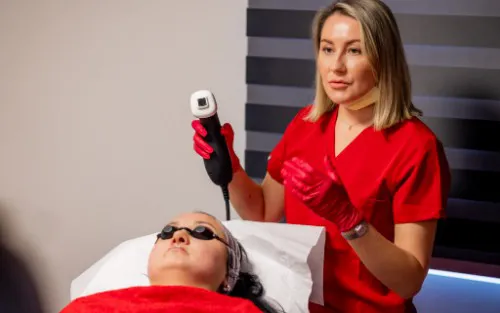
On the day, the skin is cleansed before treatment begins. The practitioner will then use the LaserMe handpiece to deliver fractional laser energy across the treatment area in a controlled pattern.
The handpiece combines the laser source and scanner in a single compact unit, enabling consistent energy delivery across the skin surface. Treatment density, fluence, and spacing can be adjusted according to the concern being addressed and the individual's skin type.
Sensation and Pain Management
Most people describe the sensation during treatment as a mild to moderate warmth or prickling feeling. Discomfort is generally well tolerated, and most people find the sensation manageable throughout the session. Sensation can vary depending on the area being treated and the parameters used, and practitioners will typically check comfort levels throughout the session.
Treatment Duration
A single LaserMe facial treatment typically takes 20 to 45 minutes, depending on the area being treated and the protocol used. Body treatments may take longer. The practitioner will give a more specific time estimate at the consultation.
Immediate Post-Treatment Appearance
It is normal for the skin to appear red and feel warm immediately after treatment, with a sensation similar to a mild sunburn. Some people also notice slight swelling or a sensation of tightness, particularly in the first few hours. These responses are a normal part of the skin's initial reaction to treatment and typically begin to settle within 24 to 48 hours.
Practitioners will apply a soothing product following the session and provide specific aftercare guidance before you leave the clinic.
Laserme Recovery And Aftercare
Recovery after LaserMe is generally straightforward, but how well the skin heals and how effectively results develop is directly influenced by how closely aftercare guidance is followed.
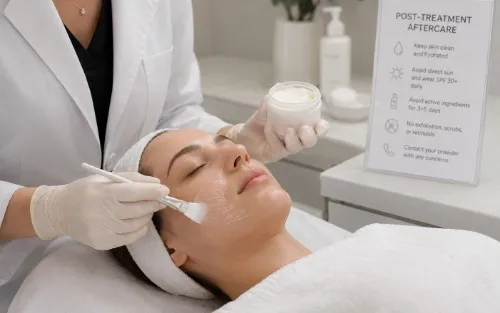
This section outlines what to expect in the days following treatment and the steps that support the best possible outcome.
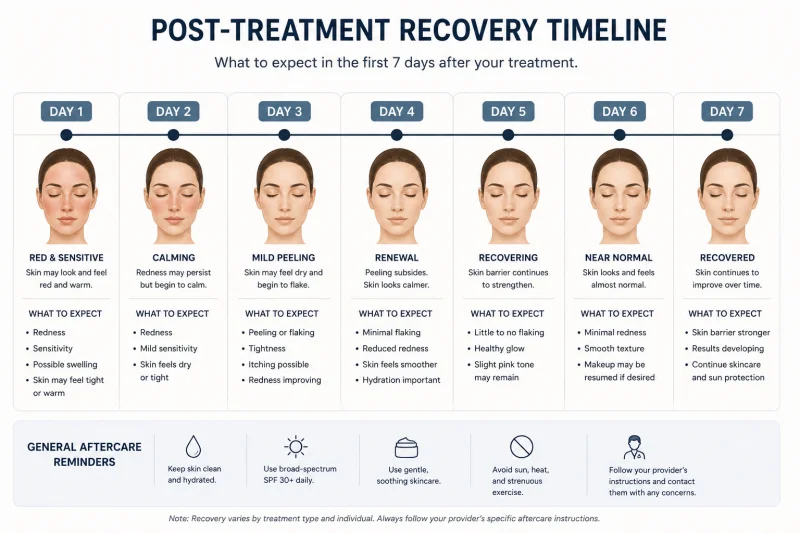
Typical Downtime Timeline
LaserMe is considered a low-to-moderate downtime treatment, but it is worth understanding what that means in practice. Most people experience:
- Days one to two: Some redness and warmth immediately following treatment is normal and typically subsides within a few hours for most people. Mild swelling or a sensation of tightness may also be present initially. Clinics may apply the N Line Instant Recovery Mask directly after treatment to help calm the skin, support the healing process, and reduce downtime. Some dryness and visible skin regeneration in the days following treatment is completely normal and is a sign the renewal process is underway..
- Days two to four: redness begins to subside, and the skin may feel dry or slightly rough as the surface renews. Some people notice very fine flaking or bronzing of the skin as treated cells begin to shed.
- Days four to seven: skin typically settles significantly, with most visible redness resolved. Texture may continue to feel slightly uneven as the renewal process progresses.
Individual responses vary. Some people move through this timeline more quickly; others may take a little longer, particularly following higher-intensity sessions or treatment on more sensitive areas.
Redness, Dryness, and Skin Sensitivity
Redness and sensitivity in the days following treatment are a normal part of the skin's healing response, not a cause for concern. Keeping the skin calm, hydrated, and protected during this period is the priority. Avoid unnecessary touching or rubbing of the treated area, and use only the products recommended by your practitioner during the immediate recovery period.
Skincare Products to Avoid Temporarily
Certain products should be paused after treatment to avoid skin irritation as it heals. These typically include:
- Retinoids and vitamin A derivatives
- High-strength exfoliating acids (AHAs, BHAs, and PHAs at active concentrations)
- Abrasive scrubs or mechanical exfoliants
- Fragranced products or those containing known irritants
- Any new skincare products not already familiar to the skin
Your practitioner will advise when it is appropriate to reintroduce these, usually after the skin has fully settled.
Sun Protection Guidance
Sun protection is not optional during recovery. The skin is more vulnerable to UV damage following laser treatment, and unprotected sun exposure during the healing period can trigger pigmentation changes that undermine results. A broad-spectrum SPF that covers UV, infrared, and HEV light should be applied daily starting the day after treatment, even in overcast conditions or when spending time indoors near windows.
For those being treated specifically for pigmentation concerns, consistent SPF use throughout and beyond the treatment course is one of the most important factors in maintaining improvement over time.
Makeup and Exercise Restrictions
Most practitioners advise avoiding makeup for 24 to 48 hours after treatment to allow the skin to breathe and reduce the risk of irritation or infection. When makeup is reintroduced, mineral-based products are often recommended as a gentler option during the early recovery period.
Strenuous exercise, saunas, steam rooms, and anything that significantly raises skin temperature or induces heavy sweating should be avoided for at least 48 hours post-treatment. Heat can prolong redness and increase the risk of unwanted skin responses during the healing phase.
When Results Usually Become Visible
Initial improvements in skin texture and tone are often noticeable within two to four weeks after the first session, as the skin's renewal process progresses. More meaningful changes in collagen density, scar appearance, and pigmentation typically develop over the following months, building cumulatively across a course of treatments.
Results from LaserMe are gradual by design. The treatment works by stimulating the skin's own regenerative processes, which take time to produce visible change. Patience and consistency, both with the treatment course and with aftercare, tend to produce the most satisfying outcomes.
Side Effects, Risks And Limitations
Every aesthetic treatment carries some degree of risk, and LaserMe is no exception.
Understanding the difference between expected temporary responses and less common complications helps people make genuinely informed decisions and know when to seek advice if something does not seem right.
Common Temporary Side Effects
The majority of side effects associated with LaserMe are mild, predictable, and resolve without intervention. These include:
- Redness and warmth in the treated area, typically settling within 24 to 48 hours
- Mild swelling, particularly around more delicate areas such as under the eyes
- Dryness, tightness, or a sensation of rough skin texture as the surface renews
- Fine flaking or a bronzed appearance as treated cells shed in the days following treatment
These responses are a normal part of the skin's healing process and are generally considered markers of appropriate treatment response rather than cause for concern.
Risk of Pigmentation Changes
One of the more significant risks associated with laser treatment, particularly for those with medium to darker skin tones, is post-inflammatory hyperpigmentation (PIH). This occurs when the skin's healing response triggers an overproduction of melanin in the treated area, resulting in darkening rather than improvement.
The non-ablative nature of LaserMe reduces this risk compared with more aggressive laser modalities, but it does not eliminate it entirely. Careful parameter selection, appropriate patient assessment, and patch testing where indicated are the primary safeguards. People with a history of PIH or those with Fitzpatrick skin types IV to VI should discuss this risk specifically during consultation.
Infection and Irritation Risks
Although uncommon, infection is a possibility following any treatment that generates a thermal response in the skin. The risk is minimised by ensuring treatment is carried out in a clean clinical environment by a qualified practitioner, and by carefully following aftercare guidance, particularly by avoiding makeup, refraining from unnecessary touching of the treated area, and keeping the skin protected during recovery.
Irritation beyond the expected post-treatment response can occasionally occur, particularly if incompatible skincare products are used during the healing period or if the skin is exposed to significant heat or UV in the days following treatment.
Importance of Qualified Practitioners
The safety and effectiveness of LaserMe is significantly influenced by the skill and experience of the person administering it. Laser parameters, including fluence, density, and spacing, need to be selected appropriately for each individual's skin type and concern. Poorly calibrated treatment can increase the risk of adverse effects, including burns, pigmentation changes, or inadequate results.
In the UK, it is advisable to seek treatment from a practitioner with relevant medical or clinical training and demonstrable experience with laser devices. Asking about qualifications, training, and the number of treatments they have performed is a reasonable and sensible step before proceeding.
Why Results Vary Between Individuals
Two people receiving the same treatment protocol can experience meaningfully different outcomes. This reflects the complexity of skin biology rather than a flaw in the treatment itself. Factors that influence results include:
- Skin type and tone
- The severity and depth of the concern being treated
- Age and overall skin condition
- Lifestyle factors such as sun exposure, smoking, and skincare consistency
- How closely aftercare guidance is followed between and after sessions
Managing expectations from the outset and having an honest conversation with a practitioner about what is realistically achievable is the most reliable way to approach treatment planning.
Situations Where LaserMe May Not Be Suitable
Beyond the contraindications outlined in the suitability section, there are situations where proceeding with LaserMe would not be clinically appropriate, regardless of the concern or desired outcome. These include active skin infections, certain photosensitive medications, and circumstances where the individual's expectations cannot be met by what the treatment can reasonably deliver. A thorough consultation remains the most important safeguard in identifying these situations before treatment begins.
How Much Does Laserme Cost In The Uk?
Cost is a practical consideration for anyone researching aesthetic treatments, and it is worth approaching it with the same level of care as any other aspect of the decision.
varies considerably across the UK, and understanding what influences that variation helps in making a more informed comparison between clinics.
Average UK Treatment Price Ranges
LaserMe treatment costs in the UK typically fall within the following ranges, though these are indicative rather than fixed:
- Single facial session: approximately £150 to £400
- Course of three to six sessions: approximately £400 to £1,500 depending on the number of sessions, area treated, and clinic pricing structure
- Body area treatments: pricing varies more significantly depending on the size of the area being covered
These figures reflect the general market at the time of writing and may vary. It is always worth confirming current pricing directly with the clinic.
Single Sessions Versus Course Pricing
Many clinics offer a reduced per-session rate when treatments are booked as a course rather than individually. For concerns such as acne scarring, pigmentation, or skin texture, where multiple sessions are typically recommended, a course package often represents better overall value. That said, it is reasonable to ask whether a patch test or initial single session is available before committing to a full course, particularly if you have not had laser treatment before.
Factors Affecting Cost
Several factors influence the price of LaserMe treatment:
- Geographic location: Clinics in London and major urban centres tend to charge more than those in smaller towns or rural areas
- Practitioner experience and qualifications: more experienced or medically qualified practitioners often charge at a higher rate, which in many cases reflects a meaningful difference in clinical judgement and safety
- Treatment area and session duration: larger areas or longer sessions carry higher costs
- Clinic overheads and setting: a clinical medical environment typically carries different pricing than a beauty salon or non-medical setting
- Whether a consultation fee is charged separately or absorbed into treatment pricing
Consultation Fees and Package Pricing
Some clinics charge for an initial consultation, while others offer this as a complimentary appointment. Where a fee is charged, it is sometimes redeemable against treatment. It is worth clarifying this when booking. Package pricing structures vary widely, and it is important to understand exactly what is included, whether that covers the number of sessions, any follow-up appointments, or specific aftercare products.
Why Cheaper Treatment Is Not Always Better Value
In aesthetic medicine, price and value are not always the same thing. A significantly lower price point can reflect reduced practitioner experience, less rigorous assessment processes, older or lower-specification equipment, or a clinical environment that does not meet the standards appropriate for laser treatment. The consequences of poorly administered laser treatment, including burns, pigmentation changes, or inadequate results, can entail additional costs in corrective treatment and recovery time.
This is not to suggest that higher cost automatically equates to better outcomes. It does suggest, however, that price alone is not a reliable basis for choosing a provider.
Questions to Ask Before Committing Financially
Before booking or paying a deposit, it is reasonable to ask:
- What is included in the quoted price, and are there any additional costs?
- Is a patch test required, and is this charged separately?
- What is the cancellation and refund policy?
- How many sessions are included in the course, and how are they spaced?
- What aftercare support is provided between sessions?
Having clear answers to these questions before committing helps avoid uncertainty later and supports a more confident decision.
Grow Your Practice with LaserMe
Whether you are already using LaserMe or considering adding it to your treatment menu, here is how to make the most of it.

Are you a practitioner? If you'd like to link your practice to LaserMe and become part of ConsultingRoom.com, you can register as a verified specialist using the information on our specialist registration page.
Once verified, your profile can feature LaserMe alongside the other treatments, conditions and products you support, helping patients searching ConsultingRoom.com find you directly.
Our Preferred Partner:
As demand grows for effective, non-invasive treatments for pigmentation, redness and early signs of skin ageing, non-ablative fractional laser is becoming an increasingly valuable addition to modern clinics. From hyperpigmentation and skin texture to fine lines and overall skin rejuvenation, LaserMe can help you expand your treatment offering and attract new patients.
If you're considering introducing LaserMe, our dedicated practitioner resource explains everything you need to know, including how the technology works, clinical applications and the commercial opportunities for your practice.
Find out how LaserMe could help grow your clinic and enhance the results you deliver for your patients.
LaserMe Quick FAQs
Clear, Concise Answers to Common Queries
A simple, no-fluff roundup of frequent LaserMe questions to help you get the facts fast.

Can LaserMe be used on the body as well as the face?
Yes, LaserMe can be used on body areas as well as the face. Common treatment sites beyond the face and neck include the décolletage, arms, abdomen, back, legs, and buttocks. Treatment parameters may differ for body areas compared with facial protocols, and session duration is typically longer depending on the size of the area being covered.
How soon after LaserMe can I return to work?
Most people are able to return to work within one to three days, depending on the intensity of the session and how their skin responds. Redness and mild swelling are normal in the first 48 hours and may be noticeable in person or on video calls. Those in client-facing roles or with important commitments may wish to schedule treatment with a few days of buffer time where possible.
Can LaserMe be used alongside other aesthetic treatments?
In some cases, yes. LaserMe is sometimes combined with complementary treatments as part of a planned protocol, particularly for concerns such as acne scarring or pigmentation. However, treatments should not be combined without clinical guidance, as sequencing and timing matter for both safety and results. A qualified practitioner will advise on what, if any, combination approach is appropriate for your specific concern.
Is LaserMe suitable during pregnancy or breastfeeding?
LaserMe is generally not recommended during pregnancy or breastfeeding. This is a standard precaution across most aesthetic laser treatments, as there is insufficient evidence to confirm safety during these periods. Anyone who is pregnant, breastfeeding, or planning a pregnancy should disclose this during consultation before any treatment is considered.
How long do LaserMe results last?
The duration of results varies depending on the concern treated, the number of sessions completed, and how well aftercare and sun protection guidance is followed. Collagen remodelling continues for several months following a course of treatment, and results can be maintained with periodic top-up sessions and a consistent skincare routine. Skin ageing is an ongoing process, so maintenance treatments may be recommended over time.
Does LaserMe hurt?
Most people describe the sensation during LaserMe as a mild to moderate warmth or prickling feeling rather than sharp pain. Topical anaesthetic cream is typically applied beforehand to manage discomfort, and most people tolerate treatment well. Sensation varies depending on the area being treated, individual pain threshold, and the parameters used during the session.
Can LaserMe be used on the neck and décolletage?
Yes, the neck and décolletage are among the most commonly treated areas alongside the face. These areas often show early signs of sun damage, uneven tone, and skin laxity, and respond well to fractional laser treatment. Skin in these areas can be more sensitive than the face, so parameters are typically adjusted accordingly.
How far apart should LaserMe sessions be spaced?
Sessions are typically spaced four to six weeks apart, though this can vary depending on the concern being treated, the intensity of each session, and how the skin responds between appointments. Allowing adequate time between sessions gives the skin the opportunity to complete its healing and remodelling process before the next treatment. A practitioner will confirm the recommended interval as part of your treatment plan.
Will LaserMe make my skin more sensitive to the sun long term?
LaserMe does not permanently increase sun sensitivity, but the skin is more vulnerable to UV damage during the healing period following each session. Consistent daily SPF use is strongly advised throughout a treatment course and beyond, particularly for those being treated for pigmentation concerns. UV exposure without adequate protection can trigger pigmentation changes that undermine treatment outcomes.
Is there a minimum age requirement for LaserMe treatment?
There is no universally fixed minimum age for LaserMe, but treatment is generally recommended for adults. In practice, most practitioners would not treat anyone under 18, and those under 25 would typically require a thorough consultation to confirm that the concern and treatment goals are clinically appropriate. Age-related suitability is assessed on an individual basis.
Can LaserMe help with surgical scars as well as acne scars?
LaserMe can be used for certain types of surgical scarring, particularly where the concern involves raised texture, uneven tone, or altered skin quality in the affected area. As with acne scars, results depend on the age, depth, and type of scar, and a course of treatments is usually required. A consultation is needed to assess whether the scar is suitable for laser treatment and whether it has fully matured before treatment begins.
What is the difference between a patch test and a full LaserMe treatment?
A patch test involves applying the laser to a small, discreet area of skin to assess how it responds before a full treatment is carried out. It is particularly recommended for those with darker skin tones, a history of pigmentation changes, or those who have not had laser treatment before. A patch test does not provide the same clinical effect as a full session but serves as an important safety step in assessing individual skin response.
Can I combine LaserMe with a cosmeceutical skincare routine?
Yes, and in many cases a targeted skincare routine is actively recommended alongside a LaserMe treatment course. Products containing ingredients such as tranexamic acid, niacinamide, stabilised vitamin C, and broad-spectrum SPF can support and extend treatment outcomes, particularly for pigmentation concerns. Any new skincare products should be introduced with guidance from your practitioner, and certain actives should be paused around the time of each session as advised.
Is LaserMe available on the NHS?
No, LaserMe is not available on the NHS. It is a cosmetic aesthetic treatment and is offered exclusively through private medical aesthetics clinics. Costs vary depending on the clinic, location, and treatment protocol, and are paid for directly by the patient.