
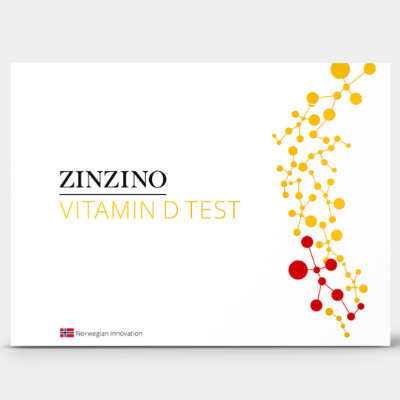
ZinZino - Vitamin D Test
Vitamin D deficiency is far more common than most people realise, particularly in the UK where sunlight is limited for much of the year. If you take a supplement but have no idea whether it's working, or if you simply want to know where your levels actually sit, the Zinzino Vitamin D Test offers a straightforward, at-home way to find out. A small finger-prick blood sample is all that's needed, and results come with personalised guidance on what to do next.
- May suit anyone who wants to monitor their vitamin D status throughout the year
- Particularly relevant for those living in northern climates, spending limited time outdoors, or currently taking a supplement
- Measures 25-hydroxyvitamin D (25(OH)D), the most reliable indicator of vitamin D status in the body
- Completed at home using a dried blood spot collection, no laboratory visit required
- Anonymous results accessible online within 10 to 20 days
Affiliate link: you may be redirected to the brand partner site.
What Is It?
The Zinzino Vitamin D Test is a home-use blood spot test that measures your current vitamin D status from a small sample of capillary blood collected from your fingertip. It uses the Dried Blood Spot (DBS) method, which is scientifically validated to be as accurate as a venous blood draw for assessing vitamin D levels.
The test measures 25-hydroxyvitamin D, also known as 25(OH)D or calcidiol. This is the form of vitamin D that circulates in the bloodstream and is widely regarded as the most accurate marker of overall vitamin D status, as it reflects intake from all three sources: sunlight, diet, and supplementation.
Because vitamin D levels can shift considerably across seasons, the recommended testing interval is every 120 days (approximately every four months). This makes it a practical tool for anyone who wants to track whether their levels are in a healthy range year-round rather than relying on a single annual check.
Results include personalised recommendations based on your specific result, with guidance on how much additional vitamin D your body may need and when. The test is informational in nature and is not intended to diagnose or treat any condition.
How To Use It
- Wash your hands thoroughly with soap and warm water, then dry them well.
- Remove the sample card from its paper envelope. Tear off and photograph the SAVE section, which contains your unique anonymous Test ID. Keep this safe, as it is the only way to access your results online.
- Stimulate blood flow by rotating your arm in large circles or shaking your hand downward for around 20 seconds.
- Use the alcohol wipe to clean the tip of your preferred finger (the middle finger is recommended). Remove the safety cap from the single-use lancet, place it against the lower part of your fingertip, and press firmly until you hear a click. The lancet will automatically make a small, precise prick.
- Do not touch the filter paper with your fingers at any point.
- Gently squeeze your finger and allow drops of blood to fall naturally into each circle on the sample card, completing one circle at a time. If a single drop does not fill the circle, add one more drop immediately. Leave the card flat at room temperature for at least 10 minutes to dry completely.
- Return the dried sample card to its paper envelope, then place it inside the sealed metal bag. Do not remove the desiccant packet inside the bag.
- Place the closed metal bag into the pre-addressed return envelope. Affix the correct postage before posting.
- Register your Test ID at www.zinzinotest.com to activate your results. These will be available within 10 to 20 days of the laboratory receiving your sample.
Whats In It?
The Zinzino Vitamin D Test does not contain active ingredients. It is a diagnostic test kit. The single marker it measures is:
25-hydroxyvitamin D (25(OH)D), also called calcidiol: The primary circulating form of vitamin D in the bloodstream. Testing this marker is considered best practice for assessing vitamin D status because it captures the combined contribution of sunlight exposure, dietary intake, and supplementation. Results are presented in nanomoles per litre (nmol/L), with the option to view in nanograms per millilitre (ng/mL) for those more familiar with that unit. Your result indicates whether your current vitamin D level is within the optimal range, below it, or above it.
Why We Recommend It
Vitamin D is one of the most widely discussed nutrients in public health, yet most people who take a supplement have no objective way of knowing whether their current intake is sufficient, insufficient, or more than they need. Guessing based on general guidelines is common, but individual response to vitamin D varies considerably depending on factors such as skin tone, body weight, gut absorption, and sun exposure.
This test addresses that gap directly. The DBS method it uses is scientifically validated for vitamin D analysis and requires only one to two drops of blood, making it a genuinely accessible option for regular monitoring. The 120-day retesting interval aligns with how long it typically takes for vitamin D status to meaningfully shift in response to supplementation changes, which makes it a practical tracking tool rather than a one-off check.
Analysis is carried out by Vitas Analytical Services, an independent, GMP-certified laboratory with over 25 years of experience in this type of analysis. Results are anonymous throughout. The kit holds CE certification under EU in vitro diagnostic device regulation (98/79/EB), which provides a baseline of regulatory assurance for a home-use test.
For the price point, this is a credible, low-friction way to move from guessing to knowing when it comes to one of the most commonly deficient nutrients in the UK population.
What To Expect
The collection process is quick. From finger-prick to sealing the envelope, most people complete it in under five minutes. The lancet mechanism is automatic and designed to minimise discomfort, though individual sensitivity varies. No fasting is required for the Vitamin D Test.
Once posted, results are typically available within 10 to 20 days via the Zinzino test portal. Your result will show your current 25(OH)D level and indicate whether it falls within, below, or above the optimal range, along with personalised guidance on how to adjust your intake if needed.
It is worth keeping in mind that restoring low vitamin D levels through supplementation generally takes three to four months, depending on the dose and your starting point. A single test gives you a useful baseline, but retesting every 4 months provides a more complete picture of how your levels respond to any changes you make.
This test does not diagnose vitamin D deficiency in a clinical sense and is not a substitute for medical advice if you have symptoms or health concerns related to your vitamin D status.
Frequently Asked Questions
Do I need to fast before taking the Vitamin D Test?
How does the dried blood spot method compare to a GP blood test?
How often should I retest?
Will the test tell me how much vitamin D to take?
Is this test suitable if I am already taking a vitamin D supplement?
How is my privacy protected?
Is this test suitable for children?
Interested in learning more?
Explore the full product details, pricing, and latest information on the official site to decide whether it is right for you.
Visit Official Product Page