

By Claudia McGloin, RGN, Nurse Practitioner and The Regenerative Expert Nurse
Dubai Derma 2026 provided a fascinating insight into the direction of global aesthetic medicine. From the scientific programme to the exhibition floor, one message was particularly clear: regenerative medicine is no longer sitting on the periphery of aesthetics. It is becoming an increasingly prominent part of the conversation.
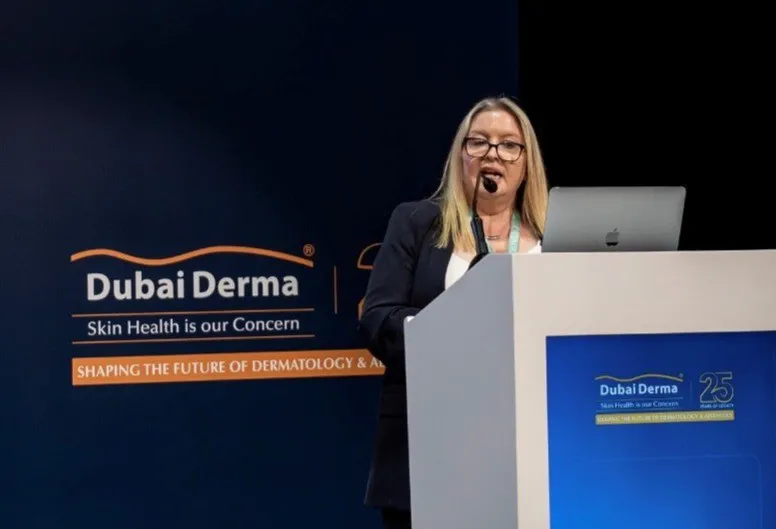
This year, I had the privilege of attending Dubai Derma not only as a delegate, but as an invited speaker on the scientific programme. I was the only Irish speaker on the programme and had been invited to deliver two presentations within my specialist field before the abstract submission deadline had closed.
This was particularly significant given Dubai’s very different professional landscape to the UK and Ireland, with aesthetic injectable practice predominantly physician-led. The scientific audience included dermatologists, plastic surgeons and other doctors from around the world.
Standing on that stage as an Irish nurse and sharing my work with an international medical audience was both a privilege and an important reminder that advanced nursing expertise has a valuable place within scientific and clinical discussions around regenerative medicine.
Both presentations generated questions and discussion, with conversations continuing after the sessions. For me, that engagement is one of the most valuable aspects of speaking internationally. Presenting is not simply about delivering information; it is about challenging thinking, exchanging clinical experience and opening conversations with practitioners working in very different healthcare environments.
One of my presentations, “Beyond PRP: Integrating Regenerative Therapies with Nutrition and Wellness for Enhanced Aesthetic Results,” explored a philosophy that has become increasingly central to my own clinical practice: we need to look beyond the treatment itself and assess the patient receiving it.
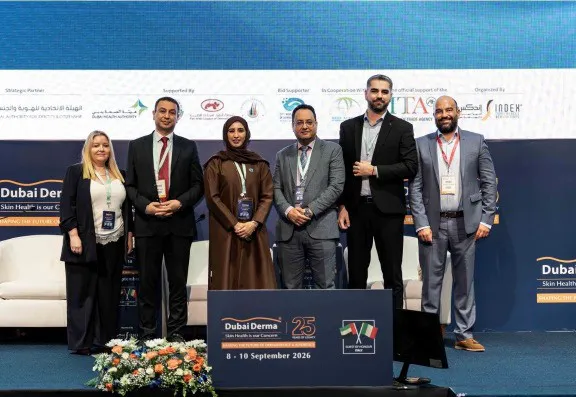
Regeneration was everywhere
Away from the lecture theatre, what struck me most was the sheer visibility of regenerative medicine throughout Dubai Derma.
Exosomes were particularly prominent, with numerous companies presenting exosome-based products and discussing potential applications across skin rejuvenation, hair restoration and regenerative aesthetics.
There was also an enormous presence of devices and technology. Energy-based and other device-led approaches occupied a substantial part of the exhibition, demonstrating how rapidly aesthetics is moving towards combination treatment strategies.
This convergence of biologics, regenerative therapies and technology is particularly interesting. The future may increasingly be less about choosing between an injectable, a regenerative treatment or a device, and more about understanding how different modalities can be appropriately combined for the right patient.
However, enthusiasm surrounding regenerative medicine also brings responsibility.
The prominence of exosomes at Dubai Derma was impossible to ignore, but visibility should not automatically be equated with evidence. As clinicians, we need to continue asking difficult questions about provenance, manufacturing, characterisation, mechanism of action, regulation, clinical evidence and safety.
The word “regenerative” is powerful, but it should never become simply a marketing term.
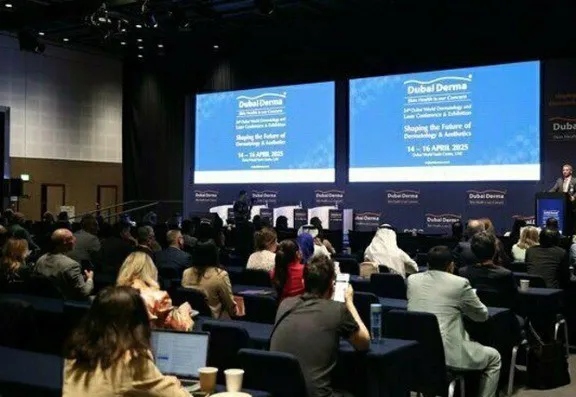
Beyond the syringe
PRP provides a good example of why broader clinical thinking matters.
Regenerative treatments can sometimes be approached primarily as procedures: draw blood, process it, inject it and wait for a response. Yet biological treatments are being administered into biological systems.
Patients arrive with differences in health, nutrition, medications, lifestyle and tissue quality. These variables may be relevant when we are asking the body to participate in a regenerative process.
This is why I believe patient assessment and, where appropriate, optimisation need to become a greater part of the regenerative medicine conversation. The treatment itself is only one component of the clinical pathway.
It was encouraging to see increasing discussion around combination approaches, tissue quality and regenerative strategies rather than an exclusive focus on traditional injectable treatments.
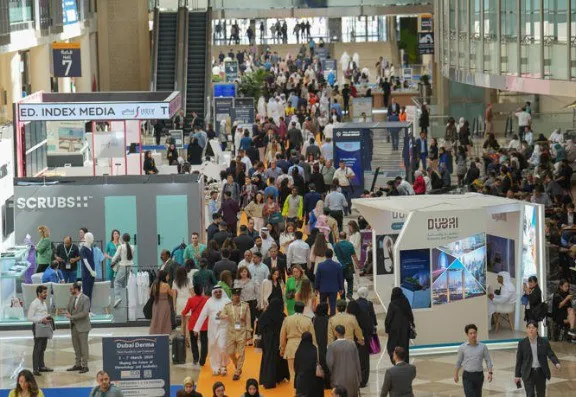
The changing aesthetic patient
This broader approach is particularly relevant as our patient population changes.
The widespread use of GLP-1 receptor agonists is one obvious example. Significant weight loss can alter facial volume, tissue support and body composition, creating aesthetic concerns that may not always be best addressed by simply replacing lost volume.
This presents an opportunity to think differently.
Regenerative therapies and device-based treatments may have increasingly important roles within carefully designed treatment plans focused on tissue quality, collagen stimulation and restoration rather than relying exclusively on traditional volumisation.
Combination treatment, however, should not mean simply adding more procedures. It requires appropriate patient selection, sequencing, evidence-based decision-making and a clear clinical rationale.
That distinction will become increasingly important as the regenerative sector expands.
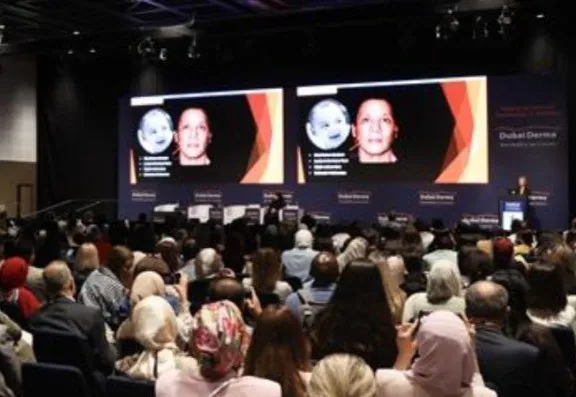
An international perspective
One of the greatest benefits of Dubai Derma is the opportunity to meet clinicians, researchers and industry representatives from many different countries.
The exhibition provides a window into emerging technologies, but some of the most valuable moments happen through conversations: comparing clinical approaches, questioning new technologies, discussing evidence and seeing how regenerative medicine is being approached in different healthcare systems.
I came away from Dubai with new professional connections, potential collaborations and, perhaps most importantly, new questions.
That is exactly what a good scientific meeting should do. It should not simply confirm what we already believe; it should expose us to new ideas while encouraging us to critically evaluate them.
Recognition for Irish nursing
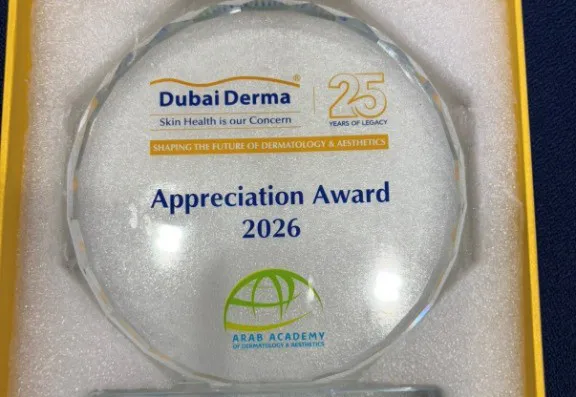
There was also a special personal conclusion to Dubai Derma when I was presented with an Appreciation Award in recognition of my contribution to the scientific programme.
After almost three decades in nursing and many years specialising across orthopaedics, aesthetics and regenerative medicine, receiving that recognition on an international stage was an incredibly proud moment.
But my biggest takeaway from Dubai Derma 2026 was not the award. It was seeing how rapidly the regenerative landscape is developing.
Exosomes, PRP, technologies and combination approaches are generating enormous interest, but our responsibility as clinicians is to ensure that scientific scrutiny develops alongside innovation.
The next chapter of aesthetic medicine should not simply be about what we can inject or which device we can use.
It should be about understanding the patient, understanding the biology, critically evaluating the evidence and then selecting an appropriate regenerative strategy.
That, for me, was the real message from Dubai and I was extremely proud to have an Irish nursing voice contributing to that conversation.