


When integrating a new biorestorative into practice, the key question is what differences can patients anticipate?
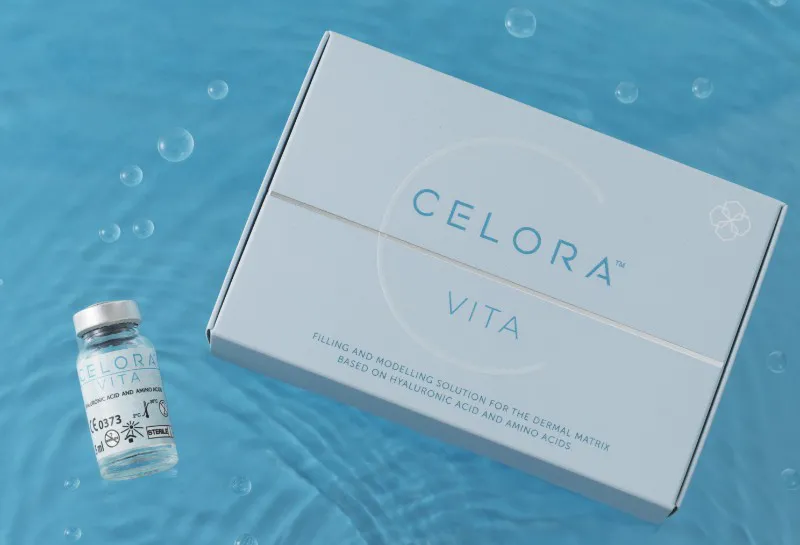
Celora™ Vita, introduced by DermaFocus, combines nine amino acids with low-molecular-weight hyaluronic acid to support fibroblast activation and extracellular matrix (ECM) renewal. Its positioning within regenerative protocols is substrate-led, but the outcomes are measurable at both structural and visible levels.
Here is an overview of the clinical impact reported in published data.
Measurable improvements in skin quality
Through the biorestoration process – fibroblast activation, collagen III synthesis and matrix renewal – Celora™ Vita has demonstrated improvements in:
Hydration
Low-molecular-weight HA fragments bind water within the ECM and activate fibroblasts via CD44 signalling. Clinically, this translates into:
- Enhanced epidermal hydration
- Improved dermal water retention
- Reduction in TEWL-related dryness
- Restoration of skin luminosity and glow
Instrumental analysis in clinical studies reports significant improvements in hydration parameters.
Firmness and elasticity
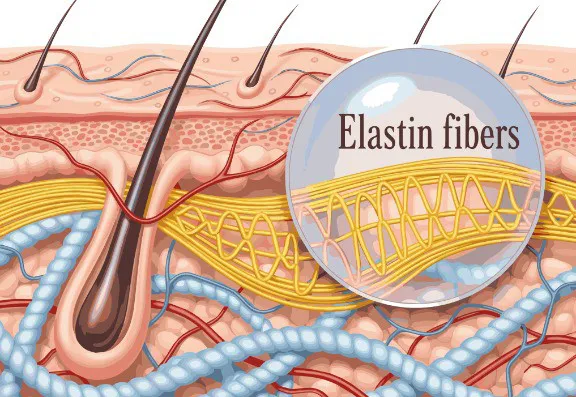
The combination of amino acid substrate supply and CD44-mediated fibroblast activation supports collagen III synthesis and matrix remodeling.
Reported outcomes include:
- Increased dermal density
- Improved skin firmness
- Enhanced elasticity
- Strengthening of early matrix architecture
Ultrasound and clinical evaluation have demonstrated improvements in dermal structure and elasticity markers.
Fine lines and wrinkle reduction
By supporting organised collagen synthesis and attenuating early matrix degradation (including modulation of MMP activity), Celora™ Vita has been associated with:
- Reduction in superficial fine lines
- Improvement in frontal wrinkles
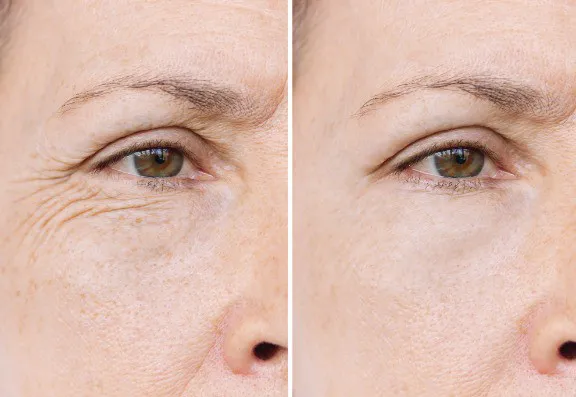
- Improvement in periorbital wrinkles
- Softening of early nasolabial folds
Clinical studies reported visible wrinkle reduction alongside structural improvement. Importantly, these changes are progressive and biologically mediated – aligning with regenerative, rather than corrective, treatment philosophy.
Texture and tone refinement
Amino acids play a direct role in maintaining Natural Moisturising Factor (NMF), epidermal barrier function and pH regulation. Specific components such as cysteine also contribute to antioxidant defence and melanogenesis modulation.
Clinically, this supports:
- Refinement of skin texture
- More even tone
- Reduction in dullness
- Improved surface smoothness
Studies report measurable improvement in texture parameters following treatment.
Sebum and pH regulation
Biorestoration is not limited to collagen stimulation. The amino acid complex supports:
- Balance in sebum production
- Optimisation of skin pH
- Restoration of barrier homeostasis
These effects are particularly relevant in younger or early photoaged patients where dysfunction may precede visible structural collapse.
Structural impact: what’s happening beneath the surface
Mechanistically, the combination of amino acids and low-molecular-weight HA produces a synergistic effect:
- HA fragments bind CD44 receptors, promoting fibroblast proliferation and collagen III synthesis
- Amino acids provide essential substrates for collagen and elastin production
- Branched-chain amino acids (valine, leucine, isoleucine) enhance actin synthesis and myofibroblast activity
- Reduction in MMP-1 and MMP-3 supports matrix preservation
- Enhanced angiogenesis improves tissue vitality
Together, these processes support ECM renewal, dermal density and epidermal thickening.

Ideal patient profiles for results optimisation
Celora™ Vita is particularly suited to:
- Early fine lines and wrinkles
- Dehydrated or dull skin
- Textural irregularities
- Early to moderate chrono- or photo-ageing
- Younger patients seeking prevention of elasticity loss
- Full-face skin quality optimisation (including periorbital, glabellar, cheek, nasolabial and submental regions)
Because it addresses early matrix fatigue rather than advanced structural collapse, patient selection remains key to achieving optimal outcomes.
Safety and tolerability
Across clinical evaluations, Celora™ Vita demonstrated:
- Excellent tolerability
- No serious adverse events reported
- Only mild, transient injection-related effects (erythema, swelling, bruising)
- No complications observed in study populations
Manufactured under GMP conditions and CE marked, it is suitable for repeated treatment courses and compatible with other aesthetic interventions.
Results as part of a regenerative strategy
Within a broader regenerative pathway – priming with polynucleotides, building with amino acid biorestoration, boosting with exosome-based signalling and maintaining systemically – Celora™ Vita functions as the substrate-replenishing phase.
Clinically, this translates into:
- Progressive improvement in skin quality
- Greater consistency in regenerative outcomes
- Enhanced tissue responsiveness to combination protocols
- A visible shift toward healthier, more resilient skin
For practitioners focused on measurable improvements in dermal behaviour rather than immediate surface correction, Celora™ Vita offers a results profile grounded in fibroblast performance and matrix renewal.