Cost-of-living skin
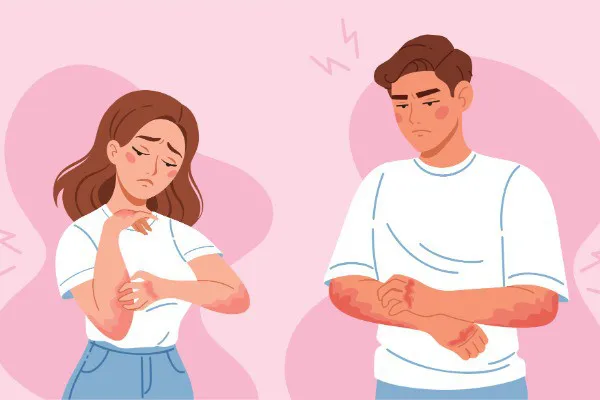
The cost-of-living crisis doesn’t just hit the pockets of dry skin condition sufferers who are finding it harder to afford the correct food and appropriate clothing1 as well as prescriptions2, but it is also making symptoms of conditions such as eczema and psoriasis worse due to prolonged stress and anxiety over finances.
New research conducted by survey company OnePoll on behalf of Hydromol (the UK’s no.1 prescribed emollient ointment) has revealed that over a third (34%) of sufferers of conditions such as dry/itchy skin, eczema, psoriasis and ichthyosis report their symptoms worsening since the cost-of-living crisis.
The top three reasons cited by the 1,000 respondents were stress and anxiety causing more flare-ups (42%), followed by the price of healthy foods (37%) and the affordability of prescriptions (28%). Other less common reasons included the cost of specialised clothing and bedding, and travel costs to medical appointments.
Overall, the study showed that nearly seven out of 10 (69%) people felt their stress levels had been impacted by the cost-of-living crisis, with nearly a quarter (23%) stating they had been affected ‘a lot’.
Unsurprisingly perhaps, Londoners, Millennials and Gen Z are feeling the effects most acutely, with very little gender disparity. Londoners reported increased stress levels due to the crisis at 85% against the national average of 69%. From a generational perspective, Gen Z were affected the most at 82% with Millennials close behind at 80%. Gen Z and Millennials also scored highest on anxiety, food pricing, cost of prescriptions, clothing/bedding, and travel costs as the factors that most impacted their skin conditions.
A previous study by King’s College London3 had already highlighted that three out of five Britons (60%) report that the cost-of-living crisis has negatively impacted their mental health, with nearly a quarter (23%) saying they’re having problems sleeping, and another study by the Mental Health Foundation4 highlighted nearly a third (31%) feeling anxious, 27% stressed and 9% ‘hopeless’.
Another study5 has shown that nearly two-thirds (65.5%) of psoriasis sufferers report mental stress preceding flare-ups, and around a quarter (23.9%) report stress worsening eczema symptoms.
Dr Richard Sherry is a Consultant Chartered Clinical Psychologist, Clinical Neuropsychologist, Psychological Trauma Expert and Psychoanalytic Psychotherapist. His longstanding interest and expertise lie in psychological trauma and medical neuropsychological conditions and well-being. Some of his work explores complex healthcare psychological conditions, psychoimmunology, and stress responses. He says, “Stress is a significant neuroimmune inflammatory response – and financial stress is particularly integral and impactful. This research elegantly demonstrates the link between financial stress and stress-related dermatological skin flare-ups.
“Direct feedback from those most affected is crucial for understanding the critical nature of stress and its life-changing effects on certain individuals’ skin. Furthermore, this link has profound social and political implications, enabling us to comprehend and ideally address these components for improved health and well-being.”
According to Natasha Moore, brand manager for Hydromol, “Our survey results clearly show that both men and women are being impacted by the cost-of-living crisis, which in turn is taking its toll on their skin. Hydromol Ointment is the No.1 emollient ointment recommended by doctors that provides a protective barrier to seal in moisture and prevent loss of hydration.”