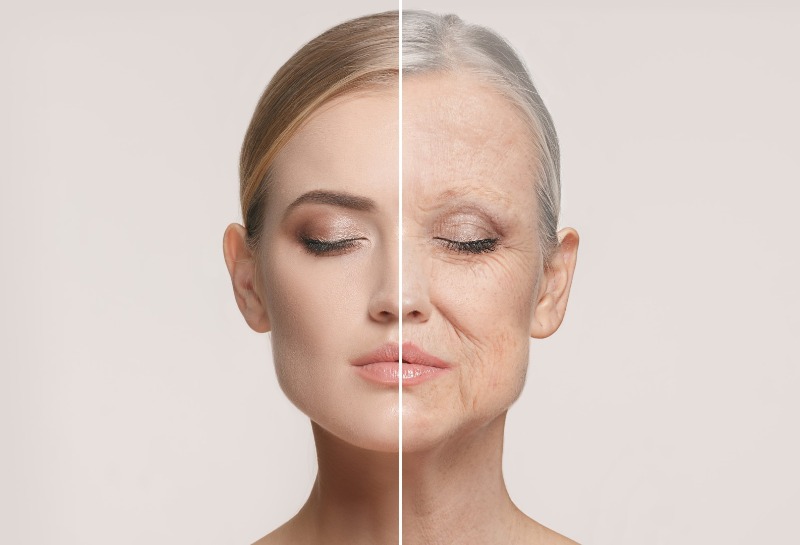
As time passes, ageing skin often becomes a prevalent concern for many. When
you look in the mirror and find that you no longer recognise your reflection, it can
be really troubling. However, ageing is a very gradual process and there are things
that you can do to slow down the effects of time.
The First Signs Of Ageing Skin
Those in their twenties will likely start to notice the very first signs of ageing.
Around the age of 25, collagen, which strengthens connective tissues, starts to
steadily deplete, while the same thing happens to elastin. The gradual loss of these
two structural proteins is a huge factor in a number of changes that follow as the
year progresses.
Ageing skin can often first be found in the eye area in the form of fine lines.
However, it’s important to note that you might actually just have dehydrated skin.
Including a retinol eye cream or a hyaluronic acid serum in your skincare routine
can help to target the signs of dehydration or very fine lines in your 20s and 30s.
It’s around this time that your skin cell turnover decreases more dramatically than
at any other point in your life.
As an infant, the skin regenerates every 3-5 days,
which is why children always have such smooth skin. As teenagers, this slows to
every 10-21 days and, although the change is only small in our 20s (14-21 days), it
slows yet again the decade after. By the time you reach your 30s, cells only
regenerate every 28-45 days, which can result in noticeably drier skin. The
inclusion of hyaluronic acid-based products will definitely help with ageing skin.
As You Get Older
Many women claim to feel more confident than ever in their 40s and 50s, which is
wonderful! But menopause often comes along and disrupts your life and your
complexion. With cell turnover decreasing yet again and wrinkles becoming
deeper, it’s around this time that ageing skin becomes even more of a concern.
This is particularly true when a distinct loss of facial volume becomes apparent.
As hormone levels drop, you’ll notice, yet again, that your skin becomes drier and
thinner than it may have been in the past. This applies to both your face and your
body. A great way to combat this is to ensure that moisturiser is applied whilst
your skin is slightly damp to boost hydration.
Introducing vitamin C-based products will help with a lacklustre complexion and
ensuring (as you should at any age) that you continue to wear SPF on a daily basis,
will help to slow the signs of ageing. Failure to look after your skin during this
time of your life will simply hasten the effects of time. Struggling to find the
perfect products? Head over to my shop to browse my favourite brands.
If you so choose, you could also opt for treatments such as dermal fillers to restore
lost volume or wrinkle-relaxing treatments, reducing the appearance of deeper
wrinkles. You can learn more about both of these options here.
Ageing Into Retirement
Once you’re out of your 50s, it’s highly likely that you will be well acquainted
with your ageing skin. In the following decades of your life, you’ll notice that the
signs of ageing don’t change per se, they simply become more pronounced as your
skin gets progressively thinner and cell turnover decreases even more.
Even areas of the body such as the hands are no stranger to the effects of ageing.
This is particularly true for those who have skipped using SPF on their hands over
time. Luckily, bio-remodelling treatments like Profhilo® can be used to restore
youthful-looking skin. What’s more, this procedure kickstarts the production of
collagen and elastin, ensuring long-lasting results.
It’s likely that your skin will feel drier than ever before during these decades.
Using a humidifier in your home can help with this, as well as wearing gloves
when you garden or do housework. Thinner skin is more susceptible to harsh
chemicals and sunlight and many often forget about their hands – try not to make
the same mistake.
Target Ageing Skin No Matter How Old You Are
If you need more help and advice on how to deal with ageing skin, please feel free
to contact Appearance Based Medicine. Looking after your body’s largest organ is
incredibly important and I will do everything I can to help. To book a consultation
with me, get in touch by calling 01628 303020, emailing info@ab-med.co.uk,
or booking online