Hello Interloper!
Menu
[58] 50 - 60 characters.
[149] 50 - 160 characters.
Hair has long captured the imagination of artists, designers and writers.
Hair is evocative and holds powerful cultural significance across the world. The hair care industry generates a lot of interest and money. In 2011, compared to 2010, global retail sales of hair care products increased by 5% to reach US$73.7 billion, according to data from Euromonitor International, published in 2012.
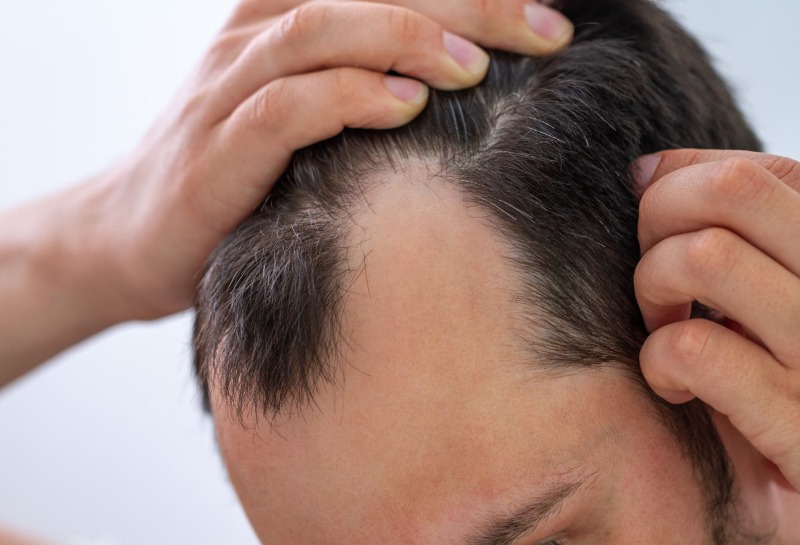
With most people in the UK experiencing some hair loss before the age of 50, it’s a common concern for both men and women and a legitimate one too. It’s OK to care.
Evermore specialised blogs continue to proliferate. Magazines, catering for both females and males, pay a lot of attention to how hair is represented in them. And these trends are set to continue.
From the story of Samson and his hair, which rendered him powerless without it, to the royal courts of France and Louis XIV, with his elaborate wigs, even men have a long-held attachment and interest in hair.
So why does it seem more OK for women to be concerned about hair loss than men?
Hair has long captured the imagination of artists, designers and writers. Hair is evocative and holds powerful cultural significance across the world. The hair care industry generates a lot of interest and money. In 2011, compared to 2010, global retail sales of hair care products increased by 5% to reach US$73.7 billion, according to data from Euromonitor International, published in 2012. With most people in the UK experiencing some hair loss before the age of 50, it’s a common concern for both men and women and a legitimate one too. It’s OK to care.
Evermore specialised blogs continue to proliferate. Magazines, catering for both females and males, pay a lot of attention to how hair is represented in them. And these trends are set to continue. From the story of Samson and his hair, which rendered him powerless without it, to the royal courts of France and Louis XIV, with his elaborate wigs, even men have a long-held attachment and interest in hair. So why does it seem more OK for women to be concerned about hair loss than men?
Hair
For women the association with their hair can shape their image to themselves and others. When you think of powerful women throughout time and myth, their hair is often part of their mysticism or legacy, e.g. Boudica/Boudicca’s long, flowing red hair (interestingly also known as Boadicea – a version popularised by the poet William Cowper in the 18th century). For many people in the public eye comments about their hair are commonplace – just think about Margaret Thatcher, Michelle Obama, Cheryl Cole, Jennifer Aniston and even figures like Lady Godiva and Medusa. Not forgetting Gail Porter who has done an impressive and worthy amount to raise awareness of alopecia.
Women vs. Men?
Hair Transplants can be unfairly criticised. While for women they are often heralded as life-affirming and life-changing procedures, for men the same isn’t often said. Ideally we need to take a step back and try to understand why people want to combat their hair loss and what can be done about it so the debate becomes something more productive. I treat patients on an individual basis so it’s important for me to reassure male patients it’s really OK to seek advice about treatment.
Men often face a barrage of criticism from all fronts when exploring and searching for hair loss treatments. While pop culture surveys remind them some women consider hair an important attribute for potential partners, you’ve also got people telling men to stop being vain. Yes, some men look great with no hair but there are still men who don’t like the way they look without hair. We should be equally supportive of men who don’t mind losing their hair and men who do mind losing their hair.
Hair Transplants
An estimated 8 million women in the UK have some form of hair loss, according to the NHS. Nearly half of the men experience hair loss under the age of 50. Women (and men) spend a lot of time and money on their hair so it’s understandable why both sexes look for treatments when hair starts to thin out or recede. Hair holds a lot of significance. While it’s entirely fine if people choose to shave their heads or remain comfortable with their hair loss, we need to be more accepting of men seeking treatment.
Hair transplants have come a long way from plug-type transplants. Science has caught up with hair loss treatments. They’re safer and more effective than ever before. Thankfully expertise has progressed considerably and now natural-looking results are very possible. By all means, explore what it means to have a hair transplant and please don’t feel guilty for thinking about having one.
Please remove the banner below to add another.

Please remove the thumbnail below to add another.
YouTube: Share a video and copy the link e.g. https://youtu.be/mTFcjOAInO4
Vimeo: Open a video and copy the URL e.g. https://vimeo.com/63995850